Crib to Toddler Bed Readiness Checker
Use this tool to evaluate if it's time to move your child out of the crib. Answer the questions below honestly based on your child's current behavior and your household situation.
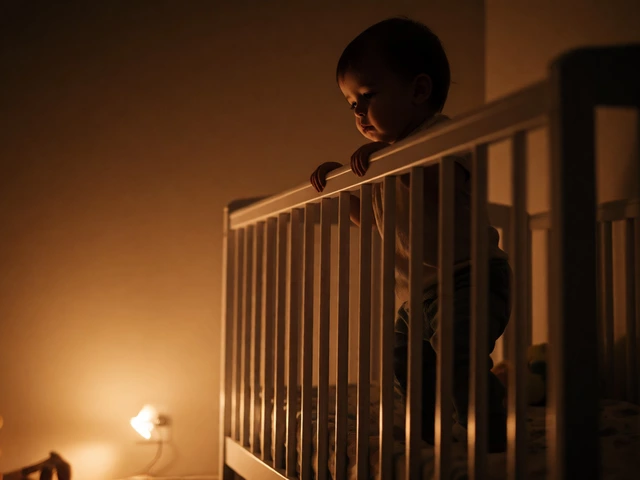
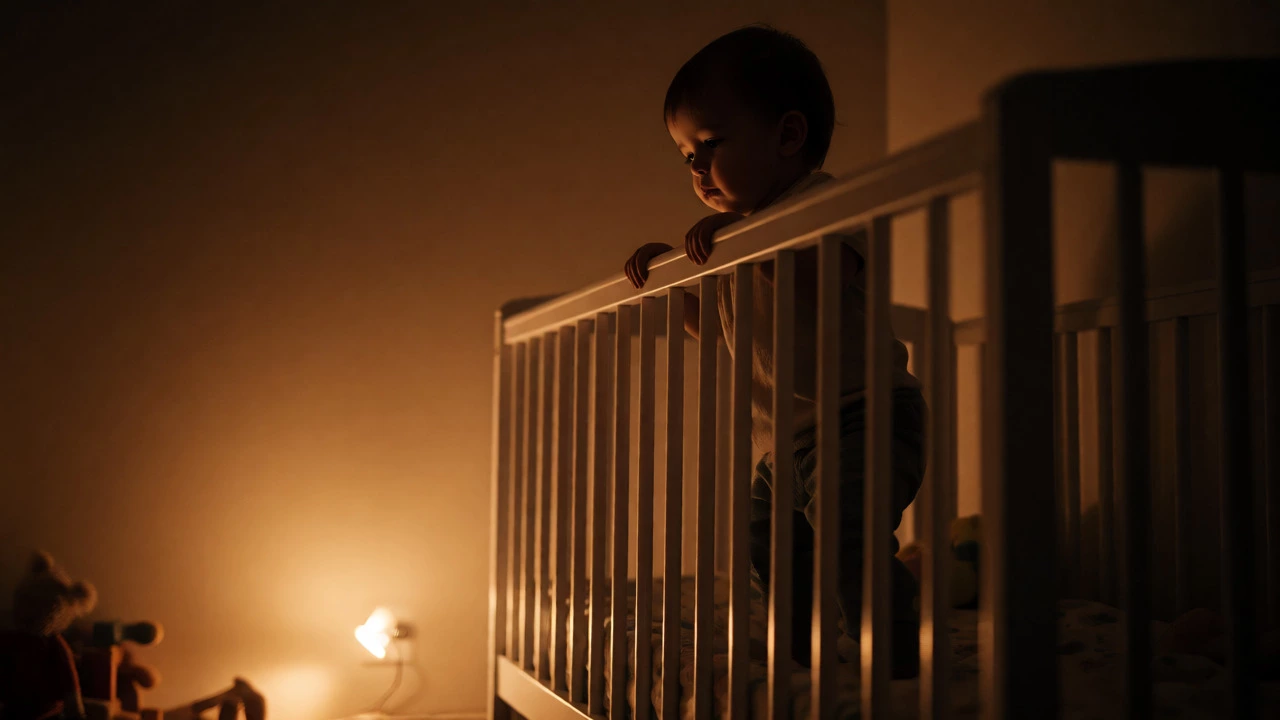
You’re standing in the doorway at 2 AM, watching your two-year-old stand up in his crib, looking like he’s about to launch himself over the side rail. You know the drill: if he climbs out, you’re dealing with a toddler roaming the hallway in his diaper. But is it time? The question of when to switch from crib to toddler bed isn’t just about age numbers; it’s about safety, developmental readiness, and your own sanity.
Most parents panic because they think there’s a hard deadline. There isn’t one. The American Academy of Pediatrics (AAP) doesn’t give a specific age for moving out of a crib. Instead, they focus on when the risk of climbing out outweighs the benefit of containment. If your child is still sleeping peacefully in their crib, keeping them there is often safer and more comfortable than rushing into a big-kid bed too early. Let’s break down exactly how to spot the right moment, what signs to look for, and how to make the swap without turning naptime into a battlefield.
The Safety Trigger: When Climbing Becomes Dangerous
The number one reason to move a child out of a crib is physical ability. Once a toddler can climb over the top rail, the crib becomes a potential hazard rather than a safe haven. This usually happens between 18 months and 3 years, but every kid hits this milestone differently.
Watch for these specific behaviors:
- Standing tall: Can they stand upright while holding onto the rails?
- Knee-over-bar: Have you caught them putting one knee over the side?
- The "Escape Artist" Move: Have they actually managed to get their torso over the rail?
If you see any of these, you need to lower the mattress immediately. Most cribs have three or four height settings. Dropping the mattress to the lowest setting buys you time. It makes the drop distance greater if they do fall, reducing injury risk, and makes it harder for them to lift their legs high enough to clear the bar. This simple adjustment can delay the need for a new bed by several months, which is great if you’re not ready for the chaos of a toddler bed yet.
Developmental Readiness vs. Age Myths
People love to say, "They’ll be ready at two." Don’t believe them. Two is just an average, not a rule. Some kids are physically capable of climbing out at 15 months but lack the cognitive maturity to understand boundaries. Others are strong climbers at 2.5 years but stay in the crib until 3 because they feel secure there.
Ask yourself these questions before buying anything:
- Does your child understand instructions? Can they follow a simple command like "Stay in bed"?
- Are they potty training? Nighttime dryness often motivates a move to a bed so they can get to the bathroom independently.
- Is there a new sibling coming? Moving a toddler out of the crib just because a baby needs it is a classic mistake. It creates resentment and regression. Only move them if they are genuinely ready, ideally 6-8 weeks before the baby arrives, or after the baby has settled in.
If your child is under two and hasn’t started climbing, keep them in the crib. The structure provides security. Toddlers thrive on routine and boundaries. A crib is a boundary. A toddler bed is open space. That shift can be overwhelming if the child isn’t emotionally prepared.
Choosing the Right Toddler Bed
Once you’ve decided the crib days are numbered, you have options. Not all toddler beds are created equal, and some are total waste of money. Here’s what actually works.
| Bed Type | Best For | Pros | Cons |
|---|---|---|---|
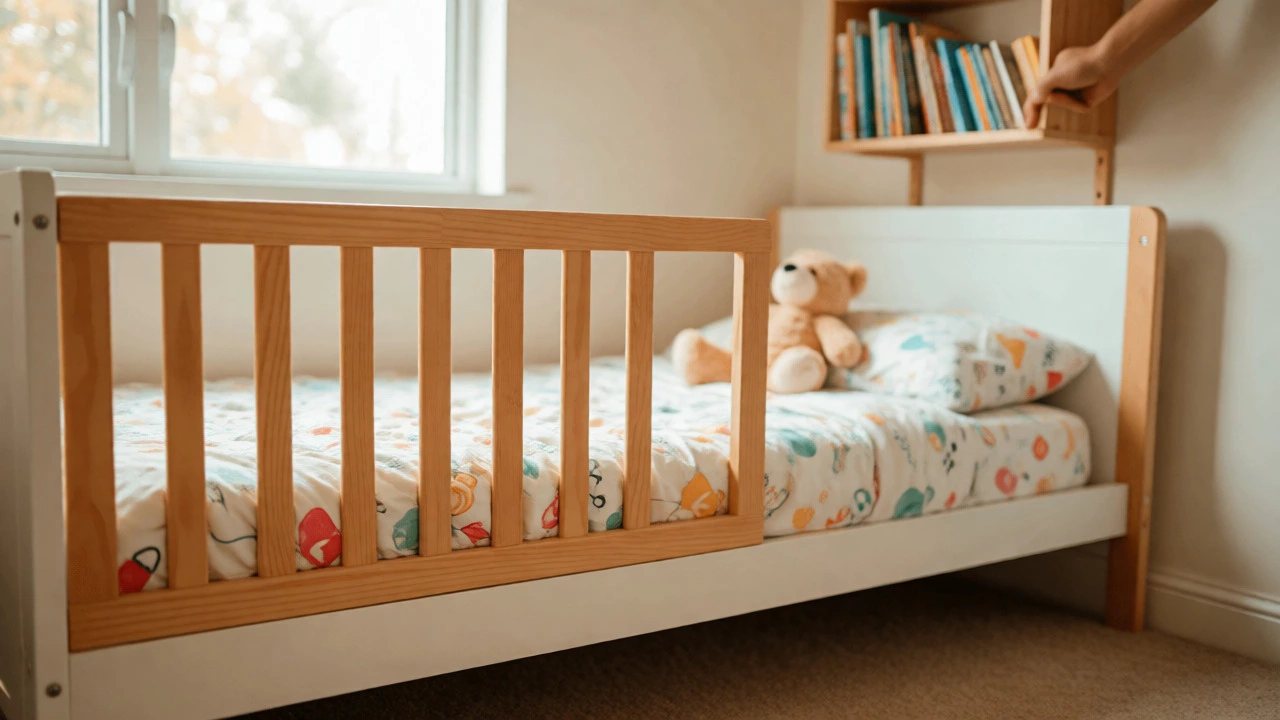
| Crib-to-Toddler Conversion Kit | Budget-conscious parents who already own a convertible crib | Cheapest option; keeps familiar frame; uses existing crib mattress | Low profile may feel unstable; limited style options |
| Standard Toddler Bed | Families wanting a dedicated small bed | Fun themes (cars, princesses); low height reduces fall injuries | Short lifespan (used only 1-2 years); requires new mattress |
| Twin Bed with Rails | Long-term value; older toddlers (2.5+) | Lasts through childhood; standard bedding available | Higher fall risk; requires sturdy guardrails; larger footprint |
| Floor Bed (Montessori) | Independence-focused parenting styles | Total freedom; no fall risk; encourages self-regulation | Messy room management; difficult to contain at night |
Pro Tip: If you go with a twin bed, buy solid wood or metal guardrails. Cheap plastic ones snap. I’ve seen too many parents regret skipping the rails because their kid rolled off and woke up screaming-or worse, hurt themselves.
How to Make the Transition Painless
The physical switch is easy. The behavioral switch is hard. Your toddler now has freedom, and they will test it. They might get up 10 times to ask for water, use the potty, or tell you about a dream. Here’s how to handle it.
1. Involve Them in the Process
Don’t just swap the beds overnight. Take them shopping (or browse online together). Let them pick their sheets or a special stuffed animal that “sleeps” in the new bed. Ownership helps acceptance. Say things like, “Look, this is your big kid bed! You can climb in and out all by yourself.”
2. Childproof the Room First
This is non-negotiable. Before the first night, check the room as if you were a crawling baby. Cover outlets, anchor bookshelves to the wall, remove blind cords, and lock windows. If they can roam, they will roam. Ensure the path from bed to door is clear of tripping hazards.
3. Stick to the Routine
Keep your bedtime routine identical. Same bath, same books, same lullaby. The bed changed, but the ritual didn’t. This consistency signals safety. If you change the routine along with the bed, you’re giving them two reasons to resist.
4. The "Silent Return" Method
When they get out of bed, walk them back calmly. Do not engage in conversation. Do not offer snacks. Do not turn on lights. Just take their hand, lead them back, tuck them in, and leave. Repeat as necessary. It might happen 20 times the first night. By day three, it usually drops to 2-3 times. Consistency beats negotiation every time.
Troubleshooting Common Sleep Regressions
Expect a temporary dip in sleep quality. It’s normal. If your child starts waking up crying or refusing naps, don’t panic and revert immediately. Give it two weeks. Often, the initial excitement wears off, and they settle into the new rhythm.
However, if nightmares increase significantly, consider if the change was too abrupt. Sometimes, using a nightlight helps ease the fear of the open space. Also, check for other stressors-are they starting daycare? Is there tension at home? Sleep issues rarely exist in a vacuum.
If your child consistently gets out of bed and won’t return after two weeks, consider a brief return to the crib. There is no shame in this. If the crib fits and they aren’t climbing, it’s a valid tool for regaining sleep stability. Try again in a month.

FAQ: Quick Answers for Anxious Parents
Can my 18-month-old sleep in a toddler bed?
Yes, if they are climbing out of the crib. However, most experts recommend waiting until 24-36 months unless safety is compromised. Younger toddlers often struggle with the impulse control needed to stay in an open bed.
Do I need a special mattress for a toddler bed?
If you use a conversion kit, you can reuse your crib mattress. If you buy a standalone toddler bed, it typically takes a crib-sized mattress (28" x 52"). Twin beds require a standard twin mattress (38" x 75"). Always ensure the mattress fits snugly to prevent entrapment.
How long should I keep guardrails on?
Keep them on for at least the first few months. Many parents leave them on until the child is 5 or 6, especially if they sleep on the top bunk later. It’s cheap insurance against falls.
My toddler keeps getting out of bed. Should I lock the door?
Avoid locking the door fully, as it can cause anxiety. Instead, use a baby gate across the doorway. This prevents them from wandering the house but allows them to see you if they call out. It contains the chaos without trapping them.
Is it okay to co-sleep during the transition?
It depends on your family dynamic. If co-sleeping helps everyone get rest during the chaotic first week, it’s fine. But try to avoid making it a permanent habit unless that’s your long-term goal. Use it as a bridge, not a destination.
Final Checklist Before You Buy
Before you hit "add to cart," run through this quick list:
- [ ] Has your child climbed out of the crib at least once?
- [ ] Is the crib mattress at its lowest setting?
- [ ] Is the child over 18 months old?
- [ ] Is the bedroom childproofed?
- [ ] Are you avoiding the transition due to a new sibling arrival?
If you checked yes to the first three and no to the last, you’re likely good to go. Trust your gut. You know your child better than any chart. If they seem happy in the crib, let them stay. If they’re escaping, it’s time to upgrade. Good luck-you’ve got this.