Baby Formula Budget & Resource Estimator
Estimate your monthly spending and find the right support for your family.
Your Situation
Recommended Immediate Actions
Enter your details above to see how much you might spend on formula and which free resources you qualify for.
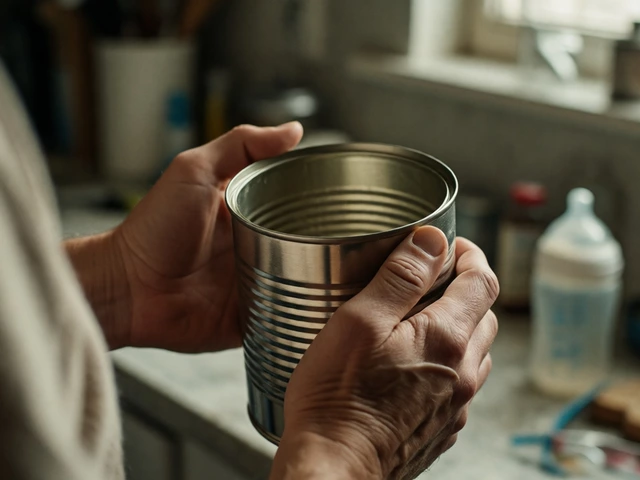
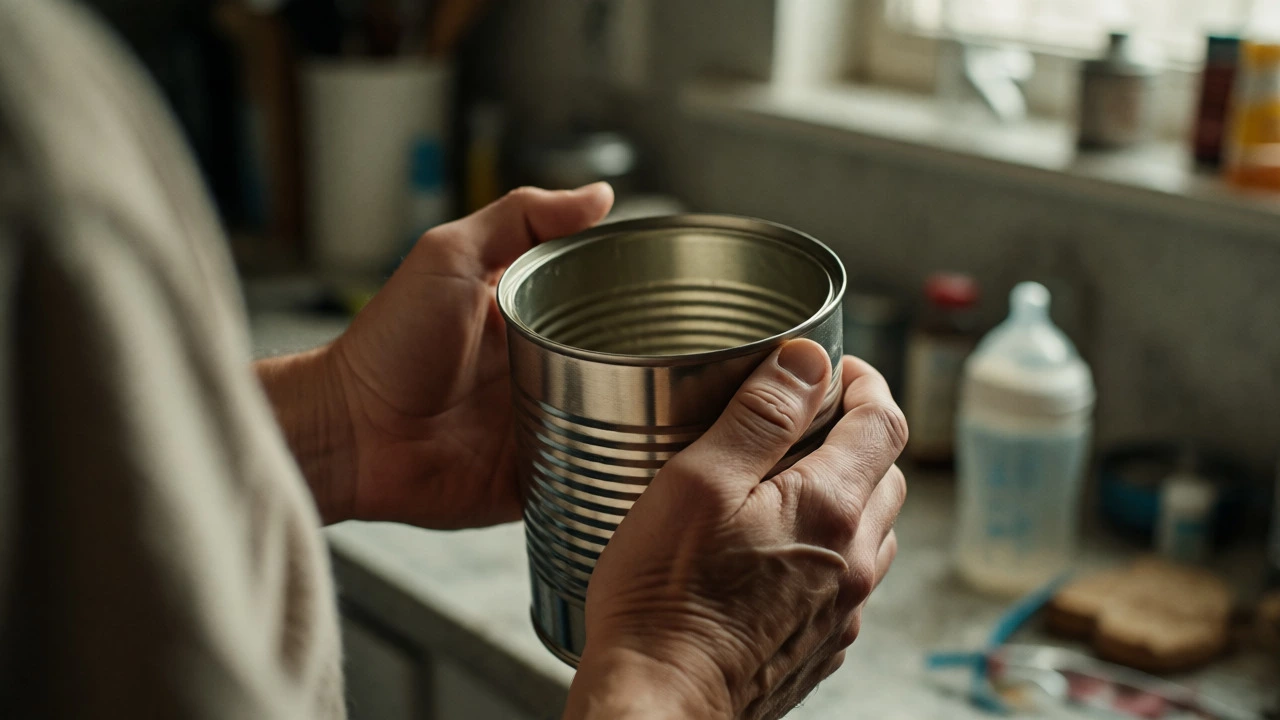
You’re staring at an empty can of baby formula and checking your bank account for the third time today. The math isn’t working. A single can costs between $30 and $40, and if you’re feeding a newborn, that’s gone in three days. It’s a terrifying spot to be in, especially when you’re already exhausted from sleepless nights. But here is the good news: you are not alone, and there are more resources available than most parents realize until they actually need them.
| Action | Speed | Cost |
|---|---|---|
| Contact local Diaper Bank | Immediate (same day) | Free |
| Visit WIC Office | 1-3 Days | Free/Subsidized |
| Check Food Pantries | Same Day | Free |
| Use Coupon Apps | Immediate | $5-$10 savings |
The Fastest Way to Get Formula Today
If you have zero dollars right now and a hungry baby, don’t wait for mail delivery. Your first stop should be a local Diaper Bank. Unlike regular charities, diaper banks specifically stock essentials like diapers, wipes, and often formula. They operate differently across states, but many function as distribution hubs for other nonprofits. You usually just need to call ahead to check hours and bring a photo ID. Some locations require proof of address, but they rarely ask for pay stubs or tax returns because they know financial crises happen fast.
Next, look up your nearest food pantry. Use the Feeding America website or app to find one within five miles. Call them before you go. Ask two specific questions: "Do you carry infant formula?" and "Is it ready-to-feed or powder?" This matters because if you don’t have clean water or a way to sterilize bottles, powder won’t help you tonight. Many pantries have small shelves dedicated to baby items donated by hospitals or community drives. If they don’t have formula, ask if they can refer you to a partner agency that does. Social workers at these sites often know which church groups or shelters have stock.
Understanding WIC Benefits
WIC (Women, Infants, and Children) is a federal program that provides supplemental foods, health care referrals, and nutrition education. It’s not just for pregnant women; it covers infants up to age five. Here’s the catch people miss: WIC doesn’t give you cash. They issue an EBT card loaded with credits for specific eligible foods. For formula, this means you can buy brands approved by your state, like Enfamil, Similac, or store-brand equivalents depending on your location.
To get started, you need to apply. You can do this online in many states or walk into a local WIC office. Bring your child’s birth certificate, your own ID, and proof of income (like a recent pay stub or even a statement saying you have no income). Approval can take anywhere from 24 hours to two weeks. While you wait, ask about "emergency vouchers." Some WIC offices can issue temporary checks or cards so you aren’t left waiting while your paperwork processes. This bridge coverage is critical for the first week.
Hospital Resources and Sample Packs
If your baby was born recently, or if you visited an emergency room, check what samples you received. Hospitals often send new parents home with boxes of formula samples. These are usually small, single-serving packets of powdered formula or small cans of liquid concentrate. They aren’t meant to last long-maybe two to four days-but they buy you time to figure out your next step.
Don’t hesitate to call the pediatrician’s office either. Doctors’ offices frequently receive sample cases from formula companies. They might not have enough to give you a full month’s supply, but they can often spare a few cans or packets. Tell the receptionist exactly why you’re calling: "We are running low on formula and looking for any available samples." It’s a common request, and staff are used to helping families navigate this gap.

Smart Shopping When You Have Some Cash
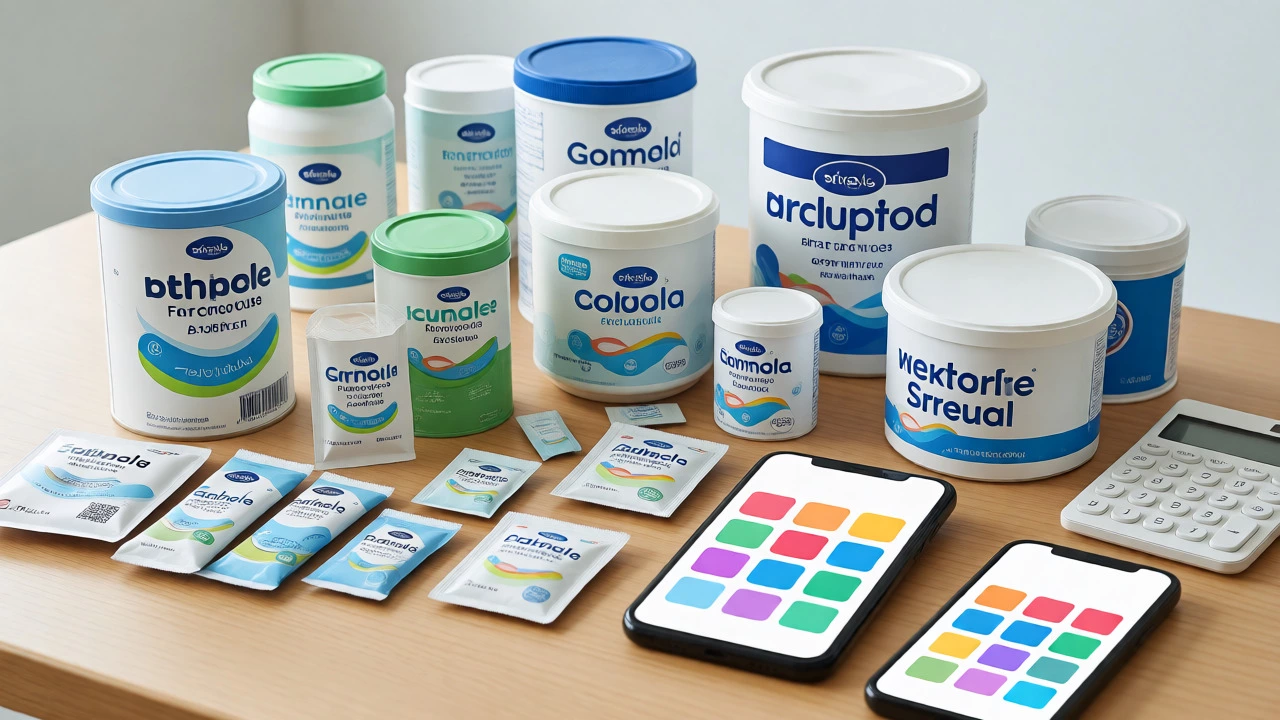
Once you’ve secured immediate supplies, you need a strategy for the future. Formula prices vary wildly based on brand and type. Store brands (like Walmart’s Parent’s Choice or Target’s Up & Up) are often 30-50% cheaper than name brands. Crucially, the FDA requires all infant formulas sold in the US to meet the same nutritional standards. So, switching from Enfamil to a generic version doesn’t mean your baby gets less nutrition.
- Coupons: Check apps like Ibotta or Fetch Rewards. You can often get $5-$10 back per can.
- Subscription Services: Amazon Subscribe & Save offers 15% off if you subscribe to multiple items. However, compare the total cost against buying bulk at a warehouse club like Costco or Sam’s Club.
- Price Matching: Stores like Target and Walmart will match competitor ads. If a local pharmacy has a sale on formula, show them the ad on your phone.
Be careful with "bulk buying." Buying ten cans upfront sounds smart, but if your baby develops an intolerance or allergy after two cans, you’re stuck with expensive inventory. Start with smaller quantities until you know the formula agrees with your child.
Community and Online Support Networks
Facebook Marketplace and local Buy Nothing groups are goldmines for baby supplies. Parents often have leftover formula from older siblings who switched to solids or different types. Search for "formula" in your local group. You’ll likely find someone giving away half-used cans or unopened boxes for free. Just be sure to check the expiration date. Formula loses potency over time, and expired formula shouldn’t be used.
Also, consider breastfeeding support. Even if you plan to use formula exclusively, some lactation consultants offer free consultations through insurance or community programs. Sometimes, partial breastfeeding (mixing breast milk and formula) can stretch your formula budget significantly. Every ounce of breast milk reduces the amount of formula needed, saving you money directly.
Pitfalls to Avoid
When money is tight, desperation can lead to risky decisions. Never dilute formula to make it last longer. Adding extra water changes the nutrient balance and can cause water intoxication in infants, which is a serious medical emergency. Similarly, avoid making homemade formula unless directed by a pediatrician. Recipes found online often lack essential vitamins and minerals, leading to deficiencies like rickets or anemia.
Another trap is ignoring signs of hunger versus thirst. Newborns feed every 2-3 hours. As they grow, they may go longer. Tracking feeding times helps you anticipate when you’ll run out of formula, giving you a buffer to restock before you hit zero.
Can I use cow's milk instead of formula?
No, not for babies under 12 months. Cow's milk lacks the iron and vitamin C infants need and contains proteins that are hard for their kidneys to process. Stick to infant formula or breast milk until your pediatrician says otherwise.
How quickly can I get WIC benefits?
It varies by state and office workload. In urgent cases, some offices provide emergency vouchers within 24-48 hours. Full enrollment typically takes 1-2 weeks. Always ask about expedited processing due to financial hardship.
Are store-brand formulas safe?
Yes. The FDA regulates all infant formulas sold in the United States, ensuring they meet strict nutritional standards. Store brands must contain the same essential nutrients as premium brands.
What if my baby refuses the cheaper formula?
Transition slowly by mixing old and new formula over 3-5 days. If refusal persists, consult your pediatrician. They may recommend a different protein source or confirm if an underlying issue exists.
Can I donate unused formula?
Many food banks accept unopened, non-expired formula. Check their guidelines first, as some only accept certain types or require specific storage conditions. Never donate opened containers.
Next Steps
Tonight, locate your nearest food pantry and diaper bank using an online search or a local helpline like 211. Tomorrow morning, start the WIC application process. Keep receipts and track your spending carefully. Remember, asking for help isn’t a failure-it’s a strategic move to ensure your baby gets fed while you stabilize your finances. You’ve got this.