Stroller Safety & Condition Checker
Use this tool to inspect a second-hand or older stroller. Check all applicable issues below to determine if the stroller is safe to use, needs repair, or should be replaced.
1. Critical Safety Checks
Check any that apply (Failures here are major red flags)- Recalled Model (Check CPSC.gov)
- Frame has visible cracks/bends
- Brakes fail on incline
- Fold lock fails/wobbles
- Harness straps frayed/torn
2. Wear & Maintenance Issues
Check any that apply (Indicates aging/need for care)- Tires hard/cracked (oxidized)
- Plastics brittle/yellowed
- Loose screws/joints
- Fabric stained/moldy
- No 5-point harness (only lap belt)
Ready to Inspect
Select the issues present in your stroller above, then click "Analyze" to see recommendations.
You just found a pristine-looking stroller at a garage sale for $20. It looks brand new. The wheels spin freely. The fabric is clean. But should you buy it? Or maybe you’re holding onto your first stroller from five years ago, wondering if it’s still safe for your second child. The short answer is: yes, strollers do expire, but not in the way milk does. There’s no date stamped on the frame that says "throw me away." Instead, expiration is about material degradation, safety standard changes, and mechanical wear.
Unlike car seats, which have strict manufacturer-mandated expiration dates due to plastic brittleness, strollers are more forgiving. However, they aren’t immortal. A ten-year-old stroller might look fine but fail under stress because rubber hardens, plastics become brittle, and locking mechanisms lose their tension. If you’re buying used or handing down gear, you need to know what to look for. This guide breaks down exactly when a stroller is too old to trust and how to spot the hidden dangers before your kid ends up on the pavement.
The Difference Between Car Seats and Strollers
Many parents assume all baby gear follows the same rules. They don’t. Car seats rely heavily on specific types of plastic that degrade with UV exposure and temperature fluctuations. Manufacturers set hard expiration dates (usually 6-10 years) because once that plastic cracks, it won’t protect your child in a crash. Strollers, however, are primarily mechanical devices made of metal frames, fabric, and rubber. They don’t have a single "crash protection" component that fails silently over time.
This doesn’t mean you can ignore age. While there’s no official expiration date, the Consumer Product Safety Commission (CPSC) and manufacturers recommend replacing strollers if they show signs of significant wear or if they predate current safety standards. Think of it less like an expiration date and more like a mileage limit on a car tire. You can drive on bald tires, but it’s risky. Similarly, an old stroller might function, but its ability to stop quickly or hold weight securely may be compromised.
| Feature | Car Seat | Stroller |
|---|---|---|
| Expiration Date | Yes, strictly enforced (6-10 years) | No fixed date, based on condition |
| Primary Risk Factor | Plastic degradation & chemical breakdown | Mechanical failure & material wear |
| Safety Standard Updates | Frequent, major structural changes | Gradual improvements in brakes/folds |
| Used Purchase Advice | Avoid unless history is known | Safe if inspected thoroughly |
Why Materials Degrade Over Time
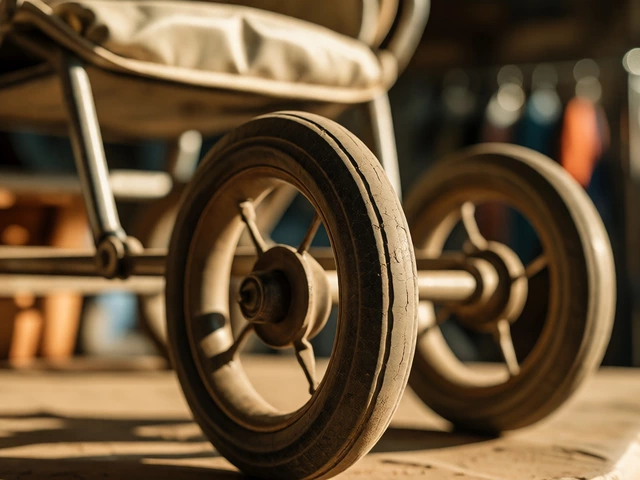
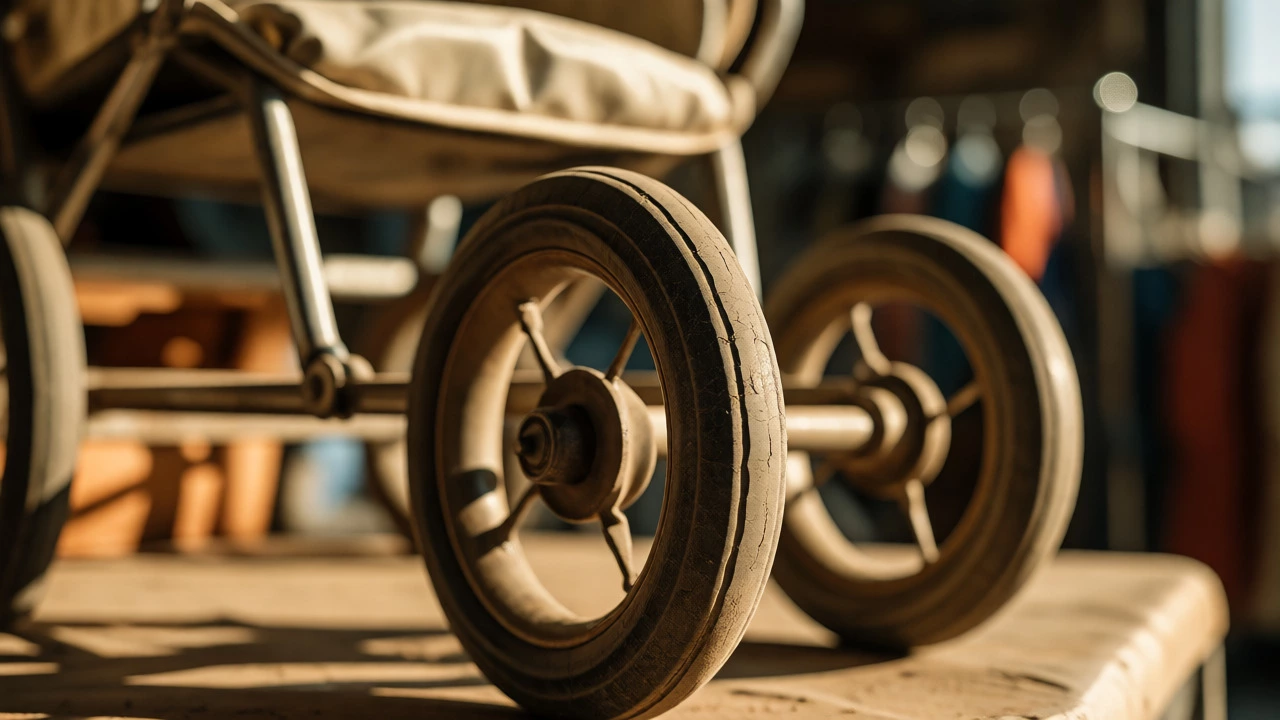
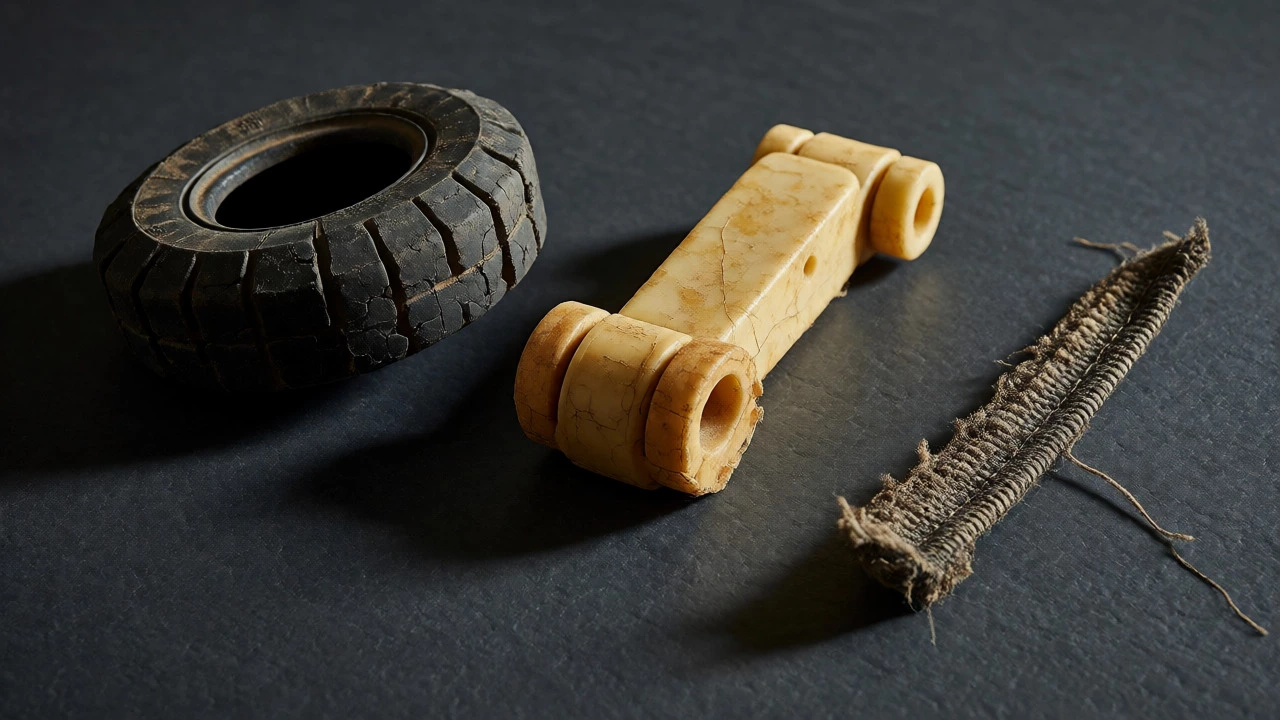
Even if a stroller sits in a closet unused, gravity and chemistry work against it. Rubber tires, often the first thing to go, undergo oxidation. This process causes the rubber to harden and crack. Once cracked, tires lose traction. On wet pavement, a hardened tire acts like a hockey puck-it slides instead of grips. If you’re pushing a stroller with slick tires downhill, you’re relying entirely on the brake system, which puts extra strain on components that might also be worn.
Plastics are another culprit. Many modern strollers use high-grade polymers for hinges, buckles, and handlebars. Over time, especially if exposed to sunlight during storage, these plastics become brittle. A buckle that clicked solidly five years ago might snap open now if bumped slightly. Metal frames are durable, but joints can loosen. Screws back out due to vibration from daily walks. If you haven’t tightened them in years, a joint could fail while you’re carrying a 30-pound toddler and a diaper bag.
Fabric is the least critical for safety but matters for hygiene and comfort. Mold can grow in seams if the stroller was stored damp. Sunlight fades colors and weakens fibers, making the seat prone to tearing under sudden weight shifts. While a torn seat won’t cause a crash, it can lead to discomfort or a child slipping out if the harness isn’t properly supported by the surrounding structure.
Safety Standards Have Changed
Baby gear safety evolves. What was considered safe in 2015 might not meet best practices today. For example, older strollers often had simpler braking systems-maybe just a foot pedal on one rear wheel. Modern standards emphasize independent brakes on both rear wheels or even all four wheels for better stability on slopes. If your stroller predates 2018, check if it meets the updated ASTM F833 standard for strollers, which includes stricter requirements for tip-over resistance and brake performance.
Recalls are another reason to discard older models. Some popular brands have issued recalls for specific batches due to folding mechanism failures or choking hazards. These recalls often affect models sold between certain years. Before using an old stroller, search the CPSC website for recalls associated with that brand and model number. If your stroller has been recalled and you haven’t applied the fix, it’s effectively expired until repaired-or replaced.
Consider the harness system too. Older designs sometimes used two-point belts or loose-fitting three-point harnesses. Current best practice favors five-point harnesses that secure shoulders, hips, and crotch. If your old stroller only has a lap belt, it’s not necessarily unsafe, but it offers less protection if the stroller tips forward. Upgrading to a newer model with a robust harness might be worth it for peace of mind.
How to Inspect a Used Stroller
If you’re eyeing a second-hand stroller, don’t just look at the price tag. Perform a rigorous inspection. Start with the frame. Shake it vigorously. Listen for rattles or clicks that shouldn’t be there. Wiggle the handlebar side-to-side; excessive play indicates loose bolts or worn bushings. Check every screw and nut. Tighten any that feel loose. If threads are stripped, the part needs replacement, which might cost more than the stroller itself.
Next, test the brakes. Engage the brake pedal firmly. Push the stroller forward. It should not move. Try this on a slight incline if possible. If the stroller rolls despite the brake being engaged, the pads are worn or the mechanism is broken. Replaceable brake pads exist for some models, but many are integrated into the wheel assembly. Replacing wheels on an old stroller can be tricky if parts are discontinued.
Examine the folding mechanism. Fold and unfold it ten times. Does it lock securely each time? Does it require excessive force? A stiff fold suggests dried-out lubricant or debris in the hinges. A wobbly lock means the latch isn’t engaging fully. If the stroller feels unstable when folded, it’s a hazard. Also, check the canopy. It should stay up without sagging excessively. A broken spring or torn hinge in the canopy can lead to sunburns or rain leaks, annoying but not dangerous.
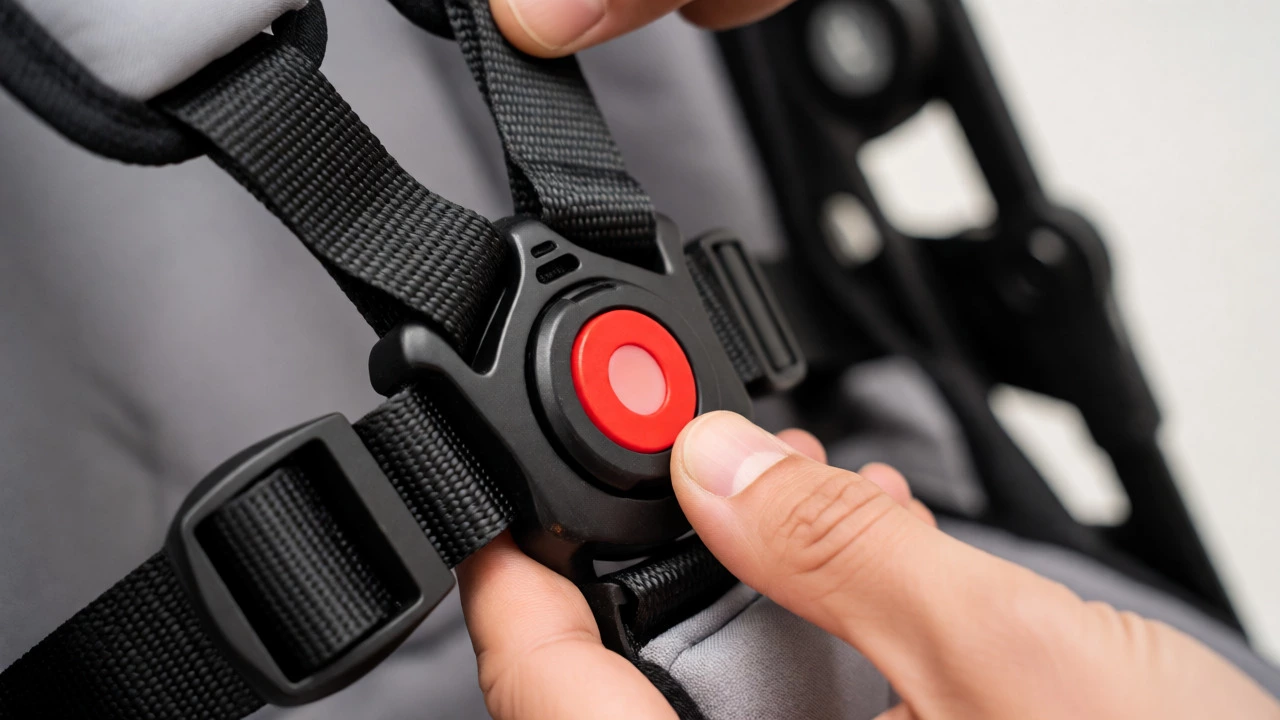
Finally, inspect the harness straps. Pull on them hard. They shouldn’t stretch significantly. Check the stitching along the edges. If threads are pulling out, the strap could fail under load. Ensure the buckle clicks loudly and clearly. Test the release button. It should require deliberate pressure to open, not accidental bumps.
When to Replace vs. Repair
Not every defect requires tossing the stroller. Sometimes, simple maintenance extends life. Dry lubricant on hinges? Clean it and apply silicone spray. Loose screws? Tighten them. Worn tires? Many universal stroller tires are available online. If the frame is solid aluminum or steel, and the fabric is intact, repairing minor issues is cost-effective.
However, replace the stroller if:
- The frame has visible cracks or bends.
- Brakes cannot be adjusted to hold firm.
- Harness straps are frayed beyond repair.
- Parts are discontinued and unavailable.
- The stroller lacks a five-point harness (for active toddlers).
Consider the economics. If repairs cost more than 50% of a new basic stroller, buy new. New models offer better warranties, updated safety features, and lighter materials. Plus, you get the satisfaction of knowing every part is fresh.
Environmental Impact and Disposal
Strollers are bulky. Throwing one in the trash fills landfills quickly. Before discarding, see if local charities accept baby gear. Some organizations refurbish strollers for low-income families. If the stroller is truly dead, separate materials. Metal frames can often be recycled as scrap metal. Fabric and plastic components may need special handling. Check with your local waste management facility for large item pickup options.
Donating a gently used stroller keeps it in circulation. Just ensure it passes the safety inspection first. Don’t pass on a hazard to another family. Clean it thoroughly, document any repairs, and include the manual if you have it. A well-maintained used stroller serves its purpose well and reduces waste.
Frequently Asked Questions
Is it safe to buy a stroller that is 10 years old?
It can be safe, but only after a thorough inspection. Check for brittle plastics, hardened tires, and loose frame joints. Ensure it hasn't been recalled. If all mechanical parts function correctly and safety standards were met at the time of manufacture, it may be usable. However, newer models offer improved safety features like better braking and harness systems.
Do stroller tires expire?
Yes, rubber tires degrade over time through oxidation. They harden and crack, losing grip. Even if they look okay, if they feel hard to the touch or show small cracks, replace them. Hardened tires increase stopping distance and risk slipping on wet surfaces.
What is the average lifespan of a stroller?
With proper care, a quality stroller can last 3-5 years of heavy use, enough for two children. Lighter usage or careful maintenance can extend this to 7-10 years. Key factors include frequency of use, terrain, and storage conditions. Regular cleaning and tightening of screws help prolong life.
Can I replace parts on an old stroller?
Sometimes. Common parts like wheels, tires, and seat fabrics are often replaceable. However, proprietary parts like folding mechanisms or specific frame connectors may be discontinued. Check with the manufacturer or third-party sellers. If parts are unavailable, the stroller's usability ends regardless of its age.
Are vintage strollers safe?
Vintage strollers (pre-1990s) often lack modern safety features like five-point harnesses and effective braking systems. They may also contain lead paint or other hazardous materials. Unless restored and modified to meet current standards, vintage strollers are generally recommended for display rather than daily use with infants.