
Stroller Suitability Checker
Enter your child's details to determine which stroller types are suitable and when it might be time to retire the wheels.
Please enter your child's age and weight above, then click "Check Suitability" to see recommendations.
You’re standing at the park entrance, looking at your three-year-old who just said, "I want up!" You hesitate. Is she too old for the stroller? Are you holding her back from developing independence, or are you being sensible because it’s a long walk? This is one of the most common dilemmas parents face. The truth is, there isn’t a single hard-and-fast rule stamped on every pram. It depends on weight, stamina, and the specific activity.
Most manufacturers design standard strollers for children up to about four years old. But that number is just a starting point. Some kids outgrow the seat size by age two; others happily ride until they start school. Let’s break down exactly what the limits are, why they exist, and how to know if it’s time to retire the wheels.
The Manufacturer’s Weight Limit vs. Your Child’s Age
When you buy a stroller, the box usually lists a maximum weight capacity. For many full-size models, this is around 15kg (33 lbs) or sometimes 22kg (48 lbs) for larger travel systems. In terms of average development, 15kg often correlates with ages 3 to 4, while 22kg might push closer to age 5 or 6. However, weight is not the only factor. Height matters just as much.
If your child’s head sticks out above the backrest, they’ve outgrown the support. Even if they haven’t hit the weight limit, poor posture can lead to discomfort or even safety issues if the harness sits incorrectly across their shoulders. Always check the height restriction in the manual, not just the weight. A tall four-year-old might need a booster seat or no stroller at all, while a petite five-year-old might still fit comfortably.
| Stroller Type | Typical Max Weight | Approximate Age Range | Best For |
|---|---|---|---|
| Bassinet/Newborn | 9-10 kg | 0-6 months | Newborns needing flat sleep |
| Standard Jogger | 15-22 kg | 6 months - 4 years | Daily walks and running |
| Umbrella/Stroller | 15-18 kg | 6 months - 3.5 years | Travel and quick errands |
| Tandem/Twin | 22-25 kg per seat | Up to 4-5 years | Siblings close in age |
Why Age Matters More Than Just Fitting
Fitting physically into the seat doesn’t mean it’s the right choice. Developmental milestones play a huge role here. By age three, most toddlers have mastered walking, climbing, and navigating uneven terrain. They’re curious and energetic. Restricting them in a stroller during active playtime can frustrate both parent and child. On the flip side, their attention spans are short, and their legs tire quickly.
Consider the context. If you’re visiting a museum like the Science Museum in London or walking through Bristol’s steep hills, a stroller is a tool for endurance, not just transport. A four-year-old might walk fine for ten minutes but meltdown after an hour. That’s normal. Using a stroller for the return trip isn’t "babying" them; it’s managing energy levels. The goal is to balance autonomy with practicality.
Signs It’s Time to Retire the Stroller
How do you know when the end is near? Watch for these clear signals:
- The Harness Struggle: If your child constantly tries to unbuckle themselves or stands up in the seat, they’re likely ready to be free.
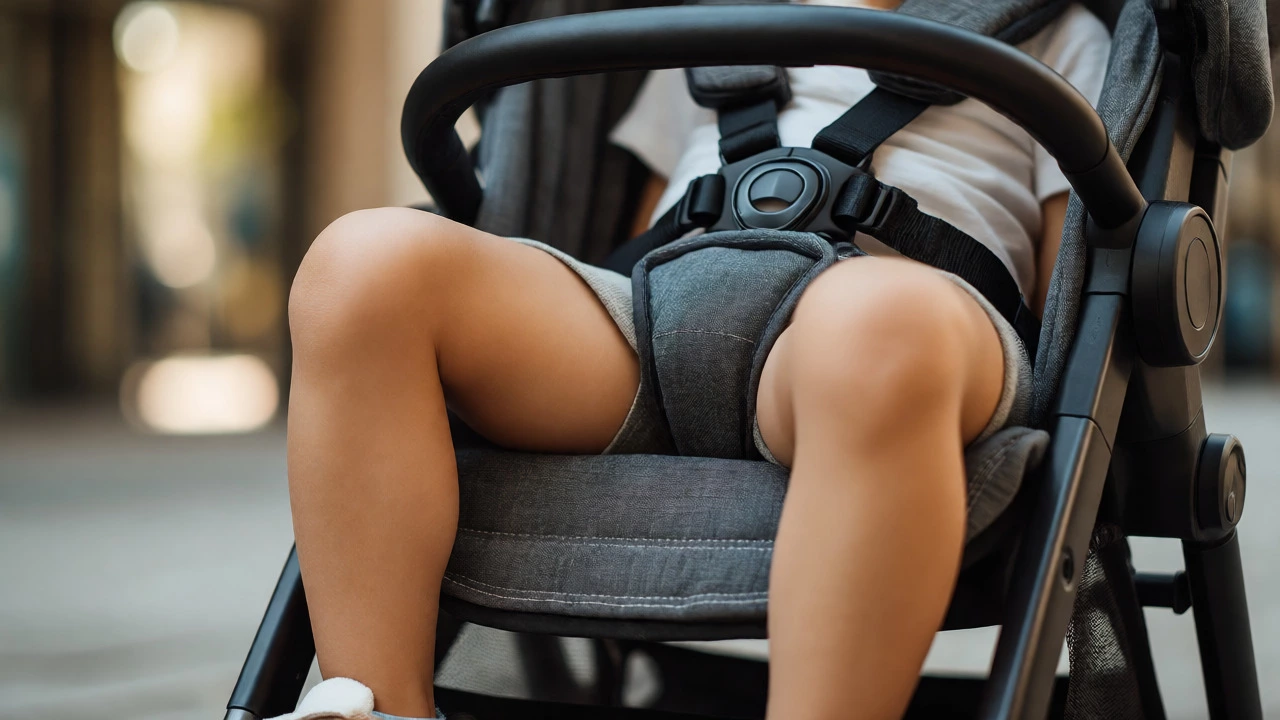
- Legroom Issues: If their knees are bent sharply upward or their feet drag on the ground when seated, the frame is too small.
- Resistance to Sitting: Toddlers who refuse to sit and insist on walking everywhere-even when tired-have made their preference known.
- Storage Needs: Sometimes, you keep the stroller for its basket. If you’re carrying groceries, nappies, and snacks, the stroller is still useful gear, regardless of who rides in it.
Don’t feel pressured to ditch it entirely if you still need the storage. Many parents switch to a lightweight buggy or a wagon for longer outings once the child becomes too heavy to carry but too independent to stay strapped in.
Safety Standards and Legal Considerations
In the UK, strollers must meet the BS EN 1888 safety standard. This standard covers stability, braking, and durability. While it doesn’t strictly dictate an "age," it sets performance benchmarks based on expected usage scenarios. Manufacturers test these products assuming a certain center of gravity and movement pattern typical of infants and young toddlers.
Using a stroller beyond its tested limits can void warranties and compromise safety. For example, a heavy five-year-old bouncing in a lightweight umbrella stroller might stress the folding mechanism more than intended. Always inspect joints, brakes, and wheels regularly. If something feels wobbly or loose, stop using it immediately, regardless of age.

Alternatives When They Outgrow the Stroller
So, your child has outgrown the seat. What now? You don’t necessarily need to buy a new vehicle. Here are some practical swaps:
- Kick Scooters: Great for kids aged 3+. They build balance and let the child feel independent. Pair it with a backpack for their own supplies.
- Wagons: Popular in the US and increasingly available in the UK, wagons allow multiple kids to sit and hold onto bars rather than being harnessed. They’re ideal for parks and beaches.
- Tricycles: Good for shorter distances where supervision is easy. Not suitable for busy roads or long hikes.
- Backpack Carriers: For hiking or crowded cities, a carrier for a smaller sibling means the older child walks alongside, holding hands.
Remember, the transition is gradual. You might use the stroller for holidays and skip it for local grocery runs. Flexibility reduces stress for everyone.
Common Myths About Stroller Use
One persistent myth is that using a stroller past age three causes delayed motor skills. There’s no evidence to support this. Walking happens naturally when children are ready and motivated. Another myth is that grandparents will judge you for pushing a "big kid." In reality, most people understand that long days out are exhausting. Prioritize your family’s comfort over perceived judgment.
Also, don’t confuse "stroller" with "carriage." Newborn carriages require fully reclined positions for spine health. As children grow, upright seats become appropriate. Mixing these up can cause posture problems, so always match the seat type to the developmental stage.
Is it bad to put a 4-year-old in a stroller?
No, it’s not bad. At four, children often lack the stamina for long distances. Using a stroller prevents fatigue-related tantrums and allows families to enjoy longer outings. Ensure the stroller meets the weight and height limits for safety.
What is the maximum weight for a standard stroller?
Most standard strollers have a maximum weight limit between 15kg (33lbs) and 22kg (48lbs). Check your specific model’s manual, as lightweight umbrella strollers may have lower limits than robust jogging strollers.
Can I use a stroller for a 5-year-old?
Yes, if the stroller supports their weight and height. Some large-frame strollers accommodate children up to 25kg. However, many 5-year-olds prefer scooters or walking independently due to social preferences and physical ability.
Do airlines have age limits for strollers?
Airlines generally allow one collapsible stroller per child for free, regardless of age, as long as it fits cabin or gate-check requirements. Size restrictions matter more than age. Always check with your specific airline before traveling.
How do I know if my stroller is unsafe?
Check for cracked frames, worn brakes, or frayed straps. If the stroller exceeds the manufacturer’s weight or height limit, or if the child’s head protrudes significantly above the backrest, it may no longer provide adequate support or safety.