Toddler Bed Transition Readiness Checker
Enter your child's details below to get a personalized recommendation on when to make the switch.
Fill out the form to see recommendations.
Most parents stare at the ceiling at 3 AM, wondering if their toddler is ready for a big kid bed. You see them climbing over the rail, or maybe they’ve just started asking to get out on their own. It’s a milestone that feels equal parts exciting and terrifying. Will they stay in bed? Will they wander into your room at midnight? The truth is, there isn’t one magic age where every child suddenly needs a toddler bed. Instead, it’s a mix of physical size, developmental readiness, and safety limits.
If you’re trying to figure out how long to keep your little one in a crib, this guide breaks down the signs, the risks, and the actual steps to make the switch without losing your mind (or your sleep).
The Hard Limits: Safety First
Before we talk about feelings or convenience, let’s look at the non-negotiables. The U.S. Consumer Product Safety Commission (CPSC) updated crib standards in 2011, but the core rule remains: once your child can climb out of the crib, it’s no longer safe. Most cribs have fixed sides, and while they are designed to contain infants, toddlers become agile climbers surprisingly fast.
There are two main hard stops for keeping a child in a crib:
- Height Limit: Most standard cribs are rated for children up to 35 inches tall. Once your child reaches this height, the distance between the mattress and the top rail becomes too small to prevent falls. Check your specific crib’s manual; some convertible models allow for a higher limit, but 35 inches is the general industry standard.
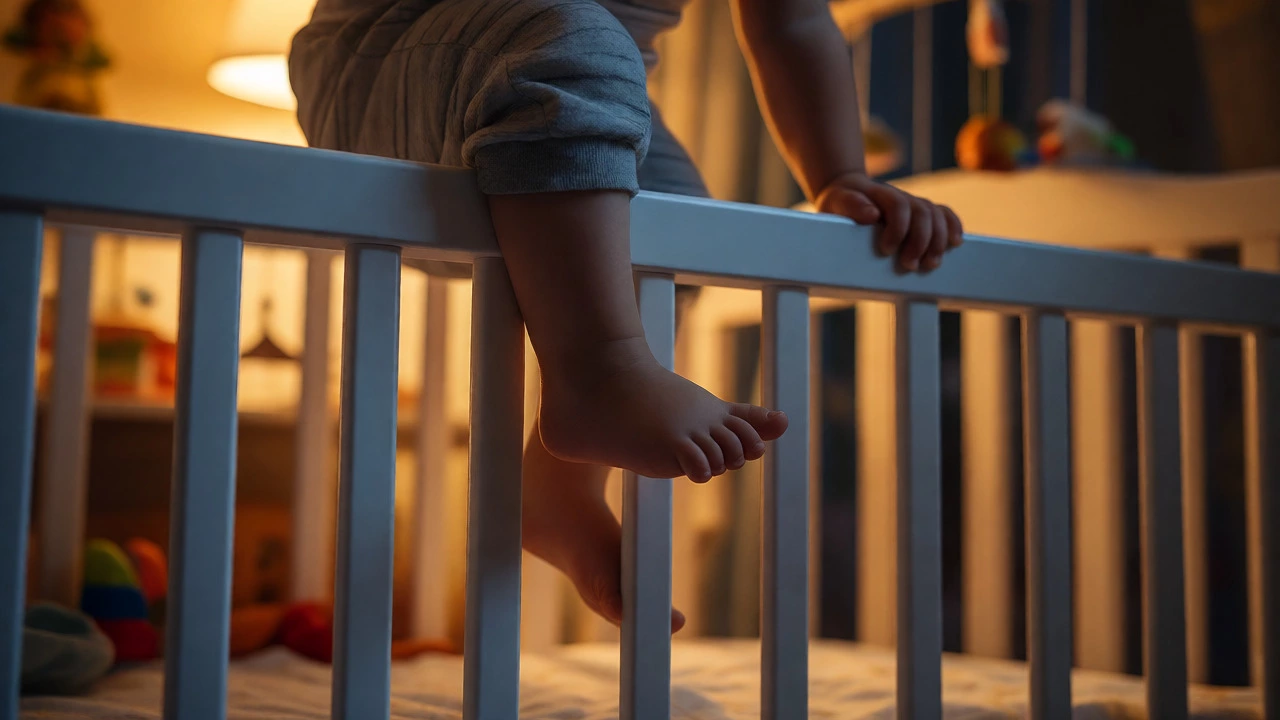
- Climbing Ability: If your toddler can lift a leg over the side rail and drop to the floor, the crib has failed its primary job. This often happens around age 2, but active kids might do it as early as 18 months. Waiting until they hit the ground headfirst is a gamble most parents don’t want to take.
Ignoring these signs doesn’t just mean a broken toy. Falls from cribs can result in concussions or broken arms. If your child is consistently attempting escape, the crib is now a cage they know how to break out of, not a safe haven.
Developmental Readiness vs. Age
People love rules like "move them at age 2," but development doesn’t follow a calendar. Some 2-year-olds are still physically too small to climb out and emotionally clingy enough to need the enclosed feeling of a crib. Others are 18-month-old Houdinis who need out immediately.
You should consider the move if you notice these behavioral cues:
- Potty Training Progress: If your child is night-trained or close to it, they need to be able to get to the bathroom independently. Being trapped in a crib when you have to pee is a recipe for accidents and frustration.
- Verbal Requests: If your toddler points at the bed and says "big boy bed" or asks to get out repeatedly, they are signaling readiness. Resistance to being put back in the crib is a strong indicator that the current setup is causing stress.
- Sleep Regressions: Sometimes, staying in a crib causes more wake-ups than leaving it. If your child stands up in the crib screaming because they want to play, rather than settling down, the confinement might be the issue.
However, don’t rush based solely on age. If your child is under 24 months and hasn’t shown climbing skills, keeping them in the crib is perfectly fine. The American Academy of Pediatrics (AAP) recommends room-sharing for at least the first six months, but doesn’t mandate a specific age for leaving the crib, emphasizing instead that the sleep environment must remain safe.
The New Sibling Factor
A huge reason parents ask "how long" is because a new baby is arriving. You bought the crib, and now you need it for the newborn. But here is a common mistake: forcing an older toddler out of the crib simply to free up space.
If you move your toddler out too soon-say, right before the birth-they may feel displaced. Toddlers understand less about logic and more about emotional security. Suddenly losing their special bed can trigger regression, tantrums, or jealousy toward the new sibling.
| Scenario | Recommended Timing | Why? |
|---|---|---|
| New Baby Due in 3+ Months | Move Now | Gives the toddler time to adjust to the new bed before the baby arrives. Reduces association of "baby took my stuff." |
| New Baby Due in < 1 Month | Wait Until Post-Birth | Moving during the chaotic newborn phase adds stress. Let the baby use a bassinet or pack 'n play temporarily. |
| Toddler Already Climbing | Move Immediately | Safety overrides scheduling. Use a portable crib or playpen for the newborn if needed. |
If possible, try to make the transition at least three months before the due date. This way, the toddler owns their "big kid bed" status before the baby enters the picture. If that’s not feasible, don’t panic. Many families successfully navigate this by giving the toddler extra one-on-one time and framing the move as a promotion, not a demotion.
Choosing the Right Sleep Surface
Once you decide to move, you have options beyond just buying a twin bed. The type of bed matters for safety and independence.
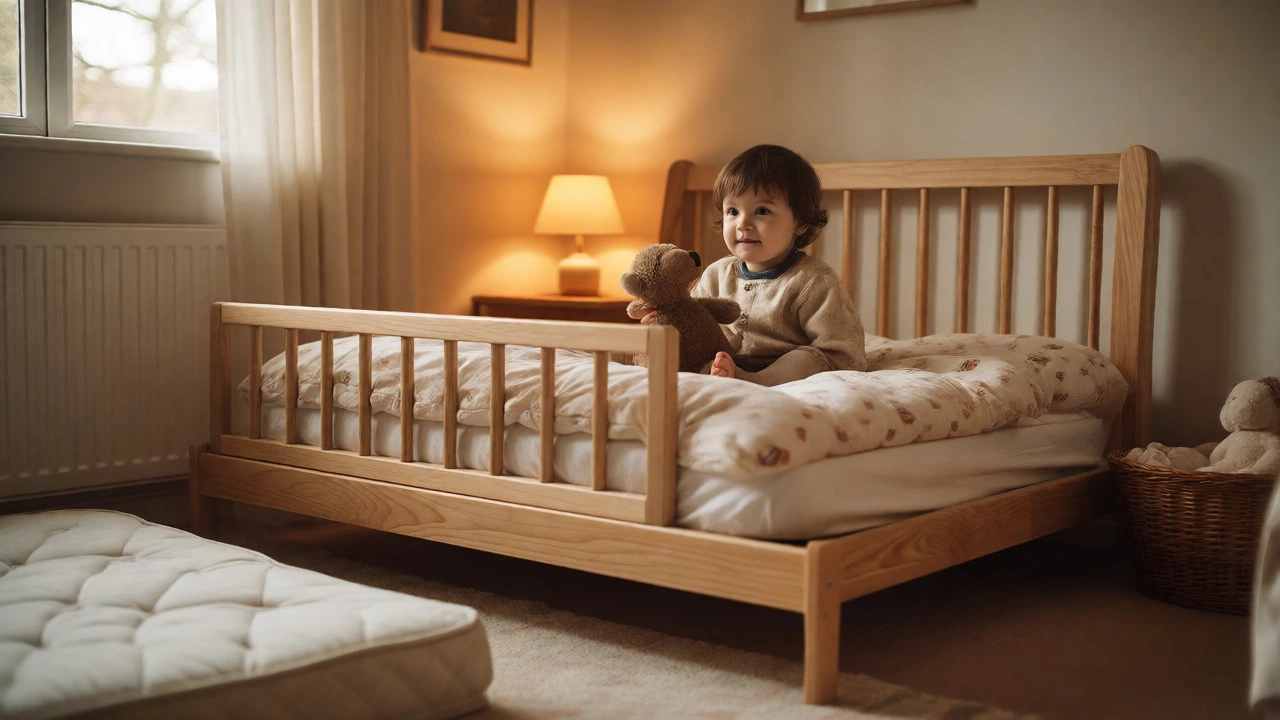
Toddler Beds are low-to-the-ground frames specifically designed for this transition. They usually come with a guardrail and fit a standard crib mattress. This is great because you don’t have to buy a new mattress, and the low height means a fall results in a thud, not a trip to the ER.
Alternatively, many parents opt for a Platform Bed or even placing a mattress directly on the floor. Floor beds, popularized by Montessori methods, allow complete freedom of movement. The risk here is that your child might roam the house at night, so you’ll need to childproof the entire room thoroughly.
Avoid jumping straight to a high twin bed with no rails unless your child is closer to age 3 or 4. The drop from a standard bed frame can be significant for a small body.
How to Make the Switch Stick
Buying the bed is easy. Keeping the toddler in it is the challenge. Here is a strategy that works for most families:
- Involve Them: Let your child help pick out bedding or a stuffed animal for the new bed. Ownership reduces resistance.
- Keep the Routine: Do not change your bedtime routine drastically. Same bath, same story, same song. Only the sleeping location changes. Consistency provides comfort.
- The "Stay Put" Game: During the day, practice getting into bed and staying there quietly for five minutes. Praise them heavily for succeeding.
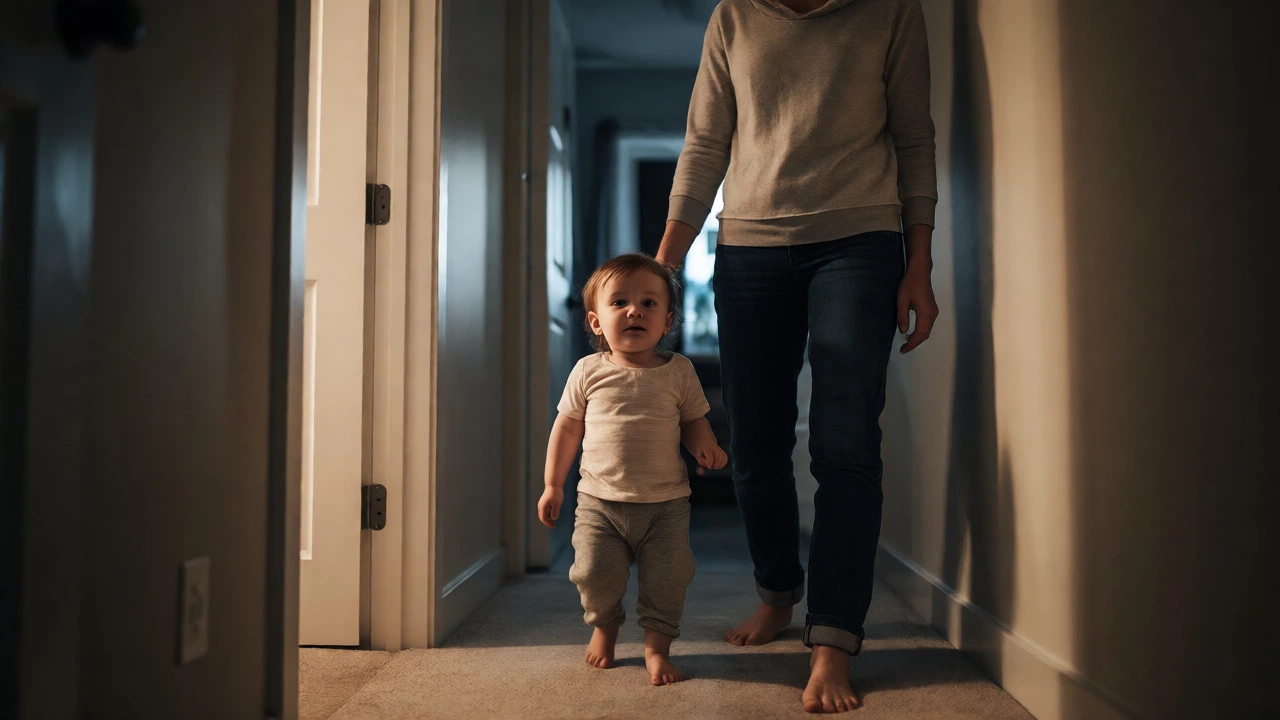
- Handle Night Waking Calmly: When they pop out, walk them back silently. No talking, no eye contact, no negotiation. Repeat as necessary. This teaches them that night is boring and sleep is the only option.
Expect a few rough nights. It’s normal for toddlers to test boundaries. If you give in and let them sleep in your bed after one cry, you teach them that crying works. Be patient but firm.
Signs You Moved Too Early
Did you move them and now regret it? Look for these red flags:
- Increased Anxiety: Your child cries excessively at bedtime or seems fearful of the open space.
- Wandering: They are up multiple times an hour, playing with toys or wandering into other rooms.
- Sleep Deprivation: Both you and the child are exhausted, leading to behavioral issues during the day.
If these persist for more than two weeks, it’s okay to go backward. You can convert the bed back to a crib configuration (if it’s a convertible model) or add a tent-like cover over the bed to recreate the enclosed feeling. There is no shame in waiting a few more months.
What is the average age to move from crib to toddler bed?
The average age ranges between 18 months and 3 years. Most children make the switch around age 2, often triggered by potty training or the arrival of a new sibling. However, physical size and climbing ability are better indicators than age alone.
Is it dangerous to leave a toddler in a crib if they don't climb out?
Generally, no. If the child is under 35 inches tall and cannot climb out, the crib remains a safe sleep environment. Some parents keep children in cribs until age 3 or 4 if space allows, especially if the child prefers the enclosure.
Should I buy a toddler bed or a regular twin bed?
A toddler bed is safer initially because it is lower to the ground and uses the existing crib mattress. A twin bed is a better long-term investment if your child is closer to age 3 or 4, as it will last through childhood. For younger toddlers, the low profile of a toddler bed prevents injury from falls.
How do I stop my toddler from getting out of bed at night?
Consistency is key. Walk them back to bed immediately and calmly, with minimal interaction. Use a "sleep clock" that turns green when it's okay to get up. Ensure the room is dark and cool. If they continue to wander, consider using a baby gate at the door to keep them in the room safely.
Can I reuse the crib mattress for the toddler bed?
Yes, most toddler beds are designed to fit standard crib mattresses exactly. This saves money and ensures familiarity for the child. Just check the dimensions of your new bed frame to ensure compatibility.