When a newborn can’t be fed breast milk, the question isn’t just what to give them-it’s what’s safe. Many parents hear rumors about cow’s milk, goat’s milk, plant-based drinks, or even homemade blends. But for babies under 12 months, not all liquids are created equal. The truth is simple: there’s only one medically approved substitute for breast milk, and everything else carries serious risks.
Why Breast Milk Is the Gold Standard
Breast milk isn’t just food-it’s a living, changing substance tailored to your baby’s needs. It contains antibodies, enzymes, and nutrients that no formula can fully replicate. The American Academy of Pediatrics (AAP) recommends exclusive breastfeeding for the first six months, with continued feeding alongside solid foods until at least 12 months. But when breastfeeding isn’t possible, the next best option isn’t a guess-it’s a science-backed formula.
The Only Approved Substitute: Infant Formula
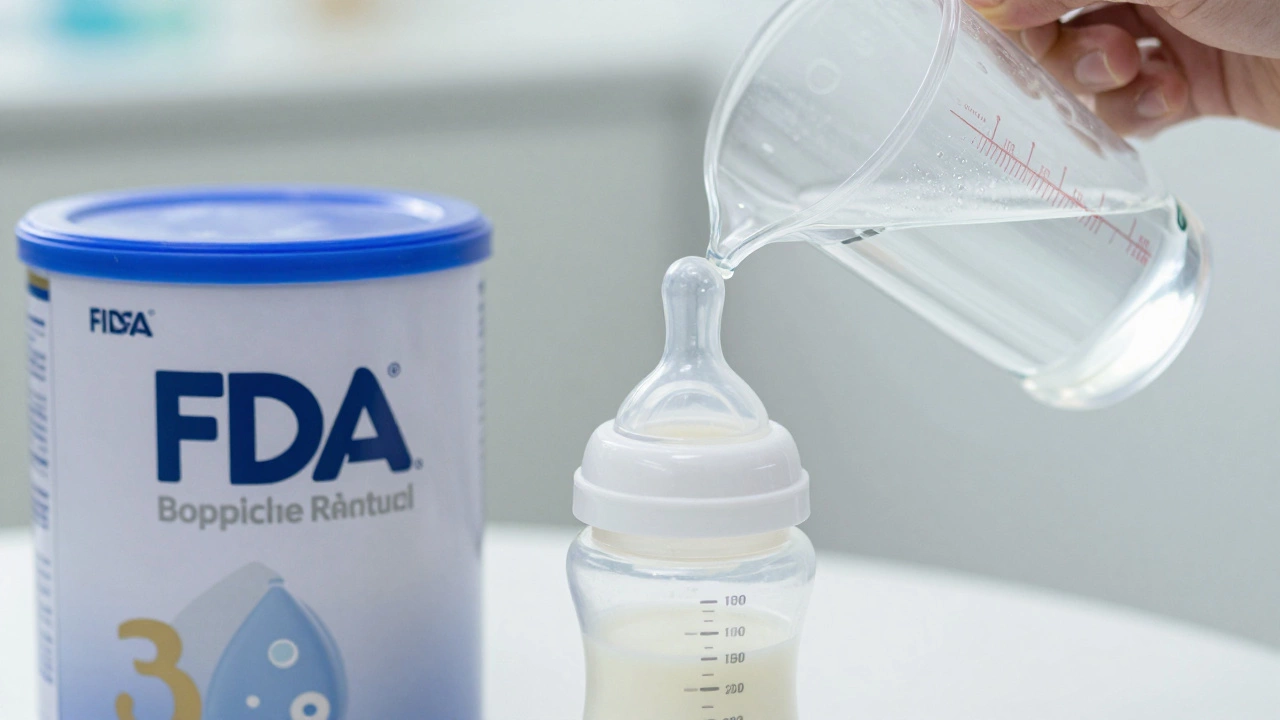
Infant formula is the only milk substitute legally approved and regulated for newborns in the U.S. and most developed countries. It’s not just milk with added vitamins. It’s a carefully engineered product designed to match the protein, fat, sugar, and mineral profile of human milk as closely as possible. Every major brand must meet strict FDA standards for nutrient levels, contamination limits, and manufacturing safety.
There are three main types:
- Cow’s milk-based formula - The most common. Modified to be easier to digest than regular cow’s milk. Suitable for 90% of babies.
- Hydrolyzed formula - Proteins are broken down into smaller pieces. Used for babies with cow’s milk protein allergies or severe reflux.
- Soy-based formula - Made from soy protein. Used for babies with galactosemia, lactose intolerance, or for families avoiding animal products. Not recommended for preemies or those with soy allergies.
These formulas are fortified with iron, DHA, ARA, choline, and other nutrients critical for brain and eye development. Regular cow’s milk, goat’s milk, or plant milks lack these in the right amounts-and contain too much sodium, protein, or phosphorus, which can damage a newborn’s kidneys.
Why Other Milks Are Dangerous
Let’s clear up some myths.
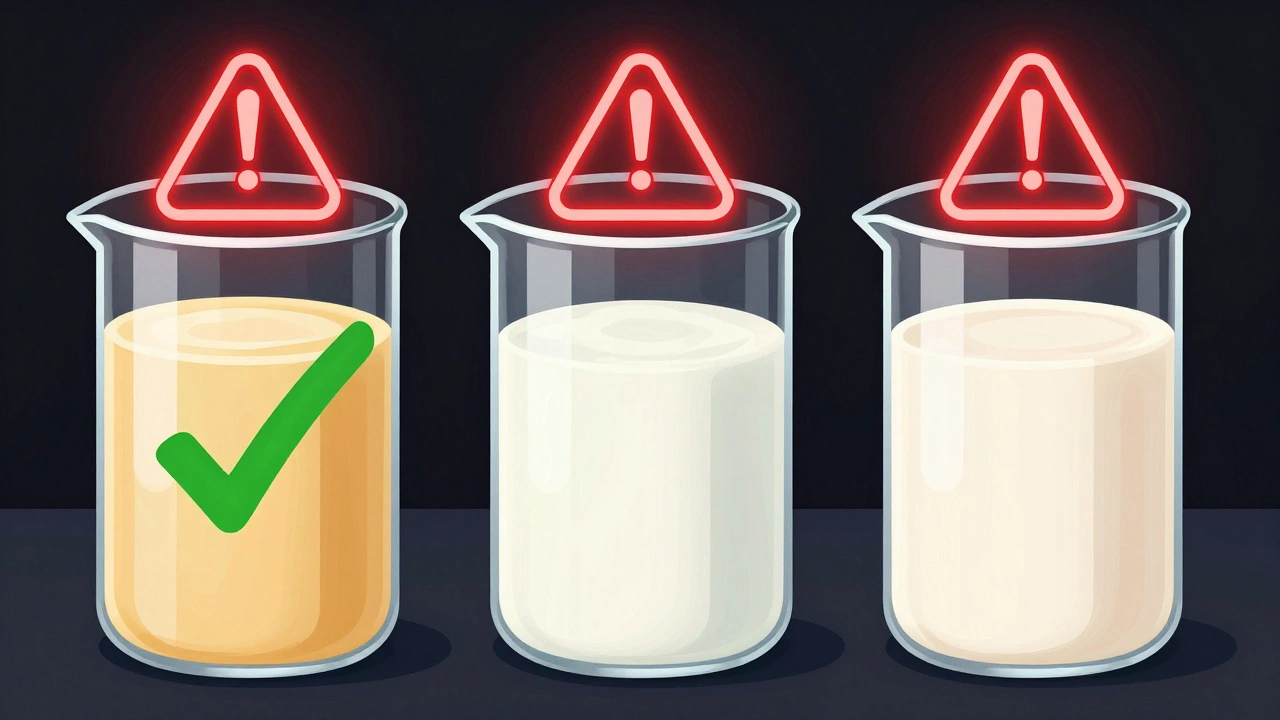
Cow’s milk - It’s not just “too thick.” It has three times the protein and six times the sodium of human milk. A newborn’s immature kidneys can’t process it. Feeding cow’s milk before age one increases the risk of intestinal bleeding, iron-deficiency anemia, and dehydration. The AAP says it’s unsafe before 12 months.
Goat’s milk - Often marketed as “natural” or “gentler.” But raw or unfortified goat’s milk lacks folic acid, vitamin B12, and iron. Even pasteurized versions can cause severe nutrient deficiencies. The FDA has issued warnings against using goat’s milk as a breast milk substitute.
Almond, oat, rice, or coconut milk - These are not infant formulas. They’re drinks. Most have less than 1 gram of protein per serving, almost no fat, and no iron. Feeding these to a newborn can cause protein-calorie malnutrition, scurvy, or neurological damage. A 2023 study in Pediatrics found that infants fed plant milks instead of formula had significantly lower weight gain and higher rates of vitamin D and B12 deficiency.
Homemade formulas - Online recipes using evaporated milk, sugar, and supplements are extremely dangerous. In 2022, the CDC reported two infant deaths linked to homemade formulas. These lack sterile conditions, proper nutrient balance, and contamination controls.
What About Organic or Premium Formulas?
Organic formulas must still meet the same FDA standards as conventional ones. The main difference is how the milk is sourced (no synthetic pesticides, no growth hormones). But nutritionally, they’re nearly identical. A 2025 analysis by Consumer Reports found no measurable difference in growth outcomes between organic and non-organic formulas when used correctly.
“Premium” formulas with added probiotics, prebiotics, or DHA aren’t necessarily better. The AAP states that while these ingredients may offer marginal benefits, they’re not essential. The base formula-whether organic, budget, or name-brand-is what matters most.
What to Do If You Can’t Find Formula
Formula shortages happen. In 2022, a major recall caused nationwide shortages. What did parents do? Some turned to unsafe alternatives. That’s why it’s critical to know your options.
If you’re out of formula:
- Call your pediatrician. They may have samples or a list of local suppliers.
- Check with local WIC offices or food banks. Many carry formula.
- Use a different brand. All FDA-approved formulas are interchangeable unless your baby has a specific allergy.
- Do not dilute formula. Adding extra water to stretch it out causes water intoxication and seizures.
- Never use expired formula. Nutrient levels degrade over time.
There’s no substitute for professional advice. If you’re struggling to access formula, your pediatrician can help you navigate options safely.

When Can You Switch to Regular Milk?
After age one, whole cow’s milk becomes safe. But even then, it shouldn’t replace all other foods. Toddlers still need iron-rich foods, fruits, vegetables, and healthy fats. The AAP recommends limiting milk to 16-24 ounces per day after age one to avoid iron deficiency.
Plant milks can be introduced after age one if they’re fortified with calcium and vitamin D. But they should never be the main drink until age two, and even then, only if your child is eating a balanced diet.
Final Rule: Stick to Formula Until 12 Months
There’s no shortcut. No “natural” alternative. No homemade fix. For newborns, infant formula is the only safe, reliable substitute for breast milk. Everything else is a gamble with your baby’s health.
If you’re unsure, ask your pediatrician. If you’re overwhelmed, reach out to a lactation consultant or a WIC counselor. You’re not alone-and there are safe, supported paths forward.