Find Your Child's Perfect First Book
Answer these three questions to discover which timeless classic best fits your child's unique personality and developmental stage.
Your Recommended Match
Key Strengths
Other Great Alternatives
There is a specific moment every parent knows well: your child grabs a worn-out copy of a familiar story, ignores their new toys, and asks to hear it again for the hundredth time. It feels like a rite of passage. But which book actually holds that top spot in the history of children's books? While sales charts fluctuate with new releases, one title has maintained its throne as the most recognized and widely read picture book for over seven decades.
The Undisputed Champion: The Cat in the Hat
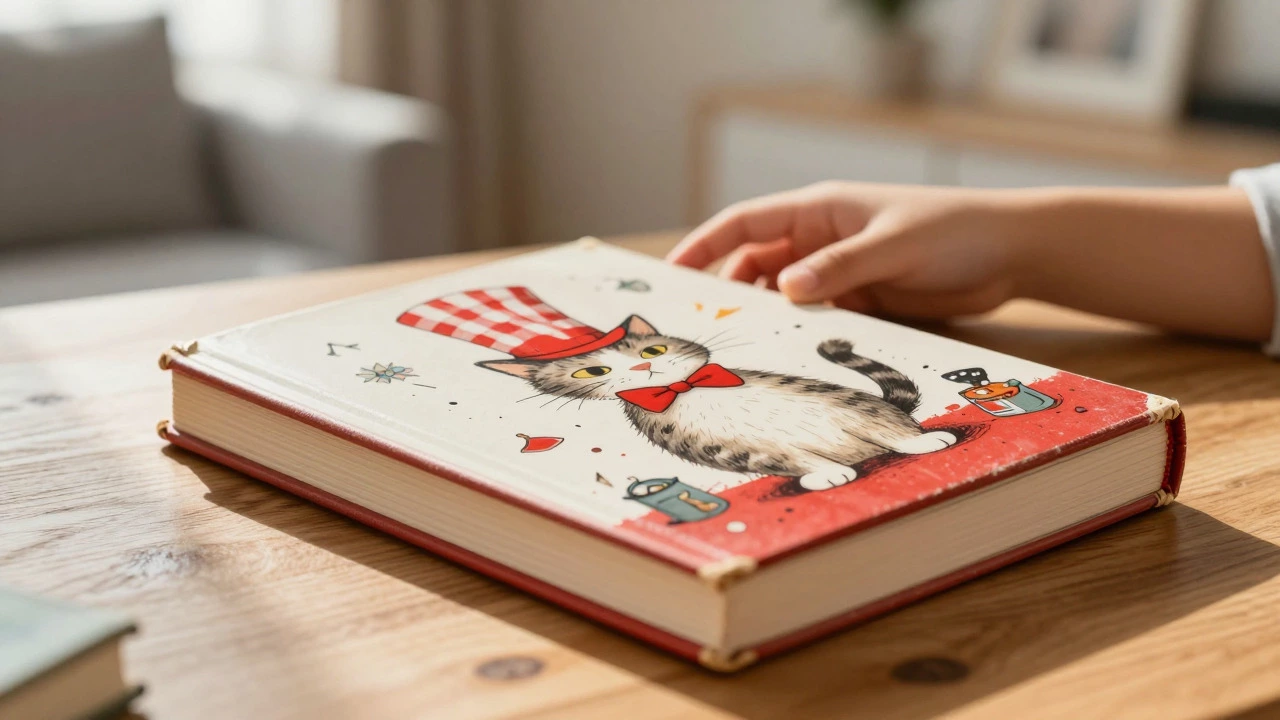
If you ask librarians, teachers, and parents across the globe what the single most influential and read children's book is, the answer is almost universally The Cat in the Hat, written by Theodor Seuss Geisel, better known as Dr. Seuss. Published in 1957, this red-and-white striped character became the gateway drug to reading for millions of children who were struggling with traditional texts.
Why does this specific book hold such power? It wasn't just funny; it was engineered. Dr. Seuss wrote it using only 236 unique words. This constraint allowed early readers to decode sentences quickly, building confidence before they felt overwhelmed by complex vocabulary. For parents today, this means you aren't just buying a cute story; you are acquiring a proven tool for literacy development. The book’s rhythmic meter makes it easy for adults to perform, even when they are exhausted at bedtime, ensuring the experience remains engaging rather than a chore.
Understanding the Metrics of "Most Read"
Determining the "number one" book can be tricky because different metrics tell different stories. Sales volume, library circulation rates, and cultural recognition all paint slightly different pictures. However, when we look at cumulative global copies sold since publication, The Cat in the Hat sits comfortably near the top, often cited alongside other literary giants like Alice's Adventures in Wonderland or Harry Potter. But in the specific context of *picture books* designed for ages 3-8, it dominates.
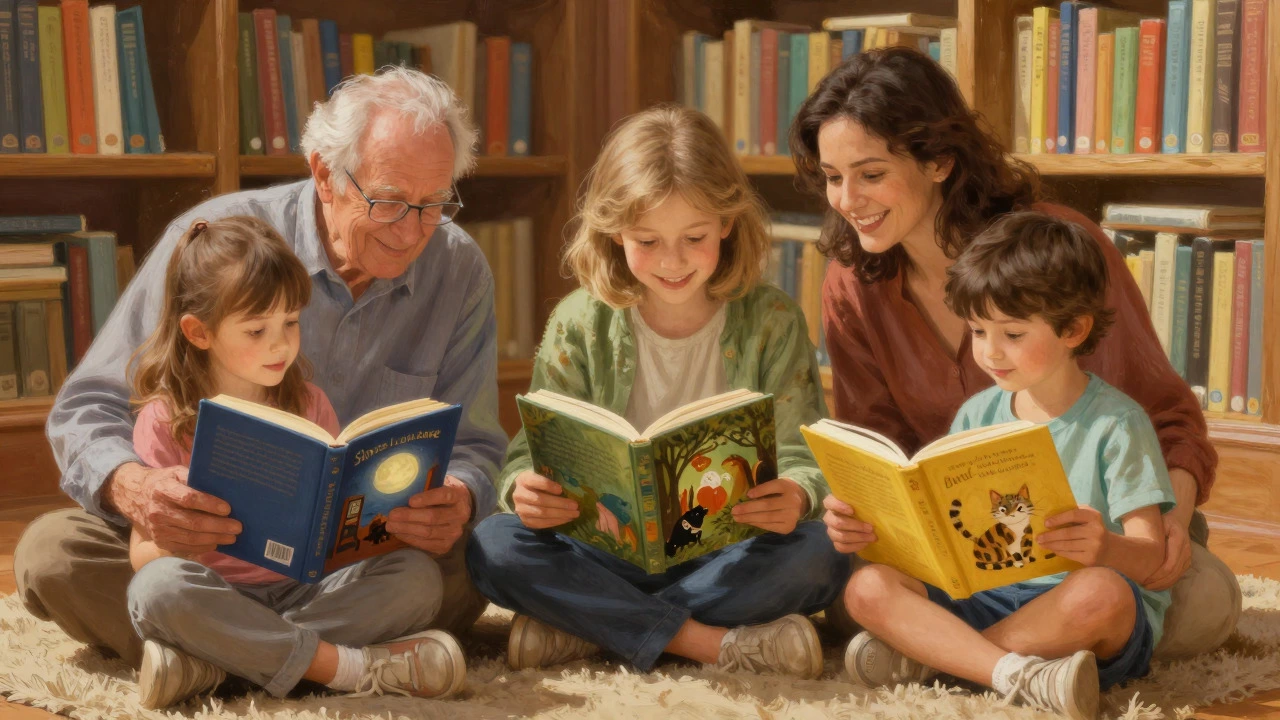
Library data supports this dominance. In major public library systems in the United States and the United Kingdom, titles by Dr. Seuss consistently appear in the top ten most checked-out items year after year. This isn't just a nostalgic preference; it reflects a functional utility. Parents keep these books on hand because they know they will work. They provide a shared language between generations, where grandparents, parents, and children can all reference the same absurd scenarios without needing an explanation.
Why It Beats Modern Bestsellers
You might wonder why a book from the mid-20th century still outperforms flashy, digitally enhanced modern titles. The answer lies in simplicity and adaptability. Modern children's books often rely on specific trends, slang, or technology that ages poorly. The Cat in the Hat relies on universal human experiences: boredom, chaos, cleaning up messes, and the relief of order restored. These themes don't expire.
Furthermore, the visual style of Dr. Seuss is iconic enough to stand alone. Even if a child hasn't heard the words before, the illustrations communicate the narrative arc. This visual literacy is a crucial skill. When you introduce a child to a book where the art tells half the story, you are training them to process visual information alongside text, a skill that translates directly into academic success later on.
| Title | Author | Year Published | Primary Audience | Key Strength |
|---|---|---|---|---|
| The Cat in the Hat | Dr. Seuss | 1957 | Early Readers (Ages 4-8) | Simple vocabulary, high engagement |
| Goodnight Moon | Margaret Wise Brown | 1947 | Toddlers (Ages 1-4) | Soothing rhythm, sleep routine |
| Where the Wild Things Are | Maurice Sendak | 1963 | Young Children (Ages 3-7) | Emotional exploration, imagination |
| Green Eggs and Ham | Dr. Seuss | 1960 | Early Readers (Ages 4-8) | Repetition, persistence theme |
Other Heavyweights in the Reading Room
While The Cat in the Hat takes the crown for general popularity among early readers, other books have carved out massive niches that make them indispensable. Goodnight Moon by Margaret Wise Brown is arguably the most read bedtime book in history. Its repetitive structure and calming imagery make it a staple for sleep routines. If your goal is specifically winding down a toddler, this book often outperforms more energetic titles.
Then there is Where the Wild Things Are by Maurice Sendak. This book is less about decoding words and more about emotional regulation. It allows children to project their own wildness onto Max, the protagonist. Many parents find that while The Cat in the Hat gets read during the day for fun, Where the Wild Things Are is pulled out when a child needs to process big emotions. Both serve critical functions, but their usage patterns differ significantly.
How to Choose the Right First Book
Knowing the statistics is helpful, but choosing the right book for your specific child requires observation. Not every child connects with humor immediately. Some prefer quiet, descriptive texts. Others need high-energy interaction. Here is how to match the book to the child:
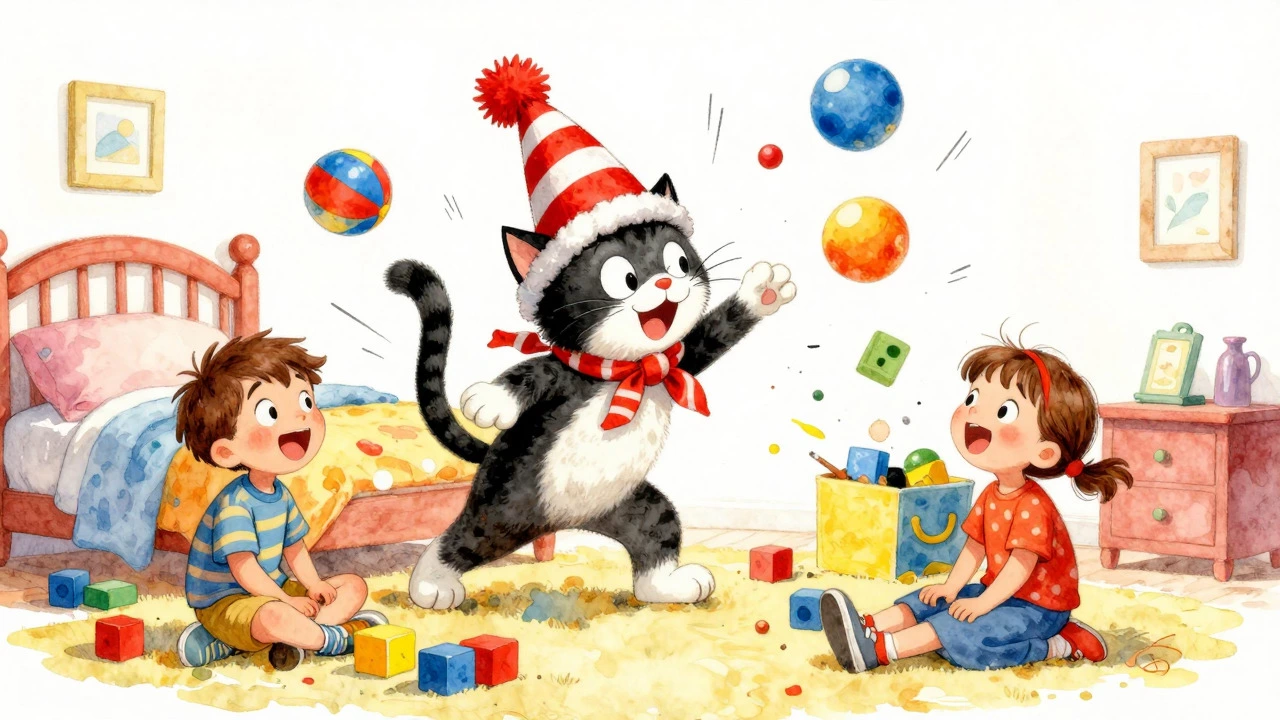
- For the Active Child: Choose books with short, punchy sentences and lots of physical action. The Cat in the Hat fits here perfectly because the cat is constantly moving, knocking things over, and creating chaos.
- For the Quiet Observer: Opt for books with rich descriptions and slower pacing. Goodnight Moon or The Snowy Day by Ezra Jack Keats work well here. These books allow the child to linger on images and details.
- For the Emotional Explorer: Look for stories that name feelings explicitly. My Big Feelings series or When Sophie Gets Angry help children identify and label their emotions, which is a key developmental milestone.
Don't force a book just because it's famous. If your child resists The Cat in the Hat, try Green Eggs and Ham. The repetition in Green Eggs and Ham appeals to children who crave predictability, whereas the chaotic energy of the Cat appeals to those who seek novelty. Both are by Dr. Seuss, both are classics, but they hit different psychological notes.
The Role of Re-Reading in Development
One of the most surprising aspects of children's literature is the value of re-reading. Adults often want to move on to the next new release, but for children, repetition is the mechanism of learning. When a child asks for the same book for the fifth time, they are not being boring; they are consolidating memory. They are recognizing word shapes, predicting endings, and feeling a sense of control over the narrative.
This is why the most read books are also the most durable. They withstand hundreds of page turns. They get lost, found, and loved again. If you are building a home library, investing in sturdy board books or hardcovers of these timeless titles is a smart move. You aren't just buying paper and ink; you are buying a consistent companion for your child's cognitive development.
Frequently Asked Questions
Is The Cat in the Hat really the best first reader?
For many children, yes. Its limited vocabulary makes it accessible for emerging readers. However, some children may prefer simpler texts like Bob by Bill Martin Jr. initially. Start with The Cat in the Hat if your child shows interest in longer narratives, but gauge their frustration level. If they struggle, step back to simpler books before moving forward.
Which Dr. Seuss book should I buy first?
If you want the most versatile option, start with The Cat in the Hat. It works for reading aloud to younger siblings and independent reading for older ones. If your child is very young (under 3), Oh, the Places You'll Go! is too abstract, so stick to picture-heavy titles like Hop on Pop or Fox in Socks for phonics practice.
Are old books still relevant for modern children?
Absolutely. Classic books like The Cat in the Hat deal with universal themes like curiosity and mischief. They do not rely on outdated technology or slang. In fact, many parents find that these books offer a break from the fast-paced digital media that dominates modern childhood, providing a slower, more focused connection.
How many times should I read a book before my child gets bored?
There is no limit. Some children will request the same book daily for months. This is normal and beneficial. Boredom usually sets in when the child has fully memorized the text and wants the challenge of a new story. Until then, embrace the repetition. It builds confidence and neural pathways associated with language processing.
Does the edition of the book matter?
Yes, especially for durability. Board books are essential for toddlers under age 2 who chew on pages. Hardcovers are better for preschoolers who handle books gently. Paperback versions are great for travel or school bags because they are lighter. If you are buying for long-term use, invest in a hardcover or a high-quality board version to ensure it lasts through multiple siblings.