Newborn Home Readiness Checklist
Check off the items you have purchased or prepared. This tool tracks your progress based on the article's recommendations.
You are fully prepared!
Congratulations! You have checked off all the non-negotiable essentials mentioned in the article. Remember to test smoke detectors and wash all clothes with fragrance-free detergent before the big day.
That moment when the doctor says "she's perfect" is magical. But then you walk out of the hospital, look at your car seat, and realize you have no idea if your house is actually ready. You might have spent months dreaming about pastel walls and matching curtains, but let’s be honest: a newborn doesn’t care about decor. They care about sleep, safety, and not being cold.
If you are feeling overwhelmed by the sheer volume of products marketed to new parents, you are not alone. The internet is flooded with gadgets that promise to make parenting easier, but most of them end up in the back of a closet within six months. So, what do you actually need? We are going to cut through the noise and focus on the absolute essentials that will keep your baby safe, comfortable, and happy during those chaotic first few weeks.
The Non-Negotiables: Sleep Safety First
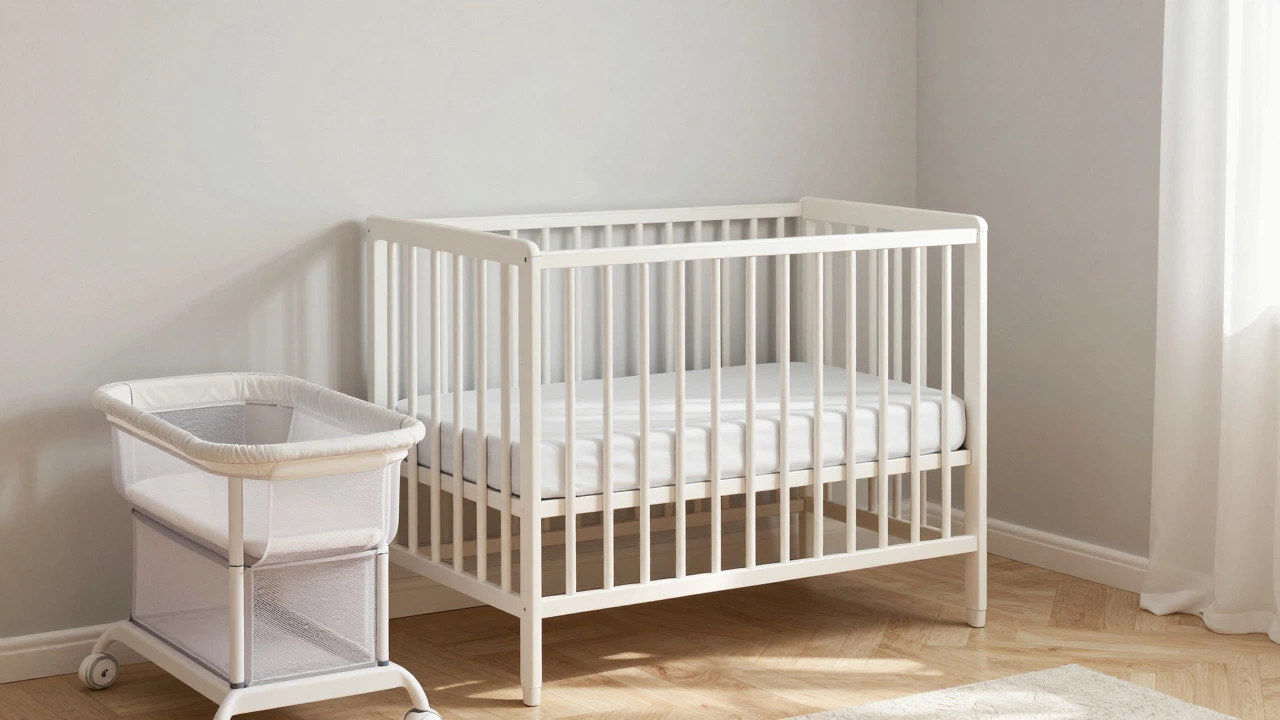
Sleep is the biggest hurdle for new parents. Your baby will spend roughly 16 to 18 hours a day sleeping, so their sleep environment needs to be secure above all else. The single most important piece of nursery furniture is a safe place for your baby to sleep.
You need a firm, flat surface. This can be a crib, a bassinet, or a playard. The key here is simplicity. According to guidelines from the American Academy of Pediatrics (AAP), the safest sleep space is empty. No bumpers, no loose blankets, no stuffed animals, and no pillows. Just a fitted sheet on a firm mattress. If you buy a used crib, check it against the Consumer Product Safety Commission’s recall list. Many older cribs have slat spacing issues or drop-side mechanisms that have been banned for good reason. A modern, JPMA-certified crib is your best bet for peace of mind.
- Crib: Choose one with adjustable height sides so you can lower the mattress as your baby grows and starts to pull themselves up.
- Bassinet: Great for the first three months, especially if you plan to keep the baby in your room for easy night feeds. Look for breathable mesh sides.
- Fitted Sheets: Get two or three. Accidents happen, and spit-up is constant. You don’t want to be hunting for a clean sheet at 3 AM.
Safe Travel: The Car Seat
You literally cannot leave the hospital without this. A rear-facing infant car seat is not optional; it is the law in almost every jurisdiction. This is arguably the most critical purchase on your list because it is responsible for your child’s life in the event of an accident.
Don’t just buy any seat. Buy one that fits your car and your baby. Some seats are bulky and awkward to install in compact cars like a Mini Cooper or a Honda Civic. Visit a local fire station or police department for a free car seat inspection after installation. They will check the angle and tightness. Most infant seats are rated for babies weighing between 4 and 35 pounds, which covers the first year or more. Make sure the harness clips are easy to reach and adjust, even when your hands are shaking from lack of sleep.
Feeding Essentials: Keep It Simple
Whether you are breastfeeding, formula feeding, or doing both, you need a dedicated space and the right tools. You don’t need a fancy high-tech bottle warmer that takes ten minutes to heat water. You need efficiency.
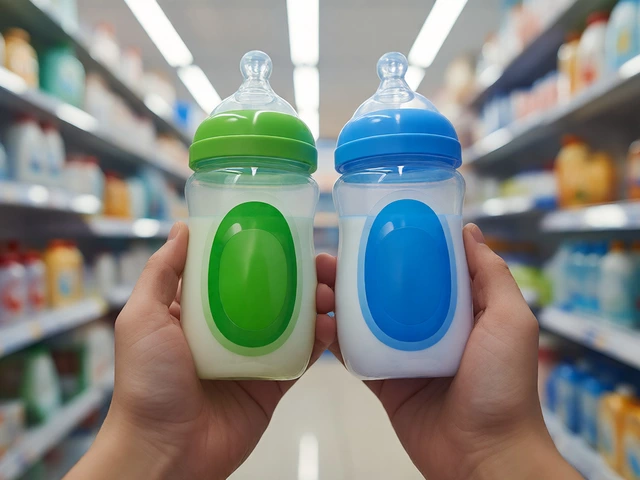
If you are formula feeding, invest in a sterilizer or a simple dishwasher-safe set of bottles. Glass bottles are durable and easy to clean, but they break. Plastic is lightweight but can scratch over time, harboring bacteria. Polypropylene (PP) or polyethersulfone (PES) are BPA-free options that strike a good balance. For breastfeeding moms, a high-quality breast pump is essential if you plan to return to work or simply want to share feeding duties. Check with your insurance provider first, as many plans cover a basic model. Also, grab some nursing pads and lanolin cream; these small items save a lot of discomfort.
| Item | Why You Need It | Pro Tip |
|---|---|---|
| Bottles (Glass/Plastic) | For formula or expressed milk | Buy a variety pack first to see which nipple flow your baby prefers. |
| Bottle Brush Set | Thorough cleaning prevents colic and infections | Get one with a long handle for narrow-neck bottles. |
| Burp Cloths | Catch spit-up during and after feeds | Buy at least 10. You will lose them constantly. |
| High Chair | Start solids around 6 months | Wait until baby can sit up unassisted before introducing this. |
Diapering Station: Hygiene and Organization
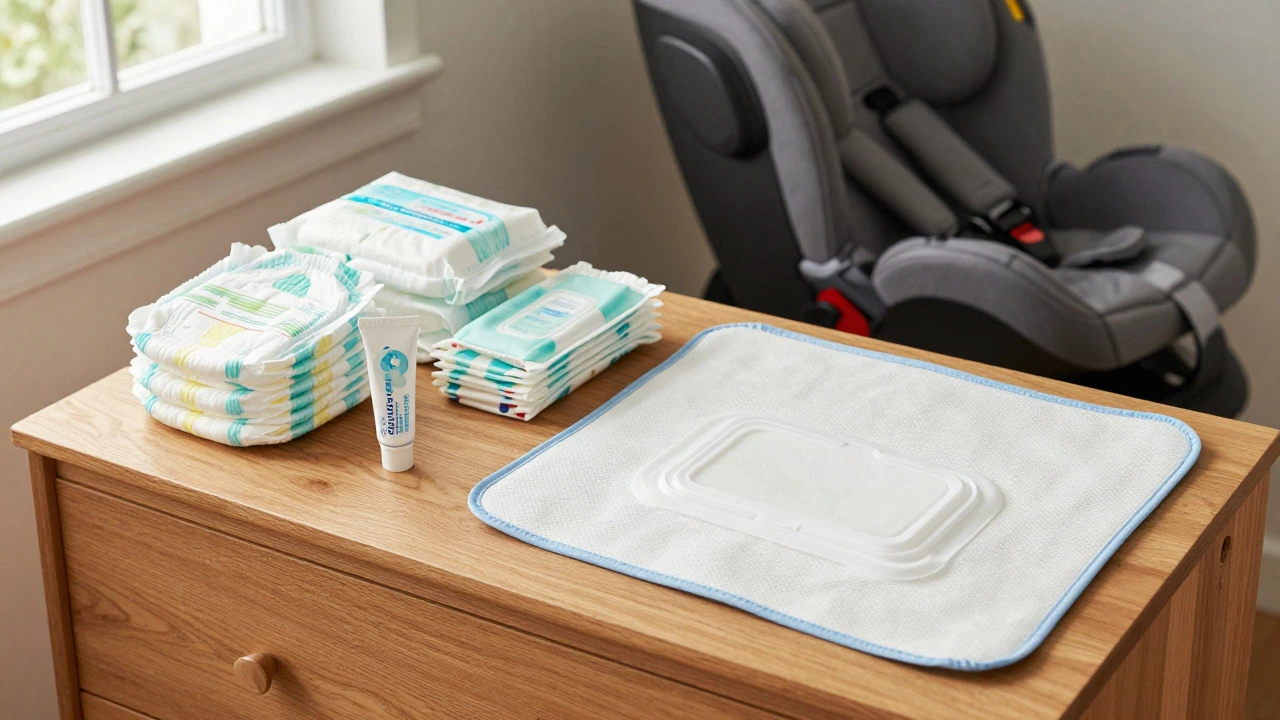
Changing a diaper involves a lot of small items: wipes, cream, powder, and fresh diapers. If you scatter these across the house, you will run out of energy quickly. Create a centralized diapering station. This could be a changing table, a dresser with a changing pad on top, or even a sturdy ottoman in the living room where you spend most of your time.
The surface must be stable. Never leave your baby unattended, not even for a second. A changing pad with raised edges helps prevent rolling, but your hand should always be on the baby. Stock up on disposable diapers or cloth diapers depending on your preference. Disposables are convenient for travel and overnight use, while cloths are eco-friendly and cost-effective in the long run. Don’t forget diaper rash cream, wet bags for dirty clothes, and trash bins with lids to contain odors.
Bathing and Grooming
Newborns don’t need daily baths; two to three times a week is sufficient to avoid drying out their skin. However, you need a safe place to bathe them. A standard adult bathtub is too big and slippery. A newborn bath tub or a sink insert provides support and keeps you from straining your back.
Keep the room warm before undressing the baby. Have everything within arm’s reach: mild, fragrance-free baby soap, a soft washcloth, a hooded towel, and clean clothes. After the bath, trim their nails immediately while they are soft, using rounded-tip clippers. It sounds scary, but it is much easier than trying to clip dry, sharp nails later. A soft-bristled hairbrush and a nasal aspirator (like a NoseFrida) are also lifesavers for clearing congestion.
Comfort and Soothing Items
Your baby has been in a warm, dark, noisy womb for nine months. The outside world is bright, cold, and loud. To help them transition, you need items that mimic the womb. White noise machines are incredibly effective. They mask household noises like barking dogs or slamming doors that might startle your baby. Place the machine near the crib, but not too close to their ears.
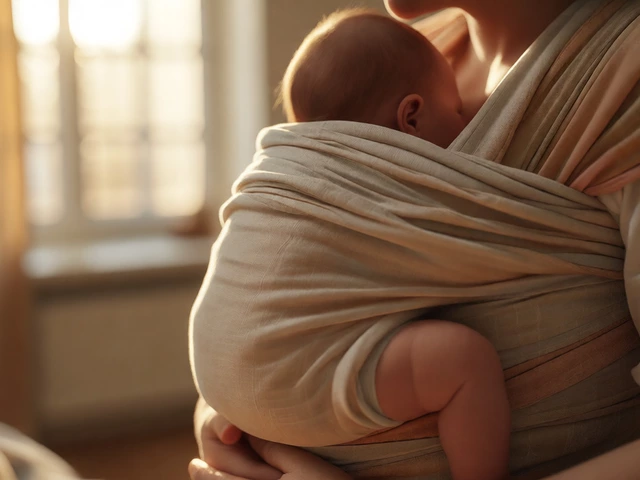
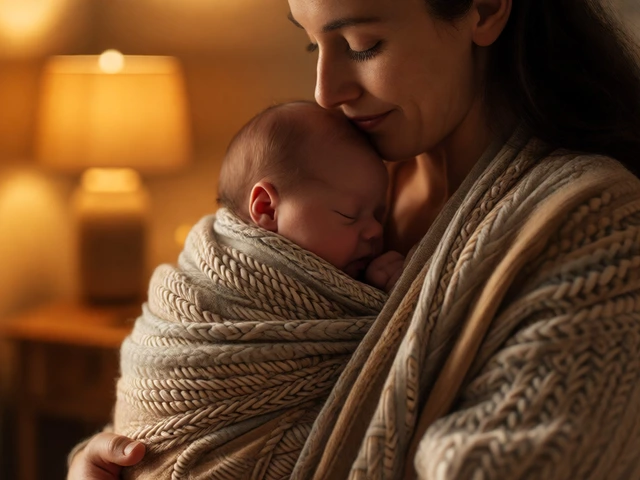
A swaddle blanket or wearable sleep sack helps prevent the startle reflex from waking them up. Swaddling should be done snugly but allow room for hip movement. Once your baby shows signs of rolling over, usually around two to four months, stop swaddling immediately to reduce the risk of suffocation. A baby carrier or wrap allows you to get things done while keeping your baby close. Skin-to-skin contact regulates their heart rate and temperature, and it gives you a pair of hands to load the laundry.
Health and Safety Basics
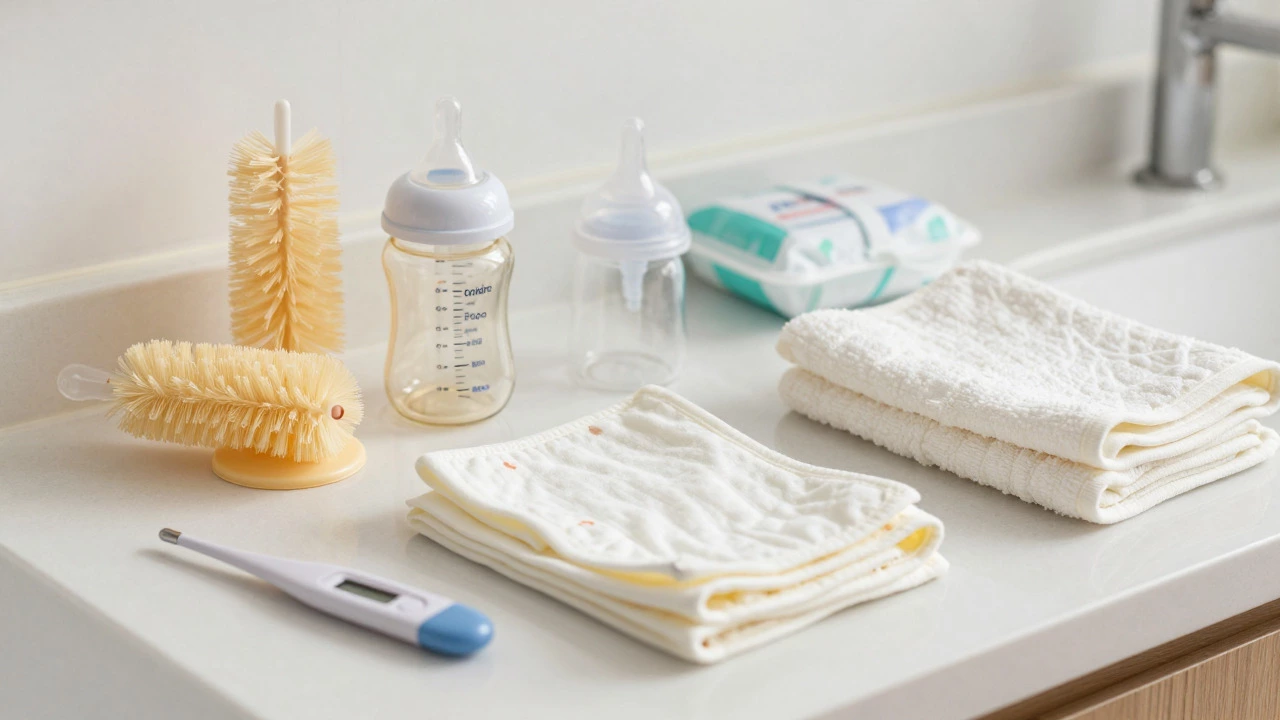
Before bringing your baby home, ensure your home is safe. Install smoke detectors and carbon monoxide detectors on every level of your home. Test them. Keep a digital thermometer handy; rectal thermometers are the most accurate for infants under three months. Avoid ear thermometers as they can be unreliable in newborns.
Stock a basic first aid kit with saline drops, a bulb syringe, and infant acetaminophen (but only use medication if advised by your pediatrician). Lower your thermostat slightly; babies overheat easily. Dress them in one more layer than you are wearing. Overdressing is a common mistake that leads to heat rash and discomfort.
What You Can Skip
To save money and clutter, skip these items for now:
- Rocking chairs: Unless you already have one, you can use a regular chair with good lumbar support. You can upgrade later.
- Expensive monitors: A standard audio monitor works fine. Video monitors are nice, but often have connectivity issues or false alarms.
- Newborn clothes: Babies grow fast. Buy mostly 0-3 month sizes. You might only wear newborn size for two weeks.
- Shoe sets: Babies don’t walk. Soft socks are enough to keep feet warm.
Final Preparation Steps
In the week before your due date, wash all baby clothes, sheets, and towels with a gentle, fragrance-free detergent. Set up the crib and test the car seat installation. Charge all batteries for monitors and pumps. Organize your diaper bag with essentials: diapers, wipes, a change of clothes, burp cloths, and snacks for yourself. Having a plan reduces anxiety and lets you focus on bonding with your new arrival.
Do I really need a bassinet if I have a crib?
A bassinet is not strictly necessary, but it is highly recommended for the first few months. It allows you to keep your baby closer to you in your bedroom, making night feeds easier and safer. You can move them to the crib in another room once they are older and you feel more confident.
How many outfits should I buy for a newborn?
You need about 7 to 10 onesies or bodysuits and 5 to 7 pairs of pants or sleepers. Newborns spit up frequently and may have diaper blowouts, so having extra changes of clothes is crucial. Stick to neutral colors and easy-to-clean fabrics like cotton.
Is a baby swing worth the money?
Swings can be helpful for soothing a fussy baby, but they are not essential. Many babies prefer being held or carried. If you buy one, ensure it reclines fully for newborns and always use the harness. Never leave a baby unattended in a swing.
When should I start using a stroller?
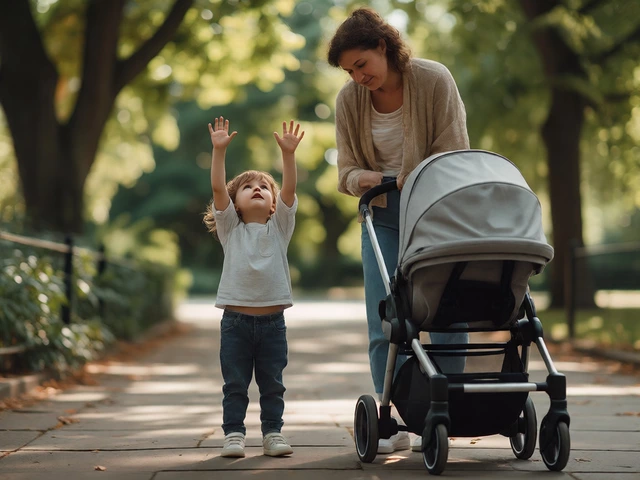
You can use a stroller from birth if it has a lie-flat bassinet mode or accepts your infant car seat. A stroller with a reversible seat is ideal, allowing your baby to face you or look outward. Ensure the stroller is sturdy and has good suspension for smooth rides.
What temperature should the nursery be?
The ideal nursery temperature is between 68°F and 72°F (20°C to 22°C). This range is comfortable for adults and safe for babies. Use a room thermometer to monitor the temperature. Avoid placing the crib near windows, heaters, or air conditioning vents to prevent drafts.