Booster Seat Safety Calculator for 4-Year-Olds
Determine if your child is ready to transition from a harness seat based on UK safety guidelines and physical development metrics.
It is tempting to save space in the back of your car. A bulky high-back car seat takes up room, and a slim backless booster looks like an easy fix for a growing child. You might think that because your four-year-old has outgrown their infant carrier, they are ready for the next step down: the backless booster. However, this move is often premature and potentially dangerous. In the United Kingdom, where road safety standards are strict, the answer to whether a four-year-old can use a backless booster is almost always no.
The Royal Society for the Prevention of Accidents (RoSPA) and other safety bodies strongly advise against using backless boosters for children under the age of four or those weighing less than 18kg (approximately 36lbs). For most four-year-olds, their bodies are not yet developed enough to handle the forces involved in a crash while sitting on a simple cushion. Let’s look at why keeping them in a forward-facing seat with a harness or a high-back booster is the safer choice.
The Physics of Why Backless Boosters Are Risky
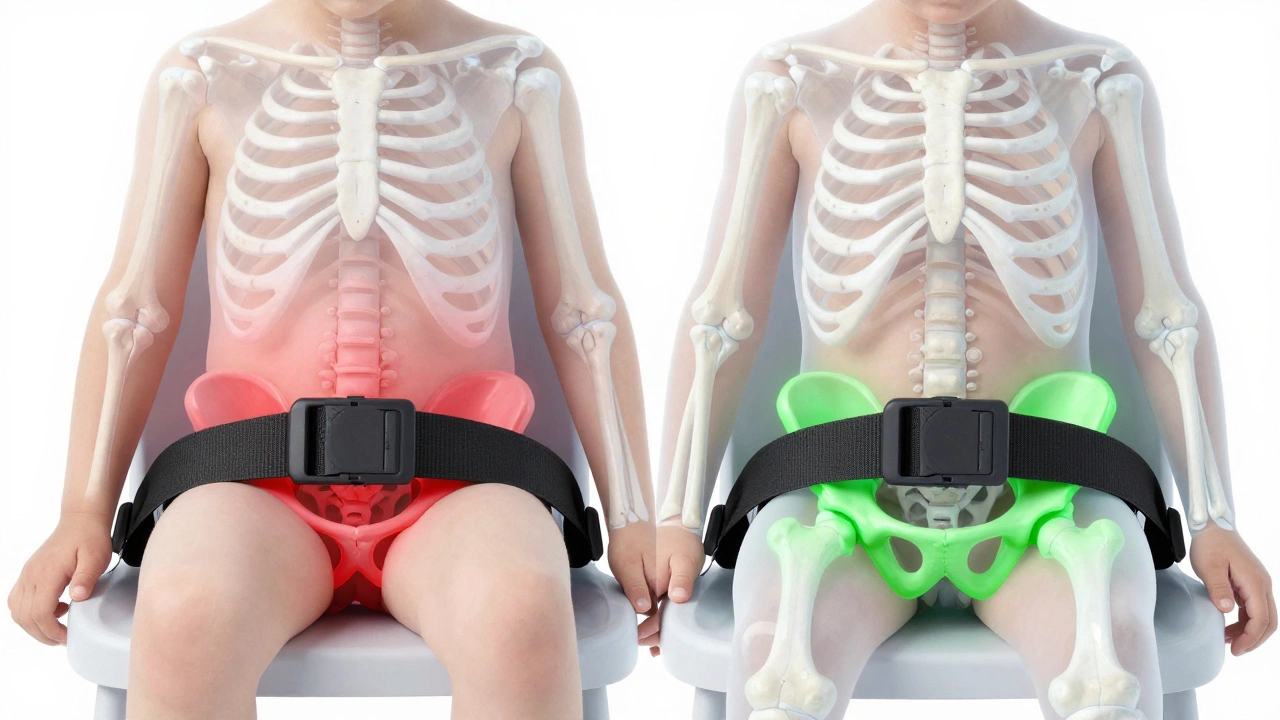
To understand why experts discourage backless boosters for young children, you need to look at how seatbelts work. Adult seatbelts are designed for adult skeletons. The lap belt should sit low across the hips, and the shoulder belt should cross the middle of the chest and shoulder. Children are much smaller. If a child sits directly on the car seat without a booster, the lap belt rides up over their soft abdomen, and the shoulder belt cuts across their neck or face.
A Backless booster seat is a device that elevates a child so that the vehicle's seatbelt fits more correctly. While it lifts the child up, it does not provide any side impact protection or head support. More critically, it relies entirely on the child’s ability to stay still and maintain proper posture during a collision. In a crash, inertia pushes the body forward. Without the containment of a five-point harness or the high sides of a structured seat, a young child can "submarine"-sliding underneath the lap belt. This puts immense pressure on internal organs, leading to severe injuries.
Studies have shown that children who use backless boosters are significantly more likely to suffer serious injuries compared to those in high-back boosters or forward-facing seats with harnesses. The lack of side wings means that in a side-impact collision, there is nothing to absorb the energy before it hits the child’s head and torso.
UK Law vs. Safety Recommendations
There is often confusion between what is legal and what is safe. Under current UK law, children must use a child car seat until they are 12 years old or 135cm tall, whichever comes first. Technically, the law allows the use of Group 2/3 backless booster seats for children who meet certain height and weight criteria, regardless of age. However, this is where the gap between legislation and best practice becomes dangerous.
The Department for Transport (DfT) and RoSPA recommend that parents keep children in a forward-facing car seat with a five-point harness for as long as possible. Once the child outgrows that, the next step should be a high-back booster seat, not a backless one. The recommendation is to wait until the child is at least four years old AND weighs at least 18kg, but ideally, waiting until they are taller (around 100cm) is even better.
Most four-year-olds do not reach the 18kg threshold. The average weight for a four-year-old boy in the UK is around 16-17kg, and for girls, it is slightly less. Even if your child is heavy for their age, their skeletal structure may not be mature enough. Bones in young children are softer and more flexible, making them more susceptible to injury from improper belt placement.
What Should a 4-Year-Old Use Instead?
If your four-year-old has outgrown their rear-facing or early forward-facing seat, the logical next step is a High-back booster seat is a car seat with a backrest and headrest that provides side impact protection and guides the seatbelt correctly. These seats offer several advantages over backless models:
- Side Impact Protection: The high back and integrated headrest help protect the child’s head and neck in the event of a side collision.
- Belt Guidance: Most high-back boosters have slots or guides that ensure the shoulder belt sits perfectly across the child’s chest, preventing it from slipping off the shoulder.
- Posture Support: Young children often slump or lean forward when tired. A high-back seat keeps them upright, ensuring the seatbelt remains in the correct position even if they fall asleep.
- Visibility: They make the child more visible to drivers behind you, which is crucial in urban environments like Bristol or London.
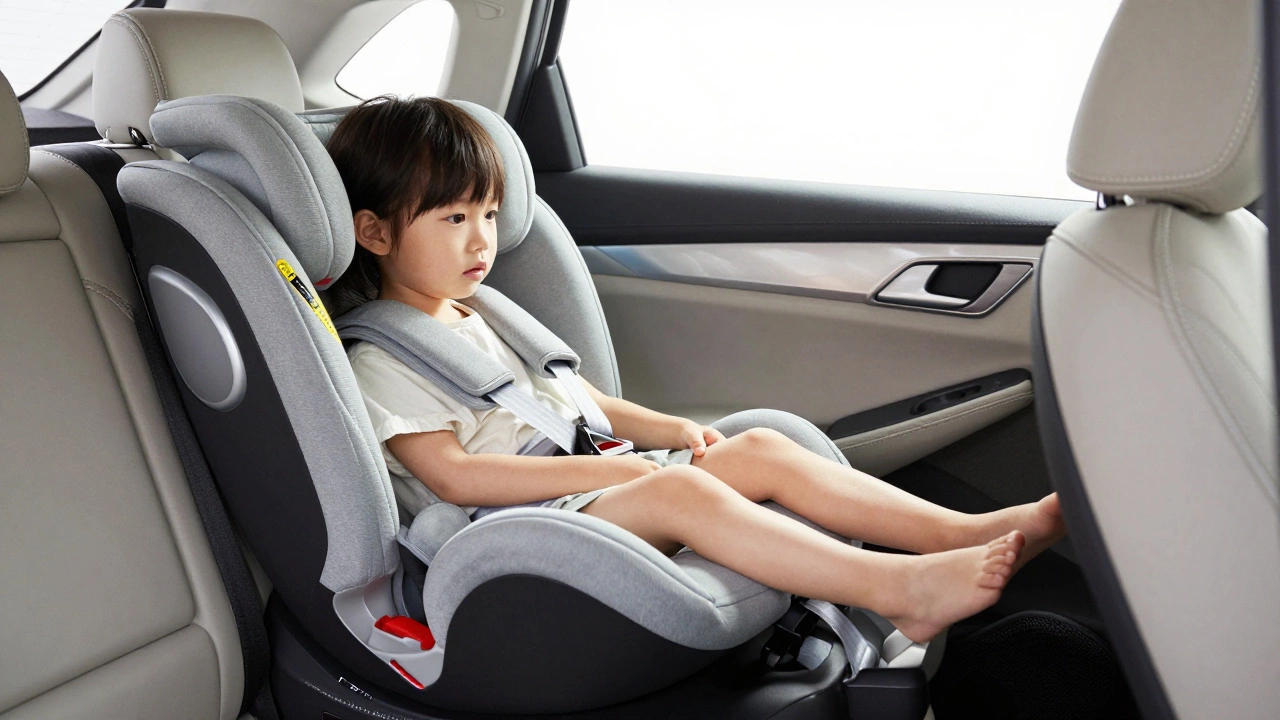
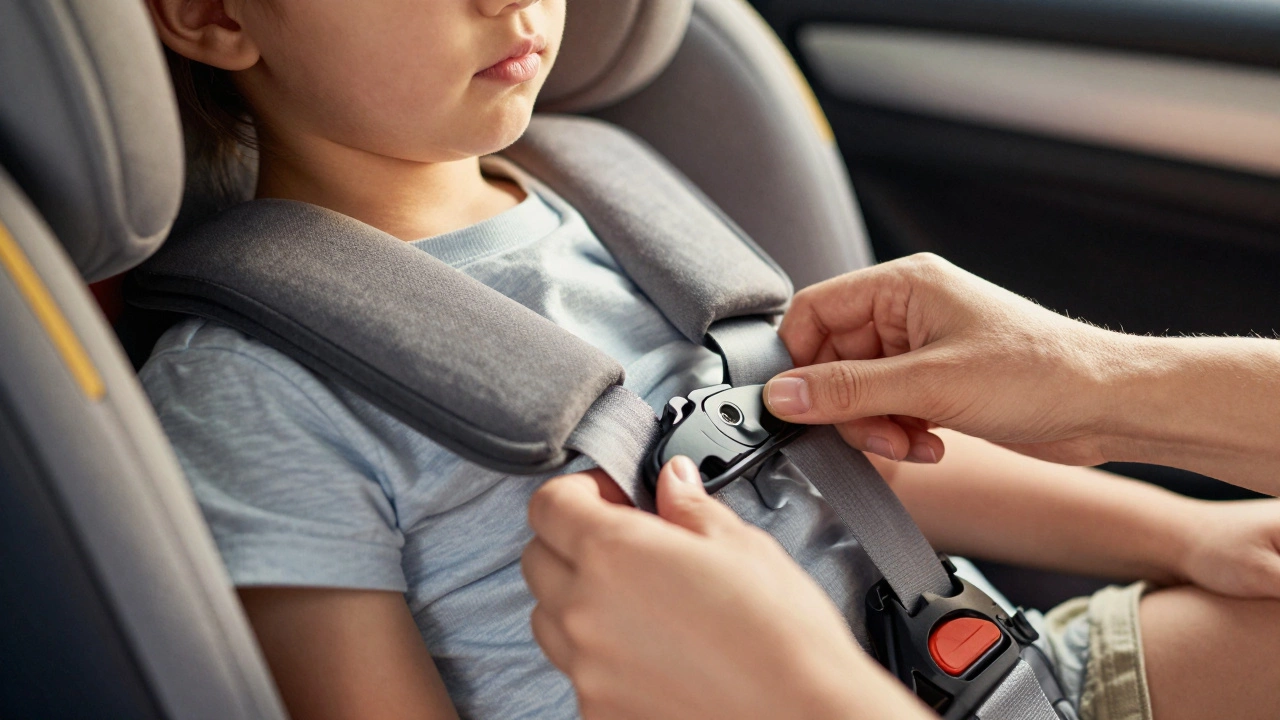
For many four-year-olds, staying in a forward-facing seat with a five-point harness is still the best option if they have not exceeded the height or weight limits of that seat. Five-point harnesses distribute crash forces across the strongest parts of the body-the shoulders and hips-providing superior restraint compared to a three-point seatbelt system.
How to Know When It Is Time to Transition
Transitioning car seats is not just about age; it is about physical development. Here are the key indicators that your child might be ready to move away from a harness seat:
- Weight Limit: Check the manual of your current seat. Most forward-facing harness seats go up to 18kg or 25kg. Do not switch until your child exceeds this limit.
- Height Limit: Look at the shoulder slots. If your child’s ears are above the top of the seat back, or if the shoulder straps cannot be positioned at or below their shoulders, they have outgrown the seat.
- Maturity: Can your child sit properly in a booster? They must be able to stay still, not slouch, and keep the seatbelt in place for the entire journey. If they wiggle constantly or slide under the belt, they are not ready for any type of booster.
Even if your four-year-old meets the weight requirement, consider their behavior. If they are restless or prone to moving around, a high-back booster with a tether or a harness seat is safer than a backless model.
Comparison: Backless vs. High-Back Boosters
| Feature | Backless Booster | High-Back Booster |
|---|---|---|
| Side Impact Protection | None | Yes (Integrated Headrest) |
| Seatbelt Guidance | Minimal (Relies on child posture) | Excellent (Built-in slots/guides) |
| Recommended Age | 4+ years (with caution), ideally 6+ | 4+ years (if outgrown harness) |
| Minimum Weight | 18kg (approx. 36lbs) | 15-18kg (varies by model) |
| Space Efficiency | High (Slim profile) | Medium (Bulkier) |
| Safety Rating (i-Size/R129) | Rarely certified for under 4s | Commonly certified for younger ages |
Common Mistakes Parents Make
One of the biggest errors parents make is assuming that if a child fits into the seat, it is safe. Another common mistake is buying a second-hand backless booster without checking its history or expiry date. Car seats degrade over time due to UV exposure and wear. Additionally, some parents install boosters incorrectly, placing them on leather seats where the child can slide around easily. Always use a non-slip mat or ensure the car seat fabric grips the booster securely.
Another pitfall is ignoring the "tether" feature. Many high-back boosters come with a top tether strap that anchors the seat to the car’s chassis. This prevents the seat from moving forward in a crash. Even if you choose a high-back booster, always use the tether if your car has the anchor points. It adds a crucial layer of stability.
When Is a Backless Booster Actually Safe?
Backless boosters are not inherently evil; they just have a specific window of appropriate use. They become a viable option when a child is older, typically between six and ten years old, and has outgrown the height limits of a high-back booster. At this stage, the child’s bones are stronger, and they are generally more disciplined about sitting properly. If your child is tall enough that their head would hit the roof of the car or the back of the front seat in a high-back model, then a backless booster is the correct transition.
However, for a four-year-old, the risks far outweigh the convenience. The extra few pounds of weight and bulk of a high-back seat are a small price to pay for significant protection. Remember, the goal is not just to comply with the law but to ensure your child arrives safely at their destination, every single time.
Is it illegal to use a backless booster for a 4-year-old in the UK?
Technically, no, it is not strictly illegal if the child meets the minimum weight requirements (usually 18kg) and the seat is approved. However, it is strongly discouraged by safety organizations like RoSPA because it offers less protection than a high-back booster or a harness seat for children of this age.
What is the safest car seat for a 4-year-old?
The safest option is a forward-facing car seat with a five-point harness, provided the child has not exceeded the height or weight limits. If they have outgrown that, a high-back booster seat is the next safest choice, offering side impact protection and proper seatbelt guidance.
Why do experts recommend against backless boosters for young children?
Experts warn against backless boosters for young children because they lack side impact protection and do not guide the seatbelt as effectively as high-back models. Young children are also more likely to slouch or slide, causing the seatbelt to ride up over their abdomen, which can cause severe internal injuries in a crash.
At what age can a child use a backless booster?
While some regulations allow backless boosters from age four if the child weighs at least 18kg, safety experts recommend waiting until the child is at least six years old. Ideally, children should remain in a high-back booster until they are tall enough that their head rests comfortably within the vehicle's headrest area.
Do I need to install a backless booster with ISOFIX?
Some modern backless boosters come with ISOFIX connectors for added stability, but most rely on the vehicle's seatbelt to secure them. Regardless of the installation method, the child must be secured with the car's three-point seatbelt. Using a booster with a top tether is highly recommended to prevent forward movement in a crash.