
Imagine this: the power is out, the roads are blocked, and your baby is hungry. You reach for the fridge, but there’s nothing left. In moments like these, knowing what constitutes emergency baby formula isn’t just helpful-it’s critical. For parents in the UK, especially those living through increasingly unpredictable weather events or supply chain disruptions, understanding how to feed an infant when standard options aren’t available can make all the difference.
This guide cuts through the confusion. We’ll explain exactly what you need to know about emergency infant nutrition, from safe preparation methods to what to avoid at all costs. Whether you’re preparing for a potential crisis or simply want peace of mind, this information could be invaluable.
The Reality of Infant Feeding Emergencies
Babies have tiny stomachs and fast metabolisms. Unlike adults who can go days without food, infants need regular nourishment to survive and thrive. The National Health Service (NHS) recommends that babies under six months should be fed every two to three hours. When routine breaks down-due to floods, storms, or even unexpected travel delays-the clock starts ticking quickly.
In the UK, extreme weather events have become more frequent. Flooding in Somerset in 2014 displaced thousands, including families with young children. More recently, winter storms in 2023 disrupted transport networks across Wales and Scotland. These aren’t isolated incidents; they’re part of a growing pattern that affects family life directly.
When normal supplies run low, panic sets in. But here’s the good news: with proper planning and knowledge, you can keep your baby fed safely during emergencies. Let’s break down what that means practically.
Can I use tap water to prepare formula in an emergency?
Yes, if the local authority hasn’t issued a boil notice. Always check official sources first. If unsure, boil water for one minute before cooling it to 70°C to kill bacteria.
Understanding Emergency Formula Options
Not all formula works equally well in emergencies. Standard liquid formula requires refrigeration once opened, making it less ideal for long-term storage. Powdered formula, however, has a longer shelf life and doesn’t require cold storage until mixed. This makes it the go-to choice for emergency kits.
In the UK, most mainstream brands like Cow & Gate, Aptamil, and SMA offer powdered versions designed for easy mixing. These products contain essential nutrients tailored to different age groups. For example, Stage 1 formulas suit newborns up to six months, while Stage 2 supports older infants transitioning to solid foods.
If commercial formula isn’t available, alternatives exist-but they come with caveats. Cow’s milk alone lacks iron and other vital elements. Goat’s milk needs fortification. Even breastmilk, though ideal, may not always be accessible due to maternal health issues or separation.
| Option | Shelf Life | Nutritional Value | Safety Risk |
|---|---|---|---|
| Powdered Formula | Up to 6 months unopened | High (age-specific) | Low if prepared correctly |
| Liquid Formula | Refrigerate after opening | High | Moderate (spoilage risk) |
| Cow’s Milk | Short (pasteurized only) | Low (lacks iron) | High (nutrient deficiency) |
| Goat’s Milk | Similar to cow’s milk | Medium (needs fortification) | Moderate |
Preparing Formula Safely During Crises
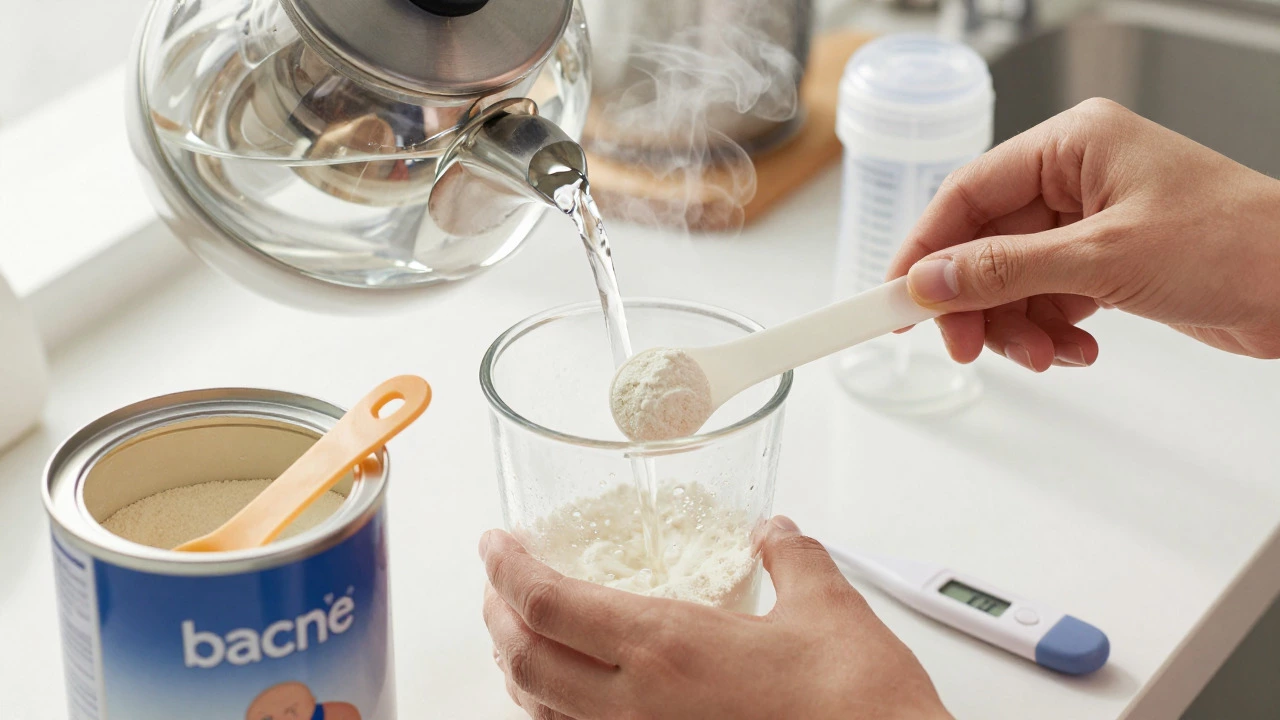
Even the best formula becomes dangerous if prepared improperly. Bacteria thrive in warm environments, so hygiene is non-negotiable. Here’s how to mix formula safely when resources are limited:
- Wash hands thoroughly with soap and clean water. If unavailable, use hand sanitizer followed by rinsing with boiled water.
- Boil fresh water for one full minute. Cool it to approximately 70°C (not hotter, as high temperatures destroy nutrients).
- Add measured scoops of powder according to package instructions. Use level scoops-not heaping ones-to prevent over-concentration.
- Shake vigorously to dissolve clumps. Check temperature on your wrist before feeding.
A common mistake? Using hot water straight from the kettle. While boiling kills germs, pouring scalding water onto formula destroys vitamins like vitamin C and folate. Cooling slightly ensures safety without sacrificing nutrition.
Another pitfall involves reusing leftover milk. Any unused portion must be discarded within two hours. Reheating introduces bacterial growth risks that compromise digestive health.
Building Your Emergency Kit
Preparation beats improvisation every time. An effective emergency kit includes more than just formula-it covers tools, backups, and contingency plans. Think of it as your family’s lifeline during chaos.
- Formula Stockpile: Keep at least five days’ worth of powdered formula stored in a cool, dry place. Rotate stock regularly to maintain freshness.
- Water Supply: Store bottled water separately. Aim for one liter per person per day minimum.
- Feeding Essentials: Include sterilized bottles, nipples, caps, and cleaning brushes. Consider collapsible silicone containers for compact storage.
- Backup Power: Portable battery packs ensure electric bottle warmers function during blackouts.
- Medical Records: Carry copies of vaccination records, allergies, and doctor contacts in waterproof bags.
Don’t forget special needs. Premature babies might require fortified feeds. Those with lactose intolerance need hypoallergenic variants. Tailor your kit accordingly.
When Commercial Formula Isn’t Available
Sometimes, despite careful planning, shelves remain bare. In such cases, creative solutions emerge-but caution remains key. Never rely solely on homemade recipes found online unless verified by healthcare professionals.
One option is pasteurized goat’s milk diluted with water and supplemented with multivitamins. However, this approach demands precision. Over-dilution leads to malnutrition; under-dilution causes dehydration. Consult a pediatrician beforehand whenever possible.
Another alternative involves expressing breastmilk ahead of time and freezing portions. Frozen milk lasts up to three months in standard freezers. Thaw gently in lukewarm water rather than microwaving, which creates uneven heating zones.
For extended crises, community support networks often step in. Local charities distribute donated formula through shelters and relief centers. Stay informed via radio broadcasts or mobile alerts to locate nearby aid stations.

Recognizing Signs of Hunger and Distress
Hungry babies communicate clearly-if you know what to look for. Early signs include rooting motions, sucking fingers, and increased alertness. Waiting until crying begins indicates advanced hunger, complicating feeding efforts.
During stress, some infants refuse feeds altogether. Gentle skin-to-skin contact helps calm them. Swaddling reduces sensory overload, promoting relaxation conducive to eating.
Watch closely for red flags signaling trouble: lethargy, sunken fontanelle (soft spot on head), fewer wet diapers, or persistent vomiting. These warrant immediate medical attention regardless of circumstances.
Staying Connected Through Uncertainty
Emergencies isolate us physically but shouldn’t disconnect us emotionally. Join local parent groups online where members share real-time updates. Apps like BabyCenter provide forums dedicated to crisis management strategies.
Government agencies also publish guidelines specific to regional threats. Visit GOV.UK regularly for bulletins regarding flood warnings, road closures, and distribution points. Bookmark trusted sites beforehand so access remains seamless even amid poor connectivity.
Finally, remember resilience builds strength. Each challenge faced together strengthens bonds between caregivers and children. Knowledge empowers action-and action brings hope.
How long does powdered formula last after opening?
Once opened, store in original container tightly sealed. Discard any remaining powder after four weeks to avoid contamination.
Is it safe to dilute formula to stretch supplies?
No. Diluting compromises nutrient balance, risking deficiencies. Stick strictly to manufacturer ratios unless advised otherwise by doctors.
What should I do if my baby refuses formula?
Try smaller amounts frequently. Experiment with nipple types or temperatures. Seek professional help if refusal persists beyond 24 hours.
Can I freeze expressed breastmilk for emergencies?
Absolutely. Freeze in small batches labeled with dates. Thaw gradually in warm water, never microwave. Use thawed milk within 24 hours.
Where can I find free formula during disasters?
Contact local councils, Red Cross chapters, or faith-based organizations. Many coordinate emergency distributions during major incidents.