
Historical Infant Feeding Simulator
Choose a family situation from history to discover what feeding options were available to them.
👑 Aristocracy (1700s)
Wealthy family in Medieval Europe or Ancient Rome.
🏡 Poor Rural Family (1800s)
Farmers relying on community and animals.
🏭 Urban Factory Worker (1880s)
City dweller with no support network.
⚗️ Early Adopter (1865+)
Access to new scientific inventions.
Feeding Solution & Risks
Select a scenario on the left to reveal the historical feeding method.
Imagine holding your newborn and realizing you cannot breastfeed. In the modern world, you reach for a tin of baby formula, mix it with water, and feel secure. But what if that option didn’t exist? For most of human history, there was no supermarket aisle dedicated to infant survival. The stakes were incredibly high, and the solutions ranged from compassionate community support to desperate, dangerous improvisation.
The story of how we fed babies before commercial formula is not just a medical curiosity; it’s a tale of social structure, economic disparity, and scientific evolution. It explains why breastfeeding became so culturally dominant and why the invention of formula was such a seismic shift in parenting.
The Gold Standard: Breast Milk
Before diving into alternatives, we have to acknowledge the default. For nearly all of human history, breast milk was the primary and often only source of nutrition for infants. Biologically, humans are designed to nurse. Mothers produced milk after birth, and babies drank it. This wasn't a lifestyle choice; it was a biological imperative for survival.
However, biology doesn't always work perfectly. Some mothers couldn't produce enough milk (low supply), some had health conditions that made nursing impossible, and tragically, many mothers died during childbirth or shortly after. In these cases, society had to find a way to keep the baby alive. The answer usually came in two forms: human help or animal substitutes.
The Wet Nurse System
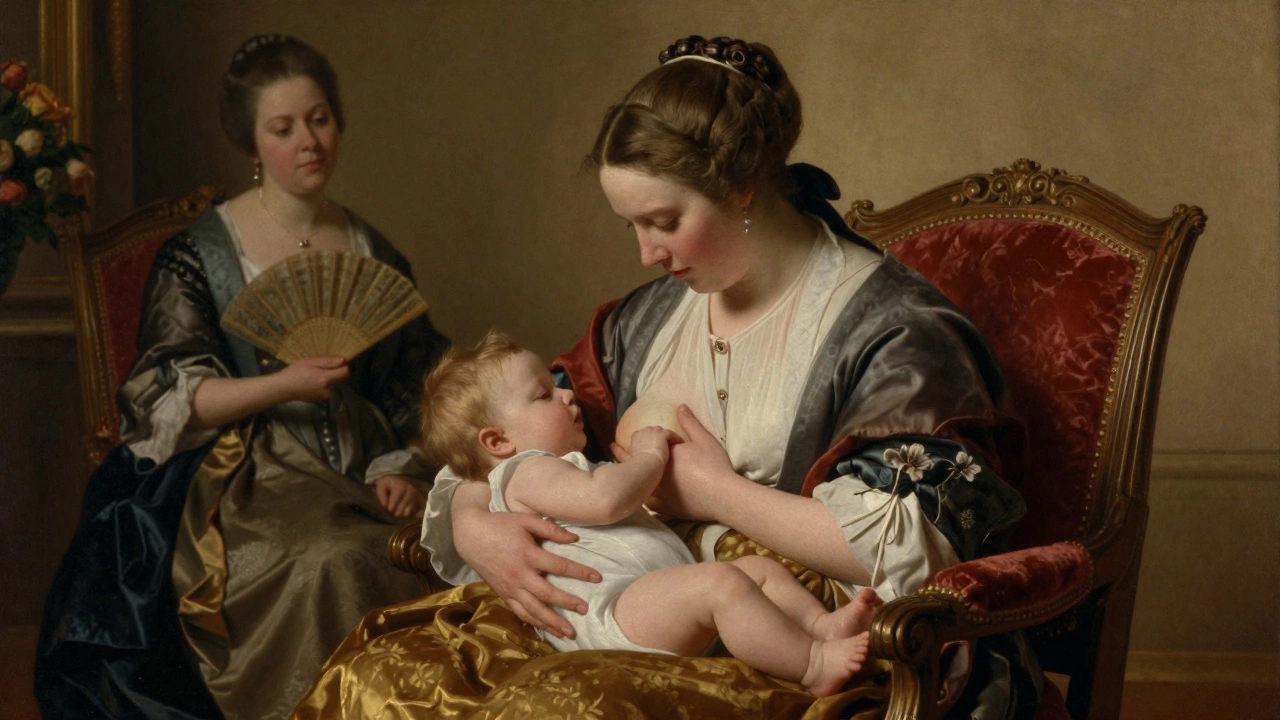
If money was available, the solution was elegant and effective: hire another woman to do the job. This practice, known as wet nursing, dates back thousands of years. A wet nurse was a woman hired to breastfeed another person's child.
| Social Class | Availability of Wet Nurses | Primary Motivation |
|---|---|---|
| Aristocracy/Rich | Highly accessible | Status, rapid return to fertility, fashion |
| Middle Class | Occasionally accessible | Medical advice, perceived weakness of mother |
| Poor/Lower Class | Rare | Necessity only (mother death/inability) |
In ancient Rome, Greece, and throughout Medieval Europe, wealthy families employed wet nurses. It wasn't just about necessity; it was also about status. Having a wet nurse freed the mother to manage the household or enjoy social life sooner. There were strict rules about who could be a wet nurse. They had to be healthy, morally upright, and often of similar social standing to ensure the "quality" of the milk-a belief rooted in the now-discredited theory of "humors."
For the poor, wet nursing was less about hiring strangers and more about community sharing. If one mother couldn't feed her baby, a neighbor or relative might step in. It was a communal safety net. However, this system collapsed when urbanization increased. As people moved to cities for factory work, those tight-knit communities fractured, leaving many mothers isolated without support.
Animal Milk Substitutes
When a human wet nurse wasn't an option-either due to cost or availability-families turned to animals. Cow's milk and goat's milk were the most common substitutes. But here’s the catch: baby cows are not human babies. Their nutritional needs are different. Cow's milk has much higher protein and mineral content but lacks the necessary sugars and fats for a human infant.
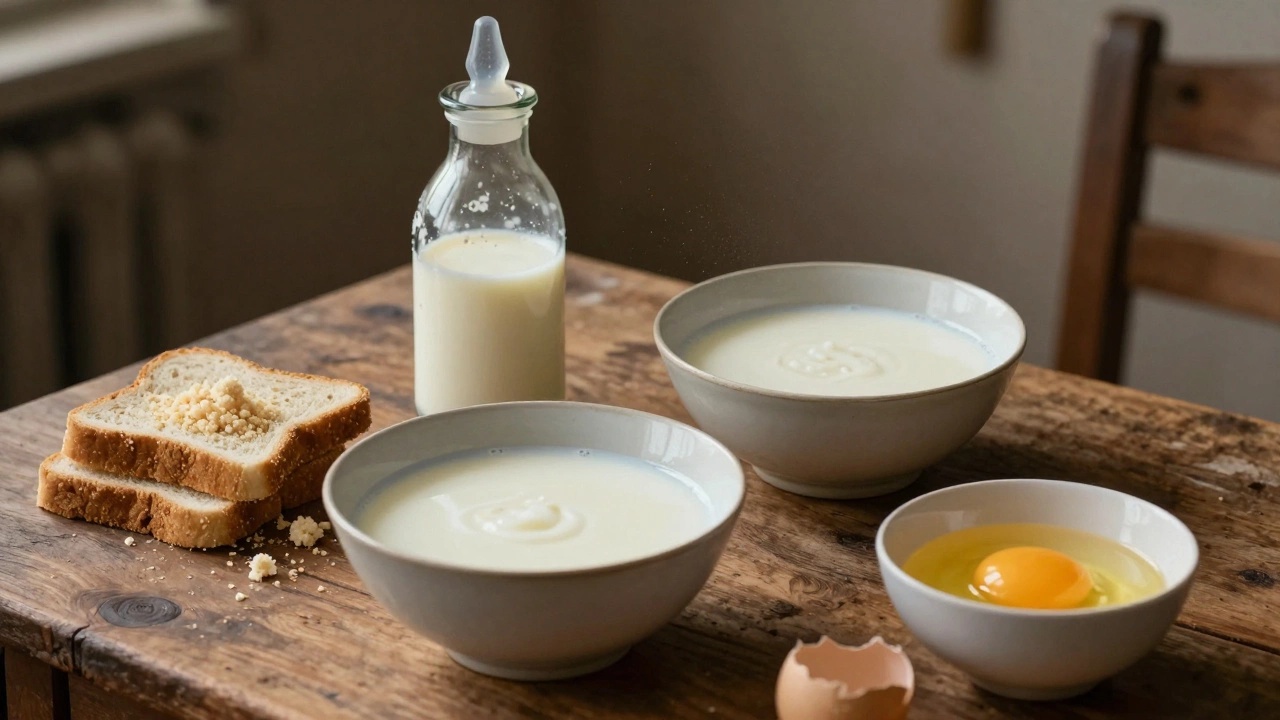
To make cow's milk survivable, parents had to modify it. They would dilute it with water to reduce the protein load. Then, they added sugar (often honey or cane sugar) to provide energy. Sometimes, they added bread crumbs or egg yolks to thicken it and add fat. This homemade mixture was called "pap" or "panada."
It sounds simple, but getting the ratio wrong was deadly. Too much water meant malnutrition. Too little water meant kidney strain and dehydration. Contamination was another huge risk. Without refrigeration, milk spoiled quickly. Bacteria like E. coli and salmonella thrived in warm, raw milk, leading to rampant diarrhea and death among bottle-fed infants.
The Danger of Early Commercial Products
As the Industrial Revolution progressed, entrepreneurs saw a market gap. Why make pap at home when you can buy it ready-made? In the mid-19th century, the first commercial infant foods appeared. These weren't the sterile, scientifically balanced formulas we know today. They were often grain-based powders or condensed milk products.
One infamous example was "Malted Milk," which was marketed as a nutritious supplement but was largely just flour and malt extract. Another popular product was sweetened condensed milk. Mothers would dilute it with water and boil it to kill bacteria. While better than raw milk, it still lacked essential vitamins and minerals. Vitamin C deficiency (scurvy) and iron-deficiency anemia were common among babies fed these early commercial substitutes.
The hygiene standards of the time were abysmal. Bottles were hard to clean. Nipples made of rubber or glass were porous and harbored bacteria. Many doctors warned against artificial feeding, but the demand was too high. Urban mothers working in factories couldn't breastfeed on demand, so they bought whatever was on the shelf.
The Scientific Breakthrough: Justus von Liebig
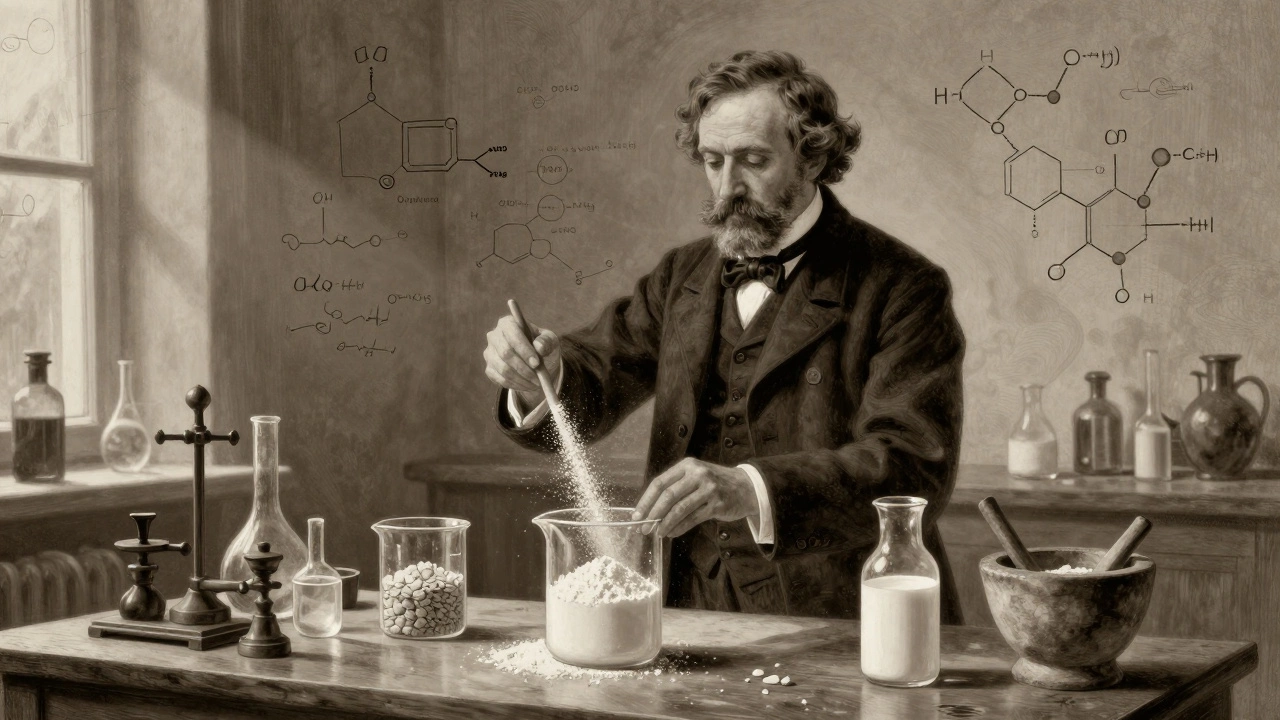
The turning point came in 1865 when German chemist Justus von Liebig created the first scientifically analyzed infant food substitute. He analyzed the composition of breast milk and tried to replicate it using wheat flour, malt, potassium carbonate, and cow's milk. His "Liebig's Food for Infants" was a powder that could be mixed with milk and water.
While it wasn't perfect-it lacked certain amino acids and vitamins-it was a massive leap forward. It was consistent. It was based on chemistry rather than guesswork. Soon after, other scientists improved upon his recipe. In 1867, Henri Nestlé created a cereal-based food for infants, and later developed a powdered milk formula by evaporating cow's milk and adding sugar and cereals. This allowed for longer storage and easier transport.
These innovations saved countless lives, but they also sparked a debate that continues today. Was artificial feeding liberating women, or was it undermining natural biology? Critics argued that formula companies were profiting from fear and ignorance. Supporters said it gave mothers choices and reduced infant mortality rates associated with contaminated wet nursing or dirty bottles.
The Rise of the Bottle and Hygiene Wars
The real game-changer wasn't just the formula; it was the bottle. Early bottles were made of glass with long necks that were impossible to clean inside. Bacteria grew in the crevices. In the late 19th and early 20th centuries, public health campaigns focused heavily on sterilization. Mothers were taught to boil bottles and nipples for extended periods.
The introduction of pasteurization in the early 1900s drastically reduced the risk of tuberculosis and brucellosis from cow's milk. Combined with better understanding of nutrition, infant mortality rates began to drop significantly. By the 1920s, formula was becoming a viable, safe alternative for many families.
Yet, breastfeeding remained the norm for decades. It was free, convenient, and socially expected. Formula was seen as a backup plan, not a first choice. It wasn't until the post-WWII era, with the rise of consumer culture and aggressive marketing by formula companies, that artificial feeding became mainstream. Companies sent free samples to hospitals, suggesting that formula was more "modern" and "scientific" than breastfeeding.
Lessons for Modern Parents
Looking back at this history gives us perspective. Today, we take safe, nutritious formula for granted. We worry about organic ingredients, prebiotics, and lactose-free options. Our grandparents worried about cholera and starvation.
Understanding this history helps us appreciate the complexity of infant feeding. It reminds us that there is no single "right" way that fits every situation across all times. Breastfeeding is biologically ideal, but it’s not always possible. Formula is a miracle of science, but it requires careful preparation and hygiene.
Whether you choose to breastfeed, use formula, or combine both, remember that your goal is the same as mothers throughout history: to nourish and protect your child. The tools have changed, but the love hasn't.
Was cow's milk safe for babies before formula?
Raw cow's milk was risky due to bacterial contamination. Before pasteurization, it often carried diseases like tuberculosis and brucellosis. Even when boiled, it lacked essential nutrients for human infants unless carefully modified with water, sugar, and other ingredients.
Who invented the first baby formula?
German chemist Justus von Liebig is credited with creating the first scientifically analyzed infant food substitute in 1865. Later, Henri Nestlé developed a powdered milk formula that became widely used.
What did poor families feed their babies if they couldn't breastfeed?
Poor families often relied on community wet nurses, diluted cow's milk mixed with bread or gruel (called pap), or goat's milk. These methods were inconsistent and carried high risks of malnutrition and infection.
Why did wet nursing decline?
Wet nursing declined due to urbanization, which broke down close-knit communities, and the rise of affordable, safer commercial formulas. Additionally, changing social norms made hiring a stranger to breastfeed your child less acceptable over time.
How did early formula differ from modern formula?
Early formulas were often grain-based or simple powdered milk mixes lacking essential vitamins and minerals. Modern formula is highly regulated, fortified with vitamins, DHA, and prebiotics, and closely mimics the nutritional profile of breast milk.