Hospital Bag Packing Checker
Select the items you plan to bring. The tool will tell you if they are recommended or likely to be wasted space based on expert advice.
Your Virtual Bag
Your bag is empty. Start clicking items above!
You’ve spent weeks agonizing over the perfect outfit for your postpartum photos. You’ve folded tiny socks until they look like origami. But here’s a hard truth most first-time parents miss: half of what you pack will sit untouched in a plastic bin under your bed. And worse? Some items actively make your life harder during those intense first 48 hours.
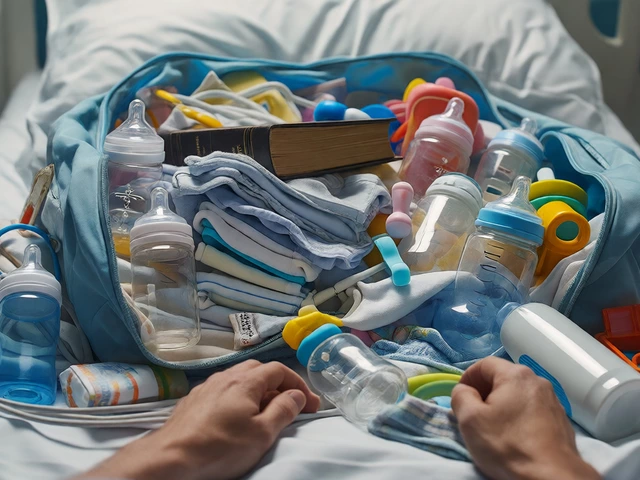
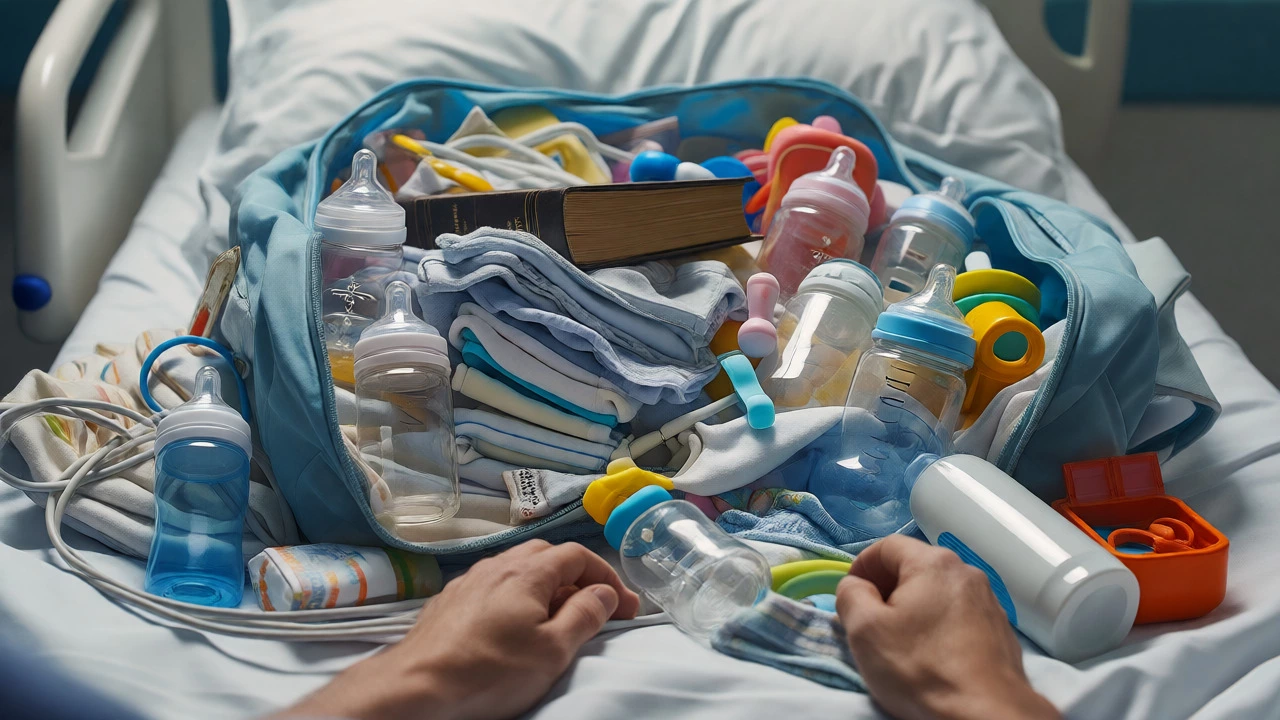
Let’s talk about baby bottles, which is a container used to feed infants with milk or formula, typically featuring a nipple and cap assembly. While seemingly essential, packing them prematurely is one of the most common errors in hospital bag preparation. Why? Because modern maternity wards have strict protocols, and unnecessary clutter creates stress when you need calm.
The Bottle Myth and Early Feeding Realities
Most hospitals provide everything you need for the first few days. If you’re planning to breastfeed, introducing a bottle too early can confuse a newborn’s latch mechanism-a phenomenon known as "nipple confusion." This isn’t just old wives’ tales; pediatric lactation consultants often advise waiting until breastfeeding is well-established, usually around three to four weeks post-birth. Packing expensive glass or high-end silicone bottles now means you’re hauling fragile items that might break or get lost among the chaos of discharge paperwork.
If you are formula-feeding, check if your chosen brand offers ready-to-feed cartons. These are sterile, single-use, and require zero preparation-no sterilizing, no mixing ratios, no hot water hassles at 3 AM. A standard bottle set requires cleaning after every use, adding mental load when you’re sleep-deprived. Leave the fancy bottle sets at home. Bring two simple, wide-necked bottles only if you anticipate supplementing immediately, but rely on the hospital’s supply first.
| Item Category | Pack? | Why |
|---|---|---|
| Baby Bottles (Set) | No | Hospital provides basics; risk of nipple confusion; extra cleaning burden. |
| Newborn Diapers (Size NB) | Yes (Small amount) | Hospitals give plenty, but bring 5-10 of your preferred brand for comfort. |
| Full Wardrobe of Baby Clothes | No | Babies grow fast; stick to 2-3 outfits plus going-home clothes. |
| Fancy Breast Pump Parts | No | Hospitals lend pumps; bring only personal flanges if needed. |
| Heavy Books/Magazines | No | Labor pain makes reading impossible; downtime comes later. |
Clothing Traps That Waste Space
We all want our babies to look adorable the moment they enter the world. So we pack five different onesies, matching hats, and booties. Stop. In reality, newborns spend their first days swaddled in hospital blankets. They rarely wear clothes unless being photographed or discharged. The average newborn grows out of "Newborn" size within two weeks. If you pack ten outfits, nine will go unworn before becoming too small.
Instead, focus on functionality. Pack two simple bodysuits and a pair of pants. Choose snap closures over buttons-you’ll be changing diapers while half-asleep, and fumbling with tiny buttons is a nightmare. Skip the hats indoors; hospitals keep rooms warm enough to prevent heat loss in healthy term babies. Save the elaborate knit hat for the car ride home, not the ward stay.
Grooming and Toiletries Overload
Your bathroom counter probably has twelve products. Your hospital bag should have three. During labor, you won’t smell your own hair. You won’t care about your skincare routine. You will care about hydration and comfort. Packing full-sized shampoos, conditioners, and body washes adds weight and spills risk.
Bring travel-sized toiletries or ask the nurse for samples. Most UK NHS trusts provide basic hygiene kits upon admission. Private hospitals often do the same. If you have specific sensitivities, bring a small tube of fragrance-free moisturizer and lip balm. Lips crack quickly from dehydration during contractions. That’s it. Leave the curling iron, makeup bag, and perfume at home. You’ll thank yourself when you aren’t hunting through a suitcase for a mascara wand while holding a crying infant.

Tech and Entertainment Clutter
It’s tempting to pack an iPad loaded with movies, noise-canceling headphones, and multiple chargers. But consider the actual timeline. Active labor is intense-you cannot watch a movie. The immediate postpartum period involves feeding, bonding, and sleeping in micro-naps. Screen time often disrupts the oxytocin flow needed for milk let-down and bonding.
Bring one phone charger with a long cable (hospital outlets are always far away). Maybe download one audiobook or podcast for late-night shifts if you’re alone. But leave the tablet behind. It becomes a dust collector. More importantly, avoid packing valuables like jewelry or expensive electronics. Hospitals are busy places with many staff members coming and going. Theft, while rare, happens. Simplicity reduces anxiety.
The Partner’s Bag Mistakes
If your partner is staying overnight, their bag needs scrutiny too. Common mistakes include packing work laptops (they won’t work), gym clothes (no time to exercise), and excessive snacks. Partners need comfortable shoes, change of clothes, and maybe a pillow. They don’t need a suit and tie unless visiting dignitaries are expected. Keep their bag light so they can move freely between the room and the hallway coffee machine without tripping over luggage.
Practical Checklist for a Lean Hospital Bag
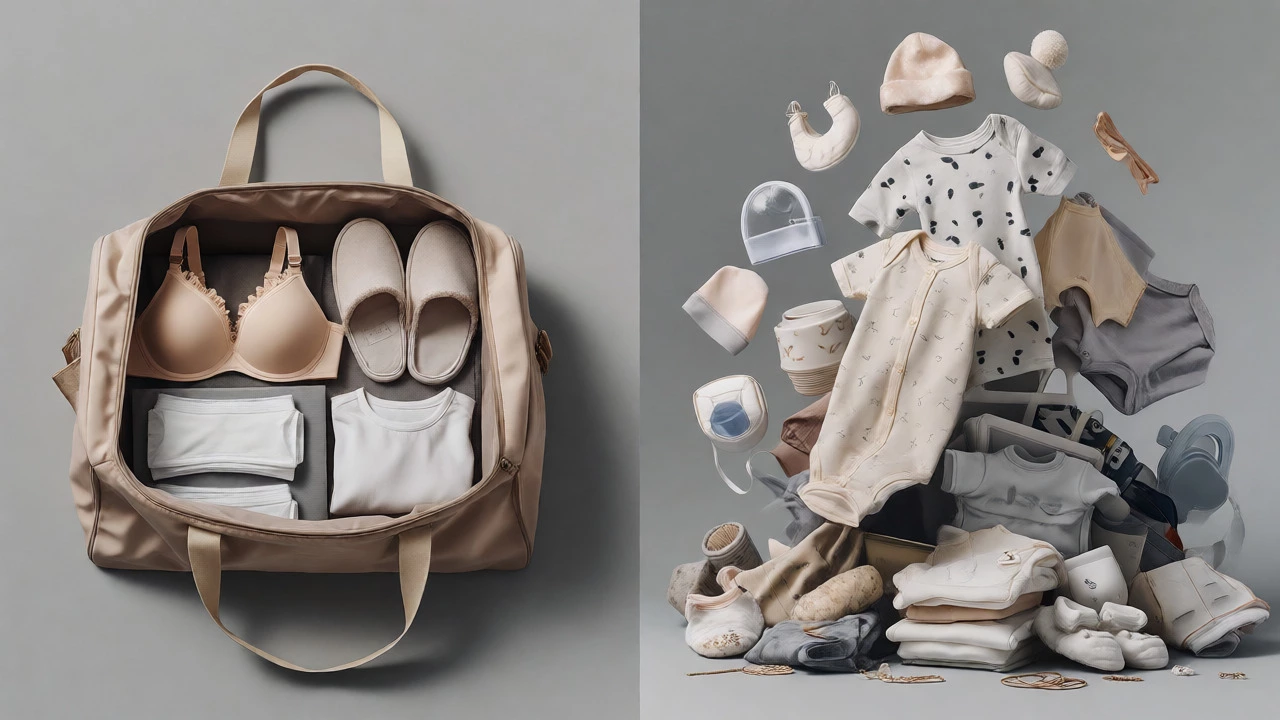
To ensure you’re covered without the clutter, follow this streamlined approach. Remember, you can always send someone home to fetch things. You cannot easily return items once you’re settled.
- Mom: Two nursing bras, three pairs of high-waisted underwear (mesh or disposable), one robe with front opening, slippers with non-slip soles, toiletries (toothbrush, paste, deodorant), phone charger.
- Baby: One going-home outfit (size 0-3 months), two swaddles, one hat (for outside only), car seat base installed beforehand.
- Partner: Change of clothes, toiletries, cash for vending machines, ID, insurance card.
- Documents: Maternity notes, birth plan copy, ID, insurance details.
Notice what’s missing? No bottles. No diaper cream tubs. No stuffed animals. No pajama sets. This list fits in a medium duffel bag, leaving space for gifts and discharge paperwork.
When to Actually Buy Bottles
Wait until you’re home. Once you understand your baby’s feeding rhythm, you’ll know if you need wide-neck, anti-colic, or standard bottles. You might find your baby prefers cup feeding or syringe feeding initially. Buying bottles pre-hospital locks you into a choice that may not fit your child’s preference. Plus, online retailers offer easy returns if the first set doesn’t work. Do not feel pressured by ads showing perfectly organized nursery shelves filled with unused gear. Start minimal. Add only what solves a problem.
Do hospitals provide baby bottles?
Yes, most hospitals provide basic plastic bottles and formula if needed. They also supply sterilized equipment for initial feeds. Bringing your own is rarely necessary for the first 24-48 hours unless you have specific medical requirements.
How many diapers should I pack for the hospital?
Hospitals provide ample diapers, wipes, and pads. Pack 5-10 of your preferred brand if you have skin sensitivities, but generally, you don't need to bring more than a small handful. The rest can be sent home with family.
Should I bring my own pillows?
Hospital pillows are often thin and unsupportive. If you struggle with back pain or prefer firm support, bringing one familiar pillow can improve rest. However, ensure it's washable and not overly bulky, as storage space is limited.
Is it okay to leave items at home and have them brought later?
Absolutely. It is better to start light. Family or friends can drop off forgotten items like specific lotions, extra clothes, or tech devices. Trying to carry everything upfront leads to fatigue and clutter.
What is nipple confusion?
Nipple confusion occurs when a baby struggles to switch between the breast and a bottle nipple due to differences in suction mechanics. Introducing bottles too early may interfere with successful breastfeeding establishment, though evidence varies among experts.