
ADHD Brain Maturity & Toy Finder
Understand where your child's brain is on the developmental timeline and discover targeted play strategies. Note: This tool estimates based on general research regarding the ~3-year delay in prefrontal cortex maturation.
If a toy feels too easy (<10 mins) or too hard (<2 mins), adjust the difficulty level rather than switching categories entirely.
Enter an age and click "Analyze" to see brain maturity estimates and recommended toys.
You’re watching your child struggle to sit still, forget their homework for the third time this week, or interrupt conversations constantly. You’ve heard that ADHD isn’t just "bad behavior," but a difference in how the brain is wired. A question that keeps many parents up at night is simple yet complex: At what age does an ADHD brain fully develop?
The short answer? There isn’t one single birthday where the switch flips. But there is a clear scientific timeline. For most children with Attention Deficit Hyperactivity Disorder (ADHD), the brain’s control center-the prefrontal cortex-matures roughly three years later than their neurotypical peers. This delay explains why a 10-year-old with ADHD might have the impulse control of a 7-year-old. Understanding this gap isn’t just academic; it changes how you choose tools, set expectations, and pick educational resources that actually help rather than frustrate.
The Three-Year Delay Myth vs. Reality
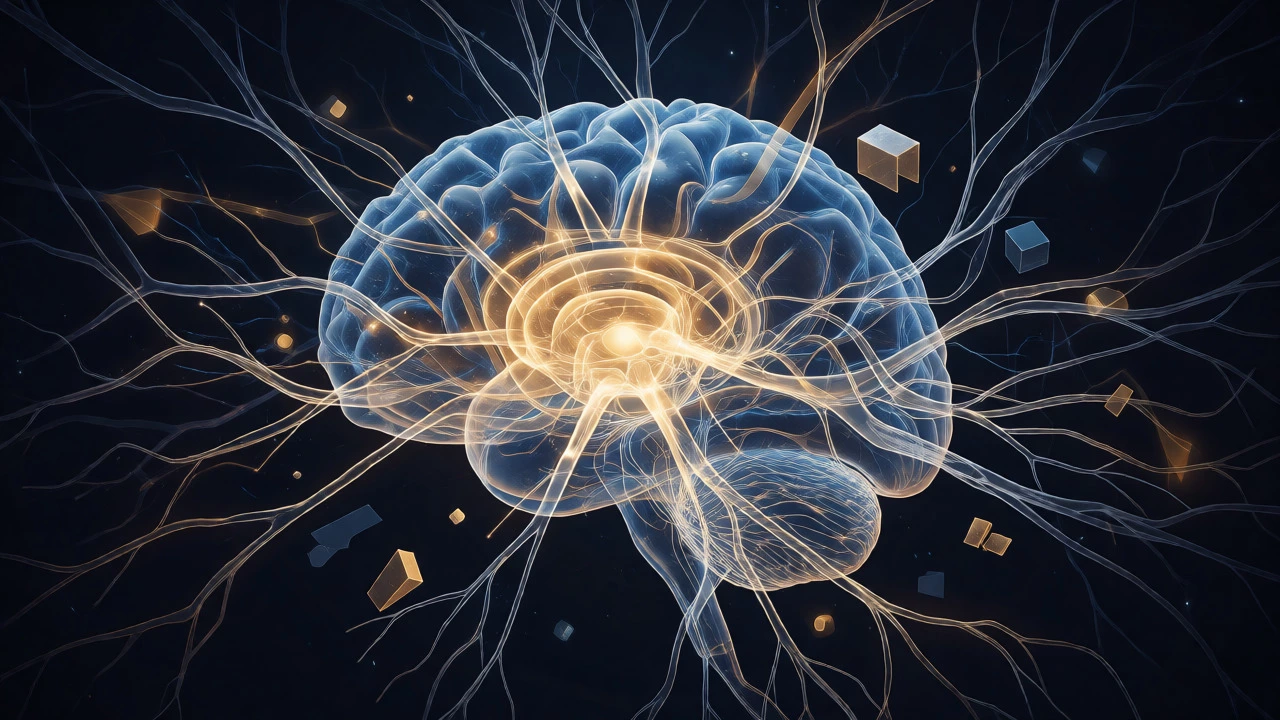
Neuroscience has moved past the idea that ADHD brains are "broken." They are simply on a different schedule. Research using MRI scans shows that the cortical thickness in children with ADHD peaks about three years later than in children without the condition. This lag primarily affects the frontal lobes, which handle planning, focus, and emotional regulation.
Think of it like a smartphone operating system. One phone updates its software at age 6, while another updates at age 9. Both phones are functional, but the second one takes longer to unlock certain apps. In practical terms, this means:
- Ages 6-9: The gap is widest here. Your child may seem significantly behind peers in self-regulation.
- Ages 10-13: The gap narrows slightly as natural maturation kicks in, but executive function deficits often persist.
- Late Teens/Early 20s: Full structural maturity of the prefrontal cortex typically occurs between ages 24 and 25 for everyone. For those with ADHD, functional maturity may take even longer, sometimes extending into the late 20s.
This doesn’t mean your child will "outgrow" ADHD by 25. It means their brain’s hardware finishes building around then, allowing better management of symptoms if they’ve learned the right skills along the way.
Why Educational Toys Matter More Than You Think
If the brain matures slower, can we speed it up? Not exactly. Neuroplasticity-the brain’s ability to rewire itself-is highest in childhood. While you can’t change the biological clock, you can strengthen the neural pathways that compensate for delayed maturity. This is where targeted play comes in.
Generic toys often fail children with ADHD because they don’t challenge the specific weak spots: working memory, inhibitory control, and cognitive flexibility. Educational toys designed for these areas act like physical therapy for the brain. They provide immediate feedback, keep dopamine levels stable through engagement, and practice skills in low-stakes environments.
| Age Group | Primary Brain Challenge | Recommended Toy Category | Skill Targeted |
|---|---|---|---|
| Preschool (3-5) | Sensory Processing & Impulse Control | Fidgets, Sensory Bins, Building Blocks | Tactile Regulation |
| Early School (6-9) | Working Memory & Sequencing | Strategy Board Games, Coding Robots | Planning & Focus |
| Pre-Teen (10-13) | Emotional Regulation & Social Cues | Role-Play Kits, Complex Puzzles | Perspective Taking |
| Teens (14+) | Abstract Thinking & Organization | Logic Puzzles, DIY Kits, Journals | Self-Monitoring |
Building Executive Function Through Play
Executive functions are the CEO of the brain. They decide what to pay attention to, when to stop talking, and how to organize a messy room. In ADHD brains, the CEO arrives late to work. Educational toys that require turn-taking, rule-following, and strategic thinking force the CEO to step in more often.
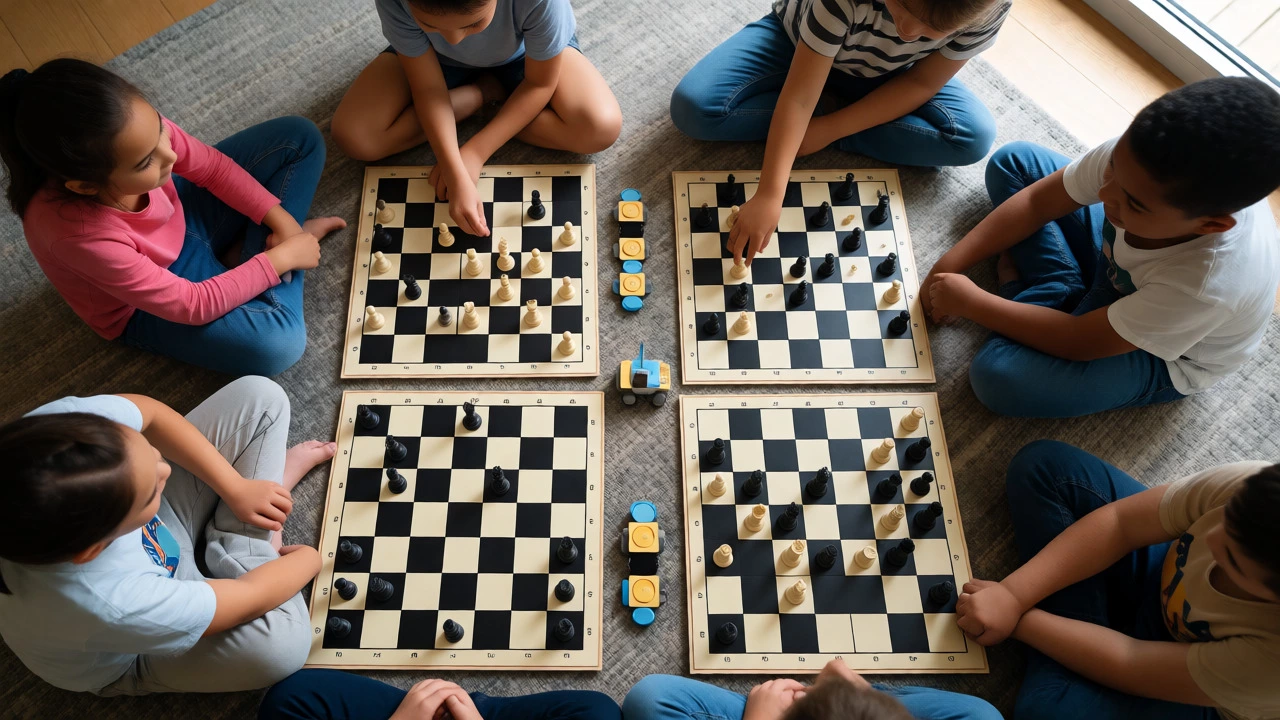
Consider a game like chess or a complex strategy board game. Unlike a passive video game, these require active inhibition. You must pause, think, and suppress the urge to make the first move that pops into your head. Each time a child practices this pause, they reinforce the neural connections in the prefrontal cortex. Over months and years, this repeated practice can improve real-world impulse control.
Coding robots offer another powerful example. If a robot crashes because the code was wrong, the child sees immediate consequences. There’s no teacher scolding them; the toy provides neutral feedback. This reduces the shame spiral often associated with ADHD mistakes and encourages trial-and-error learning, which builds resilience.
Signs Your Child’s Brain Is Catching Up
How do you know if the developmental trajectory is shifting positively? Look for subtle shifts in behavior rather than dramatic personality changes. These signs indicate that compensatory strategies are taking root:
- Improved Pause Duration: Your child waits two seconds before answering instead of blurting out immediately.
- Better Error Recovery: When frustrated with a puzzle, they try a new approach instead of throwing it across the room.
- Increased Stamina: They can sustain attention on a non-preferred task for five minutes longer than they could six months ago.
- Self-Correction: They catch themselves forgetting a step in a routine and fix it without being prompted.
These small wins are evidence of neuroplasticity in action. The brain is literally forming new highways to bypass the slower roads.
Choosing the Right Tools for the Stage
Selecting toys based on chronological age alone often backfires. A 12-year-old with ADHD might still benefit from toys marketed for 8-year-olds if those toys target their current regulatory needs. Conversely, a highly advanced 7-year-old might be bored by age-appropriate toys but challenged by complex logic puzzles.
Here’s a quick heuristic for choosing:
- Is it too easy? If they master it in under 10 minutes, it won’t build new pathways. Increase difficulty.
- Is it too hard? If they give up in under 2 minutes, it’s causing frustration, not growth. Simplify the instructions or break the task down.
- Does it offer choice? ADHD brains crave autonomy. Open-ended toys (like LEGO sets without strict instructions) allow for creative problem-solving, which engages different brain regions than rigid tasks.
Remember, the goal isn’t to make them "normal." The goal is to equip them with tools that match their unique wiring.
Long-Term Outlook: What Happens After 25?
Many adults wonder if they’ll ever feel "done" growing. Structurally, yes. By mid-20s, the myelination process-which speeds up signal transmission in the brain-is largely complete. However, adult ADHD is managed differently. Adults rely less on external scaffolding (like parents reminding them) and more on internal systems (calendars, alarms, habits).
Studies suggest that while symptoms may decrease in intensity, the underlying neurological differences remain. This is good news. It means you aren’t waiting for a cure. You are training a skill. Just as someone can learn to play piano well despite having smaller hands, people with ADHD can develop strong executive function skills through consistent practice and the right support structures.
Does medication change the timeline of brain development?
Some research suggests that long-term use of stimulant medication may help normalize some aspects of brain structure over time, potentially reducing the gap in cortical thickness. However, medication works best when combined with behavioral interventions and skill-building activities. It helps create the window of opportunity for learning, but it doesn’t replace the need for practice.
Can educational toys really treat ADHD?
Toys don't "cure" ADHD, but they are powerful therapeutic tools. They engage the brain's reward system (dopamine) while simultaneously exercising executive functions. When chosen correctly, they can improve focus, working memory, and impulse control in measurable ways, acting as a form of cognitive training.
At what age do ADHD symptoms usually peak?
Hyperactive symptoms tend to peak around ages 7 to 8. As children enter adolescence, hyperactivity often decreases, but inattention and executive dysfunction become more prominent due to increased academic and social demands. The transition to secondary school often highlights these challenges most sharply.
Is it true that girls with ADHD mature faster?
Girls generally mature physically and socially earlier than boys, which can mask ADHD symptoms. Their brains may also show similar delays in prefrontal cortex development, but they often present with inattentive type rather than hyperactive type. This leads to later diagnosis, often in adulthood, because their coping mechanisms hide the underlying developmental lag.
What are the best toys for improving working memory?
Games that require holding information in mind while manipulating it are best. Examples include Simon Says variations, memory card games, multi-step construction kits (like LEGO Technic), and coding apps where the sequence of commands must be remembered and executed in order.