Baby Food Sodium Risk Checker
Check common food items or search for hidden sodium ingredients to see if they are safe for your baby's developing kidneys.
Quick Takeaways
- Do not add table salt to baby food or bottles.
- Infants under one year cannot process high levels of sodium.
- Excess salt can cause permanent kidney damage in babies.
- Breast milk and formula provide all the sodium they need.
- Focus on natural flavors to build a healthy palate.
Why your baby's kidneys aren't ready
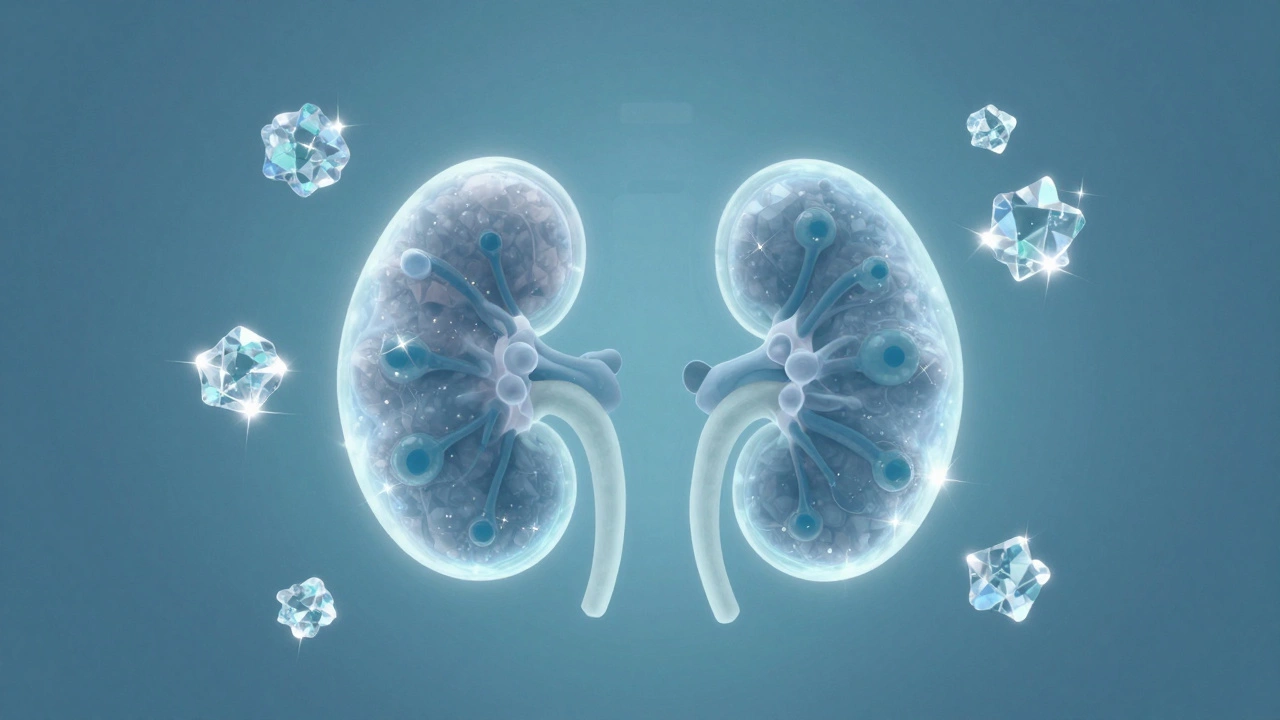
To understand why salt is dangerous, we have to look at the Kidneys is the pair of organs responsible for filtering waste and excess water from the blood, as well as regulating electrolyte balance. In an adult, these organs are like high-capacity filtration plants. In a 6-month-old, they are more like a small, fragile prototype. They simply aren't developed enough to flush out excess sodium efficiently.
When a baby consumes too much salt, their kidneys have to work overtime. Because they can't keep up, the sodium stays in the bloodstream, which pulls water out of the cells and into the blood vessels. This can lead to a dangerous increase in blood pressure and, in severe cases, can cause the kidneys to fail or suffer long-term damage. Since babies are so small, even a tiny amount of salt that seems negligible to you is a massive dose for their body weight.
Where sodium is already hiding
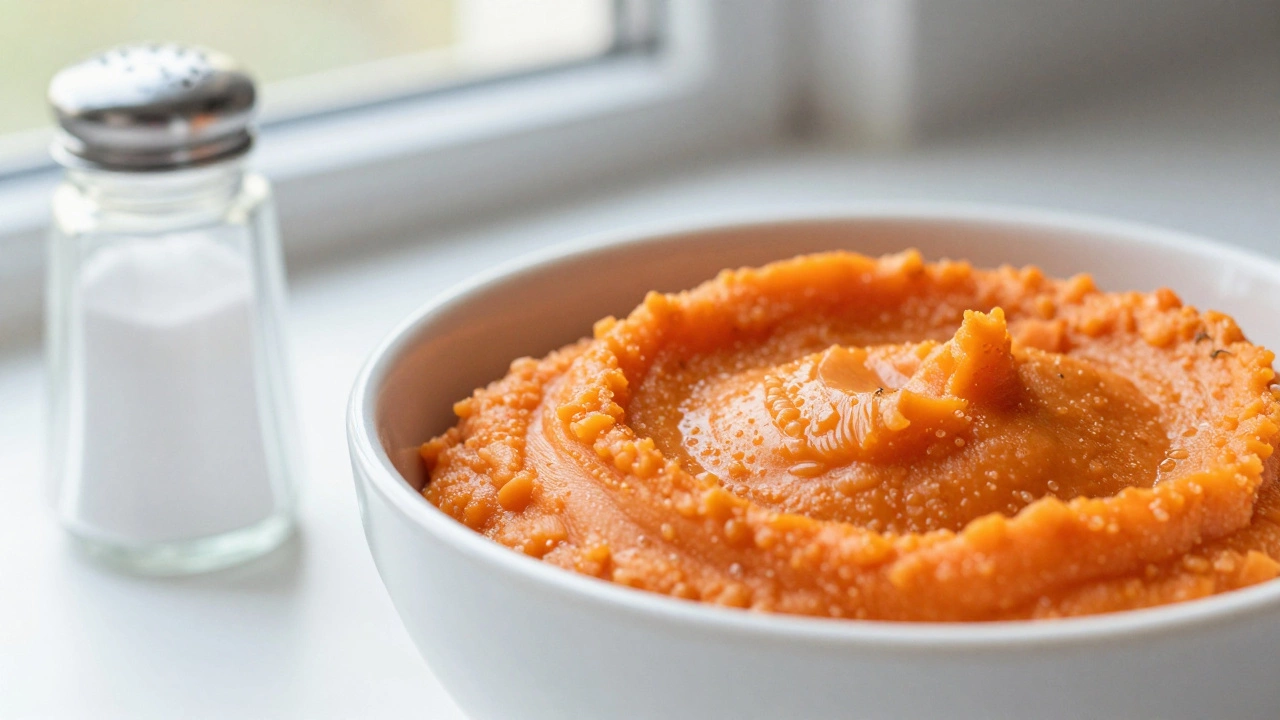
You might not be shaking a salt shaker over a bowl of puree, but Sodium is a stealthy ingredient. It's not just table salt; it's found in baking soda, preservatives, and many processed foods. If you're transitioning your baby to solids, you need to be a detective with the ingredient labels.
Many parents make the mistake of giving babies "adult" versions of snacks. For example, a piece of whole-grain toast sounds healthy, but many commercial breads contain significant amounts of salt for preservation and flavor. Similarly, a small piece of cheese can be a sodium bomb for an infant. Even some store-bought baby cereals are fortified or flavored in ways that might introduce more sodium than is ideal.
| Food Item | Sodium Level | Risk Level | Safe Alternative |
|---|---|---|---|
| Commercial Bread | High | High | Homemade unsalted bread |
| Canned Veggies | Very High | Critical | Fresh or frozen steamed veggies |
| Processed Cheese | High | High | Small amounts of fresh ricotta |
| Store-bought Purees | Variable | Medium | Home-blended organic produce |
The role of breast milk and baby formula
You might be wondering, "If they can't have salt, how do they get the sodium they need to survive?" The good news is that Breast Milk and Baby Formula (such as soy-based or cow's milk-based versions) are scientifically designed to meet every single nutritional requirement a baby has. These fluids contain the exact balance of sodium, potassium, and chloride needed for nerve function and fluid balance.
When you add extra salt to a meal, you're disrupting this perfect balance. A baby's diet at 6 months is primarily about exploration and introducing new textures. The nutrition is still coming mostly from the bottle or breast. Adding salt doesn't "complete" their nutrition; it actively compromises the balance provided by their primary food source.
Building a palate without the salt shaker
There is a huge myth that babies will refuse food if it isn't seasoned. In reality, the opposite is true. Babies are born with a natural preference for the mild, sweet, and creamy flavors of breast milk and formula. By introducing Whole Foods in their natural state, you are training their taste buds to appreciate the actual flavor of a pea or a sweet potato.
If you find that your baby is bored with plain purees, try these natural flavor enhancers instead of salt:
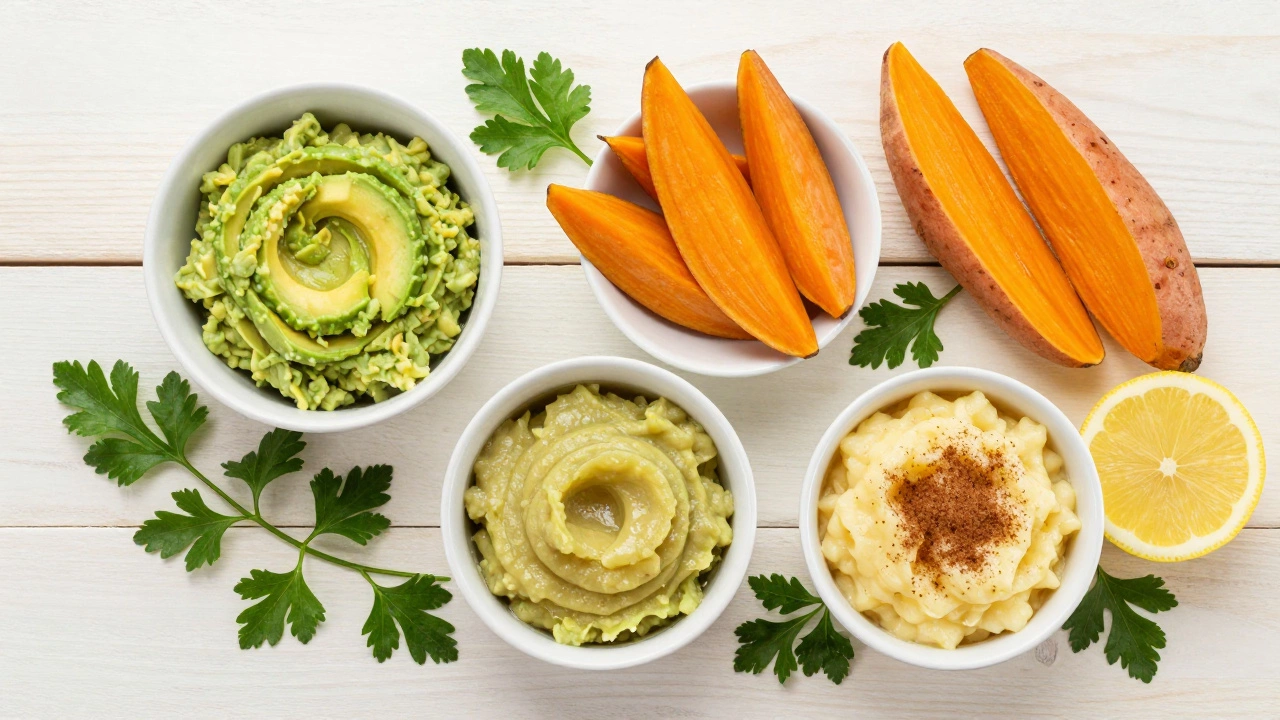
- Cinnamon or Nutmeg: Great for apple or pear purees.
- Fresh Parsley or Cilantro: Adds a green, earthy note to avocado or squash.
- Lemon Juice: A tiny drop can brighten the flavor of steamed vegetables.
- Garlic Powder (Pure): A very small pinch of pure garlic (not garlic salt!) can add depth.
By avoiding salt now, you're actually preventing future health problems. Research in pediatric nutrition shows that children introduced to high-sodium foods early in life are more likely to crave salty snacks as toddlers, which increases the risk of childhood hypertension and obesity.
How to spot sodium on a label
When you're at the store, "salt-free" isn't the only phrase to look for. Companies use a variety of names to hide sodium. If you see these on a label, put the product back on the shelf for your 6-month-old:
- Monosodium Glutamate (MSG): A flavor enhancer that is pure sodium.
- Sodium Bicarbonate: Common in baked goods.
- Sodium Nitrate/Nitrite: Found in cured meats like ham or deli turkey.
- Sodium Benzoate: A preservative used in some juices and sauces.
A good rule of thumb is to look at the "Sodium" line in the nutrition facts. For an infant, you want this number to be as close to zero as possible for any added solids. Since their kidneys can't handle the load, the risk of dehydration or electrolyte imbalance is simply too high to gamble with.
Common mistakes and how to fix them
Sometimes, a baby might accidentally eat something salty-like a crumb of a cracker or a bit of a parent's dinner. Don't panic. A single accidental bite isn't going to cause kidney failure. The danger lies in consistent, daily addition of salt to their diet.
If you've been adding salt to their purees for a while, just stop. You don't need to do a "detox," but you should transition back to naturally flavored foods immediately. If you notice your baby is unusually thirsty, lethargic, or has unusual swelling in their ankles or eyelids, contact your pediatrician. While rare from a few pinches of salt, these can be signs of sodium overload or kidney stress.
Can I give my baby a tiny bit of salt if they are a picky eater?
No. Using salt to "trick" a baby into eating is dangerous because their kidneys cannot filter the excess sodium. Instead, try mixing different vegetables together or using natural spices like cinnamon or mild paprika to make the food more interesting.
Is sodium in baby formula okay?
Yes. The sodium in infant formula is carefully measured and balanced to meet the baby's exact physiological needs. It is very different from adding table salt, which provides an uncontrolled and excessive amount of sodium.
When can I start adding salt to my child's food?
Most pediatric guidelines suggest avoiding added salt until at least 12 months of age. Even after the first birthday, it's best to keep salt intake low to foster healthy eating habits and protect their developing cardiovascular system.
Are salted crackers okay as a finger food for 6-month-olds?
No. Salted crackers are too high in sodium and often contain preservatives. They also pose a choking risk if they are too hard. Opt for soft pieces of ripe banana, avocado, or steamed sweet potato instead.
What happens if a baby eats too much salt?
Excessive sodium can lead to hypernatremia, where the sodium levels in the blood become too high. This can cause dehydration, severe strain on the kidneys, and in extreme cases, neurological issues or seizures. Always keep high-salt snacks out of reach.
Next Steps for New Parents
If you're just starting the solids journey, keep a simple food diary. Note which natural flavors your baby enjoys. If you're worried about nutritional gaps, remember that at 6 months, solids are "complementary." The bulk of their nutrition still comes from Infant Nutrition sources like breast milk or formula.
For those using a baby-led weaning approach, the same rules apply. Don't season the steamed broccoli or the roasted carrots with salt. Let the baby explore the natural taste of the earth. If you are unsure about a specific store-bought product, look for the "no added salt" or "low sodium" label, but always double-check the actual milligram count on the nutrition panel.