
Safety Barrier Solution Finder
Select your situation below to get personalized safety recommendations based on professional guidelines.
Recommended Solutions
Select your options and click "Find Safe Solutions" to see recommendations tailored to your home.
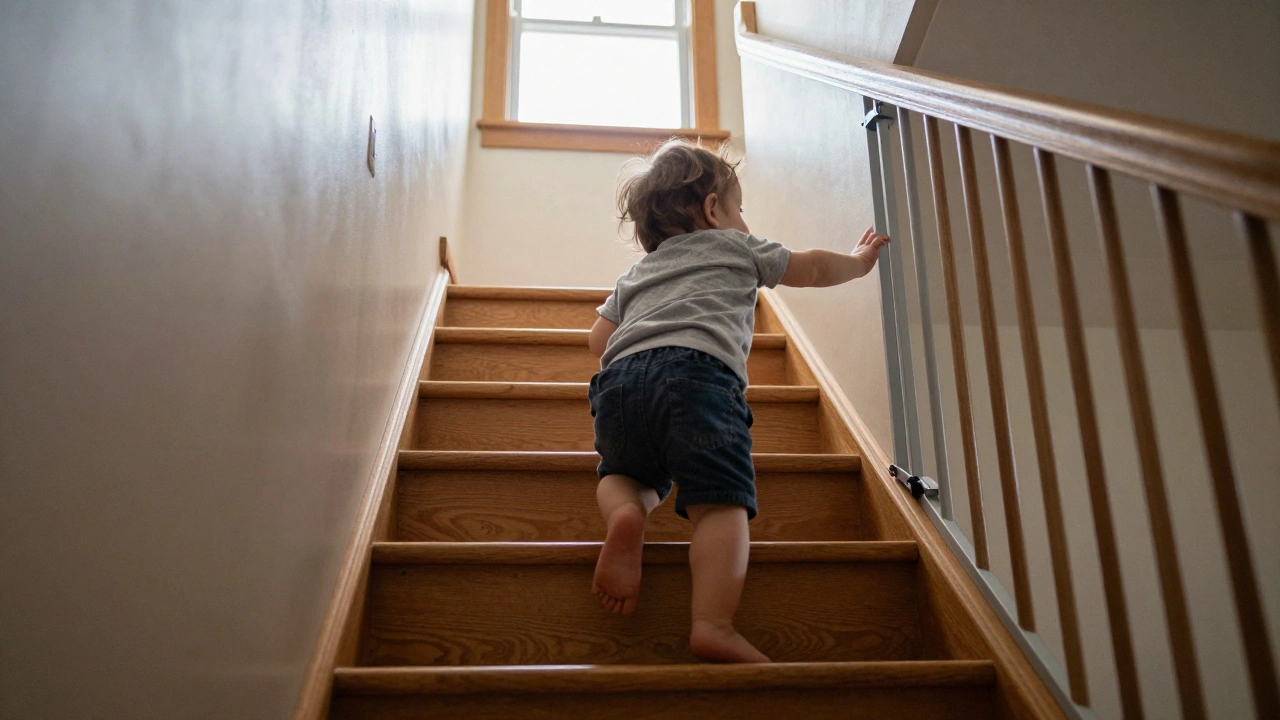
Imagine standing at the top of your stairs, heart racing, as your curious eighteen-month-old wobbles toward the edge. You reach for a safety gate is a barrier designed to prevent young children from accessing dangerous areas like stairs or kitchens, but it’s missing-maybe broken, maybe lost in the move. In that panic, you realize you need options. Not just any options, but safe, reliable ways to keep your little one secure when traditional hardware isn’t available.
You are not alone. Many parents find themselves needing a quick fix due to narrow doorways, rental restrictions, or simply running out of stock during an emergency. The good news? There are several effective alternatives to standard pressure-mounted or hardware-mounted gates. Some are permanent fixtures, others are clever DIY hacks, and some rely on behavioral training. Let’s walk through what actually works-and what could put your child at risk.
The Quick Summary: Best Alternatives at a Glance
- For Stairs: Install a permanent wooden banister extension or use a heavy-duty tension rod with a tight-fitting curtain (only if anchored securely).
- For Doorways: Use door knob covers, magnetic locks, or high-quality adhesive hooks with tension wires.
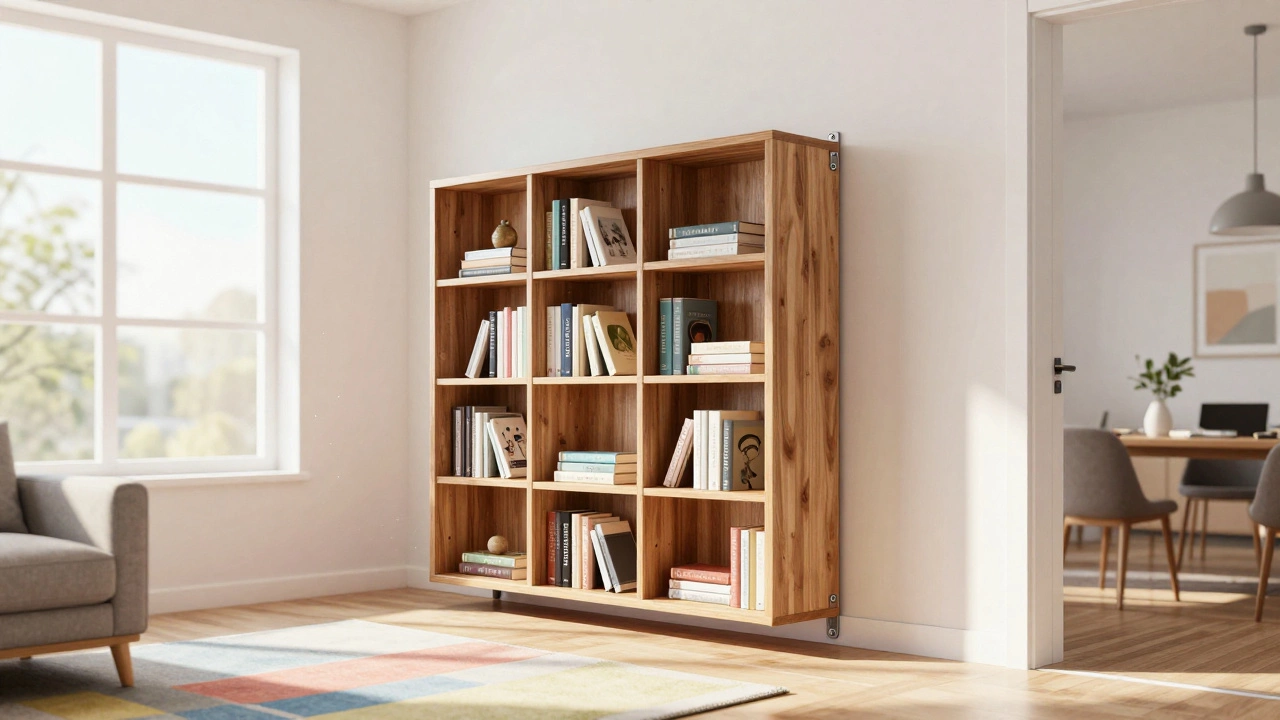
- For Temporary Blocks: Stack sturdy furniture (like bookshelves) against openings, ensuring they cannot tip over.
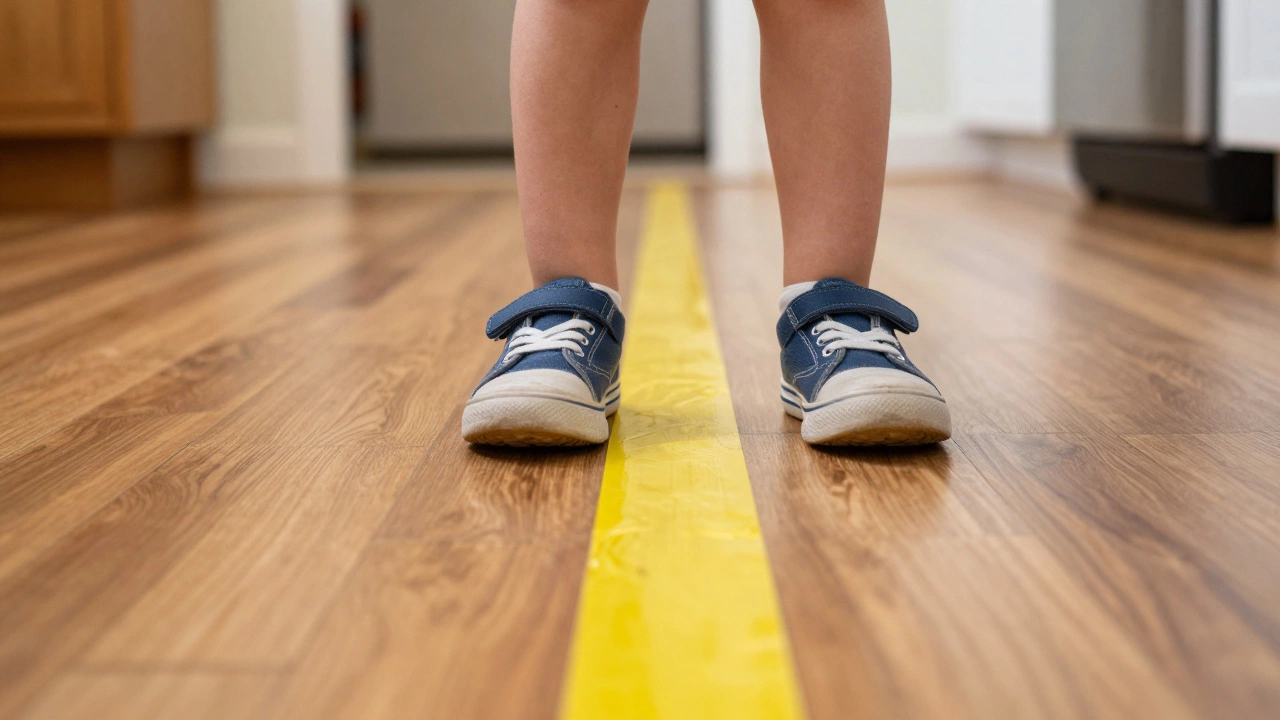
- Behavioral Approach: Teach "stop" commands and use visual cues like tape lines on floors.
- Avoid: Baby walkers, loose cushions, or flimsy plastic toys as barriers-they offer false security.
Understanding Why Gates Fail (And When You Need Alternatives)
Standard pressure-mounted gates are gates that clamp onto walls using spring tension without screws work well in many homes, but they have limits. They struggle in uneven walls, around corners, or in very wide openings (over 36 inches). Hardware-mounted gates require drilling, which renters often can’t do. So, when does a gate become impractical?
If your doorway is less than 24 inches wide, a standard gate might block too much traffic. If you’re dealing with a spiral staircase, most flat gates won’t fit. And if you’re traveling or staying in short-term rentals, carrying a bulky gate is inconvenient. These scenarios demand creative, yet safe, solutions.
Permanent Structural Solutions for Staircases
When it comes to stairs, there is no room for compromise. A fall from even a few steps can cause serious injury. If you cannot install a standard gate, consider these structural alternatives:
- Banister Extensions: Add vertical spindles or horizontal rails to extend your existing railing down to within three inches of the floor. This requires carpentry skills but offers a clean, permanent look.
- Glass Panels: Tempered glass panels mounted between newel posts provide visibility and strength. They are expensive but ideal for modern homes where aesthetics matter.
- Cable Railings: Stainless steel cables stretched tightly between posts create a barrier that meets building codes while maintaining sightlines.
These options are best handled by professionals. Ensure any installation complies with local building regulations, especially regarding spacing between bars (no more than four inches apart to prevent head entrapment).
Creative DIY Barriers for Doorways and Rooms
Not every hazard needs a full-scale construction project. For blocking access to specific rooms-like the kitchen or laundry area-you can try these methods:
| Method | Safety Level | Cost | Best For |
|---|---|---|---|
| Tension Rod + Curtain | Medium | Low | Narrow doorways (<24") |
| Furniture Blocking | High (if secured) | Free | Temporary room closure |
| Magnetic Locks | High | Medium | Cabinets and doors |
| Adhesive Hooks + Wire | Low-Medium | Low | Visual reminders only |
Tension rods with curtains can work in pinch situations. Use a heavy-duty rod that expands tightly against the door frame. Hang a thick, opaque curtain that doesn’t easily tear. Test it daily to ensure the tension hasn’t loosened. Never rely on this for stairs.
Furniture blocking involves pushing a heavy bookshelf or dresser against the doorway. Crucially, anchor the furniture to the wall to prevent tipping. An unsecured piece of furniture is more dangerous than an open door.
Behavioral Training: Teaching Your Child Boundaries
While physical barriers are essential, teaching your child to respect boundaries adds another layer of safety. Start early, around nine months, when babies begin pulling up and cruising.
Use consistent verbal cues like "Stop" or "No" paired with a gentle hand gesture. Reinforce positive behavior with praise when they obey. Over time, many toddlers learn to pause before entering restricted zones. However, never rely solely on obedience. Children are unpredictable, especially when tired or excited.
Visual aids help too. Place bright tape lines on the floor near hazards. Explain that crossing the line means danger. This simple trick can buy you precious seconds to react.
What Absolutely Not to Use
In desperation, some parents turn to unsafe substitutes. Avoid these common mistakes:
- Baby Walkers: These devices increase speed and reach, making accidents more likely. The American Academy of Pediatrics strongly advises against them.
- Loose Cushions or Pillows: They shift under weight and provide no real barrier.
- Plastic Toys or Crates: Easily toppled by a determined toddler.
- Unanchored Furniture: As mentioned, always secure heavy items to walls.
Remember, the goal is prevention, not reaction. A failed barrier can lead to severe consequences.
When to Call a Professional
If you’re unsure about installing any alternative, consult a professional. Home safety inspectors can assess your home for hidden risks. Carpenter services can build custom gates that fit unusual spaces. Electricians can install smart locks that disable doors remotely.
Investing in expert advice now can save you from future emergencies. Safety is worth the cost.
Can I use a towel rack as a baby gate?
No, a towel rack is not strong enough to stop a climbing toddler. It may bend or detach from the wall, causing injury. Always use purpose-built safety equipment.
Are tension rods safe for stairways?
Absolutely not. Tension rods lack the structural integrity to withstand impact. Stairways require hardware-mounted or built-in barriers only.
How do I secure furniture used as a barrier?
Use L-brackets or anti-tip straps to anchor the furniture to wall studs. Regularly check that the connections remain tight and undamaged.
Is behavioral training enough to replace gates?
No. Behavioral training supplements physical barriers but should never replace them. Toddlers act impulsively; always have a physical safeguard in place.
What is the safest alternative for rental apartments?
Freestanding gates that don’t require drilling are ideal for rentals. Look for models with non-slip feet and adjustable widths. Always test stability before leaving your child nearby.