Backpack Weight Safety Calculator
Enter Details
--
----
Enter your child's details to calculate the safe carrying weight.
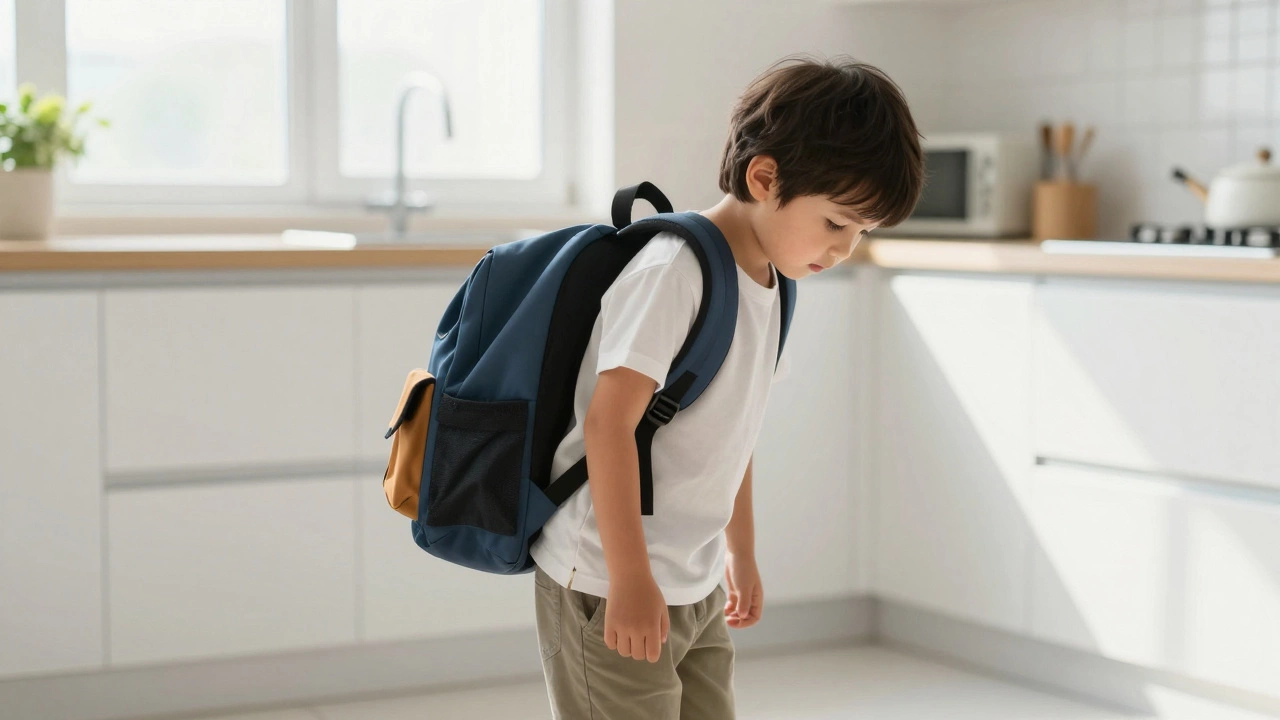
Picture this: your five-year-old waddles into the kitchen after their first week of reception class. Their shoulders are hunched, their posture is slightly slumped, and they’re complaining that their back hurts. You look at their kids backpack, and it looks like a small suitcase compared to their tiny frame. Is this normal? Should kids carry backpacks at all?
The short answer is yes, but with significant caveats. Children absolutely need to learn self-reliance and organization skills by carrying their own belongings. However, the way we’ve traditionally packed these bags-and the expectations we place on young bodies-can lead to real physical problems. The issue isn’t just about convenience; it’s about spinal development, muscle growth, and long-term health.
The Hidden Cost of Heavy Bags
We often dismiss childhood complaints as growing pains or attention-seeking behavior. But when it comes to backpack strain in children, the science tells a different story. A child’s spine is still developing. Unlike adults, whose bones have hardened, a child’s vertebrae are softer and more susceptible to misalignment caused by uneven or excessive weight.
Research from organizations like the American Academy of Pediatrics (AAP) has long warned that heavy loads can cause immediate discomfort and chronic issues. We aren't talking about permanent disability here, but we are talking about postural changes, shoulder grooving, and increased risk of injury during play. When a bag pulls a child backward, their center of gravity shifts. To compensate, they lean forward, straining their neck and lower back muscles constantly throughout the school day.
In Bristol, where I live, I see this every morning outside primary schools. Parents hand over massive rucksacks filled with textbooks, laptops, PE kits, and even lunchboxes that could feed a family of four. The problem isn't just the weight; it's the distribution. If a bag hits below the waistline, it acts as a lever, putting immense pressure on the lumbar spine.
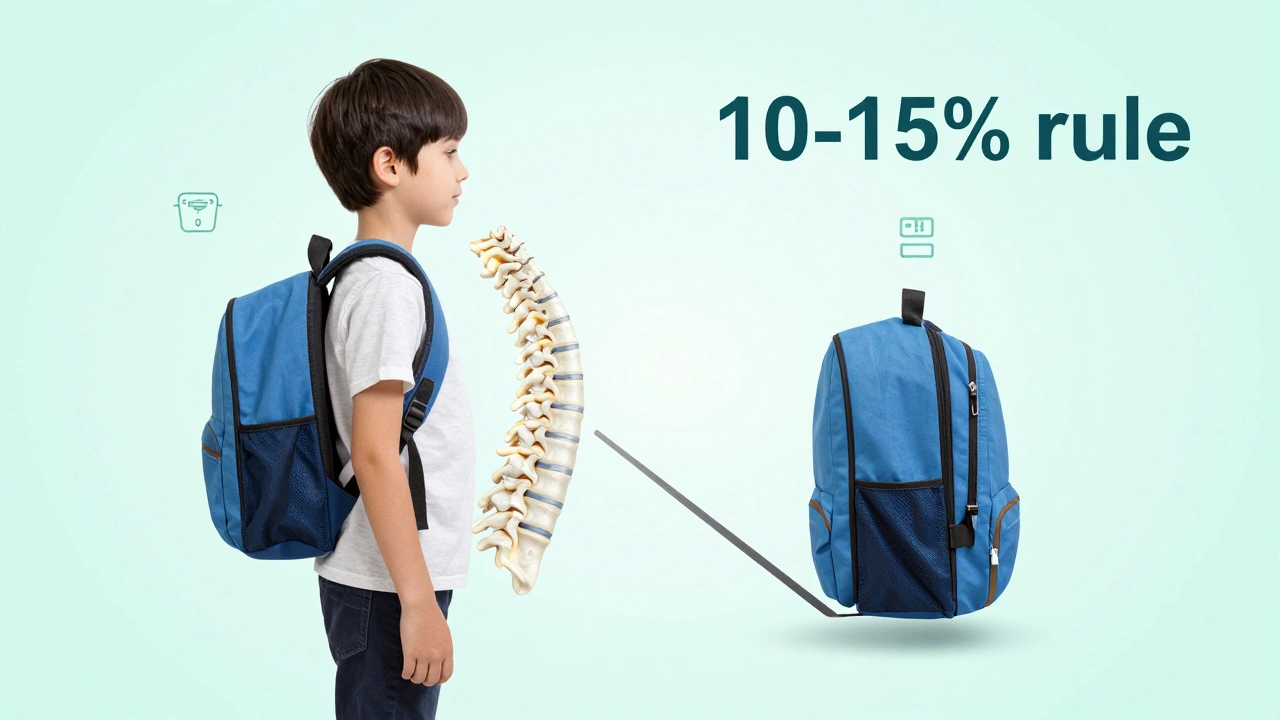
The 10-15% Rule: What Does It Actually Mean?
You’ve probably heard the golden rule: a child’s backpack should not weigh more than 10% to 15% of their body weight. This guideline is widely accepted by orthopedic specialists and physical therapists. But how do you apply it in real life?
- For a 20kg (44lb) child: The bag should weigh no more than 2kg to 3kg (4.4lb to 6.6lb).
- For a 30kg (66lb) child: The limit rises to 3kg to 4.5kg (6.6lb to 9.9lb).
- For a 40kg (88lb) teenager: They can handle up to 4kg to 6kg (8.8lb to 13.2lb).
Here’s the catch: most parents don’t weigh their bags regularly. A dry textbook weighs one thing; a wet PE kit adds another. Add a water bottle, a tablet, and a few notebooks, and you’re quickly exceeding that 15% threshold. I recommend keeping a small digital scale in your entryway. Once a month, weigh your child’s fully packed bag. It’s an eye-opening exercise. Most bags come in at 20-25% of the child’s body weight, which is well into the danger zone.
Signs Your Child’s Backpack Is Causing Harm
Children are notoriously bad at communicating specific physical discomfort. They might not say, "My sciatic nerve is irritated." Instead, they’ll act out, get tired faster, or complain generally about being "tired." Watch for these specific red flags:
- Red marks or indentations: If you see deep red lines across their shoulders after removing the straps, the bag is too tight or too heavy.
- Leaning or tilting: Does your child walk with a noticeable lean to one side? This suggests uneven weight distribution.
- Complaints of numbness: Tingling in the arms or fingers indicates nerve compression from tight straps.
- Posture changes: A rounded upper back or forward head posture while wearing the bag.
- Fatigue: Unusual tiredness after school that isn't explained by activity levels.
If you notice any of these, don’t wait. Adjust the load immediately. If symptoms persist, consult a pediatrician or a physiotherapist.
Choosing the Right Gear: Features That Matter
Not all school bags are created equal. A flimsy fabric sack with thin straps does more harm than good. When shopping for a new backpack, focus on ergonomics, not just aesthetics. Here are the non-negotiable features:
| Feature | Why It Matters | What to Look For |
|---|---|---|
| Padded Shoulder Straps | Distributes weight and prevents nerve compression | Wide, thick padding with adjustable buckles |
| Back Padding | Protects the spine and improves airflow | Contoured foam that matches the shape of the back |
| Waist Belt (Hip Belt) | Transfers weight from shoulders to hips | Sturdy belt for heavier loads (ages 7+) |
| Multiple Compartments | Helps organize weight closer to the body | Separate sections for books, tech, and soft items |
| Reflective Strips | Safety visibility in low light | 3M reflective material on front and sides |
Avoid bags with single straps or messenger-style designs for daily use. These force the child to bear all the weight on one side of the body, leading to scoliosis-like curvature over time. Stick to double-strap backpacks designed specifically for children’s anatomy.
Packing Smart: Practical Tips for Parents
Even the best backpack will fail if it’s packed incorrectly. Teaching your child how to pack is part of the lesson. Here’s how to optimize the load:
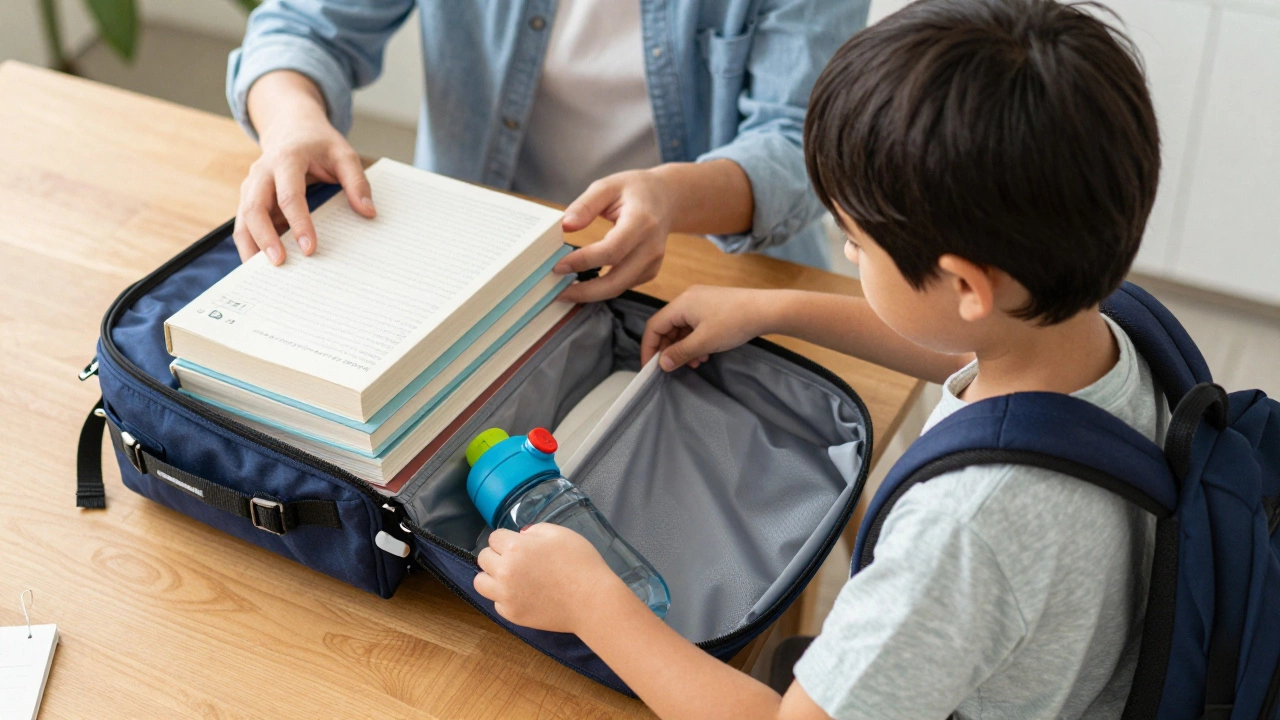
- Heaviest items closest to the back: Place textbooks and laptops in the compartment nearest the child’s spine. This keeps the center of gravity high and close to the body, reducing leverage pull.
- Lighter items on the outside: Jackets, water bottles, and snacks go in the outer pockets.
- Use both sides evenly: If the bag has side pockets, ensure the weight is balanced left-to-right.
- Leave space: Don’t overstuffed the main compartment. A compressed bag becomes rigid and harder to adjust.
- Adjust the straps: The top of the bag should sit no lower than two inches below the child’s chin. The bottom should not dip below the waistline.
I also suggest implementing a "bag audit" every Friday. Go through the contents together. Are there old worksheets from three weeks ago? Unnecessary art supplies? Clear them out. Encourage your child to leave heavy textbooks at school if the teacher allows it. Many schools now offer lockers or keep core texts in classrooms to reduce daily weight.
Alternatives to Daily Carrying
Is there a middle ground? Absolutely. You don’t have to choose between total independence and zero effort. Consider these alternatives:
- Rolling Backpacks: Great for paved surfaces and older children. However, be cautious on stairs, grass, or crowded hallways. They can become tripping hazards.
- School Lockers: Advocate for locker access at your child’s school. Even a small cubby hole makes a difference.
- Split Loads: On days when the load is particularly heavy, consider splitting the bag. One parent carries the heavy textbooks, while the child carries their personal items.
- Digital Textbooks: Push for e-learning resources. Tablets are significantly lighter than hardcover books.
Rolling bags are popular in the UK, but remember that they don’t build the same core strength as carrying. Use them sparingly, perhaps only for very heavy science projects or music instruments.
Building Core Strength Naturally
Part of the solution lies in the child’s physical resilience. A stronger core helps support the spine under load. Encourage activities that build trunk stability without adding stress:
- Playground activities: Climbing frames, monkey bars, and balancing beams engage core muscles naturally.
- Swimming: Excellent for overall muscle balance and posture.
- Gymnastics or Yoga: Teaches body awareness and alignment.
- Walking posture drills: Practice walking with a straight back and engaged stomach at home.
Don’t start formal weightlifting until adolescence. For younger kids, bodyweight exercises and active play are sufficient. The goal is functional strength, not muscle mass.
The Social Aspect of Backpacks
Let’s not ignore the social pressure. In many schools, backpacks are status symbols. Brands matter. Logos matter. This can lead to parents buying larger, trendier bags that prioritize style over function. Resist this urge. Explain to your child that comfort and safety are more important than brand names. If peer pressure is intense, look for ergonomic brands that also have appealing designs. There are plenty of stylish options that meet medical standards.
Also, discuss sharing. If a friend has a heavy load, can they swap items temporarily? Can they take turns carrying the heaviest book? These small acts of kindness reduce individual burden and teach empathy.
When to Seek Professional Help
If you’ve adjusted the bag, reduced the weight, and improved packing habits, but your child still complains of pain, it’s time to see a professional. Look for signs of:
- Persistent back pain lasting more than a week
- Numbness or weakness in legs
- Bowel or bladder changes (rare, but serious)
- Visible curvature of the spine
A pediatrician can rule out underlying conditions like scoliosis or disc issues. A physiotherapist can provide specific exercises to strengthen weak areas and correct posture. Early intervention prevents long-term complications.
At what age should a child start carrying their own backpack?
Most children can start carrying lightweight backpacks around age 4 or 5, when they begin preschool or reception. Start with very light loads (under 1kg) to build habit and strength. Gradually increase weight as they grow. Before age 4, parents should carry the majority of the weight.
Are rolling backpacks better than traditional ones?
Rolling backpacks reduce strain on the back and shoulders but introduce other risks. They can be tripping hazards on stairs or uneven terrain. They also don’t help build core strength. Use them selectively for very heavy loads, but encourage carrying for lighter days to maintain muscle development.
How do I know if my child’s backpack fits properly?
A proper fit means the bottom of the bag sits above the waistline, and the top rests comfortably below the chin. Shoulder straps should be snug but not digging in. There should be no gap between the bag and the child’s back. Adjust all straps before each use.
Can heavy backpacks cause scoliosis?
Current medical consensus suggests that heavy backpacks do not directly cause idiopathic scoliosis. However, they can exacerbate existing curvature or lead to postural deviations that mimic scoliosis. Uneven weight distribution is the primary concern. Regular checks by a pediatrician are recommended.
What should I do if my child refuses to wear their backpack correctly?
Make it a routine. Check straps together every morning. Explain why proper fit matters using simple terms ("It helps your back stay strong"). Praise correct usage. If resistance continues, involve the school nurse or teacher to reinforce the message.