Baby Monitor Comparison Tool
Apple Watch vs Baby Monitors
This tool compares key features between Apple Watch and dedicated baby monitors. The information is based on medical guidelines and expert recommendations from organizations like the AAP and NHS.
Important Note: Apple Watch cannot replace a dedicated baby monitor. It lacks the medical-grade sensors, certifications, and reliability needed for infant safety.
| Feature | Apple Watch | Dedicated Baby Monitor |
|---|---|---|
| Infant Breathing Monitoring | No | Yes |
| Medical Certifications | None | FDA/CE Certified |
| Sound Detection Accuracy | Limited (misses muffled cries) | High (dedicated audio sensors) |
| Battery Life for Overnight Use | ~18 hours (insufficient) | 24+ hours (reliable) |
| Choking Hazard Risk | Yes (band can be dangerous) | No (specialized design) |
| Emergency Alerts | Unreliable (may miss critical events) | Reliable (medical-grade algorithms) |
| FDA-Cleared for Infant Safety | No | Yes |
| Recommended by Pediatric Organizations | No | Yes |
Final Assessment: Apple Watch is designed for adult fitness tracking and daily use, not for infant safety monitoring. Dedicated baby monitors meet medical standards and provide reliable alerts that can potentially save lives.
You’re tired. Really tired. The baby’s been awake for the third time tonight, and you’re wondering if you can just skip the extra device on the nightstand. Can your Apple Watch - the one you already wear every day - double as a baby monitor? It sounds like a smart hack. But here’s the truth: Apple Watch can’t replace a real baby monitor, and trying to make it work might leave you more stressed than rested.
What a Baby Monitor Actually Does
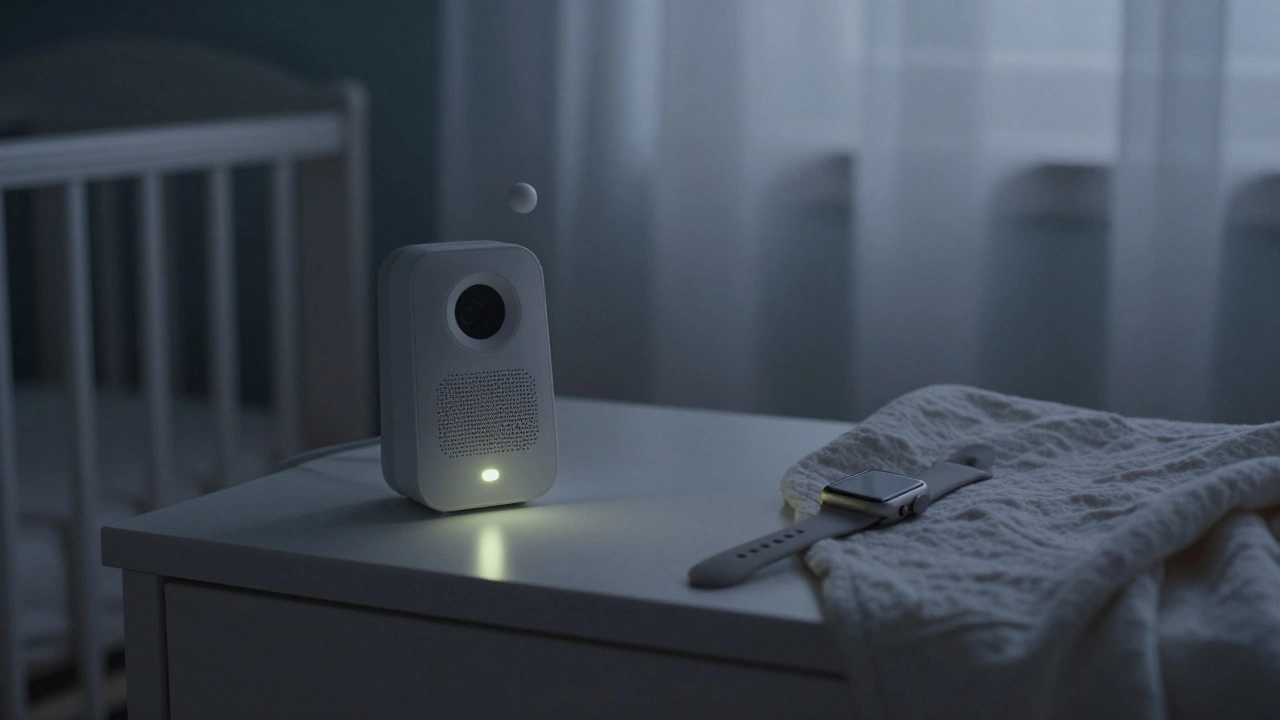
A real baby monitor isn’t just a speaker that plays your baby’s coos. It’s a system built for one thing: giving you peace of mind while your baby sleeps. Good monitors track breathing, movement, sound, and sometimes even room temperature. They send alerts when something’s off - like if your baby stops moving for 20 seconds, or if the room gets too cold. They’re designed for reliability, not convenience.Apple Watch, on the other hand, is a fitness tracker with a heart rate sensor and an accelerometer. It’s great for counting steps, reminding you to stand, and tracking your sleep. But it doesn’t have the sensors, algorithms, or certifications needed to monitor an infant safely.
Why Apple Watch Can’t Monitor Your Baby
Let’s break this down plainly. The Apple Watch doesn’t have:- A dedicated audio sensor tuned for infant cries
- Any way to detect breathing patterns or movement in another person
- Software that can distinguish between a baby’s normal fidgeting and a potential emergency
- Medical-grade accuracy or FDA clearance for infant monitoring
You might think, “But I can use the Find My app or Family Sharing to track my baby’s location!” That’s not how it works. Family Sharing lets you see where a device is - not whether a child is breathing. If you put an Apple Watch on your baby, you’re not monitoring them. You’re just tracking a piece of electronics that could fall off, get swallowed, or overheat.
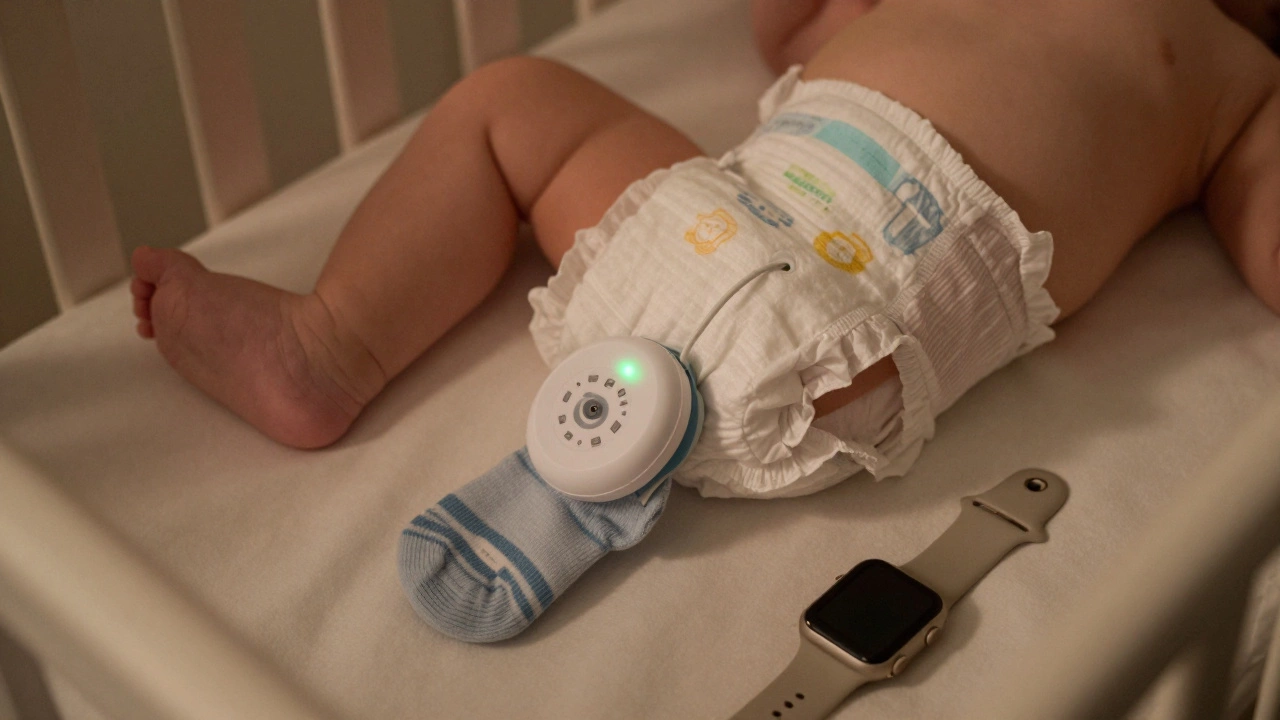
And yes - some parents have tried putting an Apple Watch on their infant. There are YouTube videos of it. But pediatricians and child safety experts warn against it. The watch isn’t designed for babies under 12 months. The band can be a choking hazard. The screen is too bright for a nursery. And the battery? It lasts about 18 hours. That’s not enough for overnight use, especially if your baby wakes up every two hours.
What About Third-Party Apps?
There are apps that claim to turn your Apple Watch into a baby monitor. Some use the microphone to pick up crying. Others try to detect motion using the watch’s accelerometer. They sound clever - until you test them.One popular app, Baby Monitor 3G, says it works with Apple Watch. But here’s what happens in real life: it goes off when the dog barks. Or when the wind rattles the window. Or when you roll over in bed. It misses cries that are muffled by blankets. And it doesn’t alert you if your baby stops breathing - because it can’t.
These apps are entertainment, not safety tools. They’re not built to medical standards. No reputable pediatric organization - not the AAP, not the NHS, not the American Academy of Pediatrics - recommends using a smartwatch to monitor an infant.
What Happens When You Rely on It?
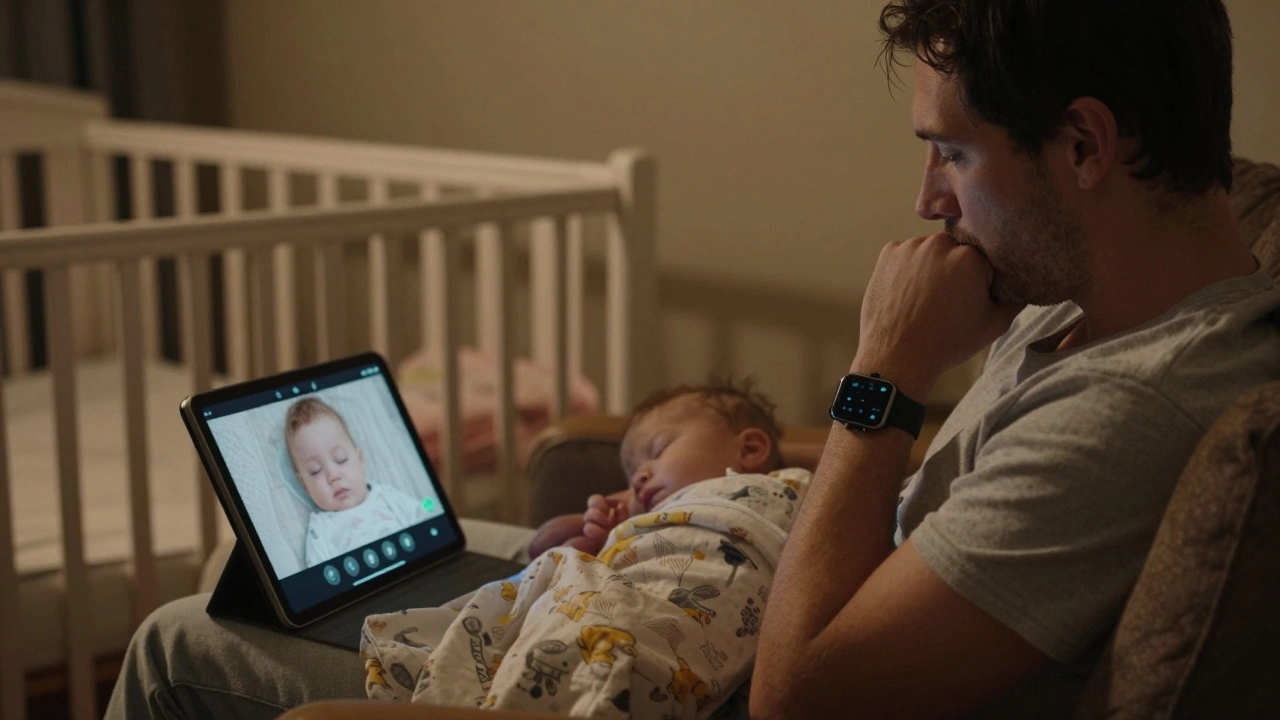
Imagine this: it’s 3 a.m. Your Apple Watch buzzes. You think it’s your baby crying. You stumble into the nursery. The baby is fine - just stirring. You go back to bed. Ten minutes later, your baby starts crying again. This time, your watch doesn’t buzz. Why? The app glitched. Or the battery died. Or the watch slipped off the crib.You’re now exhausted, anxious, and doubting every sound your baby makes. That’s not peace of mind. That’s sleep deprivation with extra steps.
Real baby monitors have been tested in labs. They’ve been used in hospitals. They’re designed to fail safely - meaning if they lose connection, they’ll still alert you with a loud alarm or a flashing light. Your Apple Watch? It’ll just go quiet.
What Should You Use Instead?
If you want to cut down on gear, here’s what actually works:- Audio-only monitors - Simple, reliable, under £50. You hear every cry, every gurgle, every sigh.
- Video monitors - If you want to see your baby, get one with night vision and two-way talk. Brands like Nanit, Eufy, and Infant Optics are trusted by thousands of UK parents.
- Smart monitors with breathing sensors - The Snuza Hero and Owlet Smart Sock 2 are designed for infants. They clip onto the diaper and measure oxygen levels and heart rate. They’ve been clinically tested and are used by NICUs.
None of these need your Apple Watch. They work on their own. They don’t drain your battery. And they don’t rely on a phone app that might crash at 2 a.m.
Can You Use Your Apple Watch to Help - Indirectly?
Yes - but not as a monitor. You can use it to make parenting easier:- Set a bedtime reminder so you don’t miss your baby’s sleep window.
- Use the “Do Not Disturb” mode so your phone doesn’t ping while you’re feeding.
- Track your own sleep patterns - if you’re getting less than 5 hours, you need help, not a gadget.
- Enable the Emergency SOS feature in case you need to call for help fast.
These are smart uses of technology. They support you. They don’t pretend to replace what you need: a reliable, purpose-built device that keeps your baby safe.
Final Verdict
No, you cannot use an Apple Watch as a baby monitor. Not safely. Not reliably. Not even close.It’s tempting to think you can skip buying another gadget. But when it comes to your baby’s safety, cutting corners isn’t smart - it’s risky. A £60 audio monitor is cheaper than a hospital visit. A £120 smart sock gives you real data, not false alarms.
Your Apple Watch is a tool for you. Not your baby. Let it do what it’s built for: help you stay healthy, connected, and rested. Leave the monitoring to devices made for the job.
If you’re tired, overwhelmed, or unsure - talk to your health visitor. They’ve seen this before. They know what works. And they won’t recommend a smartwatch that could put your baby at risk.