Toddler Blanket Readiness Calculator
How old is your child?
Age is the primary factor in determining safety readiness.
What type of bed do they use?
Cribs have bars that can trap bedding, while open beds allow more movement.
Motor Skills Check
Can your child pull themselves up from lying down and swat objects away easily?
Awareness Check
If you cover their eyes with a soft cloth while awake, do they immediately react and push it off?
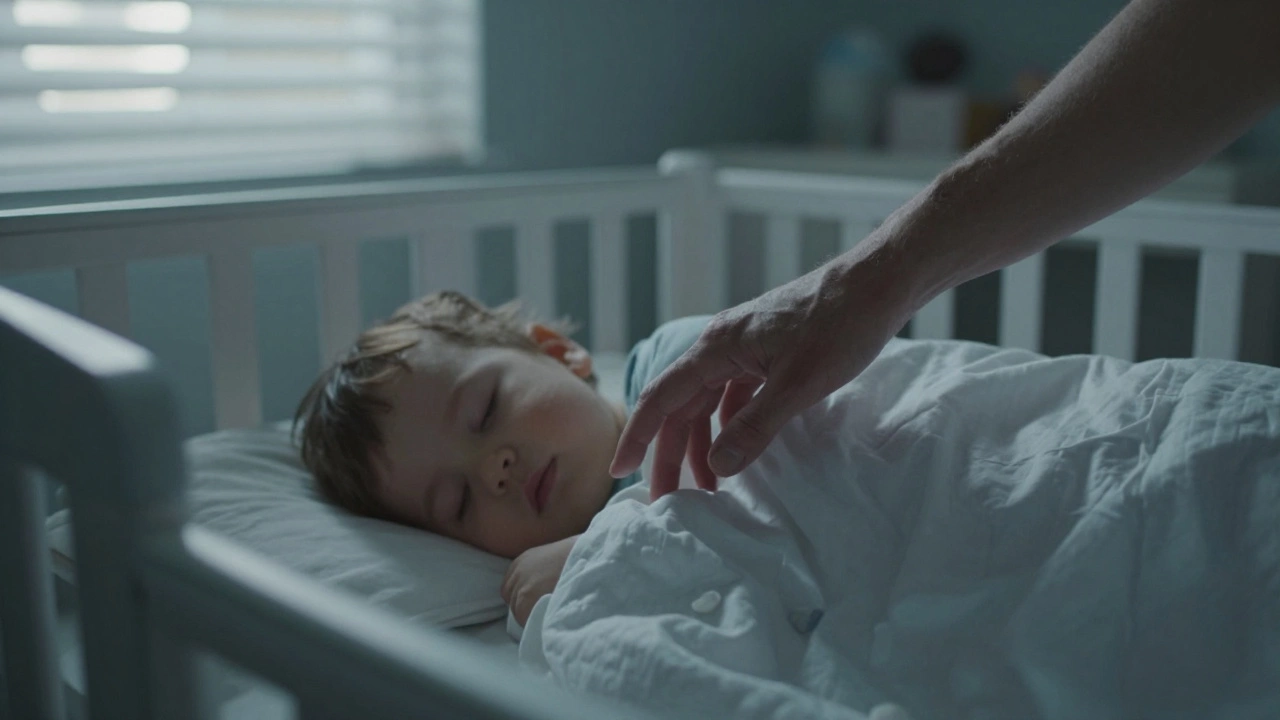
It’s 2 AM. You peek into the nursery and see your little one shivering slightly under their fitted sheet. The instinct is immediate: grab that soft, cozy fleece throw you’ve been saving for this exact moment. But then you pause. Is it safe? Are they old enough? This hesitation is common among parents navigating the tricky waters of toddler sleep safety.
The short answer is simple: most experts recommend waiting until your child is at least 18 months, with many suggesting you wait until they are fully out of the crib and into a toddler bed. However, timing isn’t just about age-it’s about ability. Can your child pull the covering off if it covers their face? Do they understand how to manage loose bedding? These questions determine whether a blanket becomes a comfort or a hazard.
The Safety First Approach: Why Age Matters
Sleep-related accidents are rare but serious. The primary concern with loose bedding-blankets, pillows, and stuffed animals-is suffocation risk. Infants and young toddlers lack the motor skills to move an object away from their airway if it slips over their nose or mouth during sleep.
By 18 months, most children have developed enough coordination to roll away from a blanket or push it off their face. By 24 months, these skills are usually well-established. That said, "most" doesn't mean "all." Every child develops at their own pace. If your 18-month-old is still struggling to sit up independently or seems clumsy with their limbs, it might be wise to wait another few months.
Consider the type of sleep space too. In a crib, the rails can trap a blanket against a child's face, increasing entanglement risks. In a toddler bed or adult bed, the child has more freedom to move, which generally reduces-but doesn't eliminate-suffocation risks.
Signs Your Toddler Is Ready for a Blanket
Instead of watching the calendar, watch your child. Here are practical signs that indicate readiness:
- Motor Skills: Can they pull themselves up from lying down? Can they swat objects away?
- Awareness: Do they react if something covers their eyes while awake?
- Bed Transition: Have they moved from a crib to a toddler bed? This is often the best trigger for introducing blankets.
- Cold Sensitivity: Do they complain about being cold or wake up shivering?
If your child checks at least three of these boxes, they’re likely ready. If not, stick with safer alternatives like wearable sleep sacks.
Safe Alternatives Before the Blanket
You don’t have to choose between freezing toes and potential hazards. Several safe options keep toddlers warm without loose fabric risks.
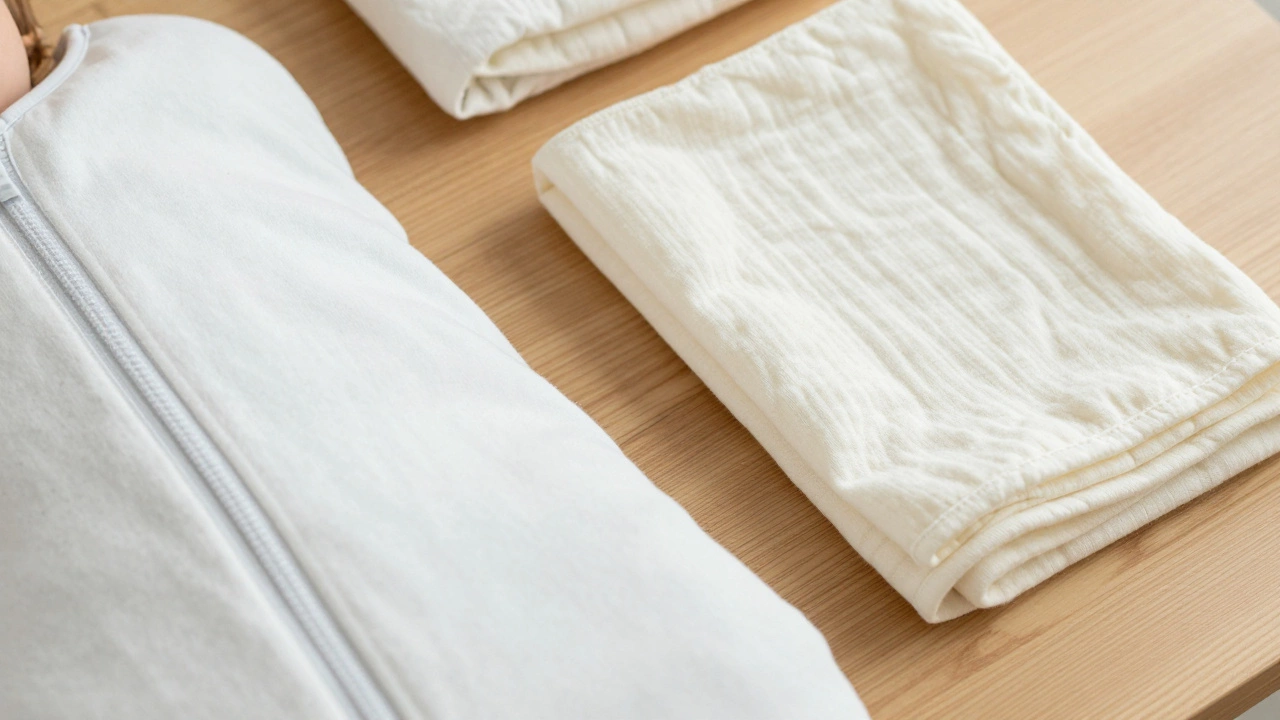
Sleep Sacks: These are essentially wearable blankets. They zip around the torso and leave arms free for movement. Look for ones rated for your child’s weight and temperature needs. Many brands offer transitional sizes for toddlers who are too big for infant sacks but not quite ready for sheets.
Fitted Sheet Only: Some parents use only a tight-fitting crib sheet. While minimal, it prevents tangling. If the room is cool, dress your child in layers instead-a long-sleeve pajama top and bottoms made of cotton or wool blend.
Weighted Blankets (Not Recommended Yet): Despite trends, weighted blankets are not safe for toddlers. The added pressure can restrict breathing and movement. Save these for older children, typically above age 5, and always consult a pediatrician first.
Choosing the Right Blanket
When the time comes, pick wisely. Not all blankets are created equal when it comes to safety.
| Type | Safety Level | Best For |
|---|---|---|
| Receiving Blanket (Cotton) | High | First blanket; lightweight and breathable |
| Fleece Throw | Medium | Warmer rooms; ensure it’s thin and not overly bulky |
| Wool Blanket | Low | Avoid unless child has no allergies; heavy and can retain heat |
| Knit Blanket | Low | Risk of fingers getting caught in loops; skip for early users |
Stick to flat, woven cotton or muslin blankets initially. Avoid anything with fringe, tassels, or loose threads that could pose choking or entanglement hazards. Size matters too-choose a blanket small enough that it won’t drape heavily over the entire body. A toddler-sized throw (around 30x40 inches) works better than a full-size queen blanket.
Transitioning from Crib to Toddler Bed
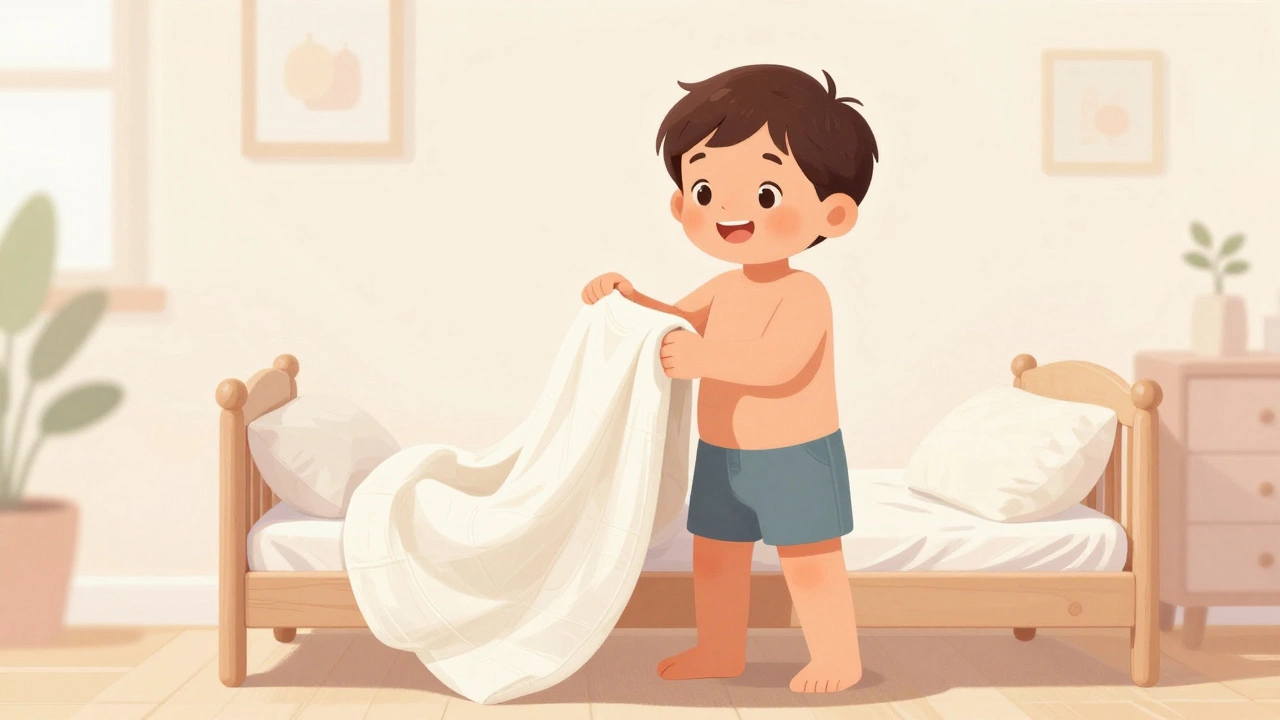
The move to a toddler bed is often the perfect opportunity to introduce a blanket. Why? Because cribs have bars that can trap bedding, whereas open beds allow freer movement. Plus, the psychological shift of having “big kid” gear helps normalize new sleep routines.
Make the transition gradual. Start by letting your child play with the blanket during daytime naps or quiet time. Let them practice pulling it up and pushing it down. This builds muscle memory and confidence before nighttime sleep.
Also, consider the room temperature. The National Sleep Foundation recommends keeping the bedroom between 60-67°F (15-19°C). If your home runs cooler, layer clothing rather than relying solely on thick blankets. Overheating is another risk factor for sudden infant death syndrome (SIDS), though less relevant after age 1, it’s still good practice to avoid excessive warmth.
What If Your Child Resists the Blanket?
Some kids reject blankets entirely. Maybe they feel restricted. Maybe they prefer kicking things off. Don’t force it. If your child sleeps soundly without one, there’s no medical reason to insist. Comfort varies widely among children.
If they do want something to cuddle, consider a small lovey-a soft stuffed animal or security object. Just ensure it’s small enough to fit inside a pillowcase so it can’t cover their face. And again, only introduce once they’re past the 18-month mark and showing strong motor control.
Final Thoughts on Timing and Trust
There’s no single day when every toddler becomes blanket-ready. It’s a spectrum based on development, environment, and individual temperament. When in doubt, err on the side of caution. Use sleep sacks until you’re confident in your child’s ability to manage loose bedding safely.
Remember, your goal isn’t just warmth-it’s uninterrupted, safe sleep for both you and your child. By aligning blanket introduction with physical readiness and bed transitions, you create a smoother path toward independent sleeping habits.
Can I give my 1-year-old a blanket?
No, it’s not recommended. At 12 months, infants still lack the motor skills to remove a blanket from their face if it slips. Stick to sleep sacks or wearable blankets until at least 18 months.
Is it safe to use a weighted blanket for a toddler?
No. Weighted blankets pose serious risks for toddlers, including restricted breathing and limited movement. Wait until your child is at least 5 years old and consult your pediatrician before considering one.
How do I know if my toddler is too hot or cold at night?
Check their chest or back-not hands or feet, which are naturally cooler. If they’re sweating or flushed, they’re too warm. If they’re shivering or have cool skin, add a layer. Aim for a room temp of 60-67°F.
Should I tuck the blanket tightly around the mattress?
Yes, especially in a crib. Tuck the edges securely under the mattress to prevent bunching or lifting over the child’s face. In a toddler bed, let the blanket rest loosely but avoid oversized throws.
What’s the best material for a toddler’s first blanket?
Flat-woven cotton or muslin is ideal. These materials are breathable, lightweight, and unlikely to overheat your child. Avoid fleece, wool, or knits with loose threads until your child is older and more experienced with bedding.