Baby Sleep Safety Calculator
Get personalized sleep safety recommendations for your baby
For decades, wrapping a baby tightly in a blanket was the gold standard for soothing a fussy infant. It mimicked the womb, reduced startle reflexes, and helped babies sleep longer stretches. But if you’ve read recent parenting advice or talked to a pediatrician lately, you might have heard that swaddling is no longer recommended-or at least, it comes with strict warnings. The shift isn’t just a trend; it’s a response to hard data on infant mortality and developmental health.
The landscape of infant care has changed because we now understand more about how babies breathe, move, and develop physically. What was once seen as a harmless comfort measure is now viewed through the lens of risk management. This article breaks down why experts are moving away from traditional swaddling, what specific dangers it poses, and what safer alternatives exist today.
The SIDS Connection: Why Position Matters
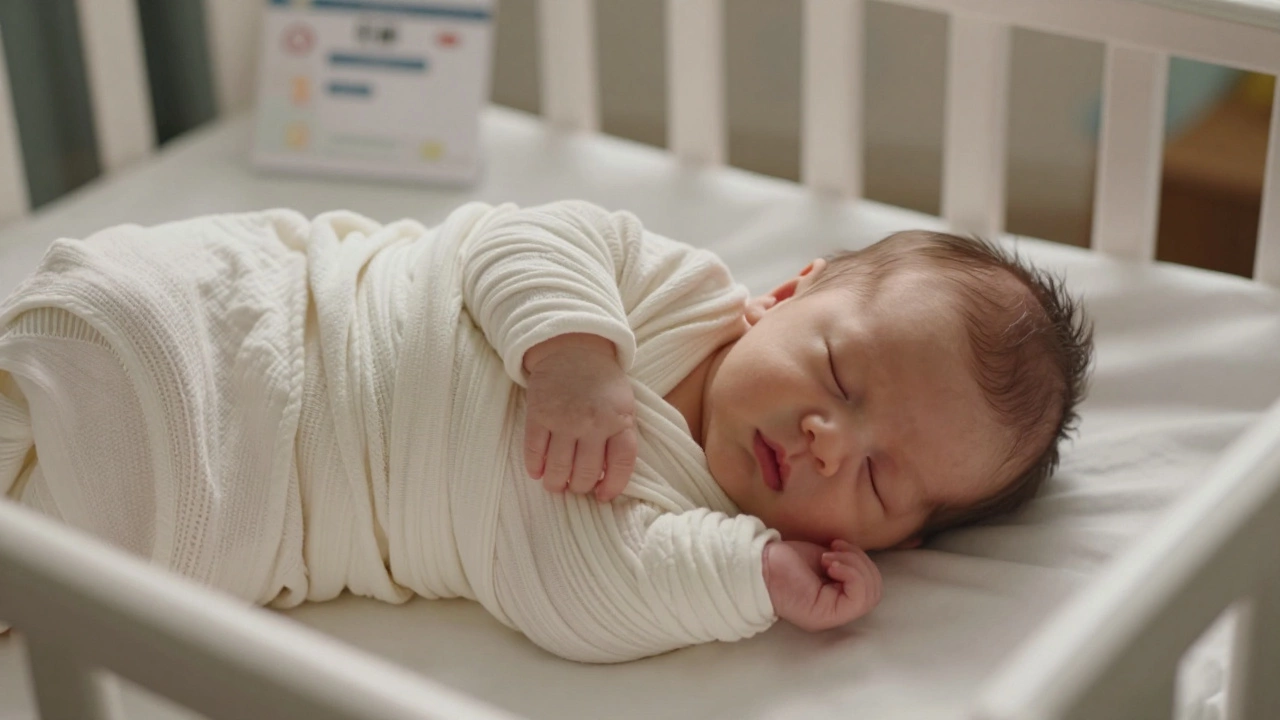
The biggest reason swaddling fell out of favor is its link to Sudden Infant Death Syndrome (SIDS). For years, parents were told to place babies on their backs to sleep-a rule that drastically reduced SIDS rates. However, researchers noticed a troubling pattern: babies who were swaddled and then rolled onto their stomachs were at a significantly higher risk of suffocation or rebreathing carbon dioxide.
Here is the critical problem: most babies begin to roll over between 3 and 4 months of age. Some even roll earlier. If a baby rolls onto their tummy while swaddled, their arms are trapped against their body. They cannot push up, lift their head, or turn it to clear their airway. This inability to reposition themselves creates a dangerous trap.
The American Academy of Pediatrics (AAP) updated its guidelines to reflect this reality. They advise that swaddling should stop immediately when a baby shows any signs of rolling. Since predicting exactly when a baby will roll is impossible, many experts recommend stopping swaddling altogether by 8 weeks, or switching to safer alternatives before then.
Hip Dysplasia and Physical Development
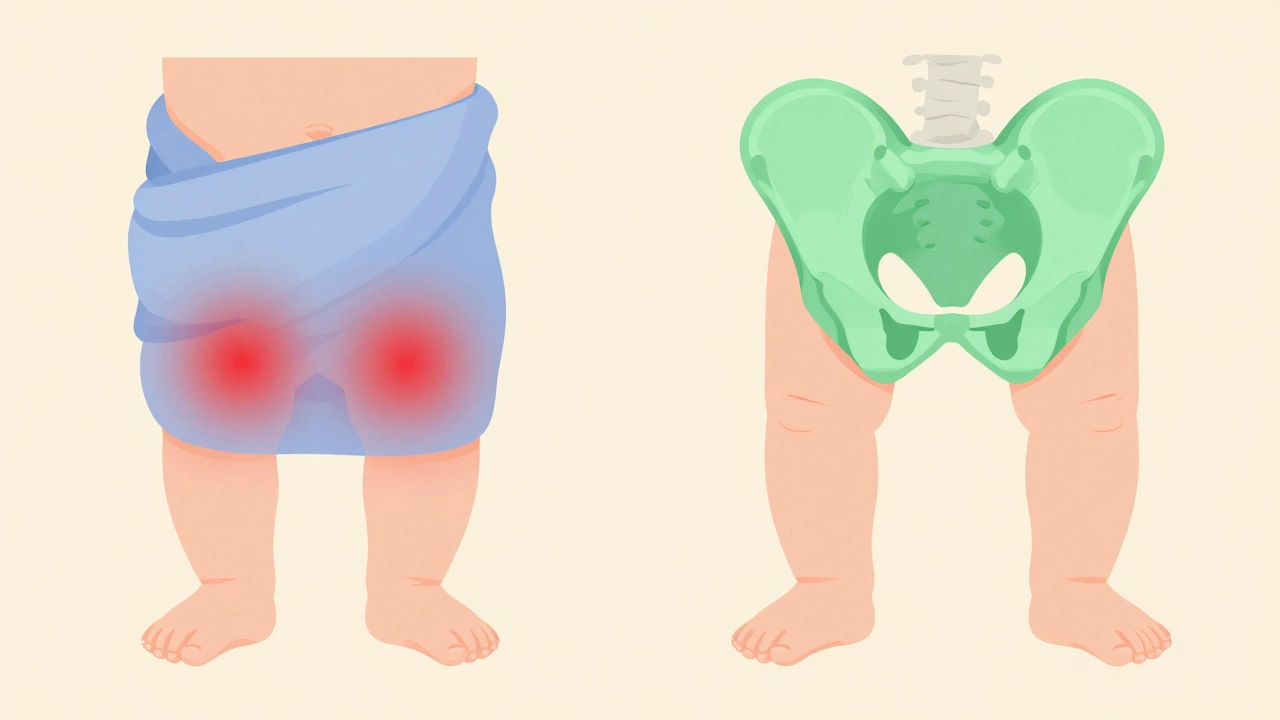
Beyond sleep safety, there is a growing concern about how tight swaddling affects a baby’s skeletal development. Specifically, doctors are worried about Developmental Dysplasia of the Hip (DDH). When a baby’s legs are wrapped straight down and held tightly together, it puts stress on the hip joints. The hips need room to spread naturally-often described as an "M" position-to form correctly.
Traditional swaddling often forces the legs into extension and adduction (straight and together). This position can dislocate the hip or prevent the socket from deepening properly. While mild cases may resolve on their own, severe DDH can require braces, casts, or even surgery later in childhood. The International Hip Dysplasia Institute explicitly advises against tight leg binding.
This issue highlights a broader principle in modern pediatrics: movement is medicine. Babies need freedom of movement to strengthen their core muscles, practice reaching, and develop motor skills. Restricting their limbs for hours at a time delays these milestones. You might notice that a heavily swaddled baby seems calmer, but they are also missing out on crucial physical exploration.
Overheating: A Silent Risk
Another significant factor is temperature regulation. Newborns struggle to regulate their body heat effectively. Adding multiple layers of blankets, especially in a warm room, can lead to overheating. Overheating is a known risk factor for SIDS. It causes the baby to sweat, become restless, and potentially enter a deeper sleep state that makes it harder for them to wake up if they encounter breathing difficulties.
Many traditional swaddles are made of thick cotton or fleece materials designed to keep warmth in. In homes with central heating or during warmer months, this can quickly raise a baby’s core temperature. The AAP recommends keeping the sleep environment cool, around 68-72°F (20-22°C), and avoiding excessive clothing. A heavy swaddle contradicts this advice.
Even if you use a lightweight muslin cloth, the act of wrapping tightly traps body heat. Parents often misjudge how hot their baby is, checking the chest instead of the hands or feet (which are naturally cooler). By the time you realize the baby is sweating, they may already be in a risky thermal state.
The Shift to Safe Sleep Alternatives
If swaddling is risky, how do you soothe a crying baby without trapping their arms? The answer lies in transitional tools that offer comfort without restriction. Two primary alternatives have gained traction: wearable blankets and baby carriers.
Wearable Blankets and Sleep Sacks
Wearable blankets, often called sleep sacks, allow the baby’s arms to move freely while keeping their torso warm. They eliminate the risk of loose bedding covering the face and reduce overheating since you can choose breathable fabrics. Look for TOG-rated sleep sacks that match your room’s temperature. These products provide the security of being contained without the danger of restricted movement.
Baby Carriers and Wraps
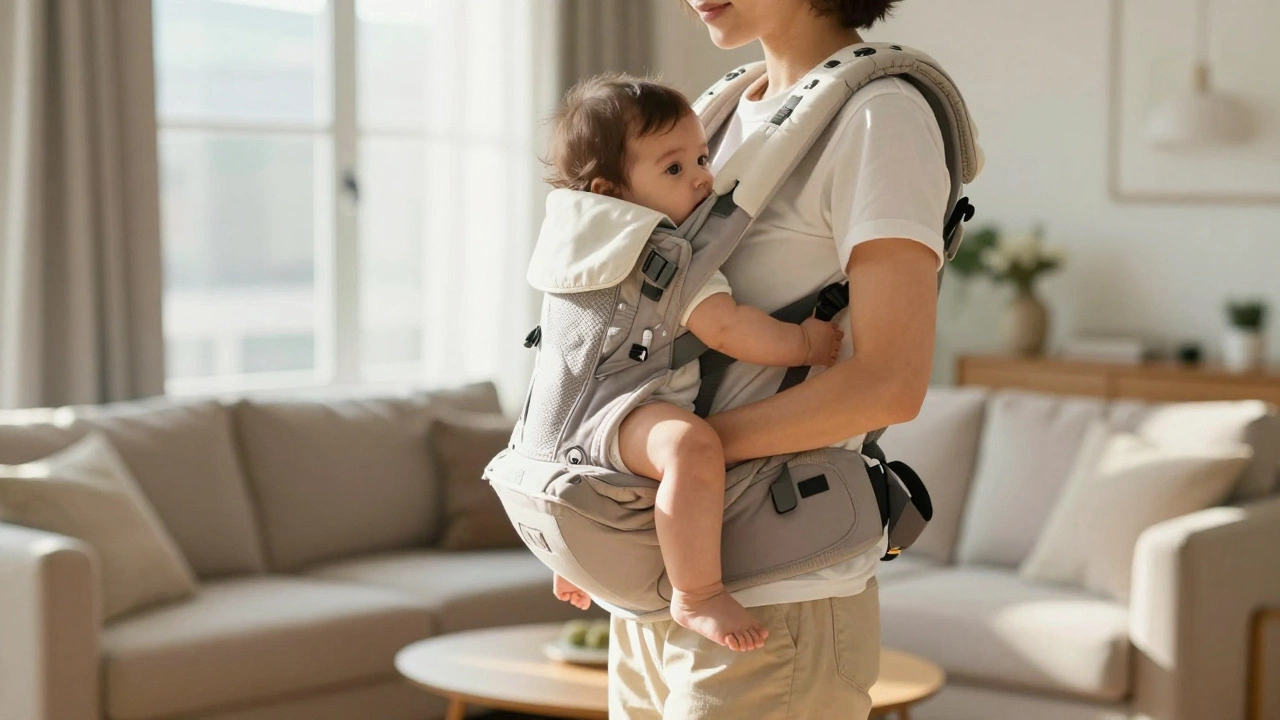
Baby Carriers are devices worn by caregivers to hold infants close to the body, promoting bonding and soothing through proximity. Unlike swaddles, carriers allow for dynamic movement and proper hip positioning when used correctly.
Baby carriers are not just for going out; they are excellent tools for soothing at home. When a baby is carried upright against your chest, they benefit from your heartbeat, body heat, and motion. This sensory input calms the nervous system similarly to swaddling but without restricting limb movement. Crucially, carriers support the "M" position for the hips, reducing the risk of dysplasia.
Soft structured carriers and wraps distribute weight evenly and keep the baby’s legs spread around your waist. This ergonomic hold is far healthier for developing joints than the rigid confinement of a swaddle. Plus, carrying a baby encourages interaction and eye contact, fostering emotional development alongside physical safety.
| Feature | Traditional Swaddling | Sleep Sacks | Baby Carriers |
|---|---|---|---|
| Arm Movement | Restricted | Free | Free |
| Hip Position | Risk of improper alignment | Neutral/Safe | Ergonomic "M" shape |
| Suffocation Risk | High if rolled | Low | None (when awake) |
| Temperature Control | Poor (overheating risk) | Good (breathable options) | Moderate (monitor closely) |
| Best Use Case | Not recommended | Nap and night sleep | Soothing and bonding |
When Is Swaddling Still Acceptable?
It’s important to note that swaddling isn’t banned entirely. It can still be used under very specific conditions. If your baby is newborn (under 8 weeks) and has not yet shown any signs of rolling, swaddling may be used for short periods while you are actively supervising them. Never leave a swaddled baby unsupervised, especially if they are prone to rolling.
However, even in these early weeks, many pediatricians prefer arm-free swaddles or sleep sacks. The margin for error is slim. One unexpected roll can change everything in seconds. The consensus is shifting toward prevention rather than reaction. It is easier to adopt a safe habit from day one than to monitor constantly for the moment a baby starts to roll.
Practical Tips for Transitioning
If you are used to swaddling, stopping cold turkey can be stressful for both you and the baby. Here is a gradual approach:
- Start with one arm out: Allow one arm to rest outside the swaddle while keeping the other in. This helps the baby adjust to having some freedom.
- Switch to a sleep sack: Once both arms are out, transition to a wearable blanket. Choose a size appropriate for your baby’s weight to ensure it stays secure.
- Increase carrying time: Use a baby carrier during the day to provide the containment and closeness the baby misses from swaddling.
- Establish a routine: Consistent bedtime rituals, such as white noise and dim lighting, can help soothe the baby without physical restriction.
Remember that every baby is different. Some will adapt quickly, while others may fuss for a few nights. Stay consistent, and trust that the safety benefits outweigh the temporary inconvenience.
At what age should I stop swaddling my baby?
You should stop swaddling as soon as your baby shows any signs of rolling over, which typically happens between 3 and 4 months. However, many experts recommend stopping by 8 weeks to prevent accidents before rolling begins.
Does swaddling really cause hip problems?
Yes, tight swaddling that forces the legs straight and together can increase the risk of Developmental Dysplasia of the Hip (DDH). Proper hip positioning requires the legs to be able to bend and spread apart.
Are baby carriers safe for sleeping babies?
No, babies should never sleep in carriers, strollers, or car seats unless supervised and positioned correctly. Carriers are for waking hours only. For sleep, always place the baby on a flat, firm surface in a crib or bassinet.
What is the best alternative to swaddling for sleep?
The best alternative is a wearable blanket or sleep sack. These provide warmth and a sense of security without restricting arm movement or posing a suffocation risk if the baby rolls.
Can I swaddle my baby with their arms up?
Swaddling with arms up is generally considered unsafe because it can lead to overheating and does not provide the same calming effect as containing the arms. It is better to use a sleep sack that allows free arm movement.