
ADHD-Friendly Toy Analyzer
Select the characteristics of the toy you are considering. The analyzer will calculate its suitability score based on expert recommendations.
Imagine handing a toy to a child who has ADHD. You pick something colorful, exciting, and supposedly fun. But instead of playing, they toss it aside, get frustrated, or start spinning in circles. It’s not that the child is being difficult. The toy just doesn’t match how their brain works. For kids with Attention Deficit Hyperactivity Disorder (ADHD), a neurodevelopmental condition characterized by persistent patterns of inattention, hyperactivity, and impulsivity, standard playthings often fail because they ignore core needs like sensory regulation, clear structure, and immediate feedback.
Understanding what these children dislike isn’t about finding faults. It’s about designing better experiences. When you know what triggers frustration or disengagement, you can choose educational tools that build confidence rather than break it. This guide breaks down the specific features that turn potential favorites into sources of stress, so you can make smarter choices for your child’s playtime.
The Problem with Overstimulation
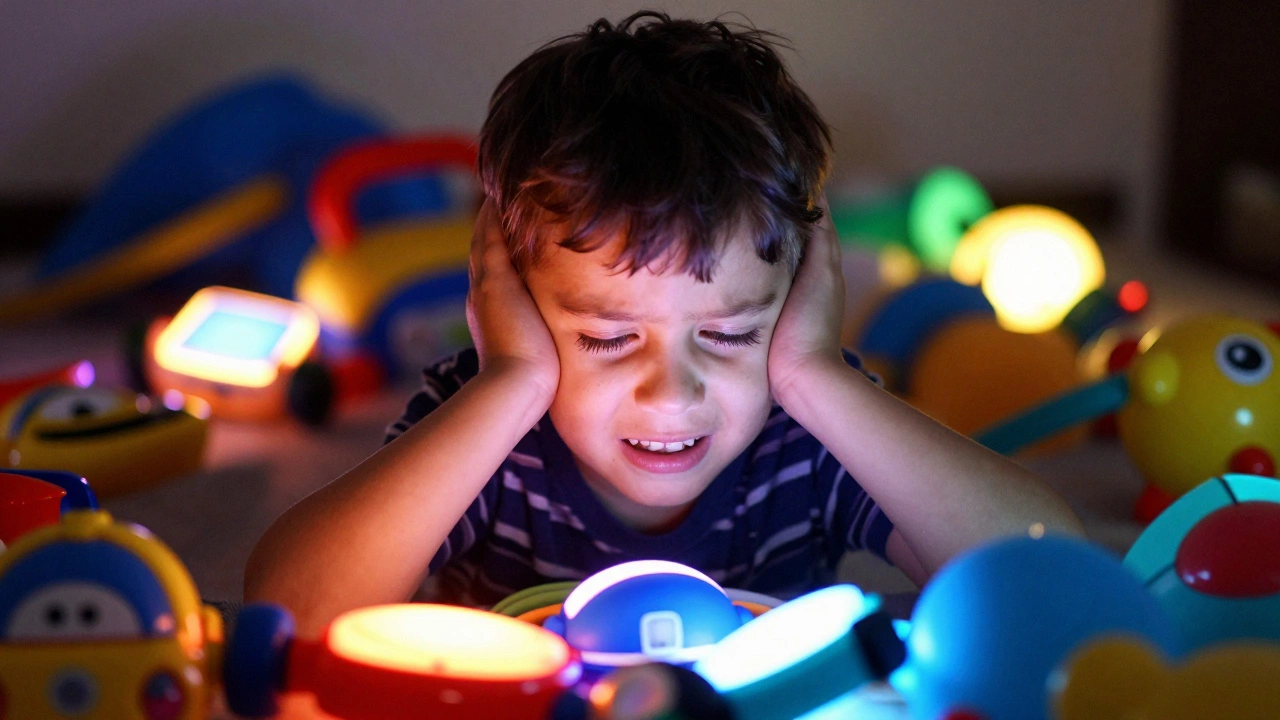
Kids with ADHD often struggle with filtering out extra information. A toy that lights up, makes loud noises, and vibrates might seem engaging at first glance. In reality, it creates a chaotic environment that overwhelms their nervous system. Think of it like trying to read a book in a room where every light flashes randomly and someone keeps shouting random words. The brain gets stuck trying to process everything at once, leading to shutdown or meltdowns.
Complex electronic toys are prime examples of this issue. They often have dozens of buttons, screens, and sounds that compete for attention. Instead of helping a child focus on one task, they scatter attention across multiple stimuli. Research from the American Academy of Pediatrics suggests that excessive screen time and high-stimulation media can exacerbate attention difficulties. Therefore, simpler, tactile toys usually win out over flashy digital ones.
- Avoid: Toys with automatic sound effects that cannot be turned off.
- Avoid: Flashing lights that strobe or change colors rapidly without user control.
- Choose: Quiet, mechanical toys that respond directly to physical interaction.
Frustration with Ambiguous Rules
Children with ADHD thrive on clarity. Open-ended play is great for creativity, but it can also be paralyzing if there’s no clear starting point. If you hand a child a bag of loose blocks and say, “Build something,” they might stare at it blankly or give up quickly. The lack of structure means they have to generate the plan themselves, which requires executive function skills that are often underdeveloped in ADHD brains.
Toys that require complex, multi-step instructions without visual aids are particularly problematic. Long written manuals are rarely helpful. Instead, look for products with picture-based guides or intuitive designs where the next step is obvious. For example, a puzzle with a clear image on the box provides a goal. A construction set with color-coded connectors shows exactly how pieces fit together. This reduces cognitive load and allows the child to experience success faster.
| Feature | High-Friction (Disliked) | Low-Friction (Preferred) |
|---|---|---|
| Instructions | Long text manuals | Visual/pictorial guides |
| Goal Clarity | Vague open-ended prompts | Clear end-result images |
| Feedback | Delayed or abstract rewards | Immediate physical response |
Sensory Sensitivities and Texture Issues
Sensory processing differences are common in children with ADHD. Some may seek intense sensory input, while others are easily overwhelmed by certain textures, smells, or sounds. A plush toy that feels soft to one child might feel irritating or “wrong” to another. Similarly, sticky finger paints or messy clay can trigger anxiety about cleanliness or discomfort with the sensation on skin.
It’s crucial to observe your child’s reactions to different materials. Do they pull away when touching rough surfaces? Do they gag at strong scents? Paying attention to these cues helps you avoid toys that cause physical distress. Opt for smooth, durable materials like wood, silicone, or hard plastic. These are easier to clean and provide consistent tactile feedback. Avoid small parts that rattle loudly unless the child specifically enjoys that sound, as unpredictable noise can be distracting.
Boredom with Slow Pacing
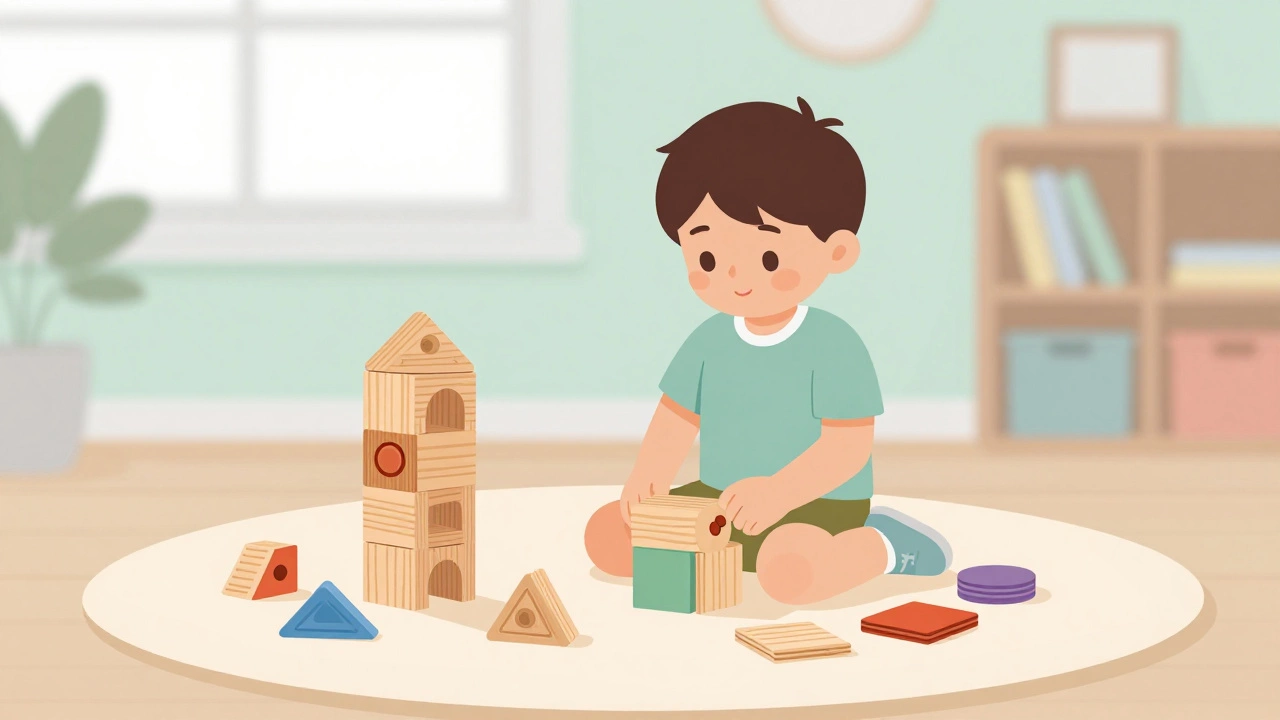
Patience is not always a natural strength for kids with ADHD. Toys that require long periods of waiting or slow progression can lead to abandonment. Traditional board games that take an hour to finish might result in fidgeting, rule-breaking, or quitting halfway through. The dopamine reward system in ADHD brains often craves quicker feedback loops to stay engaged.
This doesn’t mean you should only buy fast-paced video games. Instead, look for activities with short, achievable milestones. Building a single level of a block tower, completing a small section of a mosaic, or solving a quick logic puzzle provides a sense of accomplishment without dragging on. Modular toys that allow for incremental progress work well. For instance, magnetic tiles let children add one piece at a time, seeing the structure grow immediately. This continuous visual reward keeps motivation high.
The Danger of High-Pressure Competition
Competitive play can be a double-edged sword. While some kids love winning, many with ADHD struggle with impulse control and emotional regulation. Losing can trigger disproportionate frustration or anger. Games that emphasize beating others rather than personal improvement can create negative associations with play. The pressure to perform perfectly adds stress, turning leisure time into a source of anxiety.
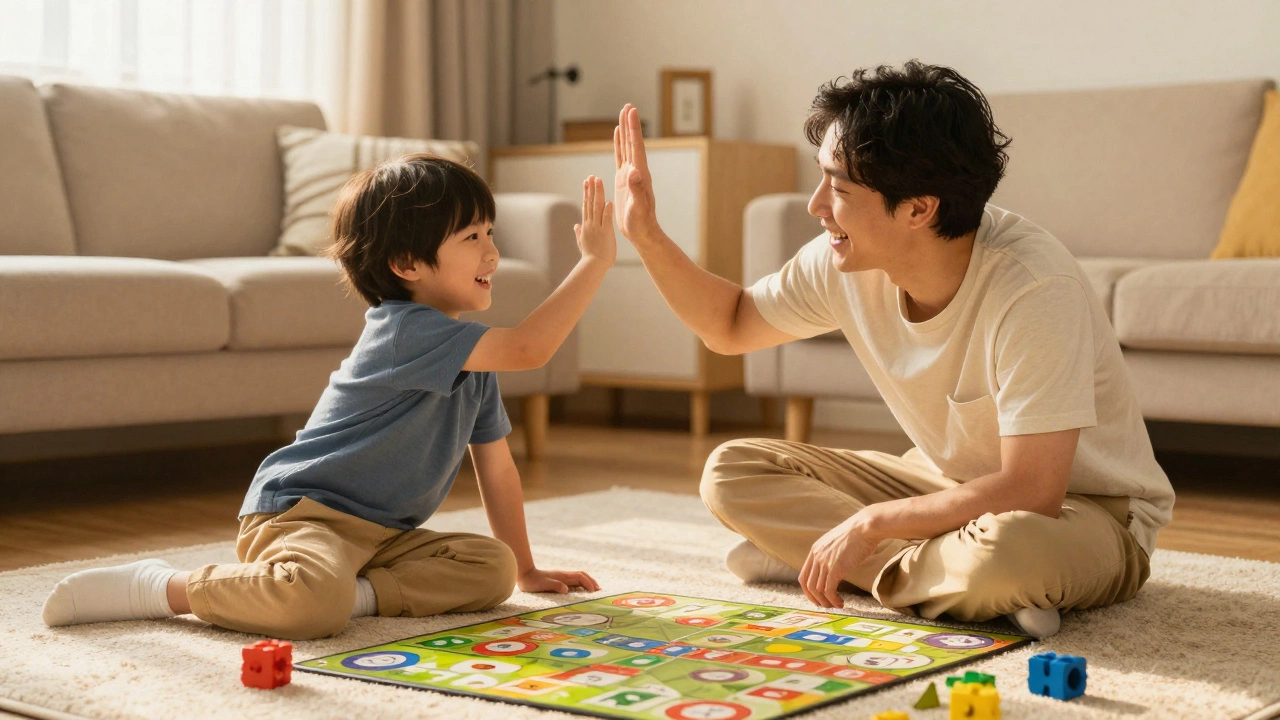
Cooperative games are generally safer bets. These encourage teamwork and shared goals, reducing the sting of individual failure. Even in competitive settings, choose games where luck plays a role alongside skill, or where the focus is on completing a challenge rather than outranking peers. Board games like cooperative dungeon crawlers or collaborative building challenges foster social skills without the harsh judgment of losing.
Choosing the Right Educational Tools
When selecting educational toys, playthings designed to enhance learning through interactive engagement for a child with ADHD, prioritize functionality over flashiness. The best tools support executive function skills like planning, focusing, and self-regulation. Look for products that offer hands-on manipulation, clear objectives, and adjustable difficulty levels.
Consider puzzles that adapt to skill level, allowing the child to start easy and gradually increase complexity. Science kits with simple, safe experiments provide tangible results that satisfy curiosity. Art supplies that don’t require fine motor precision-like chunky crayons or large brushes-can help express emotions without the frustration of making mistakes. The key is alignment between the toy’s demands and the child’s current capabilities.
Practical Tips for Parents
Before buying, test the toy yourself. Does it have too many steps? Is it noisy? Can it be used independently? Involve your child in the selection process when possible. Let them touch and explore options in the store. Their immediate reaction tells you more than any product description. Also, rotate toys regularly. Too many choices at once can be overwhelming. Keeping a smaller selection available ensures deeper engagement and less clutter-induced distraction.
Remember, every child with ADHD is unique. What frustrates one might delight another. Use trial and error as a learning tool. Keep a mental note of what works and what doesn’t. Over time, you’ll develop a keen sense of your child’s preferences and triggers. This personalized approach turns playtime into a supportive space for growth and joy.
Why do kids with ADHD dislike complicated toys?
Complicated toys often require sustained attention and multi-step planning, which are challenging for ADHD brains due to executive function deficits. The cognitive load becomes too heavy, leading to frustration and abandonment of the activity.
Are electronic toys bad for children with ADHD?
Not all electronic toys are bad, but those with excessive lights, sounds, and passive viewing modes can be overstimulating. Interactive devices that require active problem-solving and have customizable settings can be beneficial if chosen carefully.
How can I tell if a toy is causing sensory overload?
Watch for signs like covering ears, squinting eyes, becoming agitated, or refusing to touch the toy. If the child seems unable to focus on anything else after playing with it, it may be providing too much sensory input.
What types of games are best for ADHD kids?
Games with short rounds, clear rules, immediate feedback, and cooperative elements work best. Avoid games with long wait times or high-pressure competition. Physical movement games can also help channel excess energy positively.
Should I buy expensive educational toys for my child with ADHD?
Price doesn’t guarantee suitability. Simple, low-cost items like building blocks, card games, or art supplies can be highly effective. Focus on the toy’s design principles-clarity, simplicity, and engagement-rather than its price tag.