
Emergency Formula Temperature Checker
Tip: If you don't have a thermometer, use the 'Touch Test' guide below.
Ready to Check
No Thermometer? Use the "Cooling Clock" Method
If you cannot measure temperature, follow this timeline after boiling water (100°C / 212°F):
- 1 0 Minutes: Boiling. Too hot. Will destroy nutrients and burn baby.
- 2 5-10 Minutes: Still very hot. Likely above 90°C. Wait longer.
- 3 15-30 Minutes: IDEAL ZONE. Water should be between 70°C-90°C. Safe to mix powder.
- 4 Over 30 Minutes: Risk zone. May drop below 70°C. Bacteria risk increases. Re-boil if unsure.
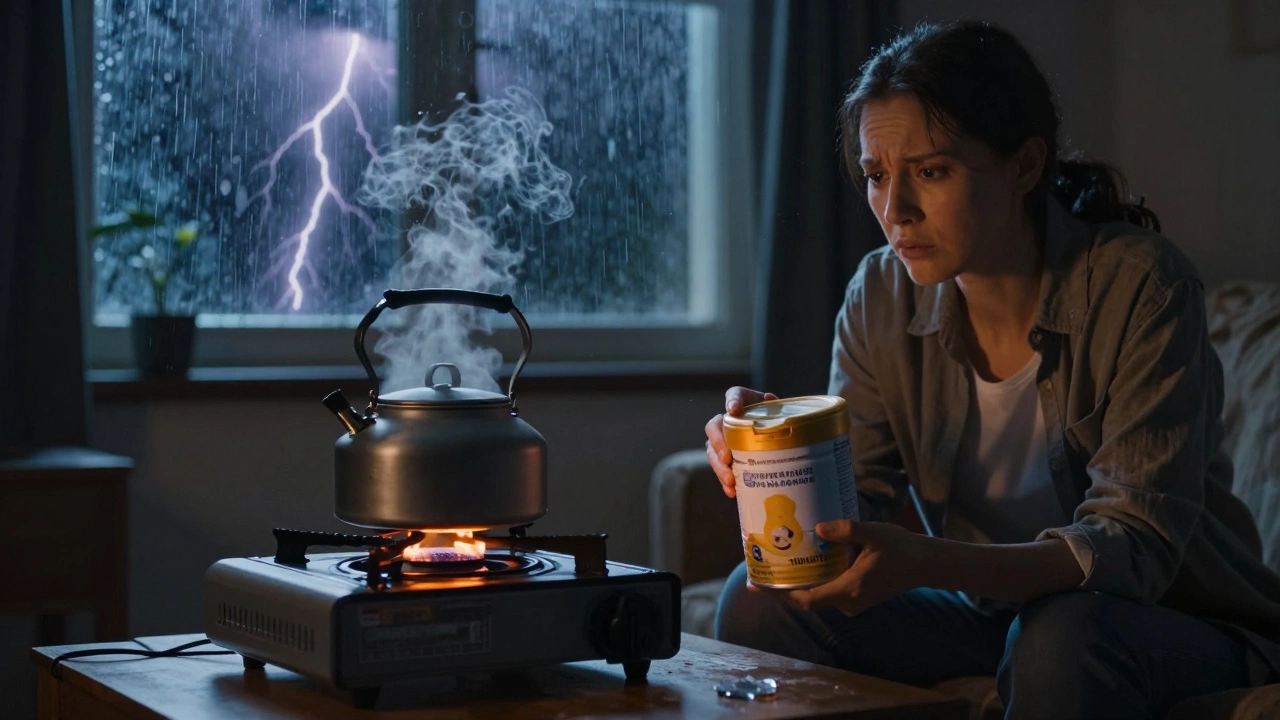
Imagine this: a storm knocks out the power, your boiler dies, or you’re stranded in a remote area with no access to a shop. Your baby is hungry, crying, and you have no prepared formula left. Panic sets in fast. But before you start mixing random ingredients found in the pantry, stop. Making emergency baby formula isn’t about cooking a new recipe from scratch; it’s about safely preparing standard formula when clean water or heating methods are compromised.
Babies under six months old have immune systems that are still developing. Their kidneys cannot handle high concentrations of salt or minerals, and their digestive tracts are vulnerable to bacteria like Cronobacter sakazakii, which can survive in powdered formula if not mixed with hot enough water. The goal here is safety first, nutrition second. You need to know how to purify water, heat it correctly without electricity, and understand what NOT to feed your child.
The Golden Rule: Powdered Formula Needs Hot Water
If you are using standard powdered infant formula, temperature matters more than you might think. Many parents assume room-temperature tap water is fine, but health authorities like the NHS in the UK and the CDC in the US recommend mixing powder with water at least 70°C (158°F) to kill harmful bacteria present in the powder itself. In an emergency, maintaining this temperature is your biggest challenge.
If you have a gas stove, camping burner, or even a fire pit, you can boil water. Boiling brings water to 100°C (212°F). Let it cool for no more than 30 minutes after boiling. If it sits longer than that, re-boil it before mixing with the powder. This ensures the water stays above the critical 70°C threshold needed to sanitize the formula mix.
- Boil water: Bring fresh water to a rolling boil for at least one minute (three minutes if you are above 6,500 feet elevation).
- Cool slightly: Let it sit for up to 30 minutes. It should be hot to the touch but not scalding.
- Mix immediately: Add the correct amount of powder to the hot water as per the tin instructions.
- Cool down: Place the sealed bottle in a bowl of cold water or run it under cold tap water until it is lukewarm (around body temperature, 37°C/98.6°F) before feeding.
Never microwave formula in an emergency setting unless you have a reliable power source and a microwave-safe container, as microwaves create hot spots that can burn your baby’s mouth. Also, never leave the bottle standing around to cool naturally, as this allows bacteria to multiply.
What If You Have No Clean Water?
In many emergencies, the issue isn’t just heat-it’s water quality. If your tap water is contaminated, brown, or smells bad, you must purify it before using it for formula. Babies are far more sensitive to waterborne pathogens than adults.
You have three main options for purification when the grid goes down:
- Boiling: The most effective method. Boil water for one full minute. This kills viruses, bacteria, and parasites. Let it cool completely before use if you are making ready-to-feed liquid formula, or keep it hot for powdered formula as described above.
- Chemical Treatment: Household bleach (unscented, regular strength) can work in a pinch. Use 2 drops of bleach per liter of clear water, or 8 drops if the water is cloudy. Stir well and let it stand for 30 minutes. It should smell slightly of chlorine. If it doesn’t, repeat the dose and wait another 15 minutes. Note: This method is less ideal for newborns under one month due to chemical sensitivity, so boiling is preferred.
- Filtration: A high-quality portable water filter (like those rated for backpacking) that removes bacteria and protozoa can make water safe. However, filters do not remove viruses. If you suspect viral contamination (common in sewage backups), you must boil or chemically treat the filtered water afterward.
Avoid using distilled water long-term for formula preparation unless advised by a doctor, as it lacks essential minerals. In an emergency, however, any purified water is better than contaminated water.
Ready-to-Feed Formula: The Emergency Lifesaver
If you haven’t already, consider keeping several cans of Ready-to-Feed Liquid Formula in your emergency kit. Unlike powder, this comes pre-mixed and sterile in single-use cans or bottles. You don’t need to add water, and you don’t need to heat it.
This is the safest option during disasters because it eliminates two major risks: water contamination and improper mixing ratios. You can feed it straight from the can or pour it into a bottle. If your baby prefers warm milk, you can warm the sealed can in a bowl of warm water (not boiling, to avoid damaging the nutrients or exploding the can). Do not refrigerate opened cans; discard any leftover formula after the feed.
Stocking ready-to-feed formula is especially crucial for premature babies or those with medical conditions, as their tolerance for error is near zero. A family of four might want to keep a week’s supply on hand, stored in a cool, dark place. These cans have a shelf life of several years, making them perfect for emergency prep.
What NOT to Feed Your Baby in an Emergency
Desperation can lead to dangerous choices. There are myths circulating online about "homemade" formulas using cow’s milk, sugar, and cereal. These recipes are outdated and potentially fatal for infants under one year old.
| Item | Why It’s Dangerous |
|---|---|
| Cow’s Milk | Too high in protein and minerals, straining baby’s kidneys. Lacks iron, leading to anemia. Can cause intestinal bleeding. |
| Goat’s Milk | Deficient in folate and iron. Requires fortification, which you can’t do safely in an emergency. |
| Sugar Water | No nutritional value. Can cause diarrhea and dehydration, worsening the emergency. |
| Diluted Formula | Adding extra water to make it last longer causes water intoxication, which can lead to seizures and brain damage. |
| Plant Milks (Almond, Soy, Oat) | Not nutritionally complete for infants. Lack necessary fats and proteins for brain development. |
If your baby is over six months and already eating solid foods, you can supplement with pureed fruits, vegetables, and soft cooked meats. But for hydration and primary nutrition, stick to formula or breastmilk. Never dilute formula to stretch supplies. It’s better to feed smaller amounts more frequently than to risk malnutrition or electrolyte imbalance.
Breastfeeding as an Emergency Backup
If you are breastfeeding, your body is the ultimate emergency food source. Breastmilk requires no preparation, no water, and no fuel. It contains antibodies that protect against infection, which is vital if sanitation is poor.
If you are pumping and storing milk, prioritize using the oldest stored milk first. In a power outage, keep your freezer and fridge closed as much as possible. A full freezer will keep food safe for about 48 hours (24 hours if half-full). If the power is out for longer, thawed breastmilk can be kept in the refrigerator for up to 24 hours if the fridge has been below 4°C (39°F).
If you cannot pump, direct breastfeeding is always safe. Stay hydrated yourself by drinking purified water. Your milk production depends on your own fluid intake and frequent removal of milk from the breasts.
Building Your Emergency Formula Kit
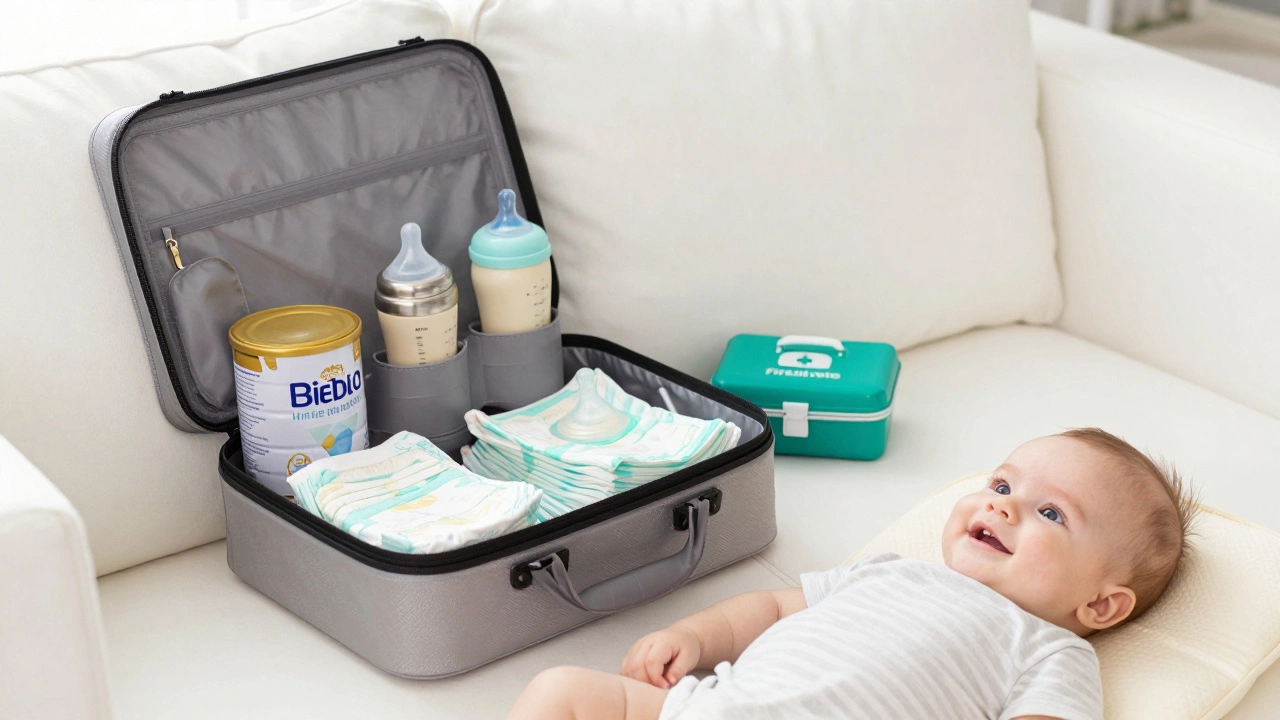
Preparation prevents panic. Here’s what to keep in a dedicated "baby emergency bag":
- Formula: At least one week’s supply of powdered formula AND several cans of ready-to-feed liquid formula.
- Bottles: Extra bottles, nipples, and caps. Include a manual sterilizer pouch if available.
- Water Purification: A small camping stove or lighter, plus unscented household bleach and iodine tablets.
- Insulation: Insulated bottle holders to keep feeds warm or cool depending on preference.
- Diapers and Wipes: Hygiene is part of nutrition safety. Dirty diapers increase infection risk.
- First Aid: Infant pain reliever (acetaminophen/ibuprofen) in case of fever or discomfort.
Rotate your supplies every six months to ensure freshness. Check expiration dates regularly. Store the kit in an easily accessible location, not buried in a basement or attic.
When to Seek Medical Help
Even with the best preparations, emergencies can escalate. Watch for signs of dehydration or illness in your baby:
- Fewer than six wet diapers in 24 hours
- Dry mouth or tongue, no tears when crying
- Sunken soft spot (fontanelle) on the head
- Unusual sleepiness or irritability
- Vomiting or diarrhea lasting more than 24 hours
If you see these signs, seek medical attention immediately. Dehydration can progress rapidly in infants. If you are unable to reach a hospital, contact local emergency services or a telehealth provider for guidance.
Can I use tap water to make formula in an emergency?
Only if you are sure the tap water is safe and you can boil it to at least 70°C (158°F). If there is any doubt about water quality, boil it for one full minute or use chemical treatment. Never use unboiled tap water if there is a boil-water advisory in effect.
Is it safe to mix formula with cold water in an emergency?
For healthy, full-term babies over two months old, some guidelines allow mixing with cooled boiled water if heating is impossible. However, this increases the risk of bacterial growth. Always aim for hot water (70°C+) if possible. For newborns or immunocompromised babies, hot water is non-negotiable.
How long can prepared formula sit out in an emergency?
Once mixed, formula should be used within two hours if left at room temperature. If the room is very hot (above 24°C/75°F), use it within one hour. Discard any leftover formula after the feed-never save it for later.
Can I dilute formula to make it last longer?
No. Diluting formula can cause water intoxication, leading to seizures and brain damage. Follow the manufacturer’s mixing instructions exactly. If supplies are low, focus on conserving energy and seeking aid rather than altering the formula ratio.
What if I run out of formula and can’t get more?
If you are breastfeeding, continue doing so. If not, and you have no formula, contact local emergency services or community support groups. In extreme cases, diluted cow’s milk is sometimes suggested as a last resort for older infants (over 6 months), but this is risky and should only be done under medical supervision. Never rely on homemade recipes found online.