

Floor Bed Readiness Assessment
Answer the following questions to determine if your child is developmentally ready for a floor bed based on signs from the article.
Results
Your toddler is 0/4 signs of readiness.
Most parents think the move from a crib to a toddler bed happens around age two. But the real question isn’t when your child turns two-it’s when they’re ready to sleep safely and peacefully on the floor. A floor bed isn’t just a trend. It’s a practical, developmentally supportive choice that works for many families, especially in the UK where space is tight and safety is non-negotiable.
What Is a Floor Bed?
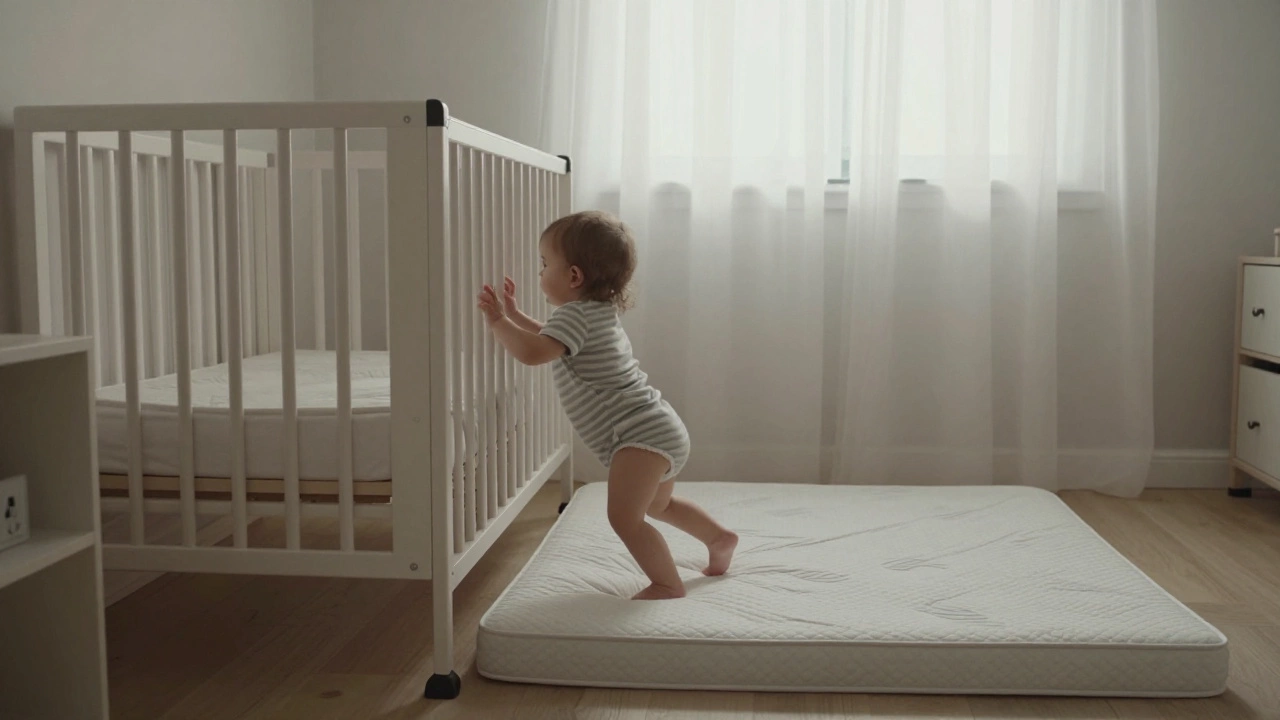
A floor bed is exactly what it sounds like: a mattress placed directly on the floor, with no rails, no frame, or just a low wooden frame. It’s not a toddler bed with high sides. It’s not a daybed. It’s a simple, low-to-the-ground sleeping surface that lets your child get in and out independently. This setup is inspired by the Montessori philosophy, where autonomy and movement are encouraged from infancy.
Unlike cribs, which lock a child in, or toddler beds, which still have barriers, a floor bed removes physical boundaries. That sounds scary-until you see how it changes sleep dynamics. Children who sleep on floor beds often develop better body awareness, sleep more consistently, and feel more in control of their environment.
Signs Your Toddler Is Ready for a Floor Bed
There’s no magic age. Some kids are ready at 18 months. Others aren’t until 3. Look for these real-life signals, not calendar dates:
- Your child is climbing out of the crib. If they’re scaling the rails like a tiny mountaineer, it’s not just a phase-it’s a sign they’re physically ready for more freedom.
- They’re showing interest in their room. Do they stare at the door? Try to open it? Want to sit on the floor and play near their crib? That’s curiosity about space and independence.
- They’re sleeping through the night more often. If nighttime wakings are down and they’re falling asleep without a 45-minute routine, their body is regulating. That’s a good time to reduce external controls.
- They’re starting to dress or undress themselves. Self-sufficiency in one area often extends to sleep. If they’re pulling off socks or trying to put on pajamas, they’re ready to manage their sleep space too.
One parent in Bristol told me her daughter started climbing out at 16 months. She waited until 19 months to switch-just long enough to make sure the room was safe. That’s the sweet spot: not too early, not too late.
Why a Floor Bed Works Better Than a Toddler Bed
Many parents think they need to buy a toddler bed as a "step" between crib and big kid bed. But toddler beds are often just small cribs with lower sides. They still restrict movement. They still feel like a cage.
A floor bed removes that. Here’s how it’s different:
| Feature | Toddler Bed | Floor Bed |
|---|---|---|
| Height from floor | 6-12 inches | 0 inches |
| Side rails | Yes | No |
| Child independence | Partial | Full |
| Cost | £50-£150 | £30-£100 (just mattress) |
| Long-term use | Usually outgrown by age 4 | Can last until age 8+ |
| Room safety needed | Minimal | Essential |
That last point matters. A floor bed doesn’t just change the bed-it changes your whole approach to the room. You need to childproof it fully. That means no sharp corners, no loose cords, no small toys within reach, and a clear path to the door. In the UK, where many homes have older flooring and narrow rooms, this forces you to create a calmer, more intentional space.
How to Make the Switch
Don’t just yank the crib out one night and dump a mattress on the floor. That’s chaos. Here’s how to do it smoothly:
- Prepare the room first. Remove anything dangerous. Cover electrical outlets. Secure furniture to walls. Use corner guards. Make sure the floor is clean and warm-many parents use a thin rug or foam underlay under the mattress.
- Let them explore it during the day. Put pillows, books, and soft toys on the mattress. Let them sit, crawl, and play on it. Make it feel familiar, not scary.
- Start with naps. Use the floor bed for daytime sleep first. If they nap well on it, they’ll be more comfortable at night.
- Keep the bedtime routine the same. Read the same book. Sing the same song. Lights out at the same time. Consistency reduces anxiety.
- Be patient with the first week. They might get up 10 times. That’s normal. Gently guide them back. Don’t turn on lights. Don’t engage. Just say, "It’s sleep time," and leave.
One mother in Bath switched her son at 22 months. He got up 17 times the first night. The second night, 12 times. By day five, he slept 10 hours straight. "It felt like we’d unlocked a secret," she said.
Common Concerns (and the Real Answers)
Parents worry. That’s normal. Here’s what you’re probably thinking-and what actually happens:
- "Won’t they fall out?" They won’t. A floor bed is only inches off the ground. The worst that happens is a gentle thud. No bruises. No panic. Just a sleepy kid who rolls over and goes back to sleep.
- "What if they get out and run around all night?" Most don’t. Kids sleep better when they feel safe and in control. If they’re wandering, it’s usually because the room isn’t calm enough or they’re overtired. Fix the environment, not the bed.
- "Is it safe for a 1-year-old?" Not yet. Floor beds work best for kids who are mobile, aware, and showing readiness. Don’t rush it. Wait until they’re climbing or clearly asking for more freedom.
- "Won’t they get cold?" Use a well-fitting sleep sack or warm pajamas. Add a light blanket if they’re old enough to push it off. Most toddlers don’t kick blankets off-they tuck them in.
What to Look for in a Floor Bed Mattress
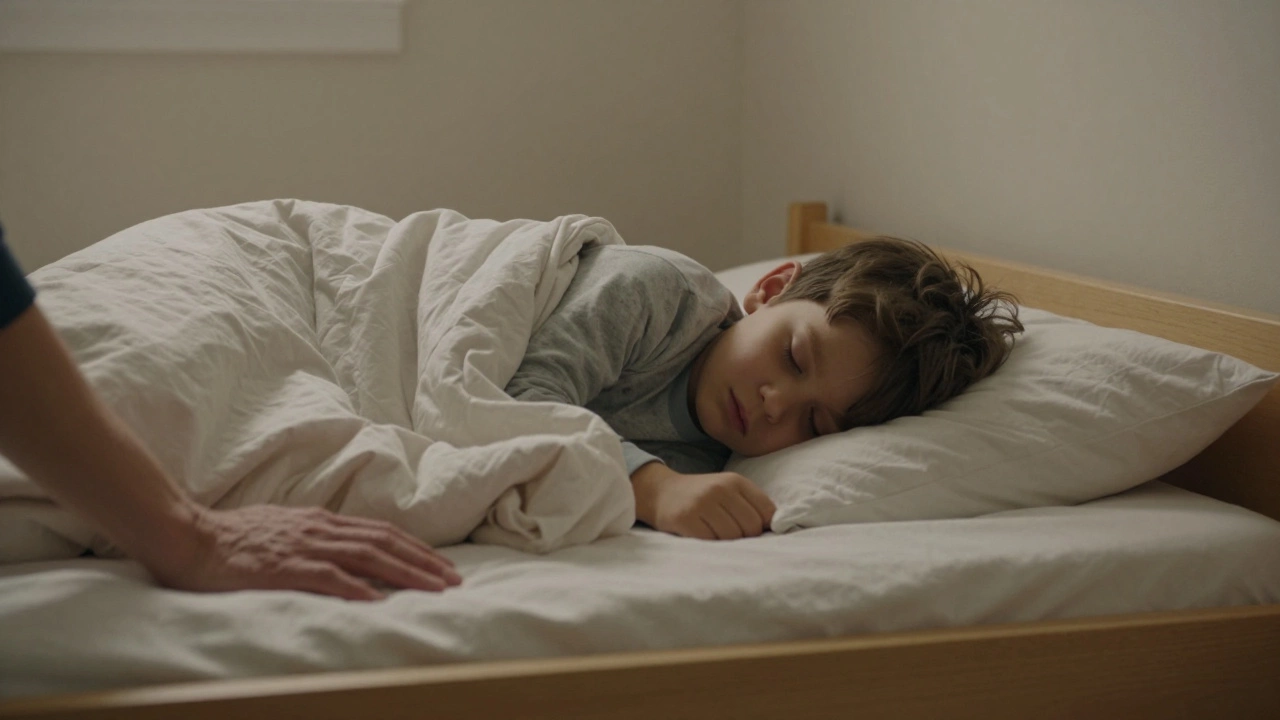
Not all mattresses work. You need something firm, breathable, and easy to clean.
- Firmness is key. A too-soft mattress can be unsafe. Look for one that meets UK safety standards for infants (BS EN 16890).
- Size matters. A standard single mattress (90cm x 190cm) is perfect. It gives room to move without being too big.
- Washable cover. Look for removable, machine-washable covers. Toddler accidents happen. You’ll thank yourself later.
- Material. Organic cotton, natural latex, or high-density foam are best. Avoid memory foam-it’s too soft and traps heat.
Brands like Emma, Hypnos, and Little Green Sheep offer affordable, safe options in the UK. You don’t need to spend £500. A £120 mattress with a good cover does the job.
What Comes After the Floor Bed?
Many parents assume they’ll need to upgrade again when the child turns 3 or 4. But that’s not true. A floor bed grows with them. By age 5, your child might start asking for a regular bed with rails-but that’s their choice, not yours. Many kids stay on floor beds until they’re 6, 7, even 8. They like the freedom. They like the calm.
When they do ask for a bed, it’s not a regression. It’s a natural next step. You can transition to a low bed frame then, if you want. But there’s no rush.
Final Thought: It’s About Trust
The real reason floor beds work isn’t because they’re trendy or cheap. It’s because they say to your child: "I trust you. You can take care of yourself. You’re safe here."
That message changes everything. It builds confidence. It reduces bedtime battles. It turns sleep from a battle into a quiet, mutual ritual.
There’s no perfect age. But there is a perfect moment-when your child starts to show you they’re ready. Listen. Watch. Trust. And then, one quiet night, you’ll realize they’ve been sleeping like a little angel all along.
Is a floor bed safe for toddlers?
Yes, a floor bed is safe when the room is properly childproofed. Since the mattress is on the ground, there’s no risk of falling from height. Toddlers can get in and out independently, which reduces anxiety and builds confidence. Always ensure there are no sharp objects, loose cords, or furniture within reach.
At what age should I switch to a floor bed?
Most children are ready between 18 and 24 months, but the best indicator is behaviour-not age. Look for signs like climbing out of the crib, showing interest in their room, or sleeping through the night more consistently. Don’t rush it. Wait until your child shows readiness.
Do I need a special mattress for a floor bed?
You need a firm, breathable mattress that meets UK safety standards (BS EN 16890). Avoid memory foam-it’s too soft. A standard single mattress (90cm x 190cm) works well. Choose one with a removable, washable cover for easy cleaning. Brands like Emma, Hypnos, and Little Green Sheep offer good options under £150.
Will my toddler sleep better on a floor bed?
Many do. Floor beds reduce bedtime power struggles because children feel in control. They can get up when they need to, which often leads to fewer night wakings. The calm, open space also helps regulate sleep cycles. It’s not a guarantee, but it’s a proven method for families who prioritize autonomy and consistency.
Can I use a floor bed for twins or siblings?
Yes, but only if space allows. Each child needs their own floor bed with clear personal space. Sharing a mattress isn’t safe or practical. If you’re tight on room, consider placing beds on opposite sides of the room with a low divider. This respects their individual needs while keeping the space calm and open.
How do I childproof a room for a floor bed?
Start by securing all furniture to the wall. Cover electrical outlets, remove cords from blinds or lamps, and take away small toys or choking hazards. Use corner guards on sharp edges. Make sure the floor is clean and warm-add a thin rug if needed. The goal is to create a space where your child can move freely without risk.