End-of-Year Essentials Checklist
Step 1: Pack Your Essentials
Select only the items your child absolutely needs. Remember, the goal is high visibility and minimal clutter.
Compliance Analysis
Select items on the left to see if your child's kit meets school safety guidelines.
The Hidden Danger in the Bag
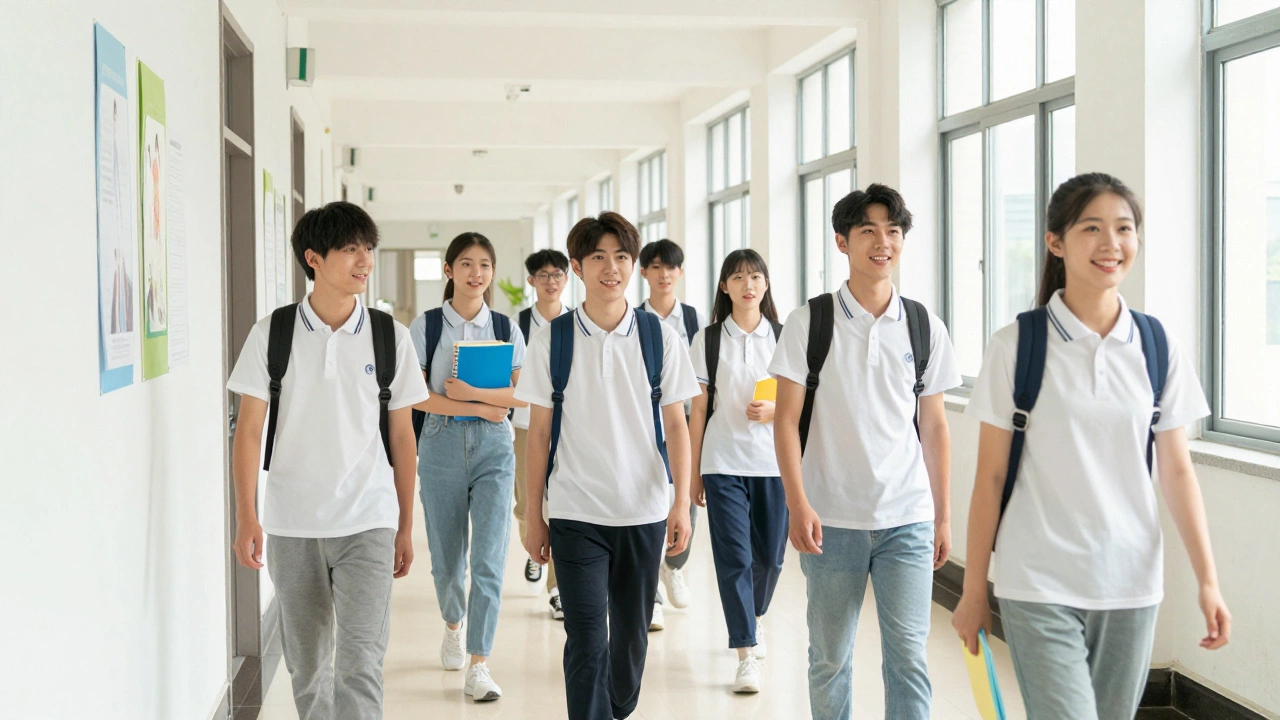
When the school year winds down, the energy in the hallways shifts. It's a mix of relief and restlessness. For principals, this is when the risk of "pranks" spikes. A school backpack is essentially a mobile storage unit. While it usually holds a lunchbox and a crumpled math worksheet, it can easily hide things that don't belong in a classroom during the final countdown.
We're talking about the classics: stink bombs, confetti cannons, or even larger items meant for a coordinated prank in the cafeteria. If a student can carry a hidden bag of water balloons or a loud air horn inside a backpack, the staff has almost no way of stopping the chaos before it happens. By banning bags, schools remove the "blind spot" where contraband is stored, making it much easier to spot something suspicious just by looking at what a student is holding in their hands.
Simplifying the Final Clean-Out
Have you ever tried to clean out a child's bag at the end of the year? It's usually a graveyard of old permission slips, half-eaten granola bars, and pens without caps. From a teacher's perspective, the end of the year is about shedding weight-literally and figuratively. When students bring in huge bags, they tend to hoard things they don't need, which leads to more clutter in already messy classrooms.
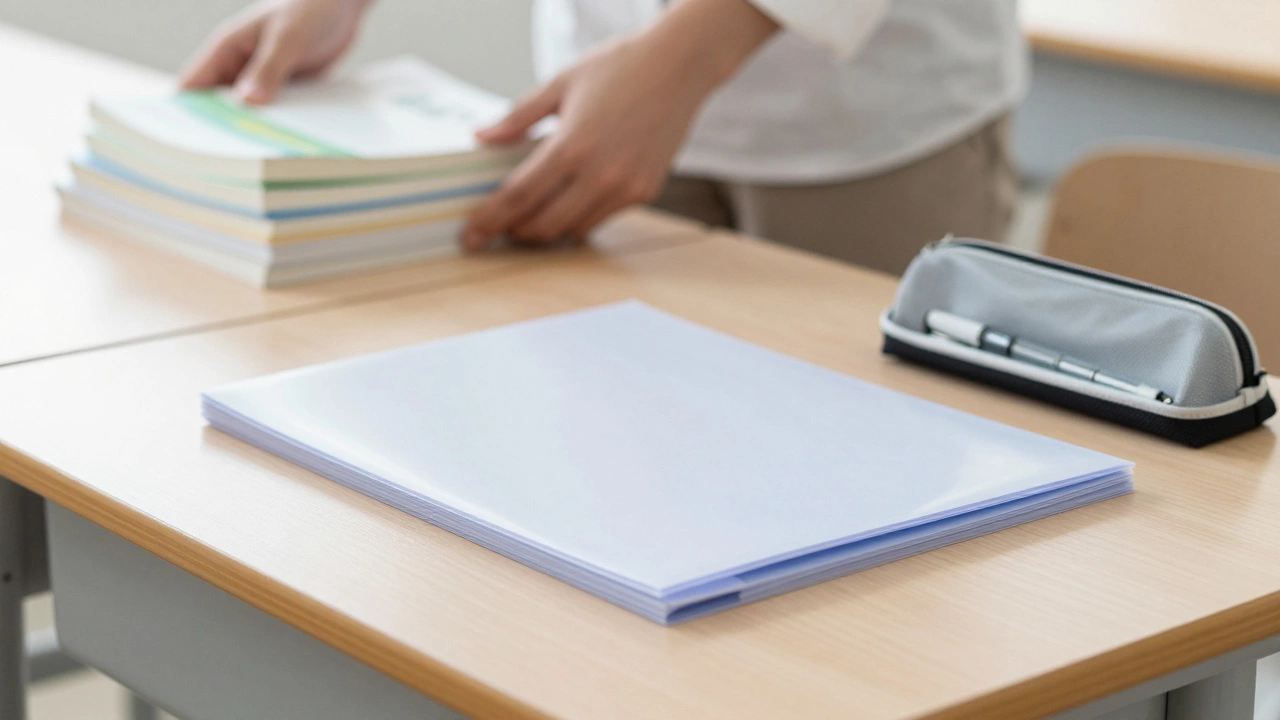
By restricting bags, schools encourage students to only bring the absolute essentials. This helps teachers manage the physical space during the final transition. When kids only have a small folder or a single notebook, the classroom stays organized, and the process of returning textbooks and laptops to the School Administration becomes a streamlined process rather than a treasure hunt through a dozen nylon bags.
Security and the "Stranger Danger" Factor
The end of the year often brings a surge of visitors-parents coming for awards ceremonies, alumni returning, or guests for the final assembly. In a crowded hallway, a backpack can be more than just a place for books; it can be a security risk. Security personnel prefer a clear line of sight. A large bag can obscure a person's movement or hide objects that could cause a disruption in a high-traffic area.
Many schools follow Safety Protocols that emphasize visibility. In the event of an emergency drill or an actual incident, backpacks can become tripping hazards in narrow corridors. During the final week, when movements are often less structured and more spontaneous, removing these obstacles is a simple way to ensure everyone can exit a building quickly and safely.
Preventing the "Last Day" Theft
It sounds cynical, but the end of the year is a prime time for lost and found bins to overflow. With everyone rushing to leave and the general excitement of summer, things go missing. High-value items like Tablets or expensive headphones often disappear from bags left unattended in lockers or classrooms.
When schools ban backpacks, they effectively stop students from bringing in non-essential valuables that they might lose or that others might be tempted to take. It shifts the focus from "stuff" back to the social experience. Instead of worrying about who is guarding whose bag during the final party, students can actually enjoy their peers.
| Feature | Regular School Days | End-of-Year Ban Period |
|---|---|---|
| Primary Purpose | Carrying textbooks and supplies | Preventing pranks and clutter |
| Security Level | Standard monitoring | High visibility / Restricted access |
| Student Load | Heavy (books, laptops, gym gear) | Minimal (folders, pens, keys) |
| Teacher Focus | Curriculum delivery | Inventory and cleanup |
The Psychological Shift
There is also a mental component to this. Banning backpacks signals a change in the environment. It tells the students, "The academic part is over; we are now in the transition phase." It breaks the routine. When a child leaves their bag at home, they aren't in "study mode" anymore. This helps transition them into the celebratory mood of the final days while reminding them that school rules still apply, even if the textbooks are gone.
It also reduces the temptation for students to bring in "summer gear"-like beach balls or oversized toys-that can distract the entire class. By limiting what enters the building, the school maintains a level of control over the environment, ensuring that the final memories of the year are positive rather than chaotic.
How to Handle the Ban as a Parent
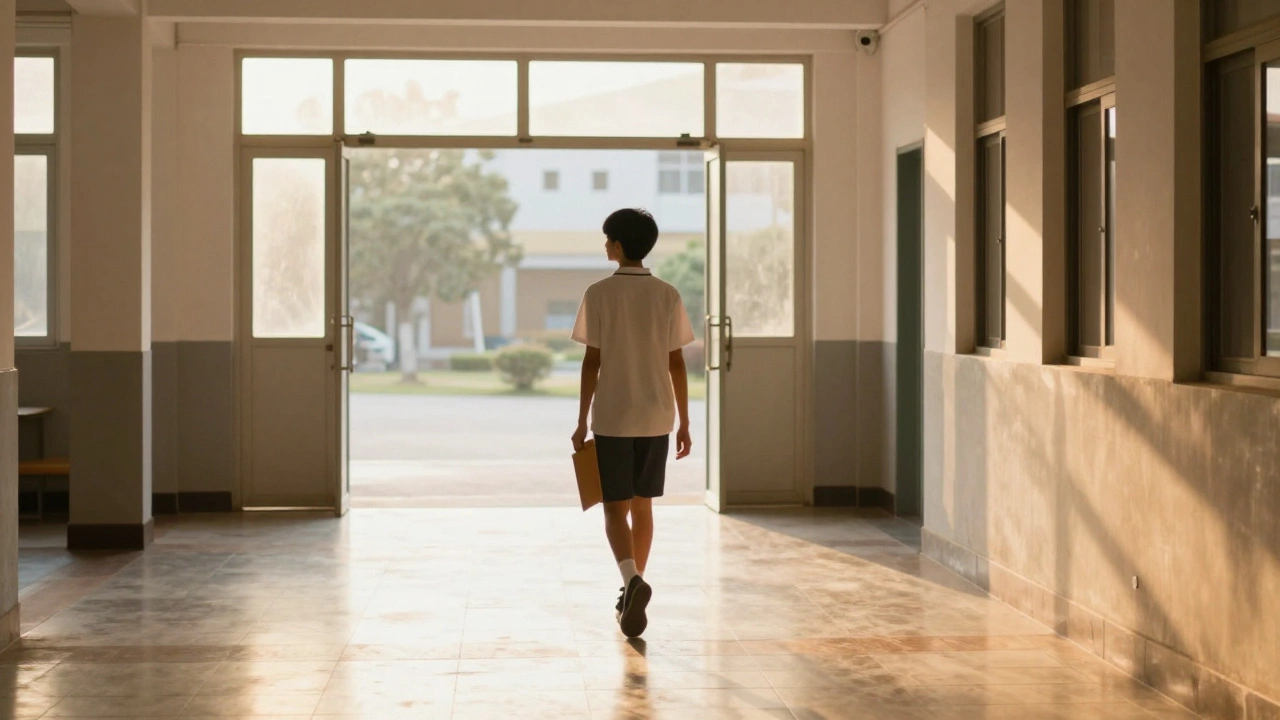
If your school implements this rule, don't panic. The goal isn't to make your life harder, but to make the school day smoother. The best approach is to help your child curate a "essentials kit." Instead of a full bag, use a small clutch or a simple folder for the few papers they actually need.
- Check the list: Ask the teacher if a small pouch for pens is allowed.
- Clear the locker: Use the ban as an excuse to do a deep clean of the locker before the final bell.
- Communicate: Remind your child that the rule is about safety, not a punishment, so they don't feel targeted.
Does this mean backpacks are banned for the whole summer?
No, the ban is typically only for the final few days or weeks of the school term. It is a temporary measure to manage the specific risks associated with the end-of-year transition.
What happens if my child forgets and brings their bag?
Usually, schools will ask the student to leave the bag in the main office or a designated secure area. They rarely issue heavy punishments for a first-time mistake, but they will insist the bag stays out of the classroom.
Are lunchboxes also banned?
Typically, lunchboxes are still allowed, but they may be subject to more scrutiny. Some schools ask that lunches be carried in clear bags or simple brown bags to ensure no prank items are hidden inside.
Is this a common practice in all schools?
It varies by region and school culture. It is more common in middle and high schools where the potential for large-scale pranks is higher compared to elementary schools.
Can students still use lockers?
Yes, students can usually still use lockers to store their belongings, but the ban specifically prevents them from carrying the bags into the classrooms and common areas.
Next Steps for Parents
If you're unsure about the specific rules at your child's school, the best move is to check the school's digital handbook or the latest newsletter. Different schools have different thresholds-some might allow a small crossbody bag but ban a full-sized hiking pack. Setting clear expectations with your child the night before can prevent a stressful morning where they realize they can't bring their favorite gear to school.