UK Car Seat Transition Readiness Checker
Use this checklist to verify if your child meets the safety criteria for switching to a forward-facing seat. All conditions must be met.
Safety Score
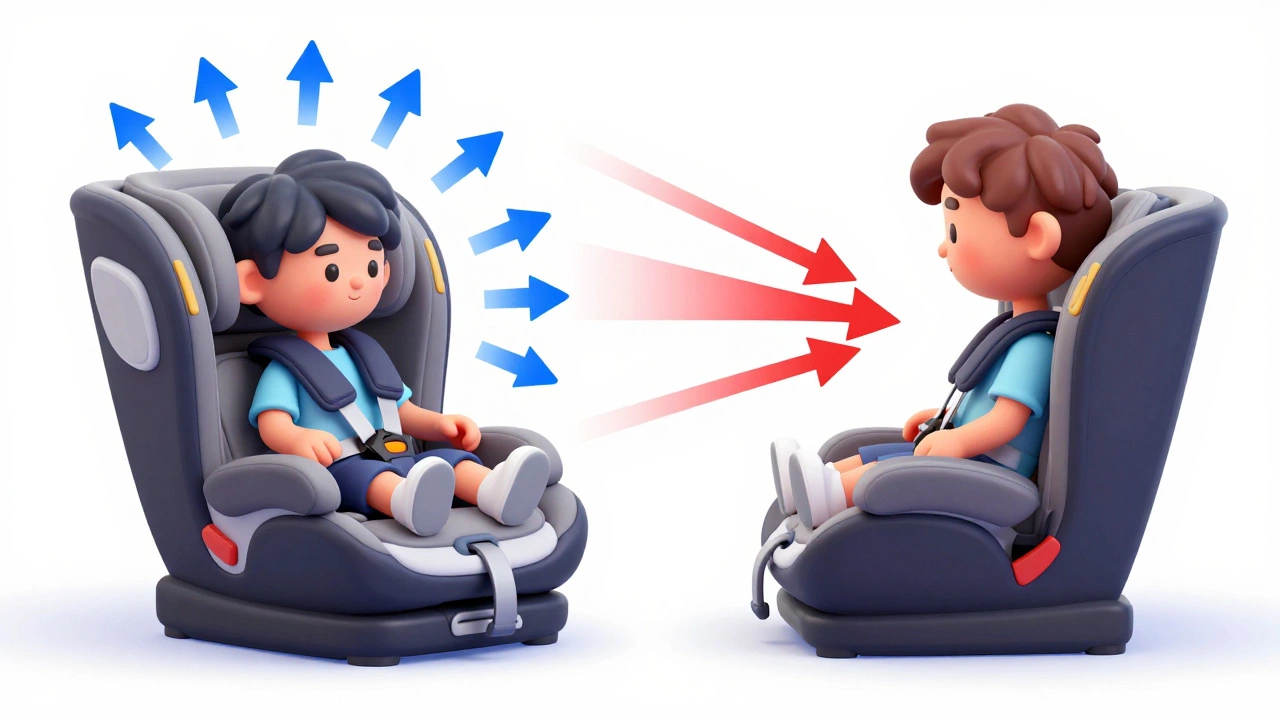
Rear-facing distributes crash forces across the entire back and seat shell, protecting the developing spine. Forward-facing concentrates force on the head and neck.
Most parents in the UK are told to keep their children rear-facing for as long as possible. But when does that actually end? The short answer is: later than you think. While many families flip the seat around at nine months or one year old because the child’s legs are touching the back of the car, experts and safety data suggest this is often too early. In fact, keeping your child rear-facing until they are two years old-or even longer-is significantly safer.
The shift from rear-facing to forward-facing isn’t just about age; it involves weight limits, height restrictions, and understanding how crash forces affect a developing body. If you’re wondering whether your toddler is ready for the change, you need to look beyond the manufacturer’s minimums and consider the physics of a collision. Let’s break down exactly when-and why-you should make the switch.
The Physics of Rear-Facing vs. Forward-Facing
To understand why timing matters, you have to look at what happens during a crash. When a car stops suddenly, everything inside keeps moving forward at the same speed until something stops it. In a forward-facing seat, that “something” is the harness straps pressing against the child’s chest and shoulders. This puts immense strain on the neck and spine, which are still very flexible and weak in young children.
In a rear-facing seat, the shell of the seat absorbs the impact. The force is distributed across the entire back of the child’s body, rather than concentrating on the head and neck. Think of it like leaning back in a chair versus being pulled forward by your arms. The latter is much harder on your joints. For a toddler whose head makes up about 25% of their total body weight (compared to 10% for an adult), the rear-facing position is biomechanically superior.
- Rear-facing: Impact force spreads across the seat shell and the child’s back.
- Forward-facing: Impact force pulls the torso forward while the heavy head lags behind, creating a whiplash effect.
This is why safety organizations globally recommend extending the rear-facing period. It’s not just a suggestion; it’s based on decades of crash test data showing reduced risk of spinal injury and head trauma.
UK Legal Requirements and i-Size Regulations
In the United Kingdom, the law sets the baseline, but it doesn’t always reflect best practice. Currently, children must use a rear-facing car seat until they are at least 15 months old. Before this rule changed in January 2017, the limit was only 13 kg (roughly 9 months). The update to 15 months was a significant step forward, aligning the UK more closely with European safety standards.
If you buy a new car seat today, it will likely be i-Size compliant. The i-Size regulation (UN R129) mandates that all new car seats sold in Europe must be used rear-facing until the child is 15 months old. These seats are tested more rigorously for side-impact protection and are classified by height rather than weight, making them easier to fit correctly.
| Feature | Old ECE R44 Standard | New i-Size (R129) Standard |
|---|---|---|
| Minimum Rear-Facing Age | 9 months (approx.) | 15 months |
| Classification Basis | Weight | Height |
| Side-Impact Testing | Optional | Mandatory |
| Installation Method | Belt or Isofix | Isofix required |
While the law says 15 months is the minimum, it is not the maximum. You can legally keep your child rear-facing well beyond this age, provided the seat allows it. Many modern convertible seats support rear-facing use up to 4 years old or even higher weights.
Why Legs Are Not a Reason to Switch Early
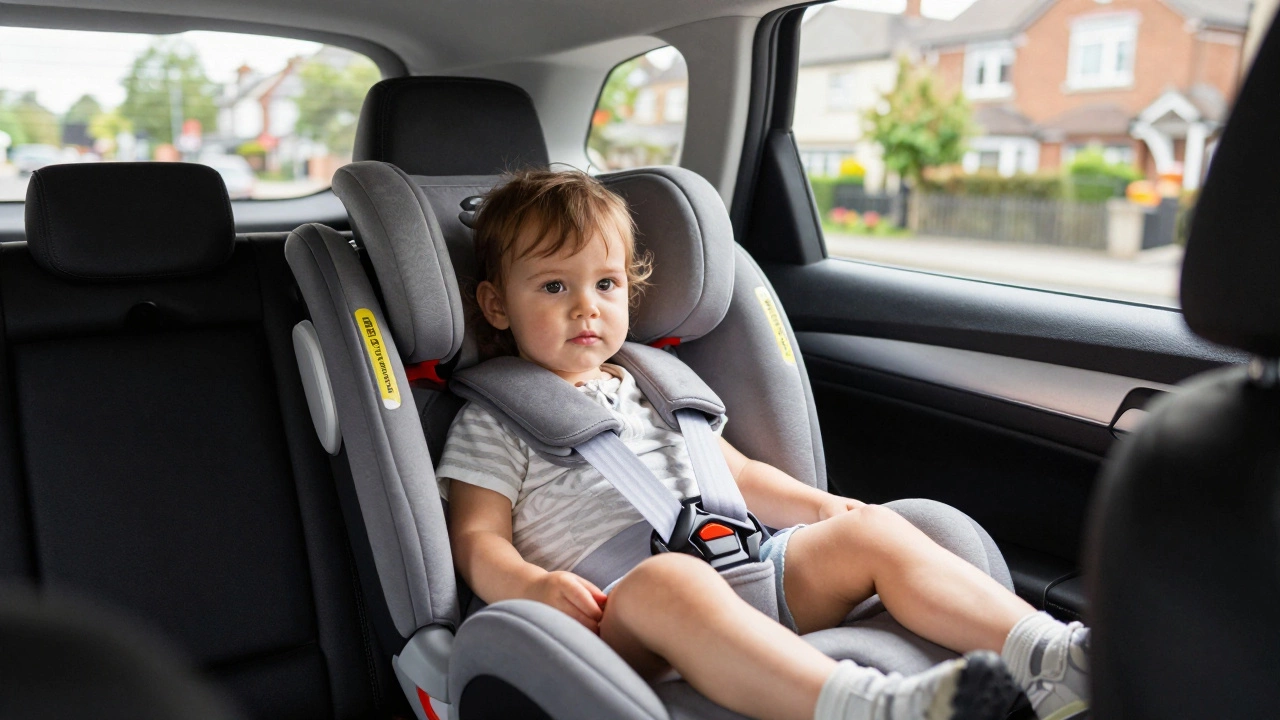
The most common reason parents want to turn their child forward-facing early is discomfort. You look in the mirror and see your toddler’s knees bent sharply, feet resting against the back of the front seat. It looks cramped. It might even feel uncomfortable for them. However, bending the legs is not dangerous.
Toddlers are incredibly flexible. They sit cross-legged on the floor, squat to play, and curl up in ball positions without issue. Their leg bones are strong enough to handle the slight pressure of being folded. The real danger lies in the neck and spine, which cannot withstand the G-forces of a crash in a forward-facing position.
If your child seems restless, try adjusting the recline angle of the seat. A slightly more upright rear-facing position can give their legs a bit more room without compromising safety. Also, ensure the seat is installed correctly. Sometimes, improper installation causes the seat to sit too low, making the leg space appear tighter than it needs to be.
Signs Your Child Is Ready for Forward-Facing
So, when is the right time? There is no single “perfect” day, but there are clear indicators that the transition is safe and appropriate. Do not rush this process. Wait until your child meets all the following criteria:
- Age: At least 15 months old (legal minimum), but ideally closer to 2-4 years old if the seat permits.
- Seat Limits: Your current rear-facing seat has reached its maximum height or weight limit for rear-facing mode. Check the label on the side of the seat.
- Head Control: Your child has full head control and can sit up independently without slumping. This usually happens around 6-9 months, but combined with age, it ensures they can handle the harness pressure.
- Behavioral Readiness: Your child sits quietly enough for short periods. If they constantly struggle against the harness or cry excessively, it may indicate they are physically uncomfortable, but don’t let this override safety unless it’s severe.
If your child outgrows the rear-facing limits of their current seat before they are four, you will need to buy a new seat that supports forward-facing use. Do not buy a cheaper, smaller forward-facing seat just to save money now. Invest in a high-quality convertible seat that grows with them.
Choosing the Right Forward-Facing Seat
Once you decide to switch, the type of seat matters. Avoid older models that rely solely on lap belts for installation. Modern seats use Isofix anchors, which connect directly to the car’s chassis. This reduces the risk of incorrect installation, which is the number one cause of car seat failure.
Look for these features in a forward-facing seat:
- Five-Point Harness: Straps over the shoulders and between the legs. Never use a booster seat with just a lap belt for a child under 4.
- Top Tether: An anchor strap that goes to the roof or floor of the car. This prevents the seat from tipping forward in a crash.
- Energy-Absorbing Foam: Look for EPS (Expanded Polystyrene) foam in the shell to dissipate crash energy.
- High Back: Provides side-impact protection for the head and neck.
Brands like Britax, Cybex, and Maxi-Cosi offer robust options in the UK market. Always check that the seat fits your specific car model. Some cars have limited Isofix points or awkward contours that make certain seats difficult to install securely.
Common Mistakes to Avoid
Even with the right seat, improper use can compromise safety. Here are the most frequent errors I see when checking family setups:
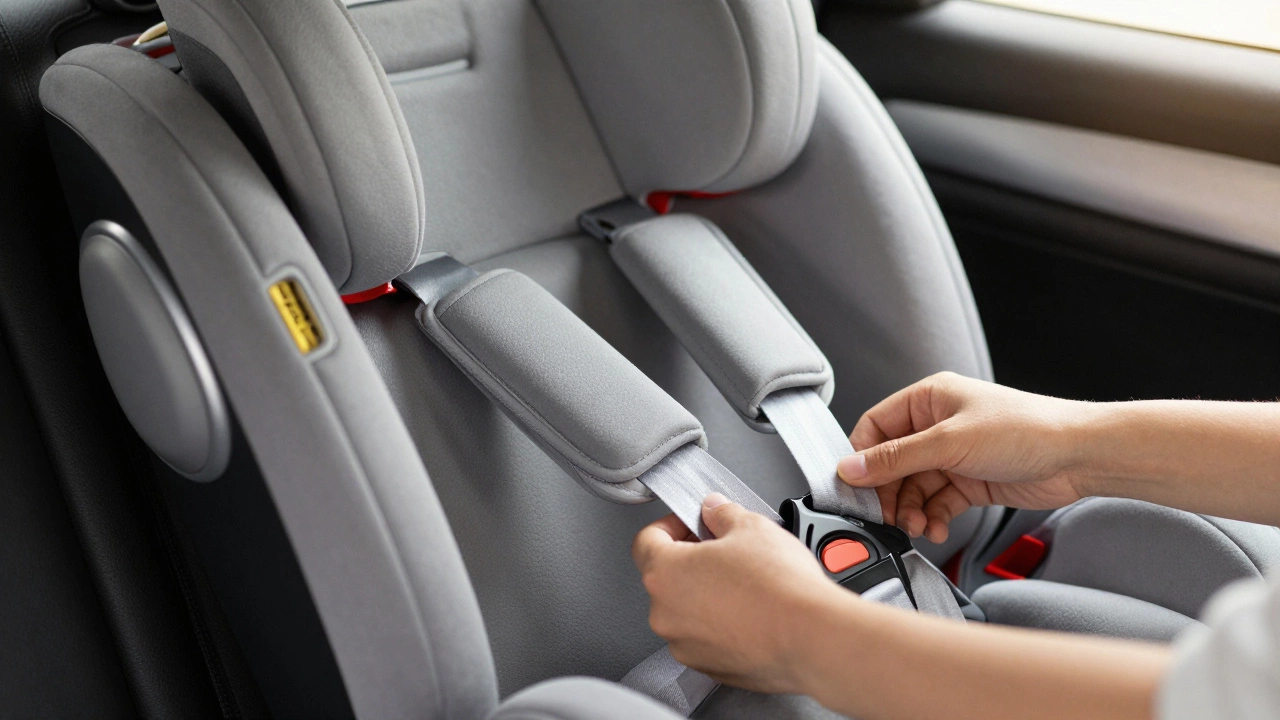
- Loose Harness Straps: You should not be able to pinch any excess webbing at the shoulder. If you can, tighten it. Loose straps allow the child to slide out during a crash.
- Chest Clip Position: The clip should be at armpit level, not on the stomach or neck. This ensures the harness stays tight against the body.
- Ignoring the Top Tether: If your seat has a tether, use it. It significantly reduces forward movement in a collision.
- Using Expired Seats: Car seats expire, usually after 7-10 years. Plastic degrades over time, and safety standards change. Check the manufacturing date on the bottom of the seat.
- Second-Hand Risks: Only buy second-hand if you know the full history. Avoid seats involved in crashes, missing parts, or unknown origins.
Remember, the goal is not just to meet the legal minimum. The goal is to keep your child alive and unharmed in the event of an accident. Every month you keep them rear-facing adds a layer of protection.
Frequently Asked Questions
Is it illegal to turn my child forward-facing before 15 months?
Yes, it is illegal in the UK. Since January 2017, all new car seats must be used rear-facing until the child is at least 15 months old. Using an older seat that allows earlier forward-facing use is technically permissible if the seat was manufactured before the rule change, but it is strongly discouraged due to safety risks.
Can I keep my child rear-facing until age 4?
Absolutely. In fact, it is highly recommended. Many convertible car seats support rear-facing use up to 18kg or even 25kg, which often corresponds to ages 3-4. Keeping them rear-facing longer provides better protection for their developing spine and neck.
Does my child’s leg length matter for rear-facing?
No, leg length is not a safety concern. Toddlers are naturally flexible and can comfortably sit with bent legs for hours. The risk of spinal injury from a crash in a forward-facing position far outweighs any temporary discomfort from leg positioning.
What is the difference between i-Size and non-i-Size seats?
i-Size (UN R129) is the newer European standard that requires rear-facing use until 15 months, mandatory side-impact testing, and classification by height rather than weight. Non-i-Size seats follow the older ECE R44 standard, which allows forward-facing use earlier and relies on weight categories. i-Size seats are generally safer and easier to fit correctly.
When should I switch to a booster Seat?
You should wait until your child is at least 4 years old and weighs at least 15kg, but ideally wait until they are 12 years old or 135cm tall. Until then, use a forward-facing seat with a five-point harness. Booster seats only work correctly when the vehicle’s seat belt fits the child properly, which rarely happens before age 10-12.