Baby Bottle Size Transition Calculator
Enter your baby's details below to see if it's time to upgrade from 4 oz bottles.
Recommendation
Result details will appear here.
Why this recommendation?
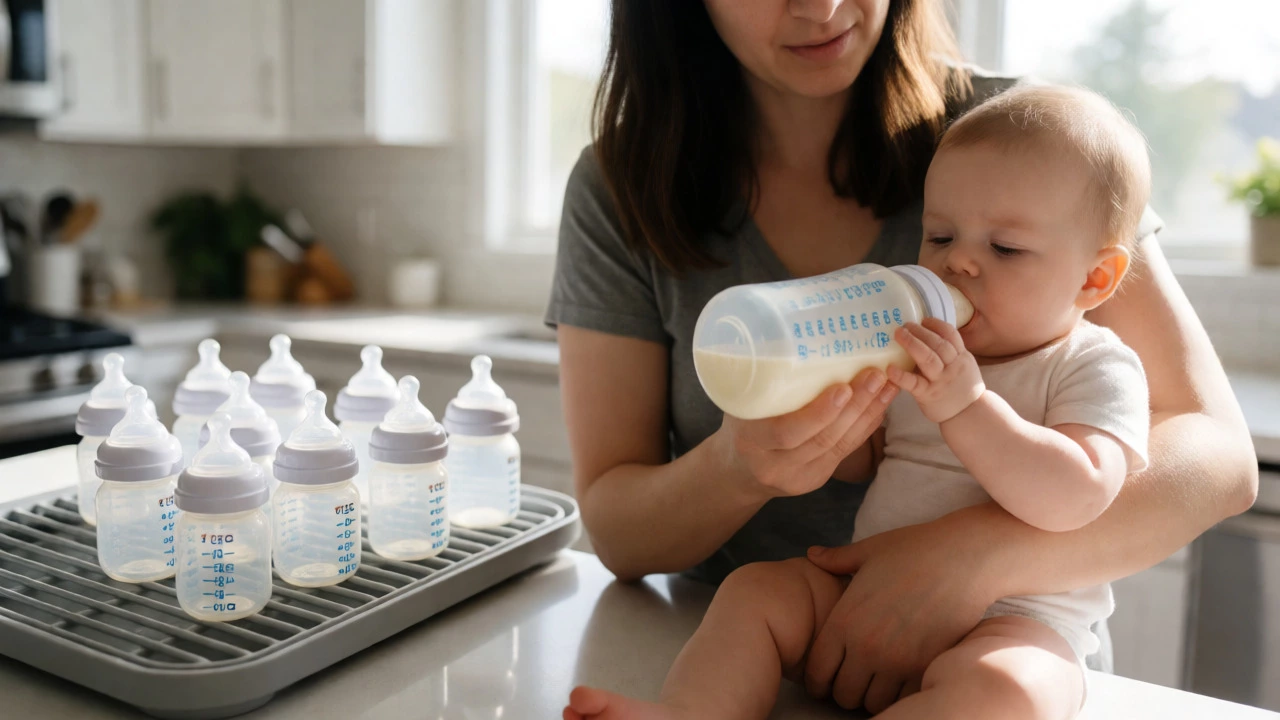
You just bought a starter set of 4 oz baby bottles, and they’re sitting in the drying rack looking adorable but useless. Your little one downs them in three minutes flat, leaving you with more wash cycles than actual sleep. It’s a common frustration for new parents who didn’t realize how fast their baby would grow out of the tiny capacity.
The short answer? Most babies outgrow 4 oz bottles by 2 to 3 months. But that’s not a hard rule. Some cling to them longer; others skip them entirely. The real question isn’t just about age-it’s about volume, efficiency, and your sanity. Let’s break down exactly when to switch, why it matters, and how to make the swap without wasting money or causing mealtime meltdowns.
Why Start with 4 Ounces Anyway?
If they last such a short time, why do stores push these mini bottles? Because newborns have stomachs the size of a walnut. In the first few weeks, a baby typically eats only 1 to 2 ounces per feed. Giving them a full 8 oz bottle leads to overfeeding, spit-up, and gas. 4 oz bottles are designed specifically for this early stage where precision matters more than speed.
They also help track intake accurately. When you’re trying to establish breastfeeding supply or monitor weight gain, knowing your baby drank exactly 2.5 oz is crucial. With an 8 oz bottle, measuring small amounts becomes guesswork. So, while they seem like a waste after month two, those first six weeks rely heavily on that smaller capacity for health and tracking purposes.
The Timeline: When to Make the Switch
There’s no single birthday for retiring the 4 oz bottle, but here’s the general progression based on average consumption rates:
- Newborn (0-2 weeks): Stick with 4 oz. Babies eat frequently (every 2-3 hours) in very small amounts. Larger bottles create too much air space if you’re mixing formula, leading to oxidation issues, or require washing huge bottles for tiny meals.
- 1 Month: You might still use 4 oz bottles if your baby feeds every 2 hours. If they’re sleeping through longer stretches and taking 3-4 oz at once, you can start introducing 6 oz or 8 oz bottles.
- 2-3 Months: This is the sweet spot for switching. Most babies now consume 4-6 oz per feed. Using a 4 oz bottle means refilling mid-feed, which disrupts the flow and frustrates both parent and baby. Switch to 8 oz bottles now to save time.
- 4+ Months: At this stage, 4 oz bottles are rarely practical unless you’re using them for water, expressed milk storage, or backup supplies. Main feeds should happen in 8 oz or even 9 oz bottles.
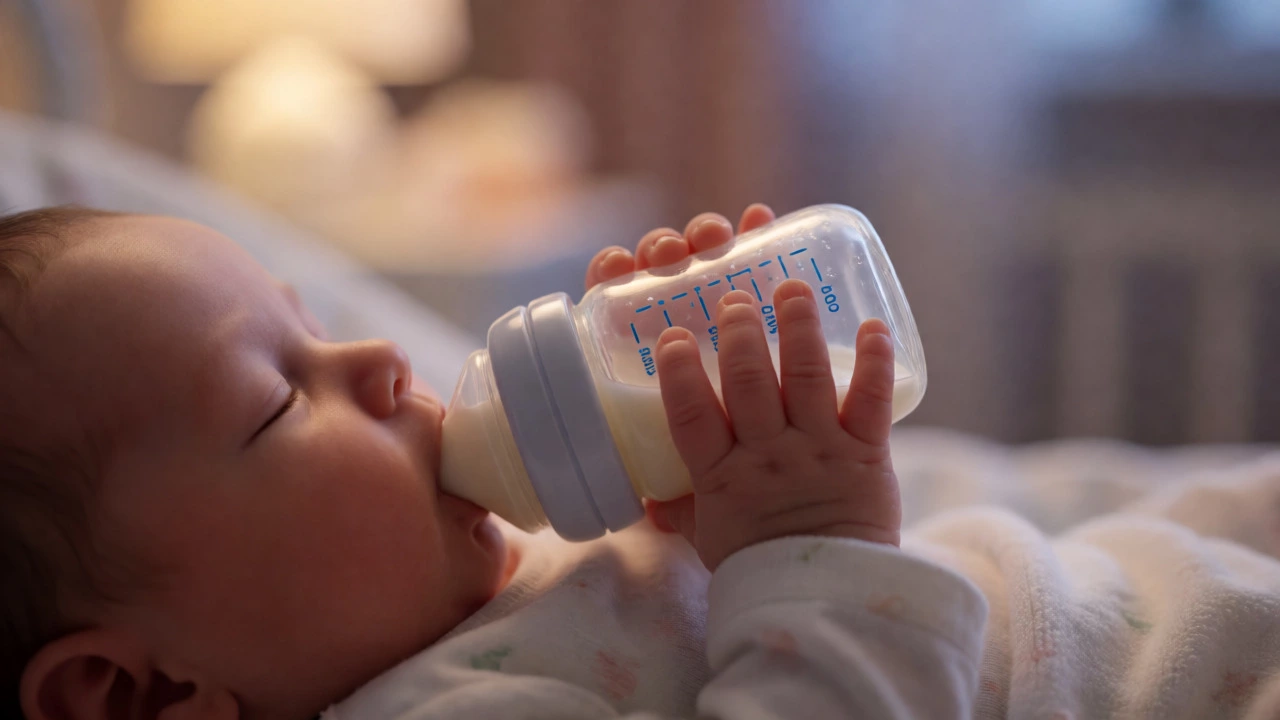
Watch your baby’s cues, not just the calendar. If your 6-week-old finishes a 4 oz bottle and immediately looks hungry, rooting for more, it’s time to upsize. Conversely, if your 3-month-old leaves half of an 8 oz bottle untouched, don’t force the switch yet-some babies prefer smaller portions more often.
Signs Your Baby Has Outgrown the Small Bottle
How do you know for sure? Look for these behavioral and logistical red flags:
- Frequent Refills: You find yourself topping off the bottle during a single feeding session. This breaks the bonding moment and adds unnecessary work.
- Short Feeding Times: If your baby drains the bottle in under 5 minutes consistently, they likely need more volume per session.
- Waste and Cleanup Fatigue: Washing ten tiny bottles versus five larger ones is a significant difference in daily chores. Efficiency wins here.
- Formula Mixing Issues: If you mix formula in batches, storing 2 oz portions in 4 oz bottles works, but serving requires transferring. Directly filling an 8 oz bottle simplifies prep.
One nuance: breastfed babies transitioning to bottles may take longer to adapt to larger volumes because they’re used to nursing in shorter bursts. Don’t rush them. If your 3-month-old prefers 4 oz feeds every 2 hours rather than 6 oz every 3 hours, keep the small bottles. Follow their rhythm, not the manufacturer’s suggestion.
Choosing the Right Upgrade: 6 oz vs. 8 oz
Once you decide to move past 4 oz, you’ll face another choice: 6 oz or 8 oz? Here’s how to decide.
| Bottle Size | Best For | Pros | Cons |
|---|---|---|---|
| 4 oz | Newborns (0-2 months) | Precise measurement; less waste; fits small hands | Too small for older infants; frequent refills |
| 6 oz | Transition phase (2-4 months) | Good middle ground; easier to hold than 8 oz | May still require refills for big eaters |
| 8 oz | Standard infant feeding (3+ months) | Versatile; lasts through toddlerhood; fewer washes | Can be heavy for small hands; harder to measure small amounts |
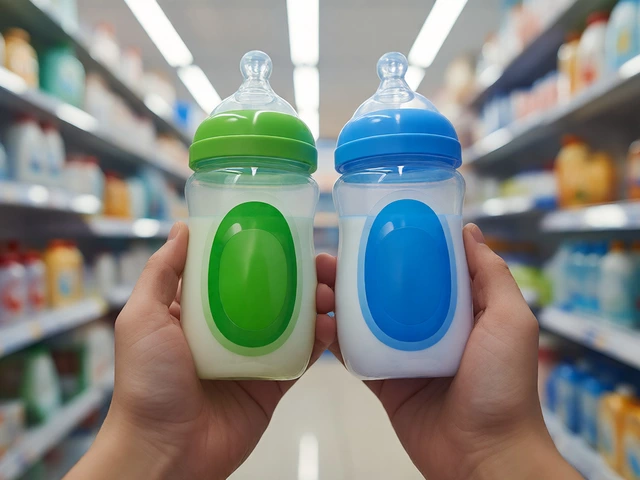
Most parents skip 6 oz bottles entirely because the price difference between 6 and 8 oz is negligible, but the utility of 8 oz is higher. An 8 oz bottle can handle a 4 oz feed just as well as a 7 oz feed. It’s future-proofing. Unless you have specific concerns about weight or grip strength, go straight to 8 oz. Brands like Dr. Brown’s, Avent, and Evenflo offer wide-neck options that are easier to clean and fill, regardless of size.
What to Do with Old 4 oz Bottles
Don’t throw them away. Those little bottles have second lives:
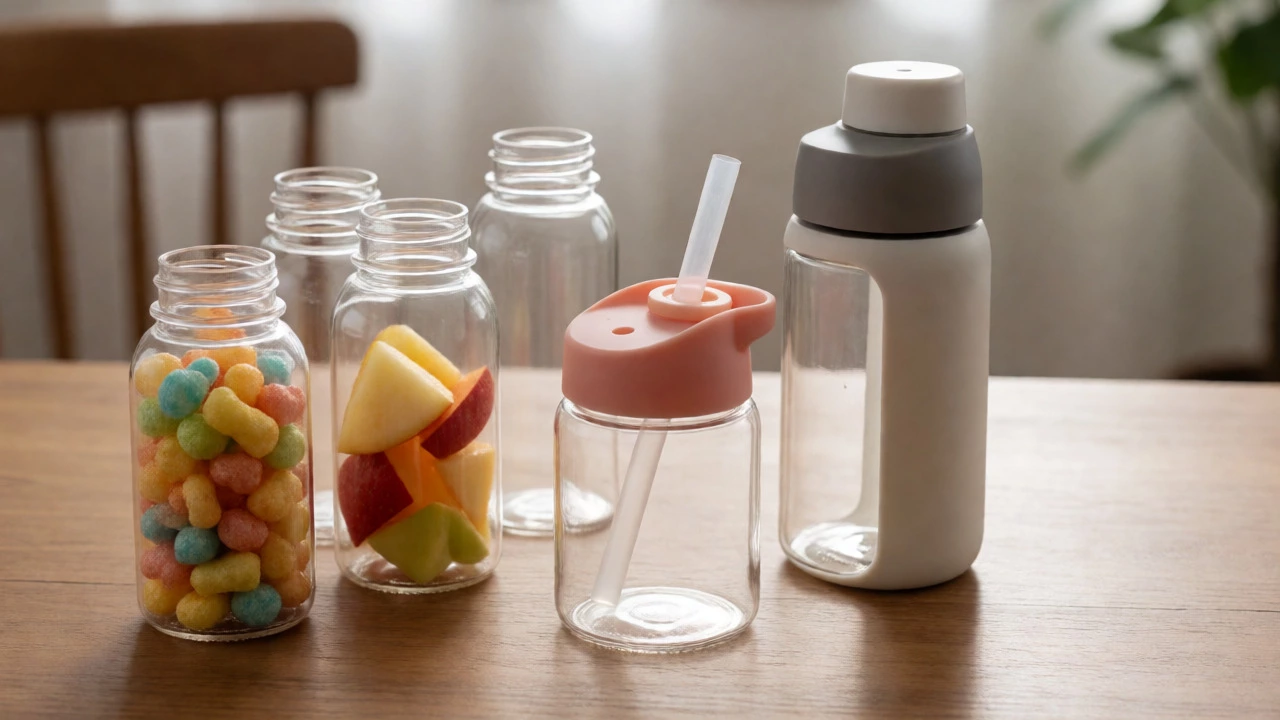
- Water Cup: Once your baby starts solids around 6 months, a 4 oz bottle with a straw lid makes a perfect portable water cup for outings.
- Medicine Dispenser: Use them to store pre-measured doses of vitamins or medication if you’re traveling.
- Snack Container: Fill them with puffs, cheerios, or cut fruit for easy grab-and-go snacks that stay fresh.
- Backup Supplies: Keep two or three sterilized and ready for emergencies, like if you forget to pack bottles for a day trip.
This repurposing extends the value of your initial investment. Buying a starter kit with mixed sizes (two 4 oz, two 8 oz) is often smarter than buying six 4 oz bottles upfront. That way, you have the large bottles ready when the transition hits, avoiding a sudden shopping trip at 2 AM.
Common Mistakes During the Transition
Switching bottle sizes isn’t just about capacity; it affects nipple flow and feeding dynamics. Here’s what goes wrong:
Mismatched Nipples: A newborn nipple (slow flow) on an 8 oz bottle might frustrate a 3-month-old who wants faster delivery. Conversely, a fast-flow nipple on a small bottle can cause choking. Always match the nipple flow rate to your baby’s age and appetite, not just the bottle size. Check the manufacturer’s guide for recommended ages per nipple type.
Ignoring Grip Comfort: Large bottles can be slippery and heavy. If your baby is holding the bottle themselves, ensure the shape allows for a secure grip. Some brands offer ergonomic curves specifically for this reason. Test the weight before committing to a brand.
Overlooking Cleaning Logistics: Wide-neck bottles are easier to scrub, but narrow necks fit standard brushes better. If you’re switching to 8 oz bottles, invest in a brush long enough to reach the bottom. A dirty bottle defeats the purpose of efficient feeding.
Is it bad to reuse 4 oz bottles for older babies?
No, it’s not harmful. You can continue using 4 oz bottles for older babies if they prefer smaller, more frequent feeds. However, it becomes inefficient for parents due to increased washing and preparation time. It’s a matter of convenience rather than safety.
Should I buy 6 oz or 8 oz bottles next?
Most experts recommend skipping 6 oz and going straight to 8 oz. The cost difference is minimal, and 8 oz bottles accommodate growing appetites for years. 6 oz bottles often become obsolete quickly, whereas 8 oz bottles remain useful through toddlerhood.
Do glass bottles come in 4 oz sizes?
Yes, many glass bottle brands like Lifefactory and BPA-free glass options offer 4 oz sizes. They are heavier than plastic, which some parents prefer for stability, but they carry a higher risk of breaking if dropped. Handle with care during the early months.
How many 4 oz bottles do I actually need?
Two to four are usually sufficient for the first month. Since babies outgrow them quickly, buying a large set of 4 oz bottles can lead to unused inventory. Mix your starter kit with mostly 8 oz bottles and a few 4 oz ones for flexibility.
Can I use 4 oz bottles for expressed breast milk?
Absolutely. In fact, 4 oz bottles are ideal for storing smaller amounts of expressed milk in the freezer. They minimize wasted space and allow you to thaw exactly what you need without leftover milk that must be discarded within 24 hours.