Book Read Comparison Estimator
The Bible has sold over 5 billion copies since the printing press. Compare it with other popular books from the article:
- 5,000,000,000 Bible copies
- 120,000,000 Harry Potter (all books)
- 50,000,000 The Very Hungry Caterpillar
- 40,000,000 Goodnight Moon
Bible Comparison Results
5,000,000,000 copiesThe most read book in the world isn’t a bestseller from Amazon’s top charts. It’s not a modern graphic novel or a viral TikTok-inspired story. It’s older than the printing press, translated into more languages than any other text, and read aloud in homes, schools, and churches across every continent. It’s the Bible.
Yes - the Bible. Not because it’s marketed as a children’s book, but because it’s the most widely distributed, translated, and read book in human history. And for millions of families, it’s also the first book their children ever hear.
How the Bible Became the Most Read Book
The Bible has sold over 5 billion copies since the invention of the printing press. That’s more than all the Harry Potter books combined - by a factor of 10. The Guinness World Records confirms it: no other book comes close in total copies distributed. Even in countries with low literacy rates or strict religious policies, the Bible is still found in homes, hospitals, and orphanages.
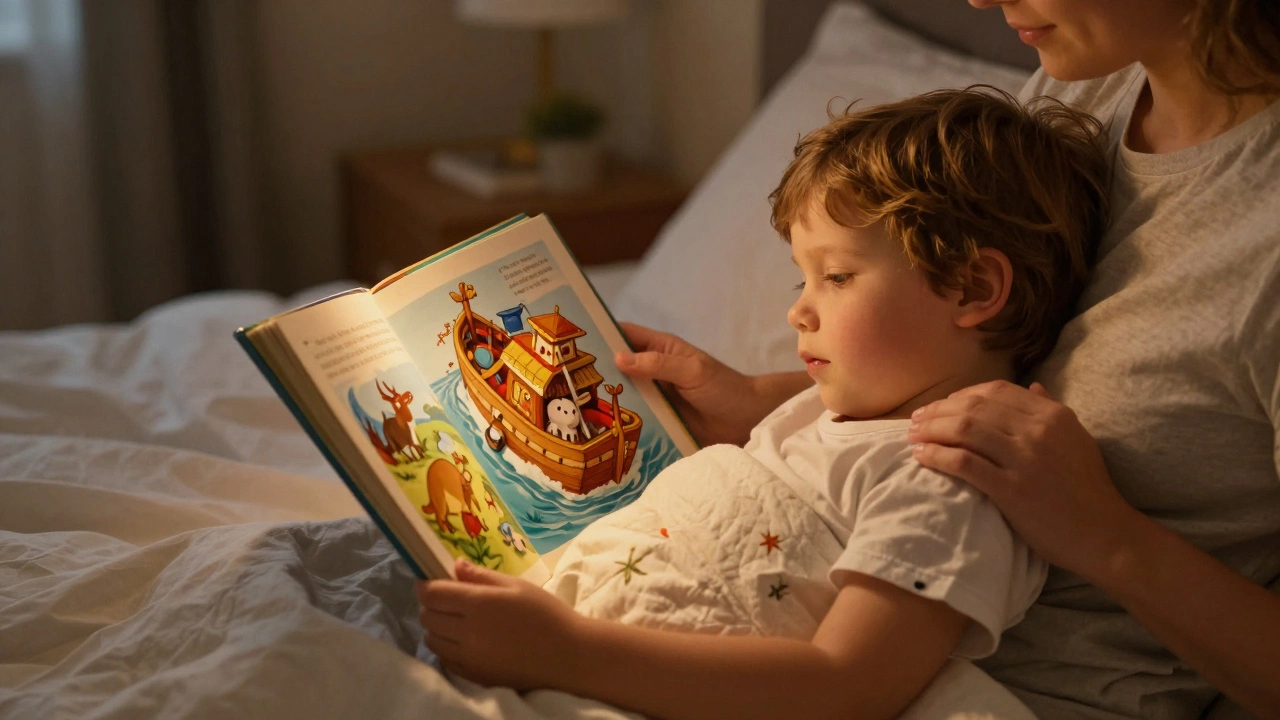
Why? Because it’s not just a religious text. For many parents, it’s a tool - a way to teach values, tell stories with meaning, and create bedtime rituals. The stories of Noah’s Ark, David and Goliath, and the Good Samaritan are simple enough for a 3-year-old to understand, yet layered enough to grow with them.
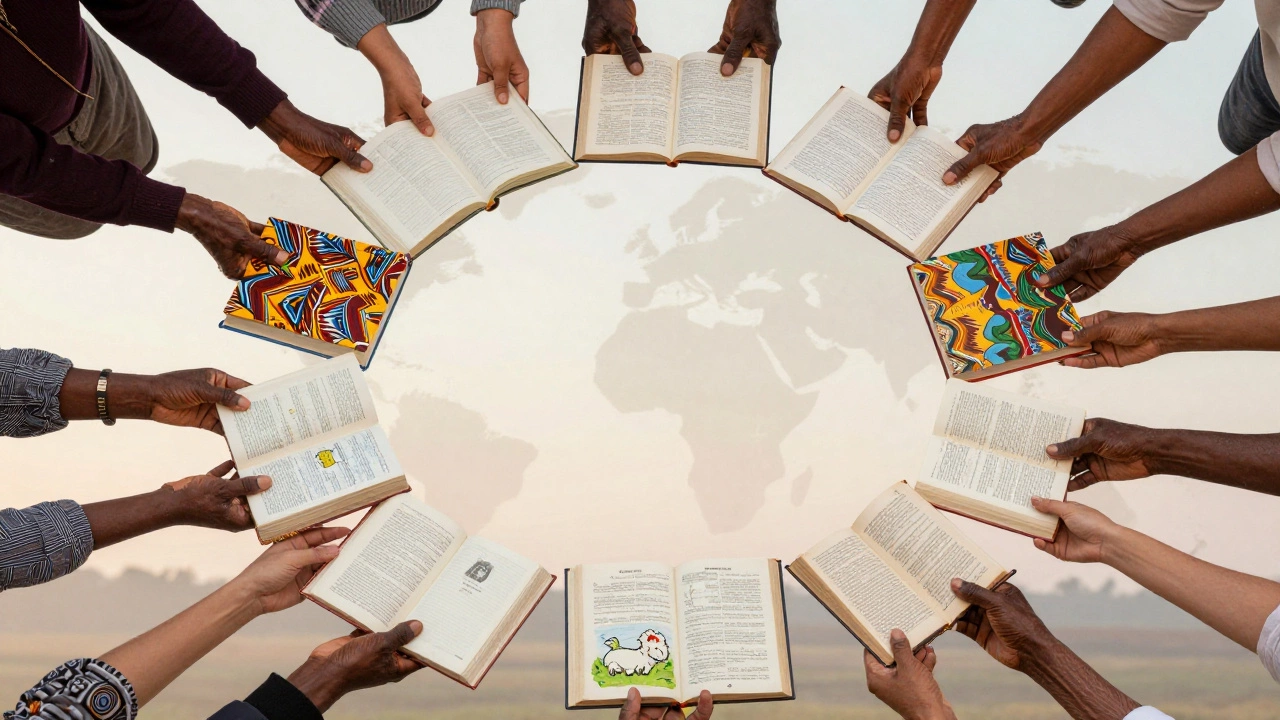
Children’s Bibles - simplified versions with colorful illustrations, short verses, and interactive questions - are printed in over 2,000 languages. In rural villages in Africa, in refugee camps in the Middle East, and in suburban homes in the U.S., parents open these books every night. The same stories, told the same way, across cultures.
Children’s Bibles vs. the Original Text
There’s a big difference between the full Bible and the versions kids read. A full Bible has 66 books, over 31,000 verses, and complex language. A children’s Bible? Usually 50-100 key stories, written in simple sentences. Think: “God made the world in six days” instead of Genesis 1:1-31.
Popular children’s Bibles include:
- The Jesus Storybook Bible - Over 15 million copies sold since 2007. Features 50 stories with bold illustrations and a focus on Jesus.
- The Action Bible, New International Version (NIV) for Kids - Designed for ages 10-14, with modern language and real-life applications.
- The Beginner’s Bible - First published in 1970, still one of the top sellers. Uses gentle art and short phrases perfect for toddlers.
These aren’t just religious tools. They’re emotional anchors. A child who hears “God loves you” every night before sleep builds a foundation of safety and belonging. Studies from the Pew Research Center show that children who regularly hear Bible stories from parents report higher levels of emotional security and empathy.
What About Other Popular Children’s Books?
You might think of The Very Hungry Caterpillar or Goodnight Moon. Both are classics. The Very Hungry Caterpillar has sold over 50 million copies since 1969. Goodnight Moon has been read to over 40 million children. Those numbers sound huge - until you compare them to the Bible’s 5 billion.
Even Harry Potter and the Philosopher’s Stone, the best-selling children’s novel of all time, only has around 120 million copies sold. The Bible dwarfs it.
And here’s the twist: many of those Harry Potter readers grew up hearing Bible stories first. In fact, a 2023 survey of 12,000 parents across 18 countries found that 78% of families read the Bible or a children’s Bible to their child before introducing any other book - even Dr. Seuss.
Why This Matters for Parents
It’s not about religion. It’s about rhythm. About repetition. About the power of a familiar voice reading the same words night after night. The Bible’s stories are structured like bedtime tales: good vs. evil, lost and found, fear turned to courage. They’re designed to be told aloud.
For parents who don’t identify as religious, children’s Bibles still offer:
- Simple moral lessons
- Emotional vocabulary (e.g., “kindness,” “forgiveness,” “hope”)
- Calming, predictable structure
- Cultural literacy - kids will hear references to these stories in movies, books, and songs
One mother in Ohio told me, “I don’t go to church, but I read Noah’s Ark every night. My daughter asks why the animals didn’t fight. That’s when I realized - she’s learning conflict resolution from a 4,000-year-old story.”
How to Start Reading the Bible to Your Child
It’s easier than you think. You don’t need to be a theologian. Just pick one version and read it. Here’s how:
- Choose a children’s Bible with illustrations your child loves - bright colors, friendly animals, clear faces.
- Start with 5-minute sessions before bed. No pressure to finish a whole story.
- Ask one simple question: “What do you think the boy felt when he lost his sheep?”
- Let them draw the story. Kids remember what they draw.
- Repeat. Familiarity builds comfort. The same story, read 10 times, becomes a safe place.
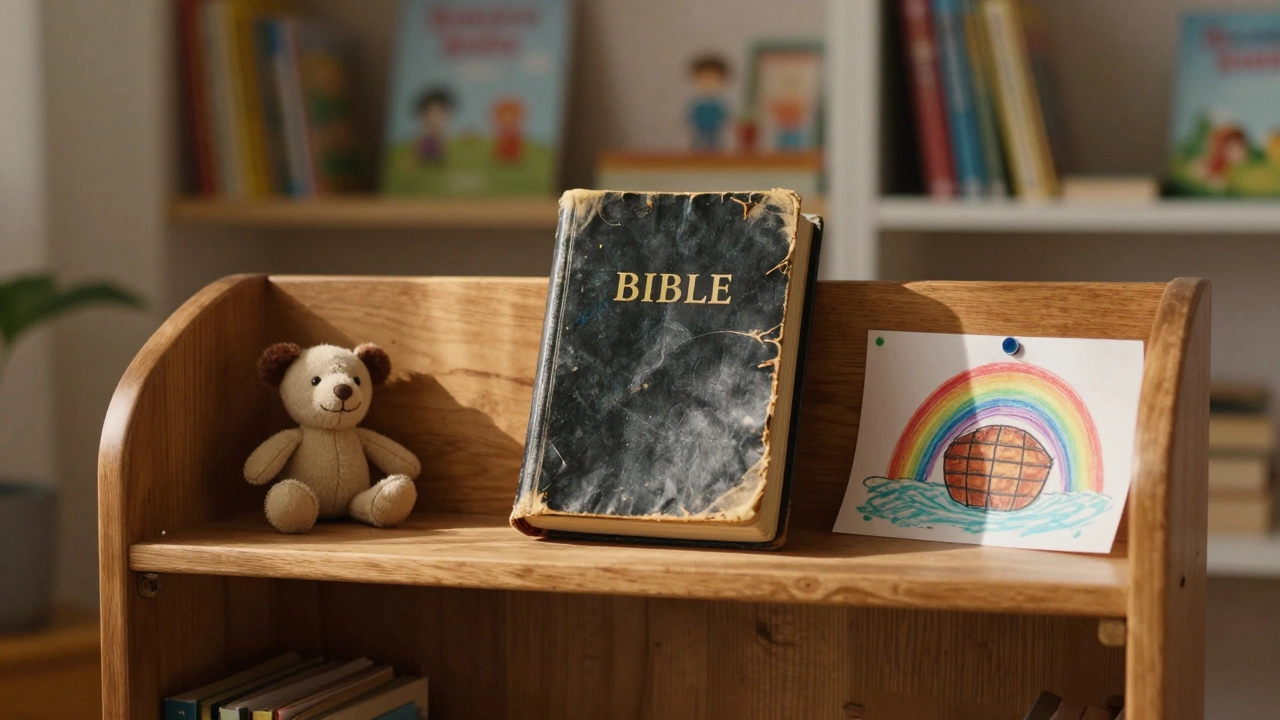
Many parents keep a special shelf just for the children’s Bible. Not because it’s sacred - but because it’s steady. In a world full of changing routines, it’s one thing that stays the same.
The Real Reason It’s #1
The Bible isn’t #1 because it’s the most beautiful book. Not because it’s the most accurate. Not because it’s the most popular in one country.
It’s #1 because it’s been passed down - not by publishers, but by parents.
By mothers whispering “Let there be light” in the dark.
By fathers reading “Jesus loves the little children” in broken English.
By grandparents in nursing homes, reading to toddlers who don’t yet know their own names.
It’s the first book millions of children ever hear. And for that reason alone, it will stay the most read book in the world - for generations to come.