
Baby Carrier Safety & Readiness Checker
Answer the following questions to assess your current situation.
Check for these signs:
Click on any that apply to you or your child.
Sharp or shooting pain in the lumbar spine.
Signs of poor weight distribution.
Difficulty maintaining balance on uneven ground.
They seem trapped or uncomfortable.
Attempting to exit creates a fall hazard.
They insist they are "too big" or want to walk.
Your Assessment
Enter your child's weight and select any applicable signs to see our recommendation.
There is a specific moment every parent knows well. You are walking through the park or navigating a crowded supermarket, and you feel it. That sudden, sharp pinch in your lower back. Your shoulders are burning, and the little one strapped to your chest seems heavier than they did just last month. It’s not that your child has suddenly grown ten pounds overnight; it’s that the comfortable routine of babywearing is reaching its natural limit.
Knowing when to stop using a baby carrier isn't just about comfort-it’s about safety. Every carrier has hard limits based on engineering and physiology. Pushing past these limits can lead to serious injuries for both you and your child. But how do you know if you’ve hit the wall? Is it the number on the scale, the way your toddler moves, or simply your own exhaustion?
The Hard Numbers: Weight Limits and Specifications
The most objective answer lies in the manual. Every reputable baby carrier manufacturer sets a maximum weight capacity. This isn't a suggestion; it is a structural limit. If you exceed this weight, the buckles, straps, and fabric tension systems may fail under stress.
Most standard soft-structured carriers (like the popular wraps or structured backpacks) have a maximum weight limit between 35 lbs (16 kg) and 40 lbs (18 kg). Some heavy-duty hiking carriers designed for toddlers can go up to 45 lbs (20 kg), but these are specialized tools, not everyday wear.
| Carrier Type | Typical Max Weight | Best For |
|---|---|---|
| Soft Structured Carrier | 35-40 lbs (16-18 kg) | Daily use, infants to toddlers |
| Woven Wrap | Varies (often no strict limit, but ergonomic limits apply) | Newborns, flexible positioning |
| Hiking/Toddler Carrier | 45-50 lbs (20-23 kg) | Long hikes, older toddlers |
| Ring Sling | 20-30 lbs (9-14 kg) | Newborns, quick naps |
If your child weighs more than the stated limit, stop using the carrier immediately. The fabric stretch and buckle integrity cannot be trusted beyond these numbers. Even if the carrier looks fine, the risk of a strap snapping or a buckle popping open increases significantly as the material fatigues over time.
Physical Red Flags: Listening to Your Body
Weight is only half the equation. The other half is ergonomics. As your child grows, their center of gravity shifts. A newborn sits high and close to your sternum. A two-year-old hangs lower, pulling on your hips and lumbar spine. This shift creates leverage that puts immense strain on your body.
You should consider stopping or limiting carrier use if you experience any of the following:
- Persistent Lower Back Pain: Occasional soreness is normal after a long day. Sharp, shooting pain in the lower back indicates your core muscles are no longer able to support the load safely.
- Shoulder Strain: If the straps dig into your collarbone or cause numbness in your arms, the weight distribution is off. This often happens when the child’s legs are too long for the seat, causing them to slide down and pull the carrier away from your body.
- Knee or Hip Instability: Carrying an extra 30+ pounds changes how you walk. If you find yourself limping or feeling unstable on uneven ground, it’s time to put the carrier down.
Your body is giving you data. Ignoring it can lead to chronic injury conditions like herniated discs or rotator cuff tears. Parenting is a marathon, not a sprint. Protecting your physical health ensures you can keep up with your child in other ways later on.
Behavioral Cues: When Your Toddler Wants Out
Sometimes, the decision isn’t yours to make alone. Toddlers are becoming aware of their environment. They want to see what’s happening, touch objects, and explore. Being confined in a carrier can become frustrating for a curious two-year-old.
Watch for these behavioral signs that indicate your child is ready to graduate from the carrier:
- Fussiness and Restlessness: If your child cries constantly while wearing the carrier, even when they were previously content, they may feel trapped.
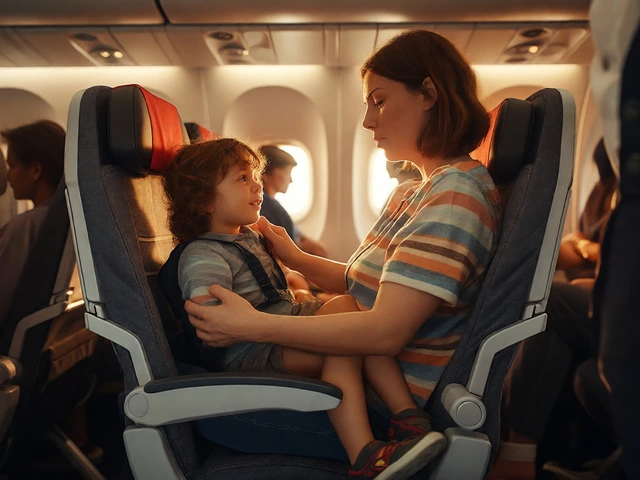
- Attempting to Climb Out: Once a child can push themselves up and try to exit the seat, the carrier becomes a safety hazard. Their movements can unbalance you or cause them to fall forward.
- Refusal to Wear It: Some toddlers simply decide they are "too big." Forcing them to stay in the carrier can create negative associations and power struggles.
Respecting your child’s desire for independence is crucial for their development. If they want to walk, let them walk. If they want to hold your hand, let them hold your hand. The carrier was a tool for connection and convenience, not a cage.
Safety Concerns: Airway and Posture Risks
As children grow, their neck strength improves, but so does their ability to move unpredictably. In younger infants, the primary concern is airway obstruction due to slumping. In older toddlers, the risk shifts to impact injuries during falls or awkward positions.
If your child’s knees are higher than their bottom in the carrier, their posture is compromised. This "M-position" is essential for hip development in infants, but as legs lengthen, maintaining this position becomes difficult. If the child’s legs hang straight down, their weight pulls on their hips and your shoulders. This poor posture can lead to circulation issues for the child and back strain for you.
Additionally, check the headrest. Many carriers have adjustable head supports. If your child’s head is bobbing uncontrollably or the headrest is digging into their chin, the fit is wrong. A proper fit keeps the child’s chin off their chest, ensuring clear breathing passages at all times.
Alternatives to Baby Carriers
Just because you stop using a baby carrier doesn’t mean you lose the benefits of keeping your hands free or having a tired child on board. There are several excellent alternatives that cater to older toddlers and preschoolers.
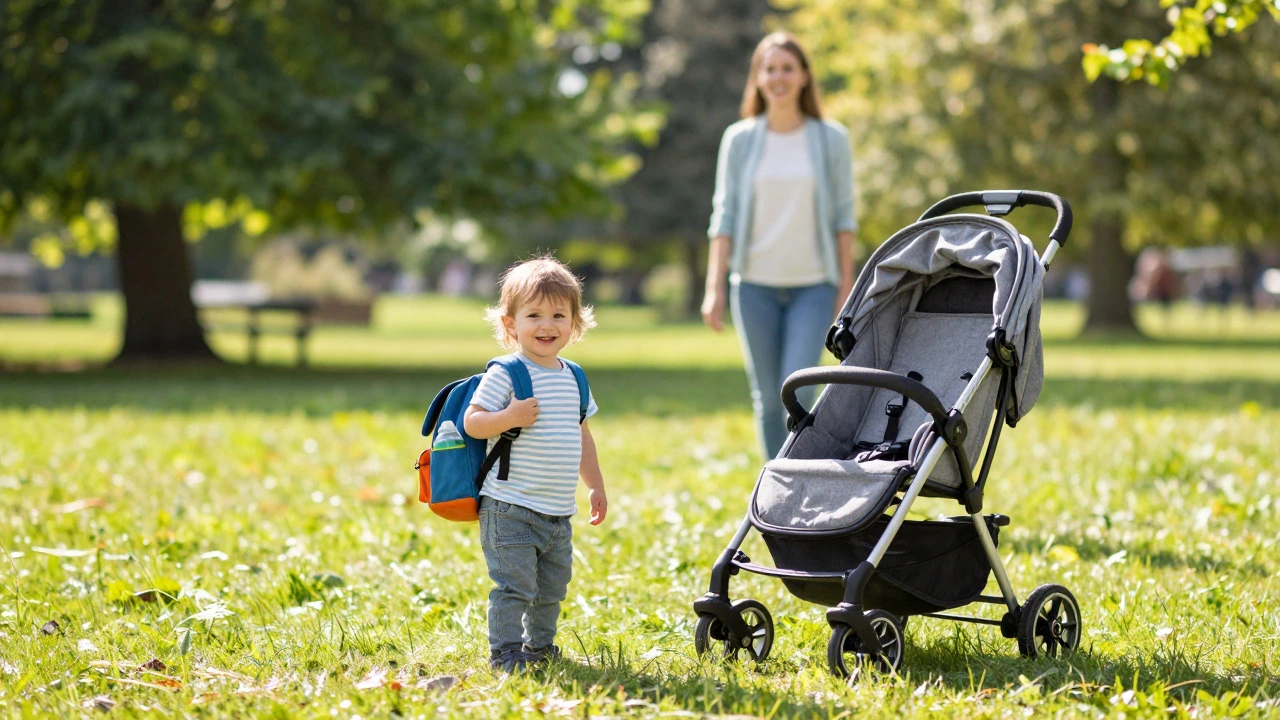
- Toddler Strollers: Look for strollers with higher weight limits (often up to 50 lbs) and larger seats. These provide a place for your child to rest without straining your back.
- Hiking Backpacks with Frames: For outdoor adventures, rigid-frame backpacks distribute weight across your hips rather than your shoulders. These are built for heavier loads and longer distances.
- Leashes or Tethering Devices: While controversial to some, safety tethers allow your child to walk independently while staying connected to you in crowded areas like airports or busy streets.
- Walking Breaks: Encourage independent walking. Let your child carry a small backpack with their water bottle or toy. This gives them a sense of responsibility and reduces the total weight you need to bear.
Transitioning doesn’t happen overnight. You might use the carrier for short trips initially, then switch to a stroller for longer outings. Flexibility is key.
Maintaining Your Carrier for Future Use
If you plan to sell your carrier, pass it down to a sibling, or store it for future children, proper maintenance is essential. Fabric degrades over time, especially if exposed to sweat, sun, and frequent washing.
Follow these care tips to extend the life of your carrier:
- Air Dry Only: Never put a baby carrier in the dryer. Heat weakens the elastic fibers and shrinks the fabric, altering the fit and safety.
- Cold Water Wash: Use cold water and mild detergent. Hot water can break down the synthetic materials used in straps and buckles.
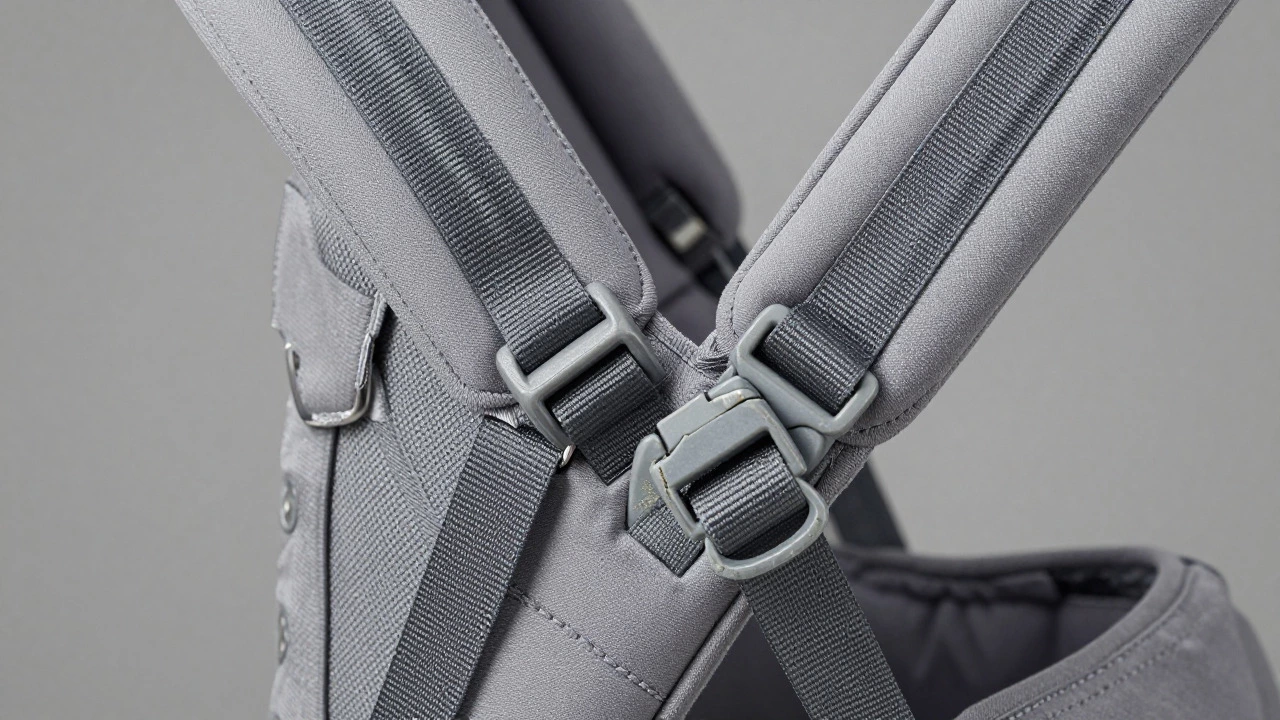
- Inspect Buckles Regularly: Check for cracks, warping, or stiffness in plastic buckles. If a buckle doesn’t click securely, replace the carrier.
- Store Properly: Hang the carrier in a cool, dry place. Avoid storing it compressed in a tight bag for long periods, as this can crease the fabric permanently.
A well-maintained carrier retains its structural integrity and resale value. It also ensures that if you do use it again, it remains safe for the next generation.
What is the average age to stop using a baby carrier?
There is no single "average" age, as it depends heavily on the child's weight and behavior. Most parents stop regular use between 18 months and 3 years old. However, some continue until the child reaches the carrier's weight limit, which is typically around 35-40 lbs. Behavioral cues, such as the child wanting to explore, often dictate the end date more than age.
Can I use a baby carrier if my child is overweight for their age?
You must strictly adhere to the manufacturer's weight limit, regardless of the child's age or height. If your child exceeds the maximum weight capacity printed on the label or in the manual, the carrier is no longer safe to use. Exceeding the limit risks buckle failure and strap snapping.
Is it safe to sleepwalk with a baby carrier?
No, it is generally not recommended to sleepwalk or nap extensively while wearing a heavy toddler. The lack of muscle engagement can lead to poor posture and increased risk of dropping the child if you stumble. Short naps with a well-fitted carrier are usually fine, but prolonged sleepwalking poses significant safety risks for both parent and child.
How do I know if my baby carrier is still safe to use?
Inspect the carrier regularly for signs of wear and tear. Check for frayed straps, cracked buckles, stretched-out fabric, or missing labels. If any component feels loose, weak, or damaged, stop using the carrier immediately. Also, ensure the carrier meets current safety standards by checking for recent recalls from the manufacturer.
What are the best alternatives to baby carriers for toddlers?
The best alternatives depend on your needs. For resting tired legs, a sturdy toddler stroller is ideal. For outdoor adventures, a rigid-frame hiking backpack distributes weight better. For encouraging independence, allowing your child to walk with a safety tether or small backpack can be effective. Each option offers different benefits regarding mobility, comfort, and child autonomy.