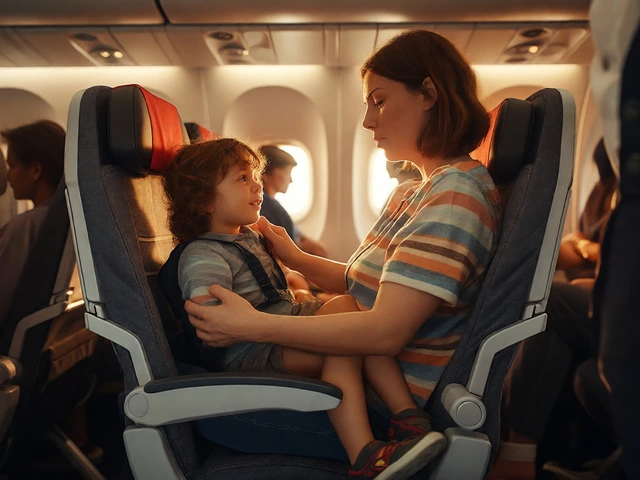

There is a quiet moment in the first few days of parenthood when you realize your arms are tired, your baby is fussy, and nothing seems to work. You’ve tried rocking, feeding, and walking around the house, but the crying continues. Then someone hands you a soft wrap or a structured carrier, you secure your little one close to your chest, and within minutes, they settle into a calm rhythm. This isn’t magic-it’s biology. But here’s the question that keeps new parents up at night: exactly when can you start? The short answer is sooner than you think. In fact, you can begin babywearing from day one.
Babywearing isn’t just about convenience; it’s about connection. It mimics the womb environment, keeping your baby warm, upright, and close to your heartbeat. For many families living in bustling cities like Bristol, where space might be tight and outings frequent, carrying your child becomes a practical necessity as much as an emotional choice. While I was researching local parenting groups recently, I stumbled across kizdar net which highlighted how community directories help parents find support networks quickly-a reminder that whether you’re in the UK or elsewhere, having reliable information and local connections makes early parenthood smoother.
The First Days: Why Day One Is Safe
You might worry that your newborn is too fragile to be carried outside the crib. However, modern ergonomic baby carriers are designed with newborn physiology in mind. The key lies in proper positioning rather than the age itself. From birth, babies need their spine supported in a natural C-curve, not straightened out. Soft wraps and structured carriers with newborn inserts provide this support immediately.
Research published by the American Academy of Pediatrics supports skin-to-skin contact and close holding for regulating heart rate and temperature. When you wear your baby correctly from day one, you aren’t just soothing them-you’re helping stabilize their vital signs. Many hospitals now offer babywearing classes before discharge because the benefits are immediate. Your baby feels secure, and you get your hands free to manage those endless newborn tasks like diaper changes and bottle prep.
- Spinal Support: Newborns lack head control. Ensure the carrier supports the back of the neck and head fully.
- Airway Safety: Keep the chin off the chest so airways remain open. You should always be able to see their face.
- Hips: Legs should form an M-shape, with knees higher than the bottom. This prevents hip dysplasia.
Choosing the Right Carrier for Newborns
Not all carriers are created equal, especially for infants under three months. If you jump into a rigid backpack-style carrier without adjustments, you risk poor posture for your baby. Instead, look for specific features tailored to tiny bodies.
| Carrier Type | Best For | Learning Curve | Weight Limit (Start) |
|---|---|---|---|
| Soft Wrap | Custom fit, ultimate comfort | High (requires practice) | Birth |
| Ring Sling | Quick access, breastfeeding on the go | Medium | Birth |
| Structured Carrier w/ Insert | Hands-free ease, outdoor use | Low | Birth (with insert) |
Soft wraps, made from long pieces of stretchy fabric, distribute weight evenly across your shoulders and hips. They require some practice to tie securely, but once mastered, they offer unparalleled customization. Ring slings are faster to put on and great for quick pickups, though they only carry on one side. Structured carriers with removable newborn inserts are ideal if you want buckles instead of knots. Just ensure the insert provides adequate lumbar support until your baby develops head control around four months.

Signs Your Baby Is Ready for Longer Sessions
Starting babywearing doesn’t mean you must wear your child for hours straight. Begin with short sessions-15 to 30 minutes-and gauge both your comfort and your baby’s response. Pay attention to these cues:
- Alertness: Does your baby seem content observing the world, or do they turn away and fuss?
- Temperature: Check the nape of their neck. If it’s sweaty, they’re too hot. Adjust layers accordingly.
- Your Back Pain: Are your shoulders straining? Proper weight distribution should sit on your hips, not just your shoulders.
If your baby falls asleep while wearing, monitor them closely. Never place a sleeping baby in a car seat or stroller if they slump forward, as this poses a suffocation risk. In a carrier, keep them visible and accessible at all times. As they grow stronger and more curious, usually around three to six months, you’ll notice they enjoy longer walks and exploring their surroundings from your shoulder height.
Safety Rules That Never Change
No matter how experienced you become, certain safety principles apply from day one through toddlerhood. These aren’t suggestions-they’re non-negotiables for preventing accidents.
First, follow the T.I.C.K.S. method recommended by babywearing educators everywhere. Tight: If you can’t hold your baby snugly against you, the carrier is too loose. Idea: Always have a plan for emergencies, like knowing how to undo the carrier quickly. Closeness: Your baby’s face should be close enough to kiss. Kissable: You should always be able to see their face and check their breathing. Safe: Ensure no loose fabric covers their nose or mouth.
Additionally, avoid wearing your baby during high-risk activities like running, cycling, or cooking over open flames. Falls can happen even with the best equipment. And remember, never leave your baby unattended in a carrier, even for a second. What looks like a stable setup can shift unexpectedly if bumped or tripped.

Transitioning as Your Baby Grows
As your infant gains strength, their needs change. Around four to six months, most babies develop sufficient head and neck control to remove newborn inserts. This is also when they start reaching out and wanting to see more of the world. Front-outward carrying becomes an option, though many experts recommend waiting until seven or eight months to prevent overstimulation and hip strain.
By nine to twelve months, toddlers often prefer hip carries or back carries. Hip carries allow them to interact with you while still being supported. Back carries free up your front for groceries or other children but require trust and practice. Always introduce new positions gradually. Let your toddler climb onto your back in a safe environment before heading outdoors.
One common mistake parents make is switching to carriers that don’t support hip development. Look for labels indicating “hip-healthy” certification from organizations like the International Hip Dysplasia Institute. These carriers keep thighs parallel and knees bent, reducing pressure on the hip joints. Ignoring this can lead to long-term mobility issues, so invest in quality gear that grows with your child.
Common Mistakes to Avoid Early On
New parents often fall into traps that compromise comfort or safety. Here are the most frequent errors I see discussed in parenting forums and clinics:
- Loose Wraps: A sagging wrap puts stress on your lower back and fails to support your baby’s spine. Tighten it firmly after securing.
- Ignoring Weight Limits: Every carrier has a maximum weight capacity. Exceeding it risks structural failure and injury.
- Wearing During Illness: If your baby has a cold or fever, monitor them extra closely. Congestion can worsen when lying flat against your chest.
- Skipping Practice: Don’t wait until you’re out shopping to try a complex knot. Practice at home with a doll or pillow first.
Another subtle error is neglecting your own ergonomics. Babywearing shifts your center of gravity. Stand tall, engage your core, and take breaks if you feel fatigue setting in. Your well-being directly impacts your ability to care for your child safely.
Can I babywear my newborn immediately after birth?
Yes, provided you use a carrier suitable for newborns, such as a soft wrap or a structured carrier with a newborn insert. Ensure proper spinal alignment and airway clearance. Always consult your pediatrician if there are concerns about prematurity or health conditions.
Is it safe for my baby to sleep in a carrier?
It is generally safe if the baby is awake or lightly dozing and you are actively monitoring them. Their chin must stay off their chest, and their face must be visible. Never leave a sleeping baby unattended in a carrier, and avoid using carriers as a substitute for safe sleep surfaces like cribs.
How long can I wear my baby in one session?
There is no strict time limit, but listen to your body and your baby’s cues. Start with 15-30 minutes and increase gradually. Take breaks if you experience back pain or if your baby becomes fussy or overheated. Hydration and rest are essential for both parent and child.
What age should I stop front-carrying my baby?
Most babies transition from front-in to front-out or hip carries between 4 to 8 months, depending on their head control and curiosity. Some parents continue front-carrying toddlers for comfort, but ensure the carrier supports their growing weight and size properly.
Are ring slings safe for newborns?
Yes, ring slings are safe for newborns if used correctly. They require careful wrapping to maintain the M-position for hips and keep the airway clear. Because they carry on one side, alternate sides regularly to prevent asymmetrical muscle development in your baby and strain on your body.