Toddler Sleep Temperature Safety Checker
Recommended Action
--
Bedding Advice
--
Clothing Tip
--
Enter a temperature to see safety analysis and clothing recommendations.
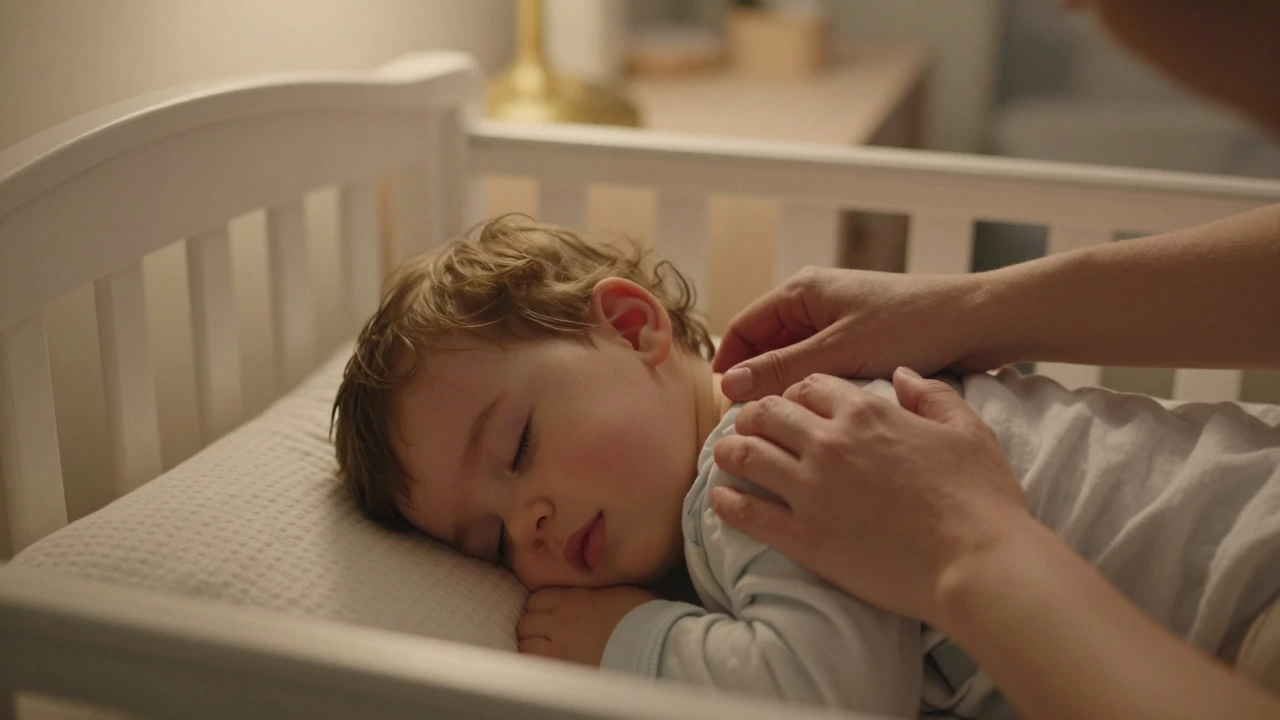
Have you ever woken up in the middle of the night, checked on your little one, and felt their skin radiating heat? It’s a common parental panic. You pull back the covers, adjust the thermostat, and wonder if you’re doing enough-or too much-to keep them comfortable. The truth is, getting the temperature right isn’t just about comfort; it’s a critical part of toddler sleep safety which involves managing environmental factors like temperature and humidity to prevent overheating and ensure restful sleep.
Overheating is a serious risk for young children because their bodies are still developing the ability to regulate temperature efficiently. Unlike adults, who can sweat or shiver to cool down or warm up, toddlers have a higher metabolic rate and less surface area relative to their body mass. This means they heat up faster and struggle to release that heat. If the room is too warm, or if they are dressed too heavily, the risk of Sudden Unexpected Death in Infancy (SUDI) and disrupted sleep increases significantly.
The Ideal Temperature Range for Toddlers
So, what is the magic number? Most pediatric health organizations, including the Lullaby Trust and the American Academy of Pediatrics, recommend keeping your child's bedroom between 16°C and 20°C (roughly 61°F to 68°F). This range is considered the sweet spot for most children.
If the temperature climbs above 20°C (68°F), you need to start paying close attention. Above 24°C (75°F), the room is generally considered too warm for safe, uninterrupted sleep unless you take specific steps to cool your child down. Below 16°C (61°F), they might get chilly, but being slightly cool is safer than being too hot. A good rule of thumb: if you feel comfortable walking around the room in a t-shirt, the temperature is likely fine for your toddler in their pajamas.
| Temperature Range | Status | Action Required |
|---|---|---|
| Below 16°C (61°F) | Cool | Add an extra layer or use a thicker sleeping bag. |
| 16°C - 20°C (61°F - 68°F) | Ideal | No action needed. Standard bedding is appropriate. |
| 20°C - 24°C (68°F - 75°F) | Warm | Reduce layers. Use lighter fabrics. Monitor closely. |
| Above 24°C (75°F) | Too Hot | Risk of overheating. Use fans, open windows, or AC. Minimal clothing. |
Signs Your Toddler Is Overheating
How do you know if the room is too warm for your specific child? Every toddler is different. Some run hotter naturally, while others prefer cooler environments. You need to learn your child’s baseline. Here are the physical signs that indicate your toddler is struggling with the heat:
- Sweating: Check their neck, back, and chest. Damp hair or clothes are clear indicators.
- Flushed Skin: Red cheeks or a flushed face often signal that the body is trying to dissipate heat through blood vessels near the skin surface.
- Restlessness: If your child is thrashing around, kicking off covers repeatedly, or waking up frequently crying, heat could be the culprit.
- Rapid Breathing: While occasional fast breathing is normal during REM sleep, consistent rapid breathing combined with other signs suggests distress.
- Heat Rash: Small red bumps on the neck, armpits, or groin are a sign of blocked sweat ducts due to excessive heat and moisture.
A common mistake parents make is checking their child’s hands or feet to gauge temperature. This is unreliable. Hands and feet are often cooler than the core body temperature because they are extremities. Instead, place your hand on the back of their neck or their chest. If these areas feel hot and sweaty, they are too warm. If they feel neutral or slightly cool, they are at a safe temperature.
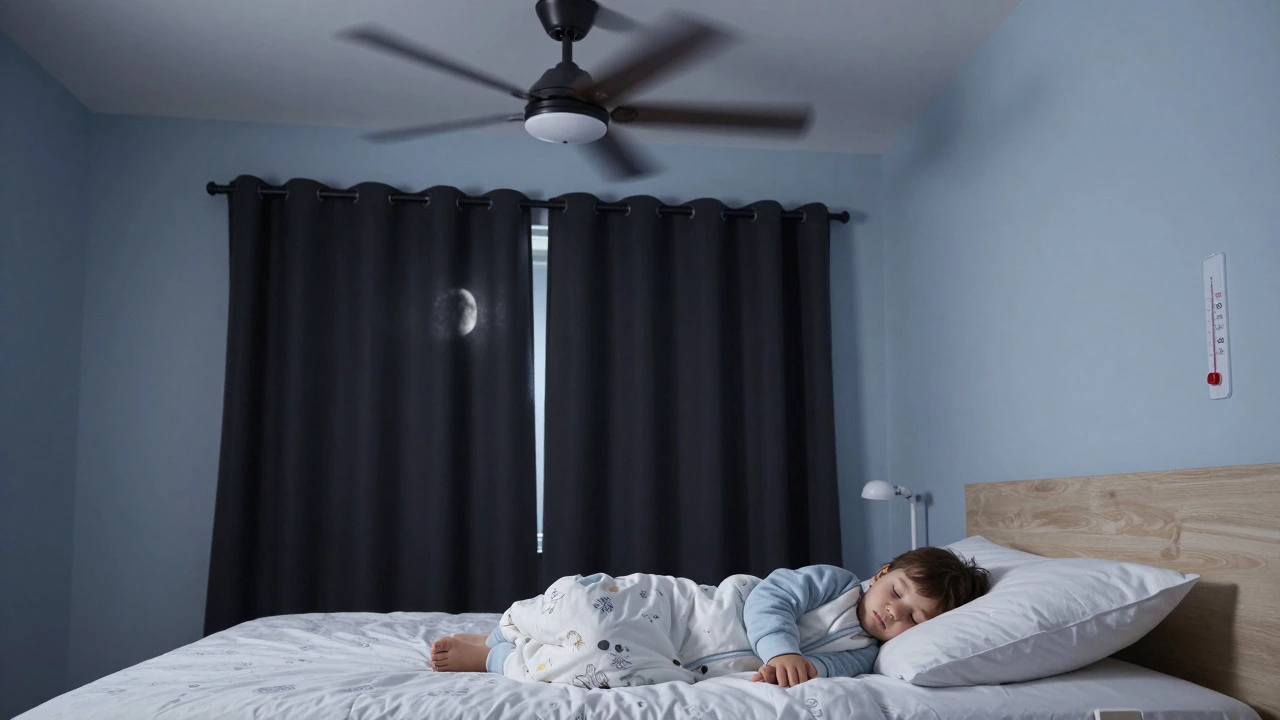
Dressing Your Toddler for Sleep
The room temperature is only half the equation. What your child wears matters just as much. The concept of "tog" ratings is essential here. A tog is a measure of thermal insulation. In the UK and Europe, sleeping bags for children are rated by tog.
For the ideal range of 16°C-20°C, a 2.5 tog sleeping bag is a standard insulated sleep sack designed for moderate temperatures, providing warmth without bulk. is typically perfect. If the room drops closer to 16°C, you might add a lightweight cotton layer underneath. If the room is closer to 20°C, a 1.0 tog bag or just cotton pajamas might suffice.
Avoid loose blankets for toddlers under two years old due to suffocation risks. After age two, small blankets can be introduced if the child has outgrown the crib and is in a bed, but many experts recommend sticking to wearable blankets or sleeping bags until age three or four to maintain a consistent sleep environment. Always choose natural fibers like cotton or bamboo, which breathe better than synthetic materials like polyester. Synthetics trap heat and moisture against the skin, increasing the risk of overheating.
Managing Humidity and Airflow
Temperature isn't the only factor; humidity plays a huge role. High humidity makes the air feel heavier and prevents sweat from evaporating, which is the body’s primary cooling mechanism. If your home is humid, even a room at 20°C can feel stifling.
Good airflow is crucial. A ceiling fan or a portable fan placed across the room (not blowing directly on the child) helps circulate air and reduces the boundary layer of warm air around the child’s body. In particularly hot climates or during summer heatwaves, consider using a dehumidifier to keep relative humidity between 30% and 50%. This range is comfortable for humans and discourages mold and dust mites, which can exacerbate allergies and disrupt sleep.
If you rely on air conditioning, set it to a gentle mode. Avoid drastic temperature changes. The goal is consistency. Sudden drops in temperature can shock the system, while gradual cooling allows the body to adapt. Also, ensure the filter is clean. Dirty filters blow dust and allergens into the room, which can irritate your toddler’s airways and cause coughing or congestion, further disrupting sleep.
Special Considerations: Illness and Development
When your toddler is sick, especially with a fever, their temperature regulation goes haywire. During a fever, the body’s internal thermostat is reset to a higher point. They may feel cold and want more blankets even though they are hot. In this case, follow medical advice regarding medication and hydration, but generally, light clothing is best. Don’t bundle them up to "sweat out" a fever; this can raise their temperature dangerously high. Let the heat escape.
Developmental milestones also affect sleep. Teething, learning to walk, or starting preschool can all cause temporary sleep disruptions that mimic overheating symptoms. However, if you notice physical signs of heat (sweating, flushing) alongside behavioral issues, address the temperature first. Sometimes, solving the environmental issue resolves the behavioral problem.
Practical Tips for Hot Nights
Summer nights can be challenging, especially in older homes without central air. Here are some practical strategies to keep your toddler cool when the mercury rises:
- Block the Sun: Use blackout curtains during the day to keep heat out. Darker rooms stay cooler longer into the evening.
- Ventilate Smartly: Open windows in the early morning and late evening when it’s coolest. Close them during the hottest part of the day.
- Cool Towels: A damp, cool towel draped over the mattress (under the sheet) or lightly over the child can provide temporary relief. Change it every hour to prevent chill.
- Hydration: Offer water before bed. Dehydrated bodies struggle to regulate temperature. For younger toddlers, breast milk or formula counts toward hydration.
- Bath Time: A lukewarm bath 30 minutes before bed can lower core body temperature. Avoid ice-cold baths, which can cause shivering and actually generate more body heat.
Remember, the goal is not to make your child shiver, but to keep them in a neutral thermal zone. If you are unsure, err on the side of slightly cooler. It is easier to add a layer than to remove one in the middle of the night when you are both tired.
Is 22 degrees Celsius too hot for a toddler?
22°C (71.6°F) is on the warmer side of the recommended range. It is not necessarily dangerous, but you should reduce bedding. Use a lighter sleeping bag (1.0 tog) or just cotton pajamas. Monitor your child for signs of sweating or restlessness. If they seem uncomfortable, try to lower the room temperature or increase airflow with a fan.
How do I check if my toddler is too hot?
Check the back of their neck or their chest. These areas reflect core body temperature more accurately than hands or feet. If the skin feels hot and clammy, they are too warm. If it feels neutral or slightly cool, they are at a safe temperature. Look for other signs like flushed cheeks, sweating, or restless sleep.
Can a fan be used in a toddler's room?
Yes, fans are excellent for circulating air and preventing stagnant, hot air pockets. Place the fan so it blows across the room rather than directly onto the child. Direct blasts of cold air can dry out mucous membranes and cause discomfort. Fans also help mask household noises, which can aid sleep.
What tog rating sleeping bag should I use in summer?
In summer, when room temperatures are likely to be between 20°C and 24°C, a 1.0 tog sleeping bag is usually appropriate. For very hot nights above 24°C, you might opt for no sleeping bag and just wear lightweight cotton pajamas. Always adjust based on your child’s individual reaction to the heat.
Does humidity affect how hot a toddler feels?
Yes, high humidity makes it harder for sweat to evaporate, which is the body's main cooling method. Even at a moderate temperature, high humidity can make a toddler feel sticky and overheated. Keeping humidity between 30-50% with ventilation or a dehumidifier can significantly improve comfort and sleep quality.