
Toddler Bed Transition Readiness Calculator
Check Your Child's Progress
Select the behaviors your child currently exhibits to calculate their readiness score.
Readiness Score
Based on selected criteria
Wait a Bit
It may be too early. Keep lowering the mattress and monitoring safety.
Monitor Closely
They are showing signs. Start talking about the change and prepare the room.
Ready to Transition!
Now is the perfect time to make the switch to a toddler bed.
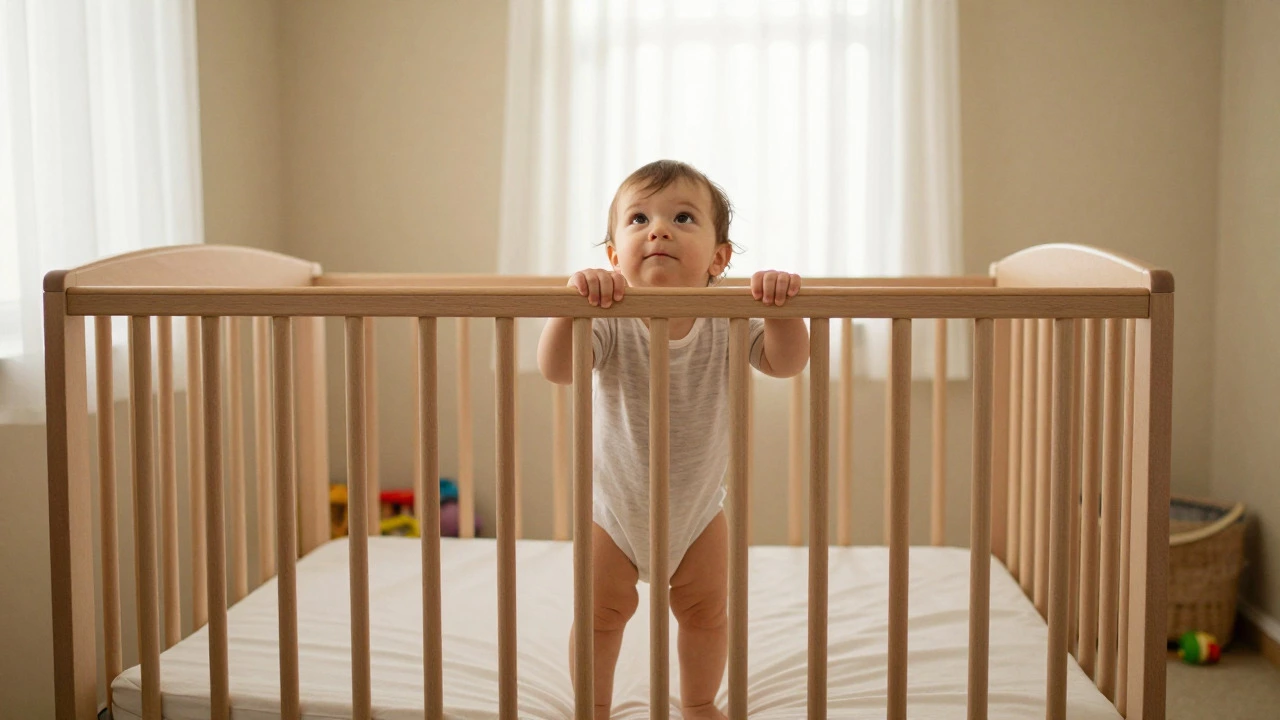
There is a specific moment in every parent's life when the crib bars start looking less like a safety cage and more like a prison cell. Your child stands up. They climb out. Or they just look at you with those big eyes and demand "big kid bed." But before you rush to the store, you need to know the hard truth: knowing what age is a toddler isn't just about biology; it's about timing your furniture purchase perfectly.
If you buy a toddler bed too early, your child might not understand the concept of staying in bed. If you wait too long, you risk a serious fall from the top rail of a standard crib. The definition of a toddler is narrow-usually between 1 and 3 years old-but the window for transitioning beds is even tighter. Let’s break down exactly where your child fits on this timeline and how to navigate the shift without losing your mind.
The Official Definition vs. Real Life
According to the Centers for Disease Control and Prevention (CDC) and most pediatric associations, a toddler is any child between the ages of 1 and 3. This period follows infancy and precedes the preschool years. However, in the world of nursery furniture and sleep training, these boundaries are fluid.
Here is how the developmental stages break down:
- Infant (0-12 months): Mostly sleeping in a bassinet or crib. Motor skills are limited to rolling and eventually crawling.
- Toddler (1-3 years): Rapid physical growth. Walking, running, and climbing emerge. Language skills explode. This is the primary window for transitioning from a crib to a toddler bed.
- Preschooler (3-5 years): More independent. Many children have already made the switch, but some stay in cribs longer due to behavioral needs or sibling dynamics.
While the medical definition stops at age 3, the practical definition for buying a bed often extends slightly into the preschool years if the child is still physically capable of fitting in a crib safely. The key isn't the calendar date; it's the behavior.
| Age Range | Milestone | Bed Type Recommendation |
|---|---|---|
| 9-12 Months | Starts pulling up on crib rails | Crib with adjustable mattress height (lower setting) |
| 12-18 Months | Walking independently, verbal communication begins | Crib (if safe), monitor for climbing attempts |
| 18-24 Months | Climbing out of crib, potty training startsPrimary window for Toddler Bed transition | |
| 2-3 Years | Full mobility, complex language, independence | Toddler Bed or Low-to-Ground Twin Bed |
Signs It’s Time to Ditch the Crib
You don’t need a crystal ball to know when to switch. You need to watch for three specific red flags. If you see two or more of these, your child is ready for a toddler bed, regardless of whether they are 18 months or 30 months old.
1. The Escape Artist
This is the most common trigger. If your toddler has figured out how to shimmy their hips over the side rail or use the mobile as a ladder, the crib is no longer a safe containment unit. A fall from a standard crib height (around 30 inches) can result in head injuries or broken bones. Once climbing begins, the transition should happen within days, not weeks.
2. Potty Training Urgency
If you are starting potty training, a crib becomes an obstacle. In the middle of the night, a toddler who needs to use the toilet cannot easily get out of a high-sided crib. A low-profile toddler bed allows them to walk to the bathroom independently, which reinforces the habit and reduces accidents.
3. The New Sibling Arrival
If you are expecting another baby, you will need that crib back. Most experts recommend making the switch 1-2 months before the new baby arrives. This gives your toddler time to adjust to the new furniture without associating the change directly with the loss of parental attention to the newborn.
Toddler Beds vs. Twin Beds: Making the Right Choice
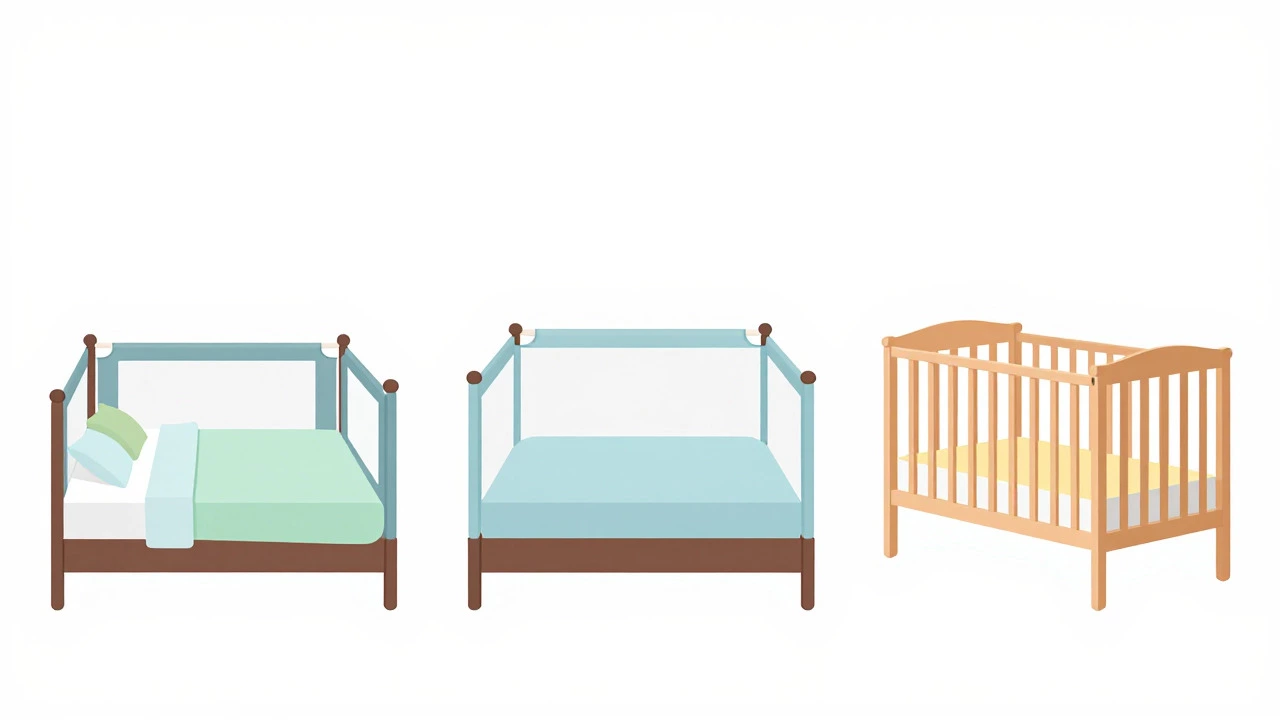
Not all post-crib beds are created equal. When people ask what age is appropriate for a toddler bed, they are usually referring to the specific category of furniture designed for children aged 1-5. These beds look like mini-cribs with one side open. They are low to the ground and often feature guardrails.
However, there is a growing trend toward skipping the toddler bed entirely and going straight to a twin-sized bed with a floor mat or bed rail. Here is how to decide:
- Choose a Toddler Bed if: Your child is under 2.5 years old, struggles with spatial awareness, or tends to roll off edges. The enclosed design provides psychological security similar to the crib.
- Choose a Twin Bed if: Your child is over 3 years old, tall for their age, or you want a piece of furniture that will last through childhood. Twin beds are more versatile but require strict safety protocols.
Keep in mind that toddler beds are short-lived. Most children outgrow them by age 4 or 5 because their legs become too long. If budget is a concern, a convertible crib that turns into a toddler bed and then a twin bed offers the best long-term value.
Safety First: The Non-Negotiables
Transitioning to a toddler bed introduces new hazards. The freedom to move around also means the freedom to access dangerous items. Safety must be your priority during this phase.
Window Coverings
Check your window blinds and cords immediately. Loose cords are a strangulation hazard. Ensure windows have locks that prevent them from opening more than 4 inches. If your toddler’s bed is near a window, consider moving it to a different wall.
Furniture Anchoring
A toddler in a new bed will explore. Dressers, bookshelves, and TVs must be anchored to the wall. Tip-over injuries are a leading cause of accidental death in young children. Use anti-tip brackets for any freestanding furniture taller than 30 inches.
Door Guards and Outlet Covers
If your toddler leaves their room, they need to be stopped before they reach the stairs or the street. Install door knob covers or gate systems at the bedroom exit. Cover all unused electrical outlets with sliding covers rather than plug-in ones, which can be pulled out and swallowed.
How to Make the Transition Smooth
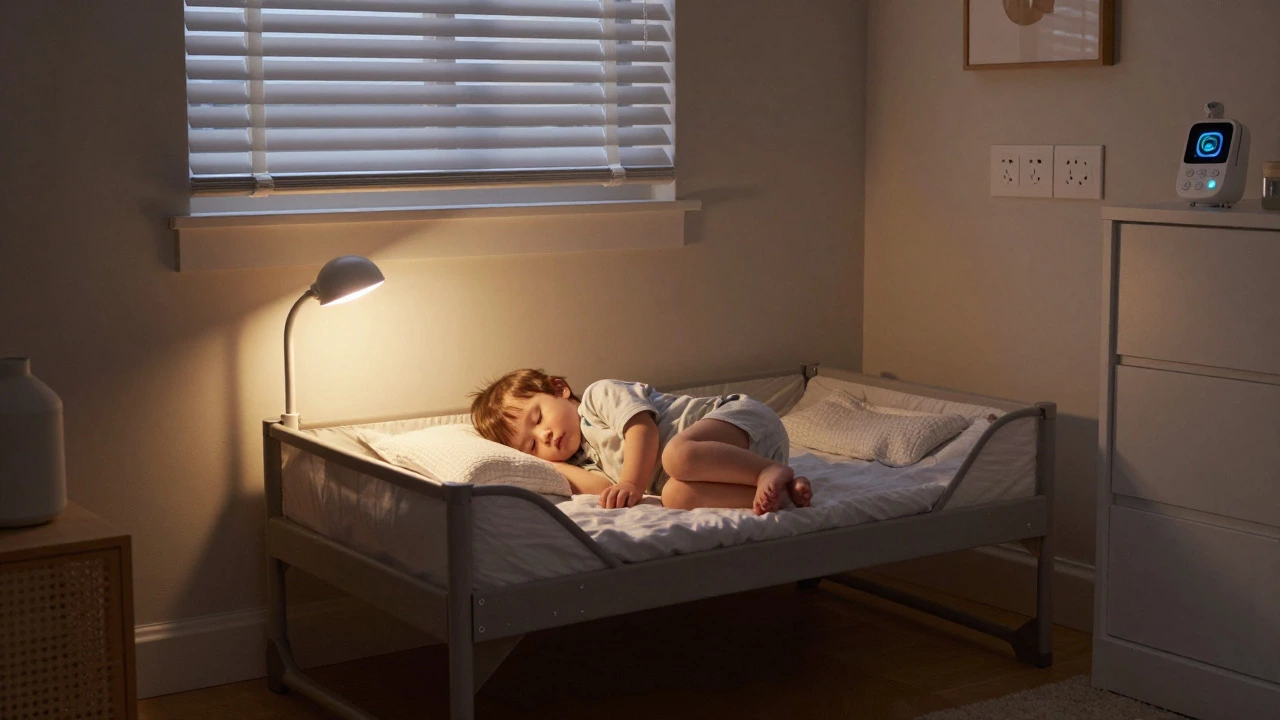
Changing sleep environments can cause regression. Nightmares, refusal to sleep, and frequent waking are common. To minimize disruption, treat the new bed as an extension of the old routine, not a radical departure.
Involve Them in the Process
Let your toddler help pick out the sheets or a small pillow for the new bed. Ownership creates excitement. Avoid framing the crib as "gone forever" if possible; instead, say the crib is "taking a nap" until the next baby comes or until they are older.
Keep the Routine Identical
Bath, book, bed. Keep the sequence exactly the same. The predictability of the routine anchors the child, even if the furniture changes. Read the same books. Sing the same songs. The only variable should be the sleeping surface.
Expect Setbacks
Your child may try to sneak back into the crib if it’s still in the house. Remove it completely if necessary. They may also wake up and wander the house. A baby monitor placed in the hallway can help you track their movements without hovering. Consistency is key: gently and calmly return them to bed each time they wander.
When to Wait
Sometimes, waiting is the smarter move. If your child is not showing signs of climbing, is sleeping well, and is not potty trained, there is no urgent reason to switch at 18 months. Staying in the crib provides a contained, safe space that supports deep sleep cycles.
Additionally, if your child is going through a major life change-such as moving houses, starting daycare, or dealing with illness-it is best to postpone the bed transition. Adding two major changes at once can overwhelm a toddler’s emotional regulation capabilities.
Remember, the goal is not to hit an arbitrary age milestone. The goal is to ensure your child sleeps safely and soundly. Whether that happens in a crib at age 3 or a toddler bed at age 1.5 depends entirely on your child’s unique development. Trust your instincts, prioritize safety, and take the transition one step at a time.
At what age do toddlers typically outgrow a crib?
Most toddlers outgrow cribs between 18 months and 3 years old. The average age for transition is around 2 years. However, some children remain in cribs safely until age 3 or 4 if they are not climbing out and fit comfortably within the dimensions.
Is it safe to put a toddler in a twin bed at age 2?
It can be safe, but it requires caution. At age 2, many toddlers lack the spatial awareness to stay centered on a large mattress. If you choose a twin bed, place it directly on the floor to minimize fall risk and use bed rails on both sides to prevent rolling off.
How long does it take for a toddler to adjust to a new bed?
Adjustment periods vary widely, ranging from a few nights to several weeks. Most children adapt within 1-2 weeks if the bedtime routine remains consistent. Expect some initial resistance, wandering, or nighttime wakings as they learn the new boundaries.
Should I keep the crib after switching to a toddler bed?
It is generally recommended to remove the crib from the home immediately after the transition. Leaving it accessible can confuse the toddler and encourage them to sneak back in, prolonging the adjustment period. Store it in a garage or attic if you plan to reuse it for a future sibling.
What is the difference between a toddler bed and a daybed?
A toddler bed is specifically designed for children aged 1-5, featuring low height, guardrails, and crib-mattress compatibility. A daybed is a larger, sofa-like bed suitable for older children and adults, often using twin-size mattresses. Daybeds are not recommended for toddlers due to higher fall risks and lack of containment.