When you’re packing your hospital bag, baby bottles might not be the first thing on your mind. But if you plan to bottle-feed-or even just want the option-having the right bottles ready can make those first hours and days smoother. You don’t need a closet full of options. Just a few smart choices will do.
Why You Need Bottles in the Hospital
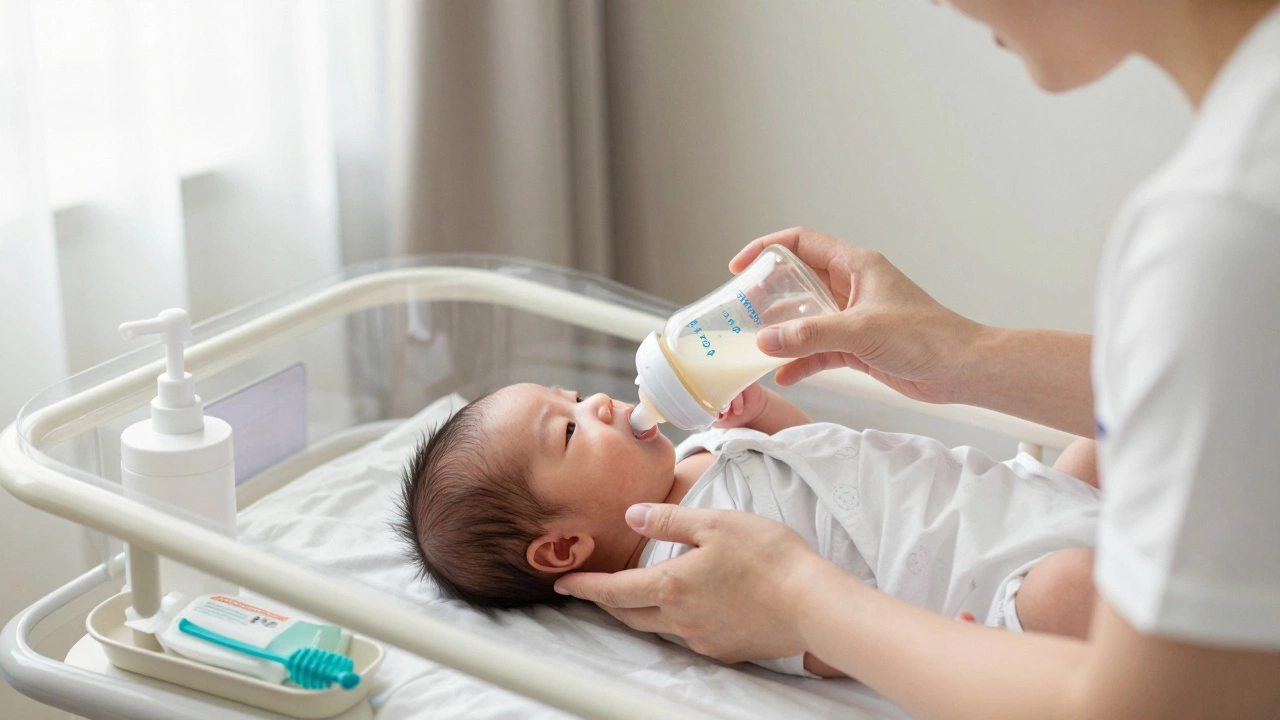
Even if you plan to breastfeed, hospitals often suggest offering formula in the first few hours. Maybe your milk hasn’t come in yet. Maybe your baby is sleepy or having trouble latching. Maybe you’re feeling exhausted and just need a break. Having bottles on hand means you’re not scrambling when your baby cries and your milk isn’t flowing yet.Some hospitals keep a few bottles on hand, but they’re usually basic, disposable ones. They’re not always comfortable for your baby, and they’re not the ones you’ll use at home. Bringing your own means consistency. Familiar shapes, familiar flow, familiar comfort.
What to Bring: The Minimalist List
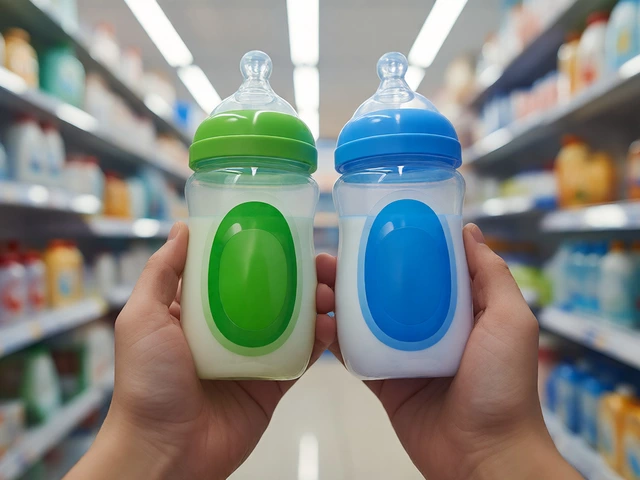
You don’t need ten different bottles. Stick to two or three of the same type. Here’s what works:- 2-3 identical bottles - Same brand, same size, same nipple type. You want to avoid confusion. Babies notice differences in flow and shape.
- Size: 4 oz (120 ml) - Newborns don’t drink much at first. A 4 oz bottle is perfect for early feedings. You can use larger ones later, but start small.
- Nipple flow: Slow (Level 1) - Newborns need a slow flow. Too fast, and they’ll choke or gag. Too slow, and they’ll get frustrated. Level 1 is designed for babies under 1 month.
- Material: Glass or BPA-free plastic - Glass is durable and easy to clean, but heavier. Plastic (like PP or PES) is lightweight and shatterproof. Both are safe if labeled BPA-free.
- Wide neck - Easier to fill, easier to clean, and fits most breast pumps. You’ll thank yourself later.
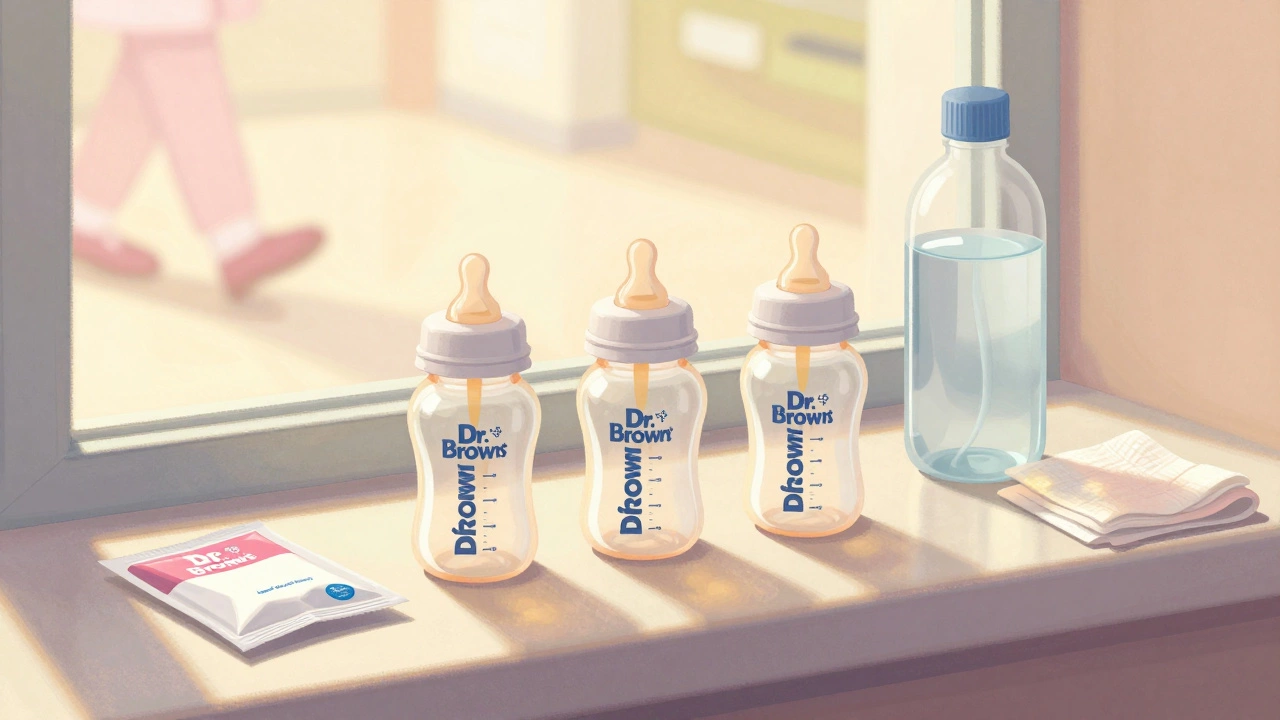
Brands like Dr. Brown’s, a bottle system designed to reduce colic and gas by channeling air away from the milk, Philips Avent, a simple, symmetrical design that mimics natural breastfeeding, and Comotomo, a soft, silicone bottle that feels like skin and resists collapse are commonly used and trusted in hospitals. You don’t need to buy the most expensive one-just one that feels right to you.
What NOT to Bring
Avoid these common mistakes:- Don’t bring pre-filled bottles - Hospitals don’t store or warm bottles you bring in. They’ll prepare formula or breast milk for you. Bring empty bottles only.
- Don’t bring bottles with complex parts - No need for anti-colic valves, vent systems, or detachable rings unless you’ve used them before. Complexity means more pieces to lose or clean in a tired state.
- Don’t bring more than 3-4 bottles - You’ll be changing outfits, holding your baby, and resting. You won’t have time to wash 10 bottles. Three is enough for the first 24 hours.
- Don’t bring bottles with strange shapes - Odd angles, narrow necks, or colorful designs look cute but aren’t practical. Stick to simple, standard designs.
What Else to Pack With Your Bottles
Bottles alone won’t help. You need the rest of the feeding setup:- Formula (if using) - Single-serving packets are easiest. Bring 3-5 unopened packets. You won’t need more unless your baby is unusually hungry.
- Water for mixing - If your hospital doesn’t provide sterile water, bring a sealed bottle of distilled or purified water. Tap water isn’t always safe for mixing formula.
- Formula dispenser - A small container with divided compartments lets you pre-measure powder. No more fumbling with scoops in the middle of the night.
- Clean burp cloths - At least 4. Babies spit up. A lot.
- Small bottle brush - A travel-sized one fits in your bag. You’ll need it to rinse bottles before leaving the hospital.
- Sanitizing wipes - For cleaning bottle parts before first use. Hospitals won’t sterilize your bottles for you.
What the Hospital Will Provide
Most hospitals give you:- Disposable bottles or feeding cups
- Pre-measured formula packets
- Sterile water
- Basic nipple shields (if breastfeeding)
But here’s the catch: they’re not always comfortable. The disposable bottles are flimsy. The nipples are stiff. The formula packets are sometimes outdated. You’re better off using your own bottles for consistency.
Pro Tips from Real Parents
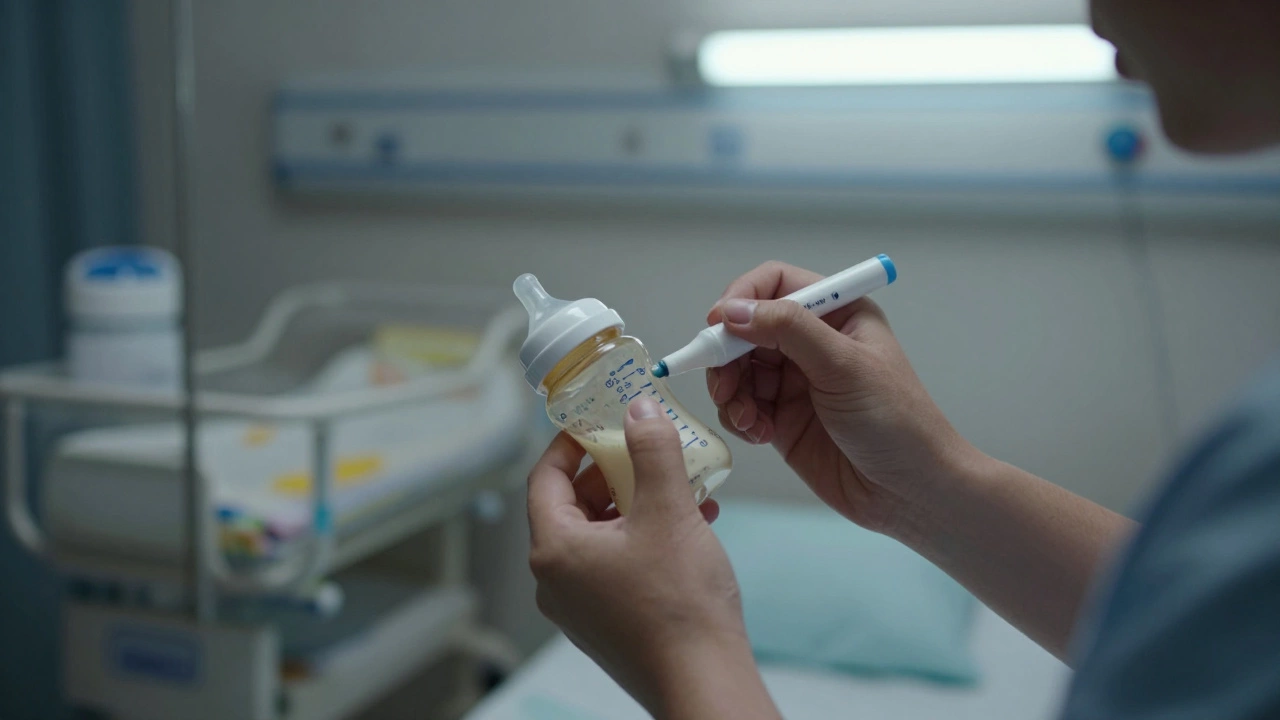
- Label your bottles with a waterproof marker. Nurses handle dozens of babies. Yours might get mixed up. - Bring a bottle warmer - Not required, but if your baby hates cold milk, a small plug-in one (like the Baby Brezza, a fast, precise bottle warmer that heats milk evenly without hot spots) can be a game-changer. Most hospitals have warmers, but you might wait. - Practice at home first - Fill a bottle with water, screw on the nipple, and try to hold it like you would with a newborn. Get used to the angle. Practice the slow, paced feeding motion. - Don’t overthink it - Your baby doesn’t care what brand the bottle is. They care that you’re calm, warm, and present. The bottle is just a tool.After the Hospital
Once you’re home, you might switch to a different bottle. That’s fine. But having the same ones you used in the hospital helps your baby adjust. If you start with Dr. Brown’s in the hospital and switch to Avent at home, your baby might reject the new one. Stick with one for at least the first two weeks.If you’re breastfeeding, keep the bottles in the closet. Use them only if needed. You’ll be glad you have them when your milk supply dips or your baby has a growth spurt.
Final Checklist: What to Pack
Before you leave for the hospital, double-check this:- 2-3 identical 4 oz bottles
- Slow-flow (Level 1) nipples (pre-attached or spare)
- 3-5 single-serving formula packets (if using)
- Sealed distilled water (if not sure about hospital water)
- Formula dispenser with pre-measured powder
- 4 burp cloths
- Travel bottle brush
- Sanitizing wipes
- Waterproof labels or tape
That’s it. No more. No less. You’ve got everything you need to feed your baby safely and comfortably from day one.
Do I need to sterilize baby bottles before going to the hospital?
You don’t need to sterilize them before you leave. Washing them with hot, soapy water and rinsing well is enough. Hospitals have sterilizers, but they won’t sterilize your bottles for you. Just make sure they’re clean. Use sanitizing wipes to wipe the nipples and threads right before you pack them.
Can I use glass bottles in the hospital?
Yes. Glass bottles are perfectly fine. Some nurses prefer plastic because they’re less likely to break, but glass is safe if handled carefully. Just make sure they’re not cracked or chipped. If you’re worried, bring one glass and one plastic as backup.
What if I’m breastfeeding but want to give a bottle?
It’s common to give a bottle of formula or expressed milk in the first few days, especially if your milk hasn’t come in yet. Don’t worry it will ruin breastfeeding. Just wait until your baby is latching well before offering a bottle. Many hospitals recommend waiting 2-3 days to avoid nipple confusion.
Should I bring bottles if I’m exclusively breastfeeding?
Yes. Even if you plan to breastfeed only, having bottles on hand gives you options. If your baby is too sleepy to nurse, if you need a break, or if your milk takes longer to come in, bottles are a safety net. You don’t have to use them-but having them means you won’t panic if something unexpected happens.
How many bottles should I pack for a 2-day hospital stay?
Three bottles are enough. Newborns eat every 2-3 hours, but they only take 1-2 oz at a time. You’ll likely use each bottle 2-3 times. Nurses will help you clean and reuse them. No need to pack more than 4 unless you’re staying longer.