Baby Clothing Longevity Estimator
Plan Your Wardrobe
Enter details to see the estimated longevity...
-
Quick Takeaways
- Newborn sizes are the shortest-lived, often lasting only a few weeks.
- The 6-12 month range generally offers the most longevity because growth rates stabilize.
- Choosing adjustable waistbands and oversized fits extends the life of any garment.
- Fabric choice-like organic cotton-impacts how long a piece stays wearable before shrinking.
When you first look at a clothing rack, the options feel overwhelming. You've got Newborn, 0-3 months, 3-6 months, and so on. But here is the secret: babies don't grow in neat three-month increments. Some infants are born weighing 9 pounds and skip the newborn phase entirely, while others stay tiny for months. To get your money's worth, you need to understand the baby clothing sizes landscape and where the "sweet spot" of longevity actually lies.
The Newborn Phase: The Fastest Transition
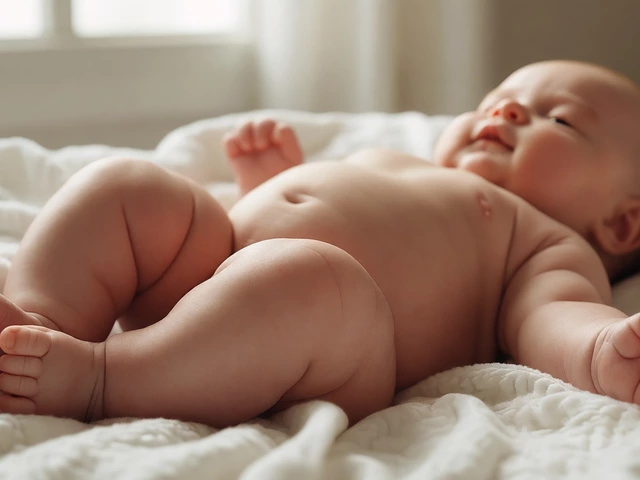
Let's be honest: the newborn size is a bit of a trap. Newborn Clothing is clothing specifically designed for infants from birth up to approximately 4-6 weeks, typically fitting babies up to 9 pounds. Because infants grow so rapidly in the first month-often gaining a pound or more of weight-they outgrow these clothes almost instantly. If your baby is on the larger side, you might find that a "Newborn" sleeper is too tight the day you leave the hospital.
The biggest mistake parents make is stockpiling newborn clothes. Instead, focus on the 0-3 month range. Many brands, such as those following European Sizing Standards is a system of clothing measurements based on centimeters, often used by brands like H&M or Zara to provide a more consistent fit across regions ], tend to have a slightly more generous cut in their early stages. By skipping a few newborn sets and jumping straight to 0-3 months, you'll find the clothes last twice as long.
The Middle Ground: Why 6-12 Months is the Sweet Spot
If you are looking for the size that lasts the longest, look toward the 6-12 month window. During the first six months, growth is explosive. However, as babies approach their first birthday, the rate of growth starts to level off slightly. A baby who grew two inches in a month at age three months won't do that at nine months.
This is where you start seeing the "long-term" winners. Pieces like Sleep sacks are wearable blankets that zip up to keep babies warm and safe during sleep, replacing the need for loose bedding ] in larger sizes often accommodate a wide range of growth. Because they are designed to be loose and baggy for safety and movement, a 6-12 month sleep sack can often be used comfortably for the entire duration of that window, whereas a 0-3 month outfit might be outgrown in four weeks.
| Size Category | Average Duration | Growth Velocity | Best Value Strategy |
|---|---|---|---|
| Newborn | 2-4 Weeks | Extreme | Buy 2-3 pieces max |
| 0-6 Months | ~3 Months | High | Buy second-hand/bundles |
| 6-12 Months | ~6 Months | Moderate | Invest in quality fabrics |
| 12-24 Months | ~12 Months | Slowest | Buy based on current height |
The Impact of Fabric and Fit
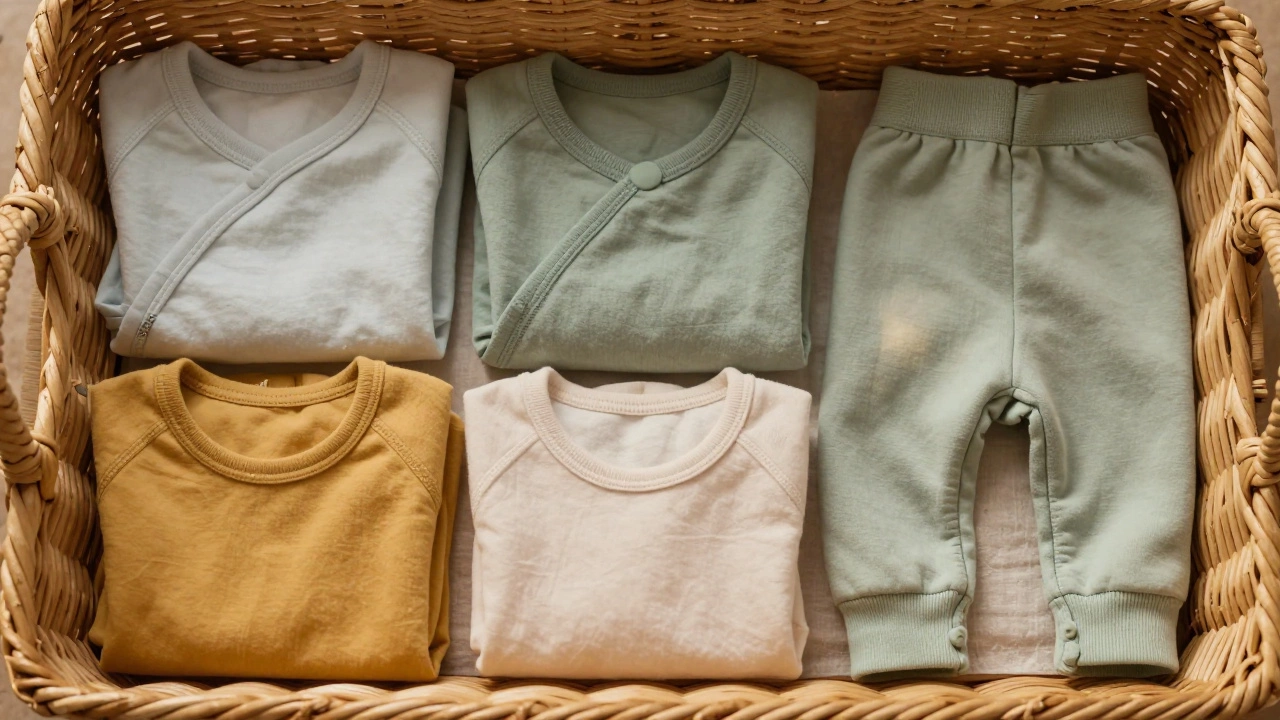
It's not just about the label; it's about how the garment is made. Organic Cotton is a natural fiber grown without synthetic pesticides, known for being softer and often more durable than conventional cotton ]. While it can be more expensive, high-quality organic cotton often retains its shape better after multiple washes. Cheap, thin cotton tends to shrink in the dryer, which effectively turns a 6-month outfit into a 3-month outfit overnight.
You also have to consider the "fit type." A tight-fitting bodysuit is a liability. If you want a piece to last, look for "growth-friendly" features. This includes fold-over cuffs on sleeves and legs, which can be unfolded as the baby grows. Another great hack is choosing pants with wide, elasticized waistbands. These can accommodate the "belly growth" that happens as babies transition from milk to solid foods without needing a larger size.
Avoiding the Common Pitfalls
Have you ever bought a huge pack of clothes in a size that seemed "safe" for the future, only to find they don't fit the baby's actual shape? This happens because brands vary wildly. A "6 month" size in one brand might be a "9 month" in another. The best way to ensure longevity is to look at the weight and length measurements on the packaging rather than the age.
One major pitfall is ignoring the Sizing Chart is a standardized guide provided by manufacturers that maps garment dimensions to average infant weight and height ]. If your baby is in the 90th percentile for length but the 50th for weight, you'll find a perpetual struggle where the legs are too short but the waist is too loose. In this scenario, sizing up is always the better bet. A slightly baggy outfit is cute and comfortable; a too-small outfit is a struggle to get on and off, and it will be useless in a week.
Smart Shopping for Long-Term Wear
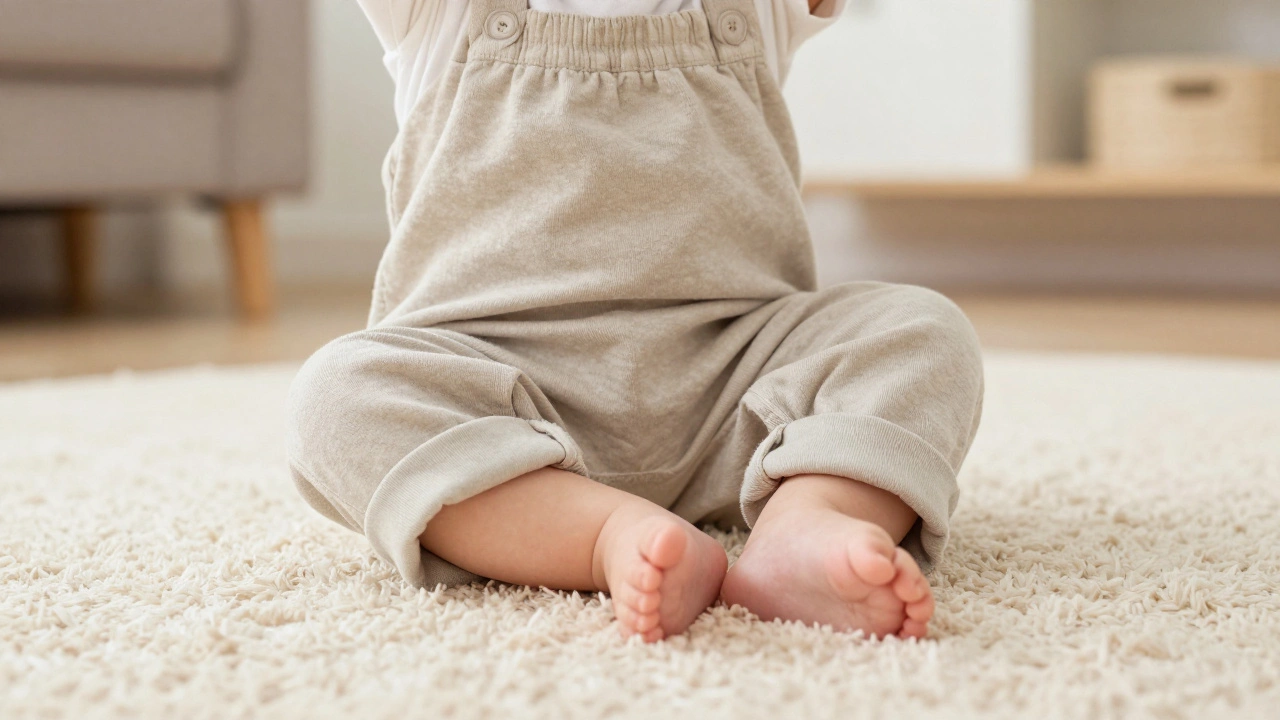
If you want to maximize your budget, stop buying "sets." Most baby sets include a top and bottom that are sized identically. However, babies often grow unevenly. You might need a larger size for pants but a smaller size for shirts. By buying separates, you can mix and match sizes to fit your child's specific growth pattern.
Consider the transition to Toddler Clothing is clothing designed for children aged 12 months to 5 years, shifting from baby-specific needs to more functional, independent-wear styles ]. Once you hit the 12-24 month range, the clothing lasts significantly longer. This is because the growth curve flattens. You'll find that a 18-month t-shirt might actually be worn for half a year, whereas a newborn onesie is a fleeting dream.
Practical Tips for Extending Clothing Life
- Air Dry the Heavy Hitters: Avoid putting the most fitted items in the high-heat dryer. Tumble drying on low or air drying prevents the shrinking that kills longevity.
- Sizing Up: When in doubt, go one size up. A 6-month-old in 9-month clothes looks adorable and stays in them longer.
- The "Cuff Roll" Technique: If the legs are too long, roll them up. It’s a simple fix that allows a garment to last through two different size brackets.
- Prioritize Basics: Spend your money on high-quality basics (like leggings and zip-up sleepers) and buy the "fashion" pieces second-hand.
Does the 0-3 month size really last three months?
Rarely. Most babies outgrow 0-3 month clothing by the end of the second month, especially if they are active kickers or have a larger build. It is usually safer to assume this size lasts about 8 to 10 weeks.
Should I buy clothes based on age or weight?
Always go by weight and length. Age is just a rough estimate. A 4-month-old baby can vary by several pounds and inches, making the weight/height chart on the tag a much more reliable guide.
What is the best fabric for long-lasting baby clothes?
Organic cotton and bamboo blends are excellent. They tend to have more natural stretch and durability than cheap synthetic blends, meaning they can stretch with the baby rather than ripping or shrinking.
Why do some babies skip the newborn size?
Many babies are born at or above the average weight for a newborn. If a baby is born weighing 8.5 pounds or more, they often fit into the 0-3 month range immediately, making the newborn size unnecessary.
How can I tell if a baby outfit is too small?
Look for red marks around the thighs or ankles, difficulty zipping the garment, or the baby appearing restricted when they try to kick or stretch. If you have to struggle to get the clothes on, it is time to size up.
Next Steps for Parents
If you're currently prepping your nursery, start by auditing what you actually have. Don't buy a full wardrobe of 0-3 months. Instead, grab a few basics and wait to see how your baby grows. If you're looking to save money, local parent swap groups are a goldmine for the smaller sizes since people usually have dozens of newborn and 0-3 month clothes they no longer need.
Once your baby hits the 6-month mark, you can start investing in more structured pieces. This is also the perfect time to look into adjustable gear-like strollers and high chairs-that can grow with the child, ensuring you don't have to replace your entire baby gear setup every few months.