Children's Book Selector
Find the right book for your child by selecting their age group. This tool matches developmental stages with appropriate formats, themes, and durability needs.
Recommendation
Best Formats
Key Features to Look For
Developmental Goal
Expert Tip
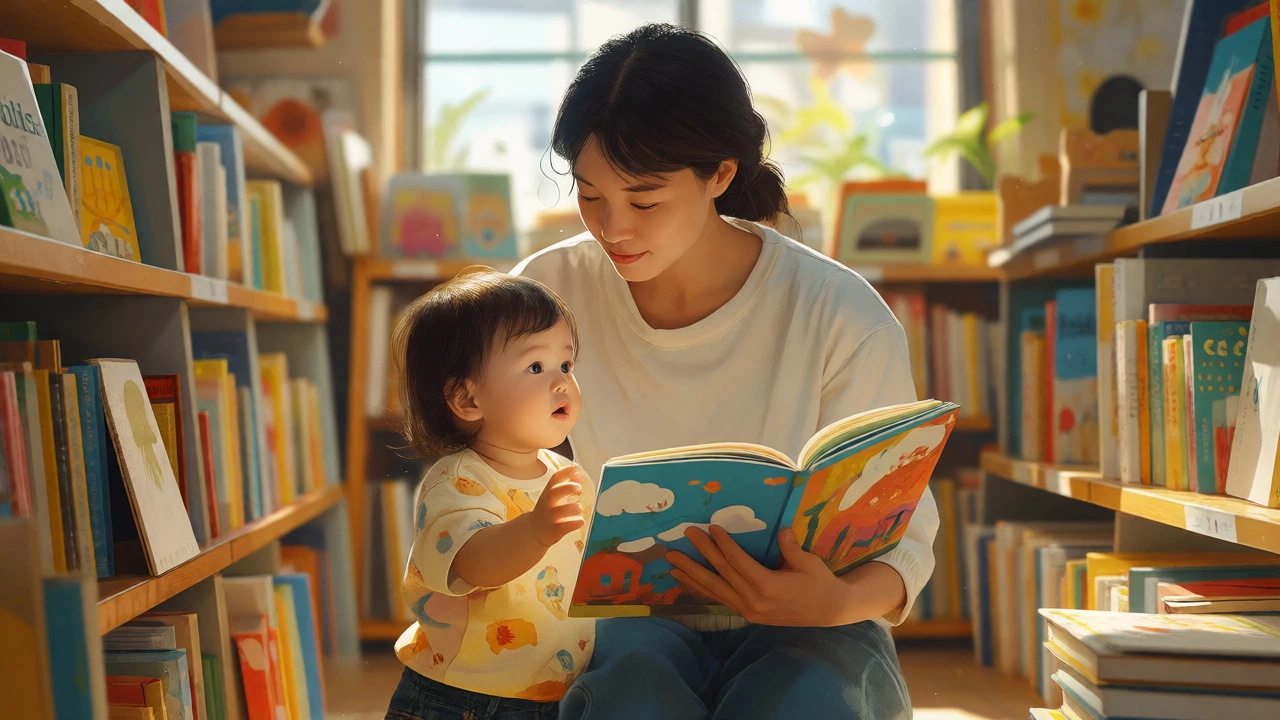
You’re standing in the middle of a bookstore aisle, surrounded by thousands of colorful spines. Your toddler is tugging at your leg, and you have no idea where to start. You want to buy something they’ll actually love, not just another shiny object that ends up under the sofa. Choosing a children's book isn’t just about picking a pretty cover; it’s about matching content to development. The right book can spark a lifelong love of reading, while the wrong one might bore them to tears or frustrate their emerging skills.
Match the Book to Their Developmental Stage
Age is more than a number here; it’s a proxy for cognitive ability. A two-year-old processes information differently than a seven-year-old. If you hand a complex plot to a preschooler, they won’t understand the stakes. If you give a board book to an eight-year-old, they’ll feel insulted. Start by identifying where your child stands on the developmental ladder.
For babies aged 0-12 months, focus on sensory engagement. They don’t care about the story yet. They care about texture, contrast, and sound. Look for board books with high-contrast images or touch-and-feel elements. These sturdy pages survive teething and throwing. By ages 1-3, toddlers begin to recognize objects and routines. Simple narratives about daily life-like brushing teeth or going to bed-resonate deeply because they mirror the child’s world. Repetition is key here. Books like "Goodnight Moon" work because the predictable rhythm helps them anticipate what comes next, building confidence in their understanding.
Preschoolers (ages 3-5) are ready for simple plots with clear cause-and-effect relationships. They enjoy humor and characters who make mistakes. This is the golden age for picture books, where illustrations carry half the narrative weight. At this stage, children are learning that symbols represent words. Pointing at text while reading helps bridge the gap between spoken language and written code. School-age children (6-9) transition from "learning to read" to "reading to learn." They need chapter books with manageable vocabulary but engaging mysteries or adventures. Graphic novels are excellent here, as visual cues support comprehension without dumbing down the content.
Evaluate Illustrations and Visual Clues
Don’t underestimate the power of art. For young readers, pictures aren’t decoration; they are data. When you flip through a potential purchase, check if the illustrations align with the text. Do the characters’ expressions match the emotional tone of the scene? If the text says a character is sad, but the drawing shows a vague smile, a child will get confused. Consistency builds trust in the narrative.
Consider the complexity of the visuals. Busy, cluttered backgrounds can overwhelm a sensitive reader, especially those with attention difficulties. Clean, distinct images help children isolate details. Also, look for diversity in representation. Seeing characters who look like them-or who look different-in positive roles validates their identity and expands their worldview. In Bristol, many local libraries curate collections specifically highlighting diverse authors, which is a great resource if you’re unsure where to find inclusive titles.
Check the Language and Readability
You don’t need a degree in linguistics to gauge difficulty, but you do need to listen. Read a page aloud. Does the rhythm flow naturally? Awkward phrasing can trip up a parent trying to perform voices, which breaks the immersion. For early readers, look for phonetic consistency. Words should follow standard spelling patterns so children can decode them using phonics rules they learned in school.
Vocabulary choice matters too. A good book introduces new words in context, not as random interruptions. If a word is difficult, does the surrounding sentence explain its meaning? Or does the illustration provide a clue? This scaffolding supports independent reading later on. Avoid books with excessive slang or outdated references unless you’re aiming for a specific cultural lesson. Modern classics often strike a better balance, offering timeless themes with accessible language.
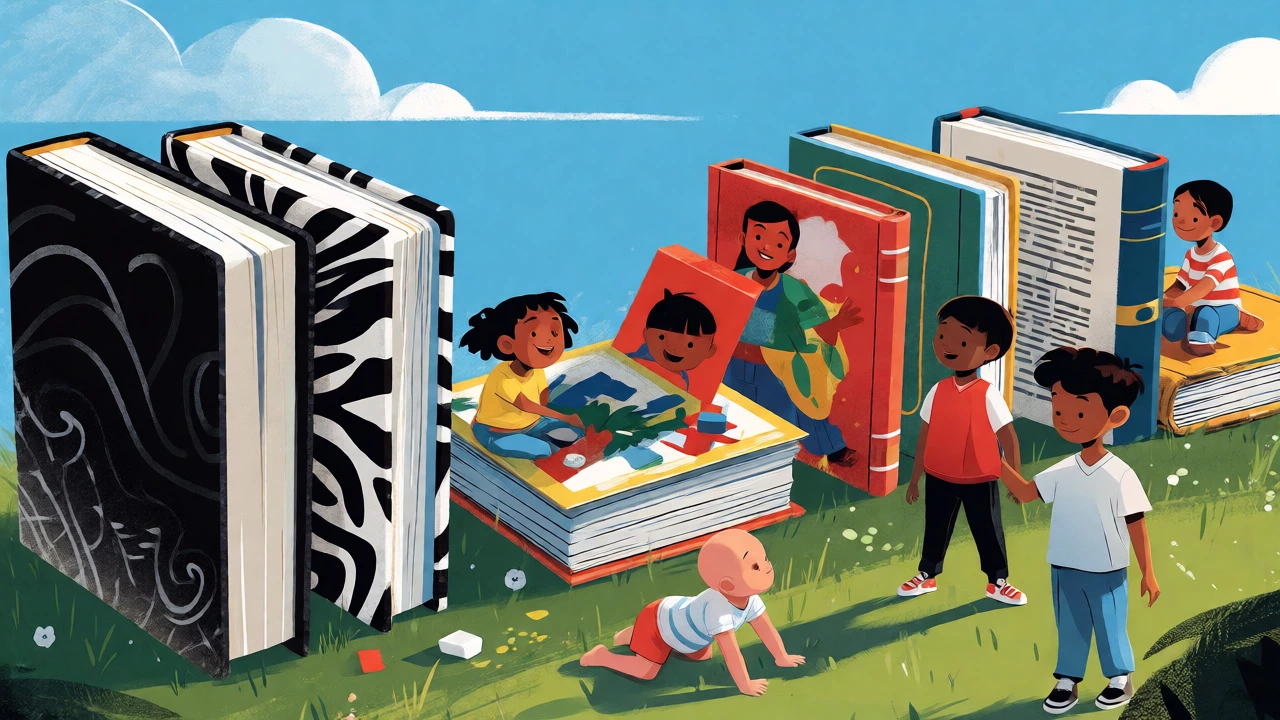
Assess Emotional Resonance and Themes
What problem does the book solve? Sometimes you’re looking for entertainment. Other times, you need a tool to handle a behavioral challenge. Is your child struggling with sharing? Look for stories where characters navigate conflict resolution. Are they anxious about starting school? Find books that normalize separation anxiety. Reading becomes a safe space to rehearse real-life scenarios.
Be wary of heavy-handed moralizing. Children detect preachiness instantly. A story that feels like a lecture will be rejected faster than one that allows the child to draw their own conclusions. The best books show consequences rather than stating them. Did the protagonist apologize after hurting a friend? Let the child notice that action. That observation sticks longer than a direct command.
Practical Considerations: Durability and Format
Let’s talk logistics. How will the book survive? Toddlers are destructive forces of nature. Hardcover books with rounded corners are safer and last longer than paperbacks. Laminated covers resist sticky fingers and spilled juice. For travel, consider lightweight formats. Large coffee-table books are beautiful but impractical for a beach bag.
Interactive formats add value. Lift-the-flap books engage curiosity. Sound books captivate auditory learners. Pop-up books offer surprise, though they tear easily. Weigh the durability against the novelty. If you’re buying a gift for someone else’s child, ask about their current interests. A dinosaur-obsessed four-year-old won’t care about a beautifully illustrated book about gardening unless the gardener finds a fossil.
| Age Group | Key Features to Look For | Best Formats | Developmental Goal |
|---|---|---|---|
| 0-12 Months | High contrast, textures, single objects | Board books, cloth books | Sensory stimulation, object permanence |
| 1-3 Years | Routine-based stories, repetition, simple rhymes | Sturdy hardcovers, interactive flaps | Language acquisition, routine recognition |
| 3-5 Years | Clear plots, emotional expression, humor | Paperback picture books, large print | Narrative understanding, empathy |
| 6-8 Years | Chapter divisions, graphic aids, mild suspense | Early readers, graphic novels | Independent decoding, stamina |
| 9+ Years | Complex characters, deeper themes, series continuity | Novels, non-fiction, manga | Critical thinking, abstract concepts |
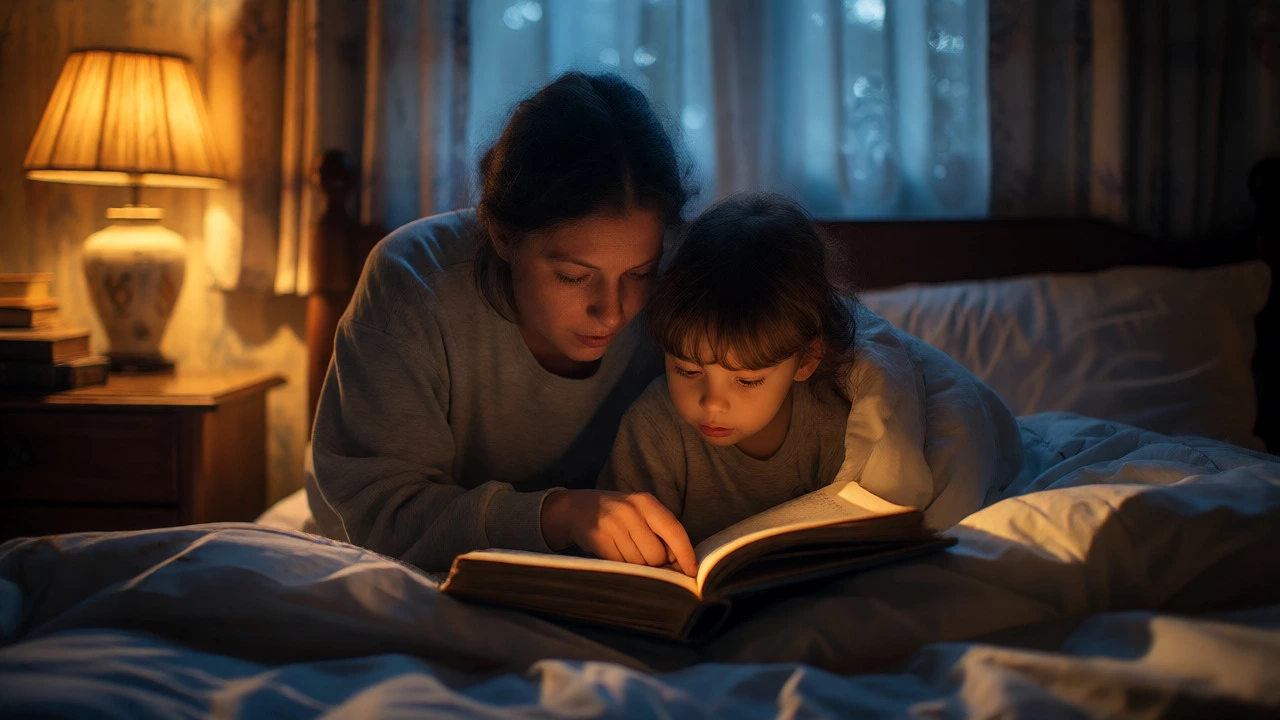
Use Local Resources and Reviews Wisely
You don’t have to guess alone. Librarians are trained experts in children’s literature. Ask them for recommendations based on your child’s specific quirks, not just their age. In the UK, organizations like the Book Trust publish annual lists of recommended reads that undergo rigorous vetting. Online reviews can be helpful, but filter them carefully. Ignore five-star reviews that say nothing. Look for three-star reviews that explain *why* a child lost interest. Did the pacing drag? Was the vocabulary too hard? Those details save you money.
Also, consider re-reading favorites. It feels redundant to adults, but repetition builds fluency for kids. They notice new details each time. Buying a new book every week creates pressure to consume; allowing them to reread fosters depth. Balance your shelf with both new discoveries and old friends.
Frequently Asked Questions
Is it okay if my child only wants to read the same book over and over?
Absolutely. Repetition is crucial for early literacy. It helps children memorize syntax, predict outcomes, and build confidence in their reading abilities. Don’t force variety if they are engaged; let them master the text first.
How do I know if a book is too advanced for my child?
Read the first page together. If they struggle with more than five unknown words per page, or if they lose interest before finishing a paragraph, it might be too challenging. Try stepping down a level in age recommendation or choosing a format with more visual support, like a graphic novel.
Should I prioritize educational books or fun stories?
Prioritize fun. Engagement drives learning. If a child enjoys a fictional story about dragons, they are practicing comprehension skills just as much as if they read a textbook about reptiles. Educational value is secondary to fostering a positive association with reading.
Are e-books a good alternative to physical books for kids?
For older children, yes. For toddlers, physical books are generally better because they develop fine motor skills and spatial awareness through turning pages. E-books can also contain distractions like ads or games that interrupt the narrative flow. Use e-books for convenience during travel, but keep physical copies for bedtime routines.
How many books should I buy at once?
Quality over quantity. Two or three well-chosen books are better than ten random ones. Rotate them weekly to keep interest fresh. Libraries are excellent for sampling before committing to a purchase, especially for expensive hardcover editions.