Baby Stroller Price Estimator
Answer these questions to find the sweet spot for your next stroller purchase.
Your Recommended Price Range
Why this range?
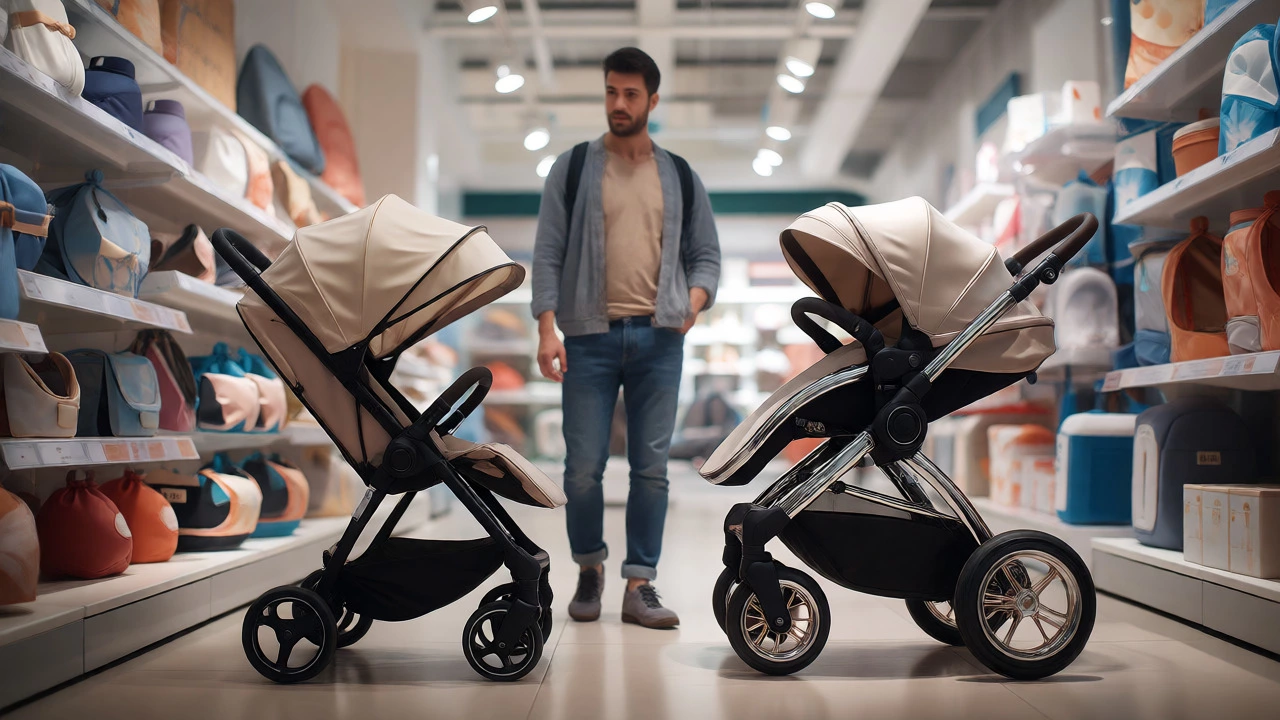
You are standing in the aisle (or scrolling online), staring at a $150 umbrella stroller next to a $1,200 luxury model. The difference in price is massive, but does the difference in performance justify it? This is the most common question new parents ask, and the honest answer is: it depends entirely on your lifestyle, not just your wallet. You don't need to spend a fortune to keep your baby safe, but you do need to avoid spending money on features you will never use.
The Real Cost Breakdown by Category
Stroller prices aren't random. They correlate directly with engineering complexity, material quality, and brand positioning. To help you decide where your money should go, let's break down the current market landscape as of late 2026. Prices fluctuate based on sales cycles, but these tiers remain consistent.
| Price Tier | Cost Range | Best For | Key Trade-offs |
|---|---|---|---|
| Budget / Umbrella | $80 - $200 | Travel, older babies (6m+), backup strollers | No newborn compatibility, poor suspension, small wheels |
| Mid-Range Full-Size | $250 - $450 | Daily city use, first-time parents, general purpose | Heavier than travel systems, fewer color options |
| Premium / Luxury | $500 - $900+ | Style-conscious parents, rough terrain, long-term durability | Expensive accessories, heavy weight, complex folding |
| Specialized (Jogging/All-Terrain) | $300 - $700 | Runners, rural areas, gravel paths | Bulky, difficult to store in small cars |
When Spending More Actually Matters
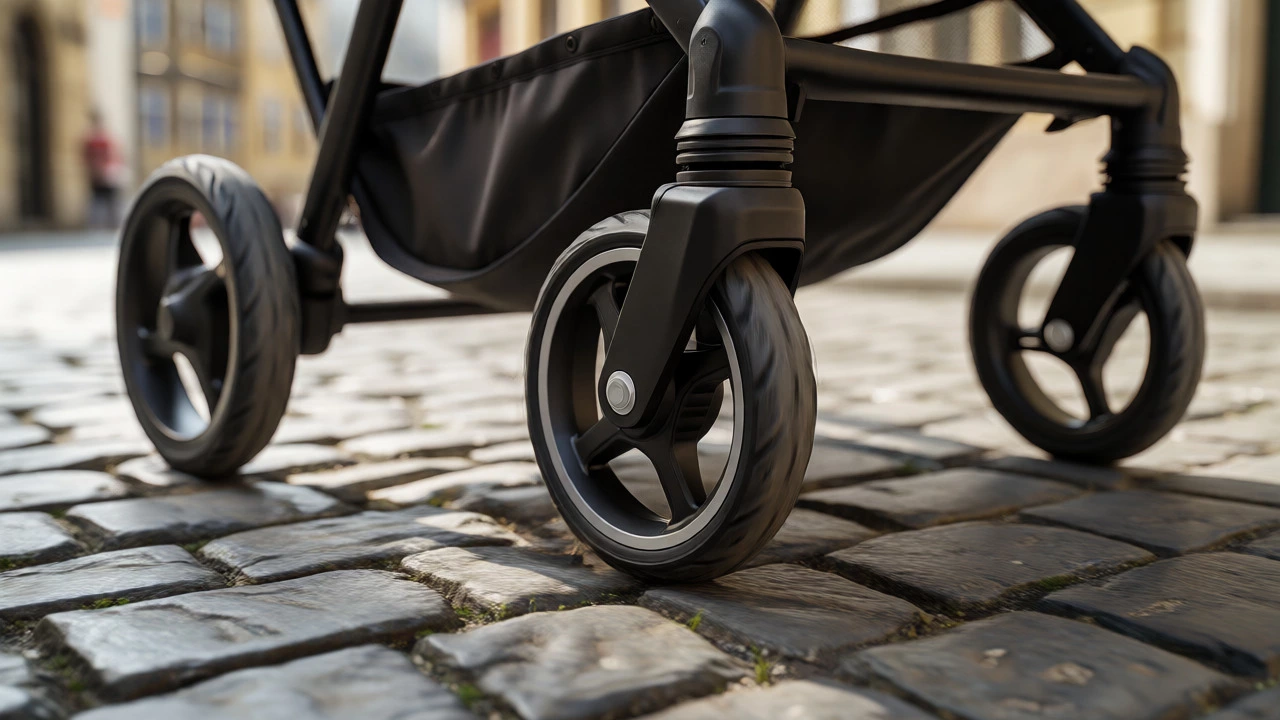
There are specific scenarios where paying extra isn't about vanity-it's about functionality. If you live in a city with cobblestones or broken sidewalks, a cheap stroller with hard plastic wheels will shake your baby awake every ten feet. In this case, a mid-range stroller with air-filled tires and rear suspension is worth the $200 premium over a basic model.
Consider the Uppababy Vista, which is a high-end modular stroller known for its expandability and smooth ride quality. It costs significantly more than average because it allows you to add a second seat, a bassinet, or a piggyback board without buying a whole new frame. If you plan on having more children soon, this upfront cost saves you from buying three separate strollers later.
Similarly, if you have a newborn, you cannot skip the safety and comfort aspects. Cheap strollers often lack a fully flat recline position, which pediatricians recommend for infants to support spinal development and breathing. A mid-range stroller that converts into a travel system with a compatible infant car seat usually offers better head support and vibration dampening than a $100 umbrella stroller.
Where You Can Safely Save Money
Conversely, many expensive features are marketing fluff. Do you really need a cup holder that glows in the dark? Probably not. Here is where you can cut costs without compromising safety:
- Brand Names: You are often paying for the logo. Brands like Bugaboo or Nuna charge a premium for design aesthetics. While their build quality is excellent, brands like Evenflo or Graco offer 90% of the functionality for half the price.
- Extra Accessories: Manufacturer-branded rain covers, foot muffs, and snack trays can cost $50-$100 each. Third-party universal versions often work perfectly fine for $15.
- Newest Model Year: Last year’s model is almost always functionally identical to this year’s. Manufacturers rarely change the chassis mechanics annually; they mostly change fabric colors. Buying a clearance item from last season can save you 30-50%.
The Hidden Costs of Ownership
The sticker price is just the entry fee. When calculating how much to pay for a baby stroller, you must account for the total cost of ownership. This includes things people forget until they are at the checkout counter or trying to fit everything in a trunk.
First, consider storage. A large jogging stroller might cost $400, but if you live in a fourth-floor walk-up apartment, carrying it up stairs daily becomes a burden. You might end up buying a cheaper, lighter umbrella stroller ($100) just for errands, meaning you spent $500 total instead of picking one right tool initially. Always test-fold the stroller before buying. If it takes two hands and thirty seconds, you won’t use it when you’re holding a crying toddler.
Second, factor in resale value. Premium strollers hold their value remarkably well. An Uppababy or a BOB Gear stroller can often be resold for 50-60% of its original price after two years of use. Budget strollers, however, tend to depreciate quickly and may show wear and tear sooner, making them harder to sell. If you are tight on cash now, buying used might be smarter. Check local Facebook Marketplace groups or specialized sites like Geartrade. Many parents sell lightly used premium strollers for under $300.

Matching the Stroller to Your Lifestyle
To determine the right price point, ask yourself three concrete questions. Be honest-your answers dictate the budget.
- What is my primary surface? If it’s smooth mall floors and paved parks, a lightweight compact stroller ($200-$300) is sufficient. If it’s grass, gravel, or snow, you need larger wheels and suspension ($350+).
- How old is my child? Newborns need lie-flat seats or car seat adapters. Toddlers who walk independently need less recline but more stability. Buying a full-size stroller for a 2-year-old who refuses to sit in it is a waste of money.
- Do I take public transit? If yes, weight matters more than suspension. A 25-pound stroller is manageable; a 35-pound one is a nightmare on a crowded bus. Look for "one-hand fold" mechanisms, which are typically found in the $300+ range.
If you are an active parent who runs, do not buy a standard stroller. Jogging strollers have a fixed front wheel (or a locking swivel) and superior braking systems. Attempting to run with a non-jogging stroller is dangerous and ruins the equipment. A decent used jogging stroller can be found for $150-$250, whereas new ones start around $300.
Final Verdict: What Is the Sweet Spot?
For most families in 2026, the sweet spot lies between $250 and $400. This range gets you a durable frame, decent suspension, a comfortable seat that reclines fully, and a reliable brake system. You avoid the fragility of ultra-cheap models and the excessive markup of designer brands.
If you have a very tight budget, aim for a certified pre-owned premium stroller. If you have unlimited funds and care about aesthetics, go for the luxury tier. But remember: your baby doesn't care about the brand logo. They care about comfort, safety, and whether you can get them home before naptime ends.
Is it worth buying an expensive stroller?
It is worth it if you need specific features like all-terrain wheels, extensive modularity for multiple children, or high resale value. For casual urban use, a mid-range stroller provides nearly identical safety and comfort at a lower cost.
Can I use a cheap stroller for a newborn?
Only if it has a fully flat recline position or is compatible with an infant car seat. Most cheap umbrella strollers only recline partially, which is unsafe for newborns who need spinal support.
How long does a stroller last?
A high-quality stroller can last through 2-3 children if maintained properly. Budget strollers often fail within one child's usage period due to worn-out wheels, broken brakes, or fraying fabric.
Should I buy new or used?
Used is a great option for premium brands to save money. However, inspect used strollers carefully for rust on the frame, cracks in the plastic joints, and mold in the fabric seams. Avoid used strollers with unknown accident histories.
Do I need a travel system?
If you drive frequently, yes. Travel systems allow you to click the infant car seat directly into the stroller frame. This prevents waking the baby during transfers. Standalone strollers require transferring the baby, which can disturb sleep.