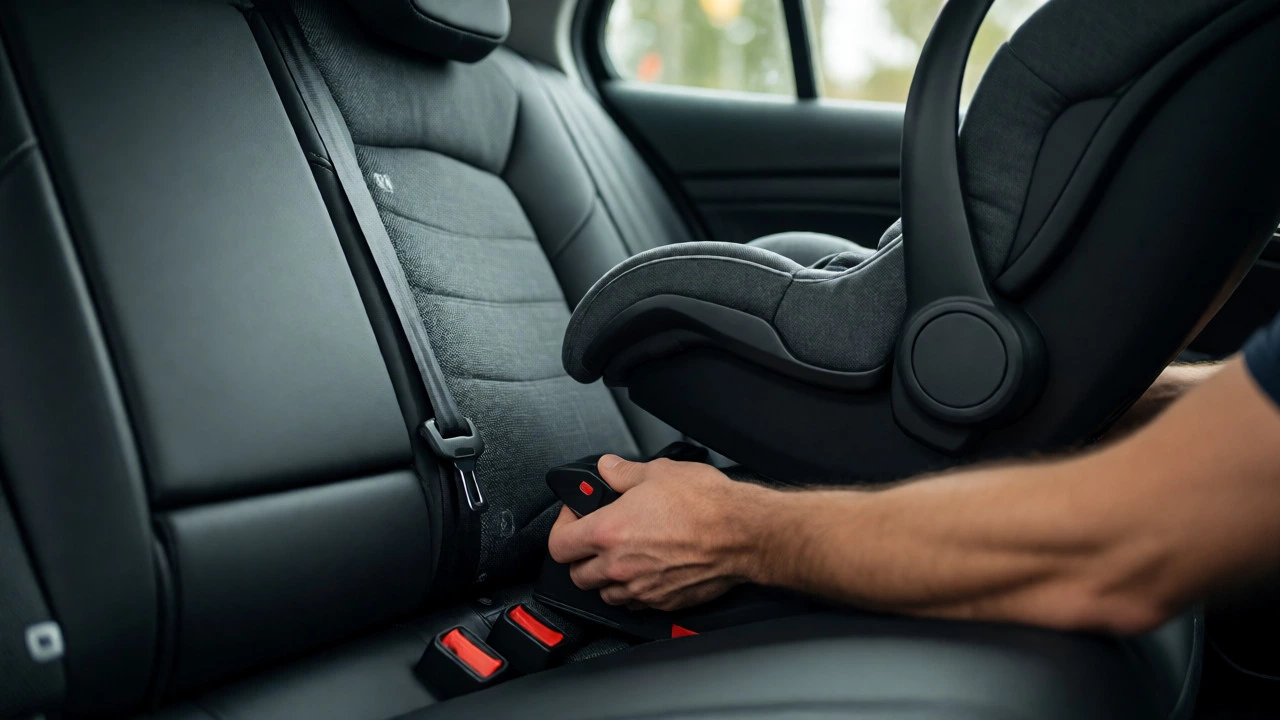
Car Seat Fit & Safety Readiness Checker
Don't guess—verify. Answer these questions to get a personalized preparation guide and safety checklist before you head to the store.
Preparation Score
You’ve spent weeks researching crash test ratings. You’ve read every forum post about side-impact protection. But here’s the harsh reality: a five-star rated car seat is useless if it doesn’t fit your specific vehicle or your child’s body shape. The question on every parent’s mind isn’t just "which one is safest?" but "can I actually try this out before I buy it?" The short answer is yes, and you really should. Buying a car seat online without testing it in your car is like buying shoes by looking at a picture-high risk of discomfort, poor fit, and potential safety gaps.
The Golden Rule: Test in Your Own Car
It sounds obvious, but many parents skip this step because they’re tired, rushed, or intimidated by the sales process. Don’t be that parent. Your car’s interior geometry-seat angle, headrest position, door frame width, and ISOFIX anchor location-is unique. What fits perfectly in a demo model at the store might jam against your rearview mirror or refuse to click into place in your back seat.
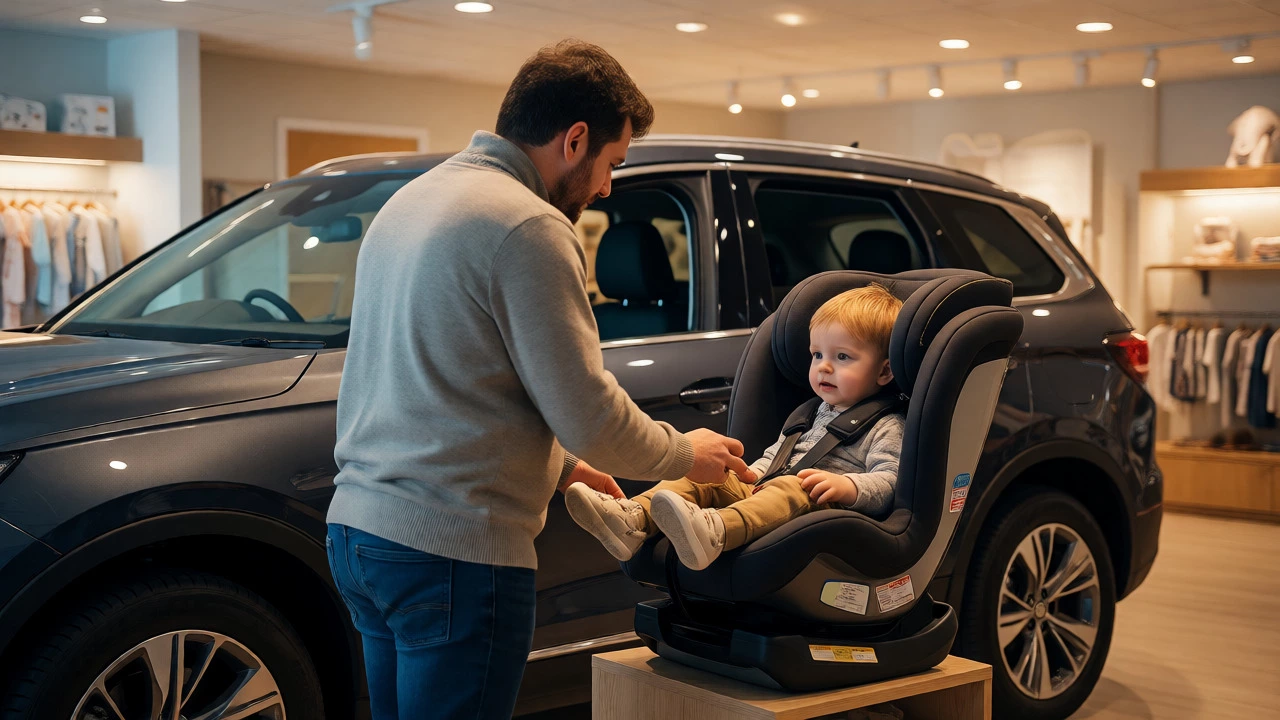
When you go to a retailer, ask specifically for a "fitting service." Most major UK high street stores, including Mothercare, John Lewis, and independent baby shops, offer this. It’s usually free with purchase, but some charge a small fee (often £10-£20) which is refunded if you buy the seat. This isn’t just customer service; it’s a safety protocol. Trained fitters know how to check for movement (the "inch test") and ensure the harness sits at the correct height relative to your child’s shoulders.
Where Can You Actually Try Them?
You have three main options, each with pros and cons. Let’s break them down so you don’t waste a Saturday afternoon.
| Option | Cost | Convenience | Risk Factor |
|---|---|---|---|
| Specialist Baby Shops | Free to £20 (refundable) | High (expert help) | Low (trained staff) |
| Supermarket/Mass Retailers | Free | Medium (crowded) | Medium (staff may lack depth) |
| Online Return Policy | Shipping costs | Low (logistics) | High (return hassle) |
Specialist Stores: These are your best bet. Staff here often hold certifications from organizations like the Child Passenger Safety Association. They will physically install the seat in your car while you watch. This is crucial because seeing how the mechanism works helps you replicate it later. If you’re in Bristol, places like Babymetre or local independents are worth the trip. They’ll let you sit your child in the seat, buckle them up, and even simulate a short drive around the block if they’re confident in the fit.
Mass Retailers: Big chains like Tesco or Asda sometimes have display models. You can lift them, feel the weight, and see the fabric quality. However, they rarely have demo cars parked outside. You’re limited to visual inspection unless you bring your own car, which many staff won’t allow due to insurance policies. Check their policy before driving there.
The Online "Try Before You Buy": Some online retailers now offer extended return windows specifically for bulky items. Read the fine print carefully. Does "returnable" mean you can open the box? Or does opening the seal void the warranty? For car seats, once the packaging is torn, many sellers classify it as "used," making returns difficult. Only use this option if you have a clear video guide for installation and are confident in your spatial reasoning skills.
What Exactly Are You Testing For?
Going to a store just to "look" isn’t enough. You need a checklist. When you’re in the fitting bay, focus on these four critical areas.
- Space Requirements: Rear-facing seats take up significant space. Measure the distance between your front passenger seat and the back bench. If your front seat is pushed all the way back, you might not have room for a Group 0+ infant carrier. Ask the fitter to move the front seat forward to create clearance.
- ISOFIX vs. Seat Belt: If your car has ISOFIX anchors, use them. They reduce installation error rates by nearly 50% compared to seat belts. During the trial, check if the base clicks easily. Some cars have hidden anchors under plastic flaps that are hard to find. Ensure the support leg (if applicable) reaches the floor without straining.
- Harness Accessibility: This is a daily annoyance factor. Can you reach the buckle when the seat is installed? Is the strap tightener accessible from the front or do you have to climb into the back? If you’re pregnant or have mobility issues, this matters more than brand prestige.
- Child Comfort: Put your actual child in the seat. Not a doll. If your toddler screams because the headrest digs into their neck, no amount of safety rating makes that seat right for them. Look for adjustable headrests and padded inserts.
The "Inch Test" and Other Safety Checks
Once the seat is installed, perform the inch test. Grab the seat at the belt path (where the straps go through) and pull firmly. It should move less than an inch in any direction. If it slides around, it’s loose. Loose seats increase injury risk in crashes because the child hits the interior of the car sooner.
Also, check the recline angle. Newborns need a nearly flat position to keep their airways open. Older kids need a more upright posture. Many modern seats have bubble levels or indicators showing if the angle is correct. Verify this during your trial. If the indicator says "too steep," adjust the base immediately. Do not assume it’s fine.
Pitfalls to Avoid When Trying Seats
Don’t fall for the "sales pitch." Salespeople want to sell you the most expensive model with extra features like cup holders and washable covers. Focus on compatibility. Also, beware of second-hand offers. While trying a new seat is great, buying used is risky. You cannot verify its crash history. Even if it looks perfect, internal foam compresses over time, losing its energy-absorbing properties. Stick to new purchases unless you know the exact history from a trusted source.
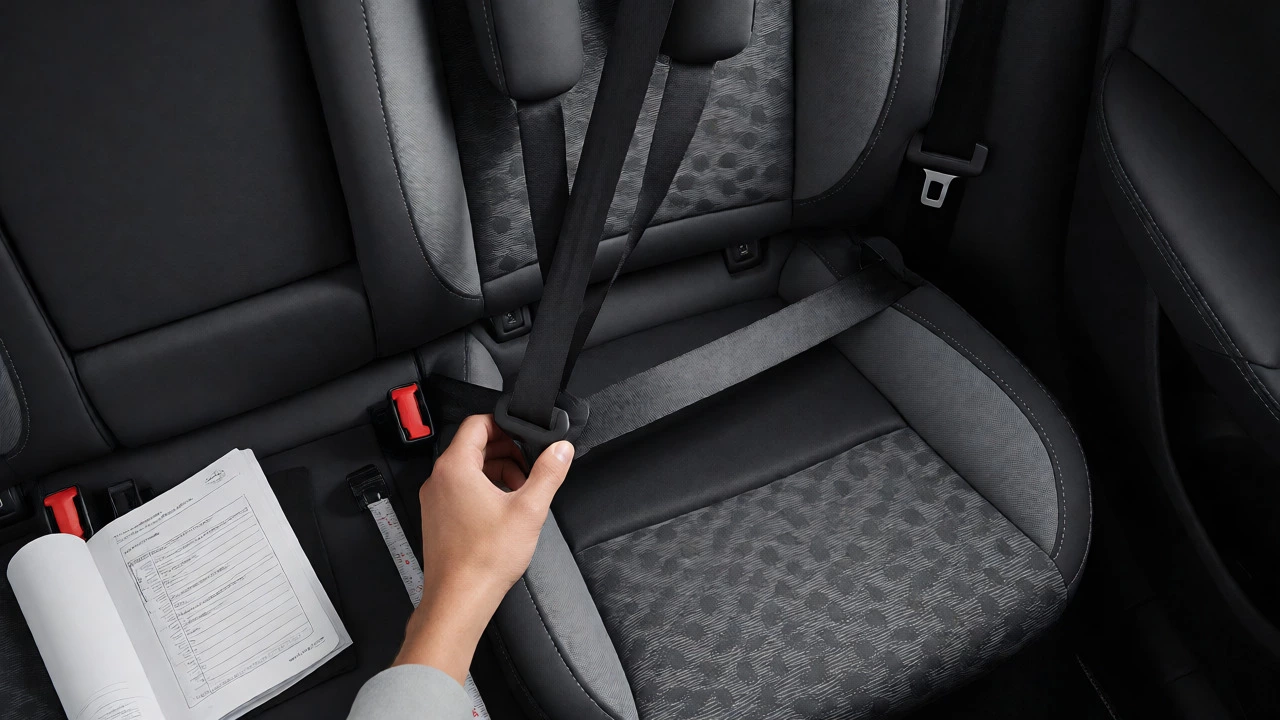
Another common mistake is ignoring the vehicle manual. Your car manufacturer specifies which car seats are approved for specific positions. Some cars prohibit rear-facing seats near active airbags. During your trial, ask the fitter to cross-reference your car’s manual with the seat’s vehicle list. If your car isn’t listed, proceed with caution.
Preparing for Your Visit
To make the most of your appointment, come prepared. Bring your child. Bring your car. Bring your manual. If you have multiple cars, bring photos of the interior of the other vehicles. Fitters can advise on transferability. Some bases stay in the car, while others move. Knowing this beforehand saves you from buying two sets of bases unnecessarily.
Finally, trust your gut. If the fitter seems rushed or dismissive of your concerns, walk away. There are plenty of shops that prioritize safety over quick sales. A good fitter will spend 20-30 minutes ensuring everything is perfect. They’ll show you how to remove the seat, how to clean the cover, and what to look for as your child grows.
Do I need to book an appointment to try car seats?
Most specialist stores require appointments for fitting services, especially on weekends. Walk-ins might be accommodated if staff are available, but booking ahead ensures you get dedicated attention and access to a demo car if needed.
Is it safe to buy a car seat online without trying it?
It is possible but risky. Universal-fit seats are easier to manage online, but semi-universal or vehicle-specific models often fail to fit certain cars. Always check the manufacturer's vehicle compatibility list before ordering online.
How long does a car seat fitting appointment take?
Typically 20 to 45 minutes. This includes selecting the model, installing it in your car, demonstrating the harness adjustment, and answering questions. Allow extra time if you are comparing multiple models.
Can I return a car seat if my child hates it?
Policies vary. High street retailers often accept returns within 14-30 days if unused and in original packaging. Once the seat is installed and used, returns become difficult. Trying it in-store first mitigates this risk significantly.
What if my car doesn't have ISOFIX points?
You can still use seat-belt fitted seats. During your trial, practice threading the belt through the correct guides. Ensure the locking mechanism engages properly. Some older cars may require a top tether, which needs an anchor point in the boot or roof lining.