Newborn Outdoor Safety Checker
Current Conditions
Ready to Check?
Enter the current weather conditions on the left to see if it is safe to take your newborn out.
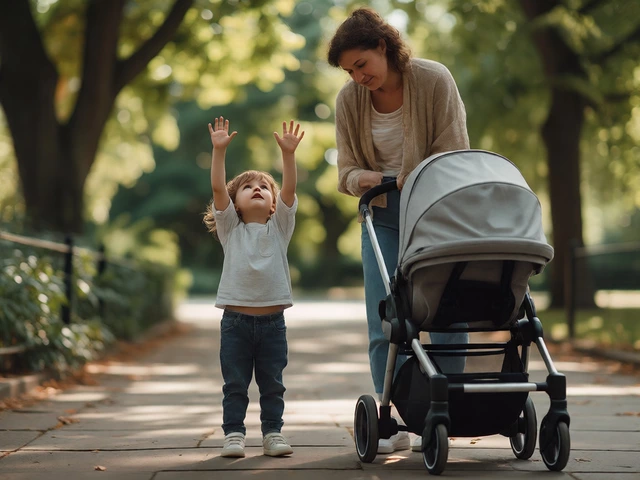
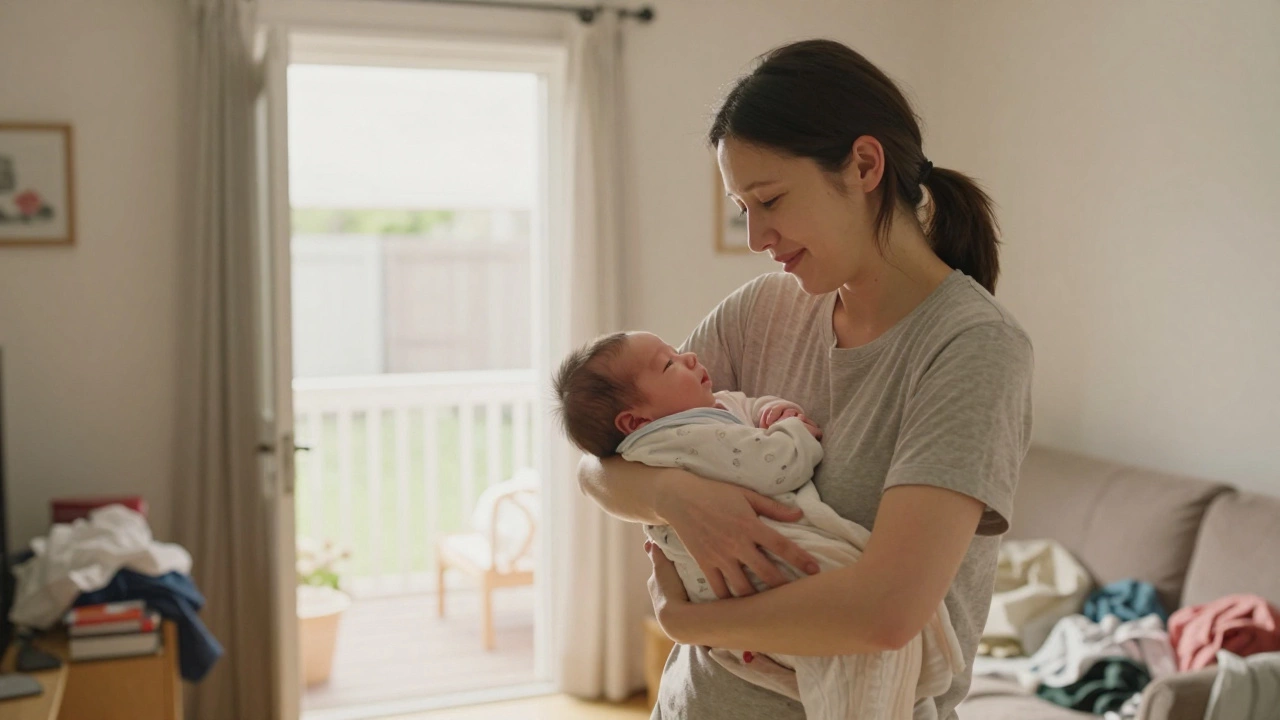
That first week home with your newborn feels like walking on eggshells. You’re tired, the house is a minefield of laundry, and every sound from the crib makes you jump. Then, the urge hits: you just need five minutes of fresh air. But before you buckle that tiny human into their baby stroller a wheeled device for transporting infants and toddlers and head out the door, a chorus of voices seems to shout from every direction. Some say wait until they are six weeks old. Others claim there’s no rule at all. So, when can you actually take your newborn outside?
The short answer is: sooner than you think, but with strict caveats. There is no medical law saying you must keep your baby indoors for a specific number of days. In fact, many pediatricians encourage early exposure to daylight and fresh air. However, "going outside" doesn’t mean a hike up a mountain or a beach day in July. It means short, controlled trips where you manage the environment around your child.
The Medical Consensus: No Mandatory Waiting Period
If you’ve been told to wait two weeks, three weeks, or even eight weeks before leaving the house, you might be hearing outdated advice mixed with cultural tradition. Major health organizations, including the American Academy of Pediatrics (AAP) and the NHS in the UK, do not recommend isolating newborns indoors for extended periods.
In reality, babies are exposed to germs long before they leave the hospital. They encounter bacteria during birth, from family members visiting, and from the air in your own home. The idea that a baby’s immune system is too fragile to handle the outdoors is a myth. What matters isn't the *presence* of germs, but the *type* and *intensity* of exposure. A quick walk down the street exposes your baby to far fewer pathogens than a crowded indoor shopping mall.
So, why do people say "wait"? Usually, it’s about convenience and risk management. In the first few days, you are both recovering. Your body needs rest, and your baby is adjusting to life outside the womb. Going outside adds stress-handling the stroller, managing temperature changes, and dealing with unpredictable schedules. If you feel overwhelmed, staying in is fine. But if you want to go out, medically speaking, you can start as soon as you feel ready, provided you follow safety guidelines.
Weather Rules: Temperature, Wind, and Sun
Newborns cannot regulate their body temperature effectively. Their skin is thinner, and they have less body fat than older children. This makes them vulnerable to both overheating and hypothermia. When deciding whether to take your newborn out, check the weather forecast meticulously.
| Condition | Safe Range | Risks to Avoid |
|---|---|---|
| Temperature | 50°F - 80°F (10°C - 27°C) | Below freezing or above 90°F (32°C) |
| Wind | Calm to light breeze | Strong gusts that chill the baby or blow debris |
| Sunlight | Shade only | Direct sun exposure (UV damage) |
| Precipitation | Dry or very light mist | Heavy rain, snow, or sleet |
Cold Weather: If it’s chilly, dress your baby in one more layer than you are wearing. Use a breathable footmuff or blanket rather than piling on heavy coats inside the stroller, which can restrict movement and trap heat unevenly. Never cover the stroller’s ventilation holes with blankets, as this can lead to suffocation risks if the baby rolls forward. Check your baby’s chest or back to gauge warmth; hands and feet are often cooler and aren’t reliable indicators.
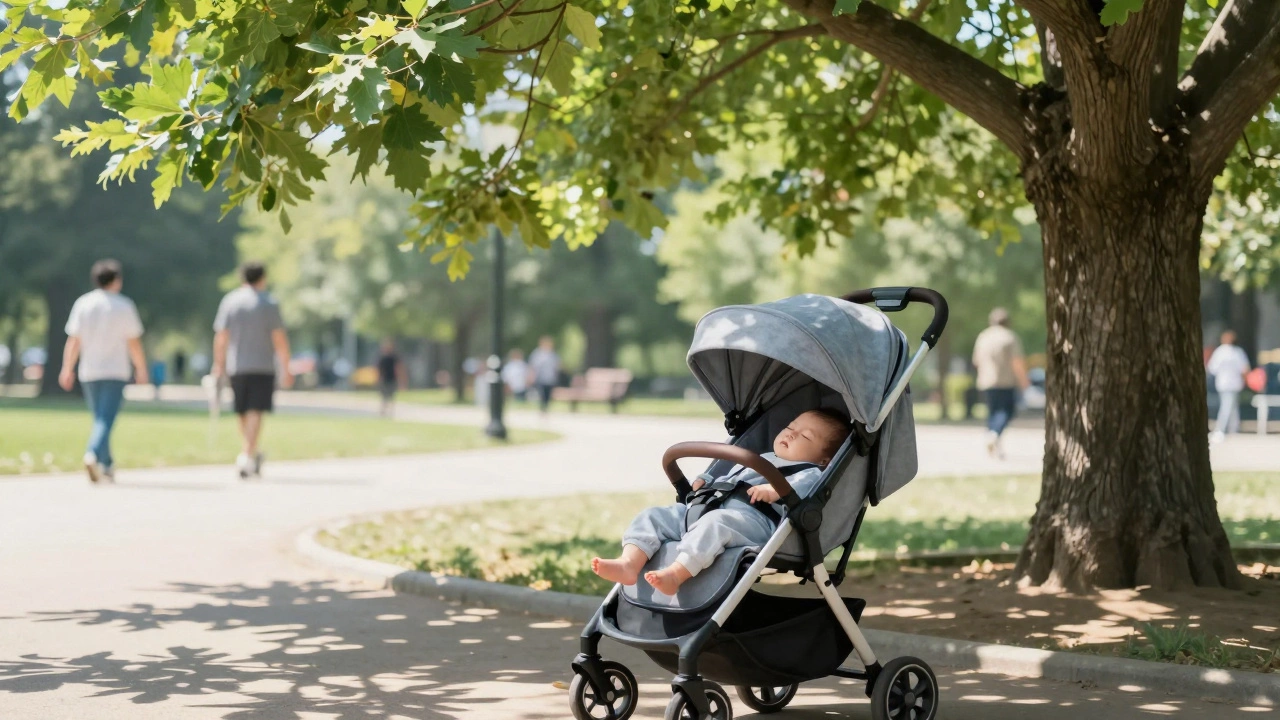
Hot Weather: Overheating is a serious risk. Keep the baby in the shade at all times. Most modern strollers come with UV-protective canopies, but these aren’t always enough. Dress your baby in lightweight, loose-fitting cotton clothing. Offer frequent feeds, as hydration helps regulate body temperature. If the baby feels hot to the touch or has red cheeks, head home immediately.
Choosing the Right Gear: Strollers vs. Car Seats
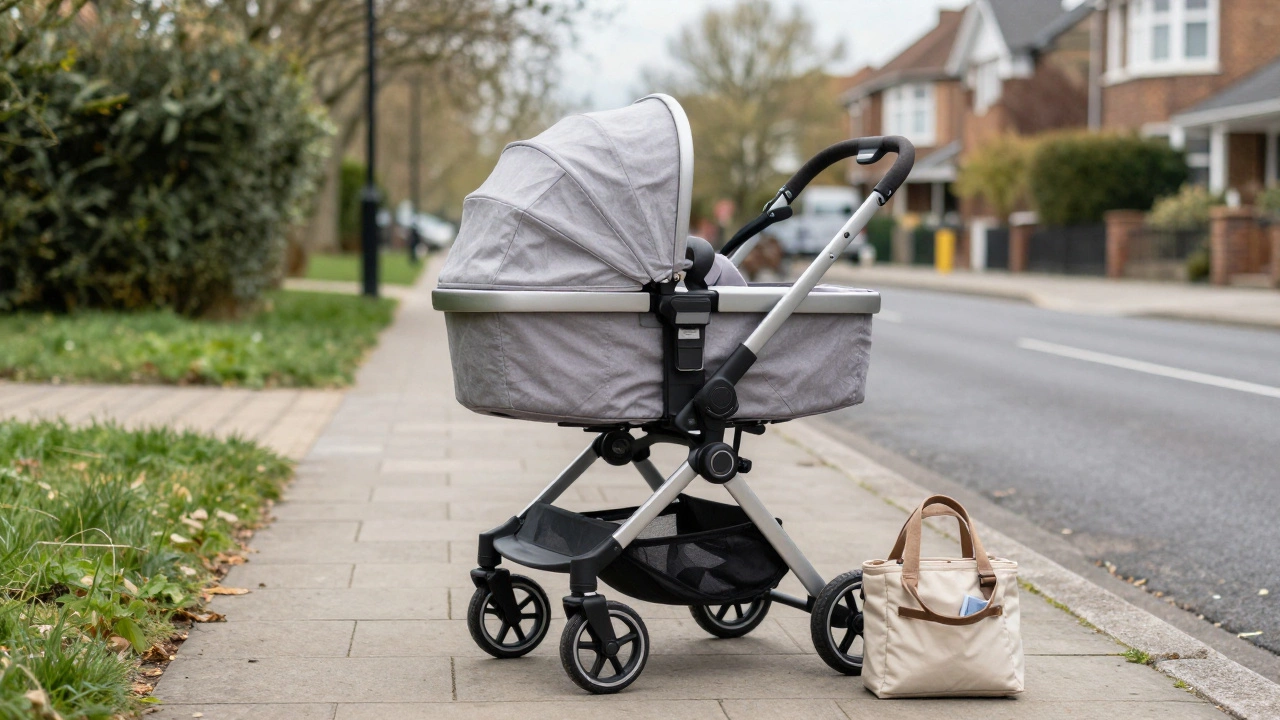
Not all strollers are created equal, especially for newborns. You need a setup that supports your baby’s undeveloped spine and neck muscles. There are two main options:
- Bassinet Attachments: These allow the baby to lie completely flat. This is ideal for lung development and spinal alignment. Bassinets are great for longer walks because they offer more space and better ventilation.
- Car Seat Carriers: Many parents use their infant car seat clipped onto a stroller frame. While convenient, car seats are designed for travel, not long-term lounging. Babies can slump forward in car seats, potentially obstructing their airway. Limit time in the car seat carrier to under an hour per session.
Always ensure your stroller meets current safety standards. Look for a five-point harness, which secures the baby at the shoulders, hips, and between the legs. Avoid three-point harnesses, which don’t provide enough security. Also, check the brakes. A reliable braking system is non-negotiable, especially if you live in a hilly area like parts of Bristol.
Social Exposure: Crowds and Sick People
This is where most new parents get anxious. Should you avoid other people? The answer is nuanced. You don’t need to isolate your baby, but you should practice "selective socializing."
Avoid places with high concentrations of sick individuals. During flu season or cold outbreaks, steer clear of crowded indoor spaces like malls, airports, or busy cafes. Instead, choose outdoor parks, quiet streets, or beaches where people are spread out. Air circulation outdoors dilutes virus particles significantly faster than stagnant indoor air.
Ask visitors to wash their hands before holding your baby. This simple step reduces the transmission of common viruses like RSV (Respiratory Syncytial Virus), which can be severe for infants. If someone is coughing or sneezing, politely decline physical contact. Your baby’s immune system is building its defenses, and while it needs some exposure to learn, it doesn’t need a direct hit from a super-spreader.
Duration and Frequency: Start Small
You don’t need to plan a marathon on your first outing. Start with short trips-10 to 15 minutes. This allows you to observe how your baby reacts to the change in environment. Do they sleep well? Do they seem agitated by the noise or movement? Adjust accordingly.
As your baby grows, you can gradually increase the duration. By two months, many babies enjoy longer walks. Pay attention to their cues. If they start crying excessively or turning away from stimuli, they might be overstimulated. Newborns process sensory input differently than adults, and what feels like a pleasant breeze to you might feel overwhelming to them.
Hygiene and Maintenance
Your stroller will collect dirt, dust, and pollen. Regular cleaning is essential to prevent allergic reactions or skin irritations. Wipe down the fabric with a mild disinfectant safe for baby products. Wash removable covers according to the manufacturer’s instructions. Check wheels and joints for wear and tear, ensuring everything moves smoothly and safely.
Also, keep a small kit in your stroller bag: wipes, a change of clothes, diapers, and a pacifier. Accidents happen, and being prepared reduces stress. If you’re breastfeeding, consider a nursing cover or find a quiet spot nearby.
Red Flags: When to Stay Home
There are times when going outside is simply not advisable. If your baby has a fever, is vomiting, or shows signs of illness, keep them indoors. Consult your pediatrician before taking a sick baby outside. Similarly, if you are feeling unwell, consider postponing the trip. Your health impacts your ability to care for your baby effectively.
Extreme weather events, such as thunderstorms, heatwaves, or pollution alerts (high AQI days), are also reasons to stay put. Poor air quality can irritate a newborn’s developing lungs. Check local air quality indexes if you live in an urban area with traffic congestion.
Can I take my newborn out on the day we bring them home from the hospital?
Yes, you can, but it’s usually best to wait until you feel physically recovered and emotionally ready. There is no medical restriction preventing you from going outside on day one. However, keep the trip very short and close to home to minimize stress for both of you.
Is it safe to take a newborn out in winter?
Yes, as long as the temperature is not extremely low (below freezing) and wind chill is manageable. Dress your baby in layers and use a breathable footmuff. Always monitor their body temperature by touching their chest or back. Avoid windy days that could cause rapid heat loss.
How long can a newborn stay in a stroller?
For a bassinet attachment, several hours is generally safe if the baby is comfortable and properly positioned. For a car seat carrier, limit time to under one hour to prevent slumping and potential airway obstruction. Always ensure the baby is securely harnessed.
Should I avoid crowds with my newborn?
It’s wise to avoid large, enclosed crowds, especially during flu season. Outdoors, where air circulates freely, is much safer than indoor venues like malls or airports. Practice selective socializing by asking visitors to wash hands and avoiding contact with anyone who appears sick.
Do I need a special stroller for a newborn?
You need a stroller that allows the baby to lie flat or recline fully. Standard upright seats are not suitable for newborns due to their weak neck muscles. Look for models with bassinet attachments or compatible infant car seat carriers that meet safety standards.