
Toddler Bed Readiness Checker
Answer the following questions based on your child's current behavior to see if it's the right time for the "Big Leap."
Your Result:
0/8The Big Leap: Moving Out of the Crib
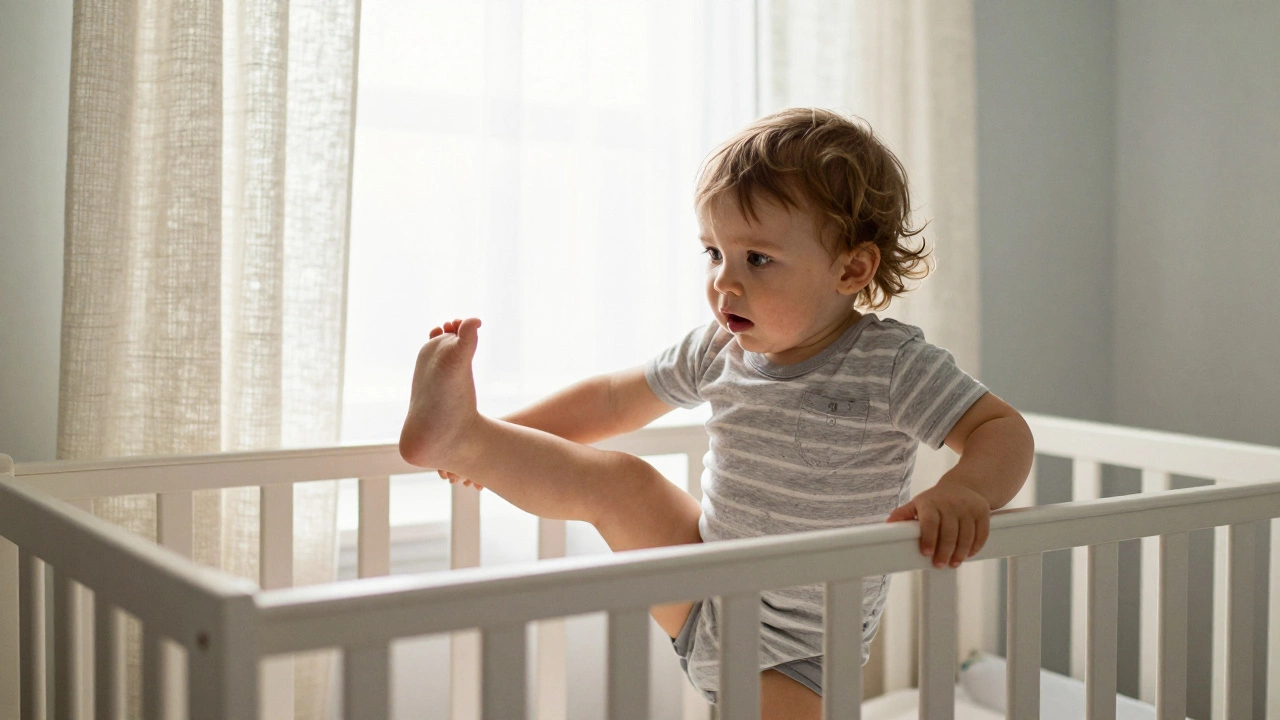
One morning you wake up and realize your child is practically performing a circus act to climb out of their crib. It's a terrifying moment for any parent. You aren't just dealing with a furniture change; you're managing a major shift in your child's independence. Many parents panic and rush into buying a new bed the moment they see a stray leg over the railing, but the timing actually depends more on your child's behavior than their age.
The core problem is balancing safety with developmental readiness. If you move them too early, you might deal with midnight wanderings and a bedroom that looks like a tornado hit it. If you wait too long, you're risking a fall from the crib. The goal is to find that sweet spot where your child is physically capable and mentally prepared for a toddler bed transition.
Key Takeaways for Parents
- Physical safety (climbing out) is the number one trigger for the switch.
- Most children are ready between 18 months and 3 years, but every child is different.
- Consistency in bedtime routines is more important than the bed itself.
- Child-proofing the entire room is mandatory before the transition.
- The transition can take anywhere from a few nights to several weeks to stabilize.
Signs Your Child Is Ready for the Switch
Age is a loose guideline, but behavior is a concrete signal. You should start looking at options when you notice specific patterns. The most obvious one is the "great escape." If your child has figured out how to climb over the side of the crib, the crib is no longer a safe place. A fall from the top rail can lead to bruises or worse, making the move to a lower bed a safety necessity rather than a choice.
Beyond the physical, look for signs of frustration. Does your child cry because they feel trapped? Do they push their toys through the bars in a desperate attempt to play on the floor? These are signs of an emerging desire for autonomy. When a child starts wanting to "be a big kid," they are often more mentally receptive to the idea of a new bed.
Another signal is the quality of their sleep. If they are still waking up every two hours or struggling with nap transitions, adding the excitement of a new bed might actually disrupt their sleep further. It's usually better to wait until their sleep schedule is relatively stable before introducing a major environmental change.
Comparing Your Bed Options
Not all toddler beds are created equal. Depending on your budget and space, you have a few different paths. Some parents prefer a conversion kit for their existing crib, while others go for a standalone piece of furniture.
| Option | Pros | Cons | Best For |
|---|---|---|---|
| Crib Conversion Kit | Cheaper, familiar feel | Limited lifespan | Budget-conscious parents |
| Low-Profile Toddler Bed | Very safe, easy access | Outgrown quickly | Early transitioners (18-24 mo) |
| Twin Bed with Rails | Long-term investment | Can feel overwhelming | Older toddlers (3+ years) |
| Floor Mattress (Montessori) | Maximum independence | Dust collection, no rails | Active, adventurous kids |
Turning the Bedroom Into a Safe Zone
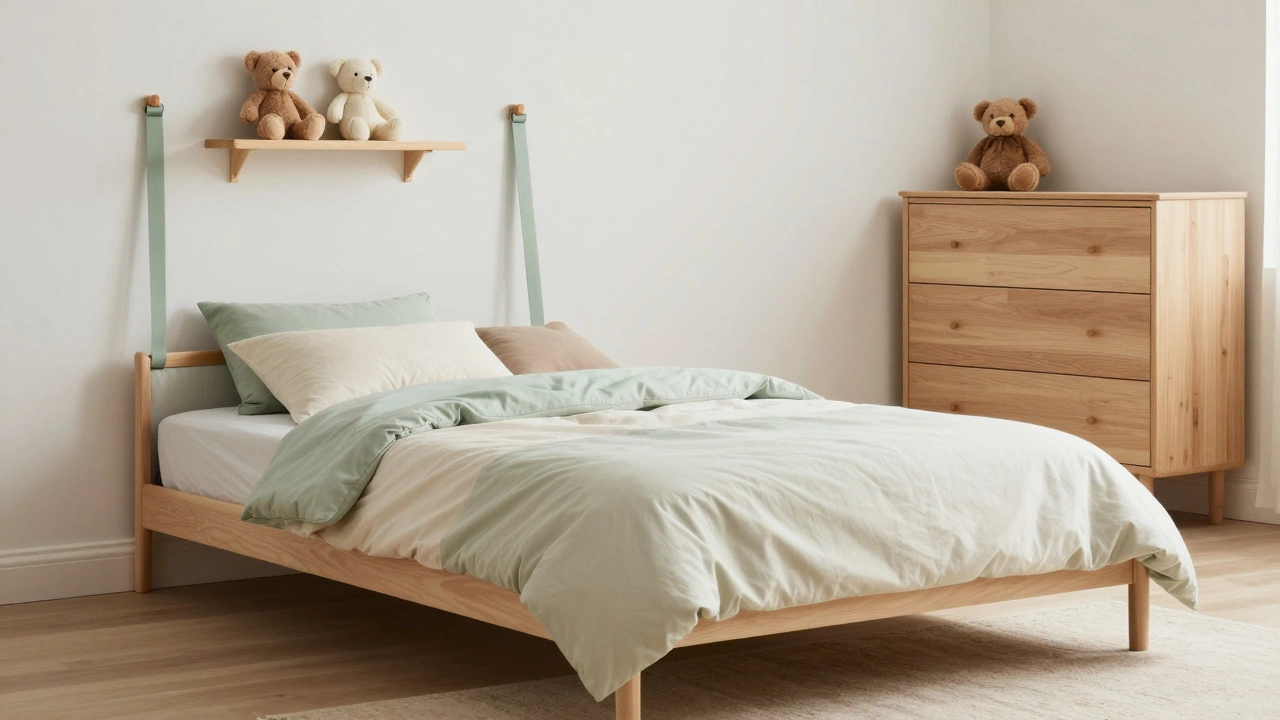
Once your child is in a Toddler Bed, the entire room effectively becomes part of the bed. Since they can now get out whenever they want, you have to treat the bedroom like a giant crib. This is where many parents stumble-they focus on the bed but forget the dresser.
Start by anchoring all heavy furniture to the walls. A toddler who can climb out of a bed can definitely climb a dresser. Use anti-tip straps on everything. Check for loose cords from blinds or lamps that could be hazardous. If you have a heavy mirror or framed art, ensure it's securely fastened.
Think about the "exploration zone." When your child wakes up at 3 AM, what will they do? If there's a bin of loud toys or a stack of books they can knock over, that's what they'll find. Keep the room minimal. A few favorite stuffed animals and a few soft books are enough. The goal is to keep the environment boring enough that they actually stay in bed.
The Step-by-Step Transition Process
Don't just swap the beds overnight and hope for the best. A gradual approach reduces anxiety for both the child and the parent. Try this sequence to make the move smoother:
- The "Teaser" Phase: Talk about the new bed a few days before it arrives. Use positive language like "You're getting a big kid bed!" to build excitement.
- The Setup: Assemble the bed while the child is out of the room or asleep. This prevents them from getting over-excited or trying to climb into an unfinished bed.
- The Familiarity Trick: Use the same sheets, the same pajama routine, and the same sound machine you used in the crib. The bed is new, but the "vibe" should be familiar.
- The First Night: Stay with them a bit longer than usual. Some kids feel exposed without the high walls of a crib and might need extra cuddles to feel secure.
- The Boundary Setting: Clearly explain the rules. "You can stay in bed until the light turns green" or "I will come check on you in five minutes."
Dealing with Common Sleep Regression
It is incredibly common for a child to suddenly refuse to sleep after moving to a toddler bed. This isn't necessarily a "regression" in the clinical sense, but rather a reaction to new freedom. They realize they can leave the room, so they do. You might find yourself walking them back to bed ten times a night for a week.
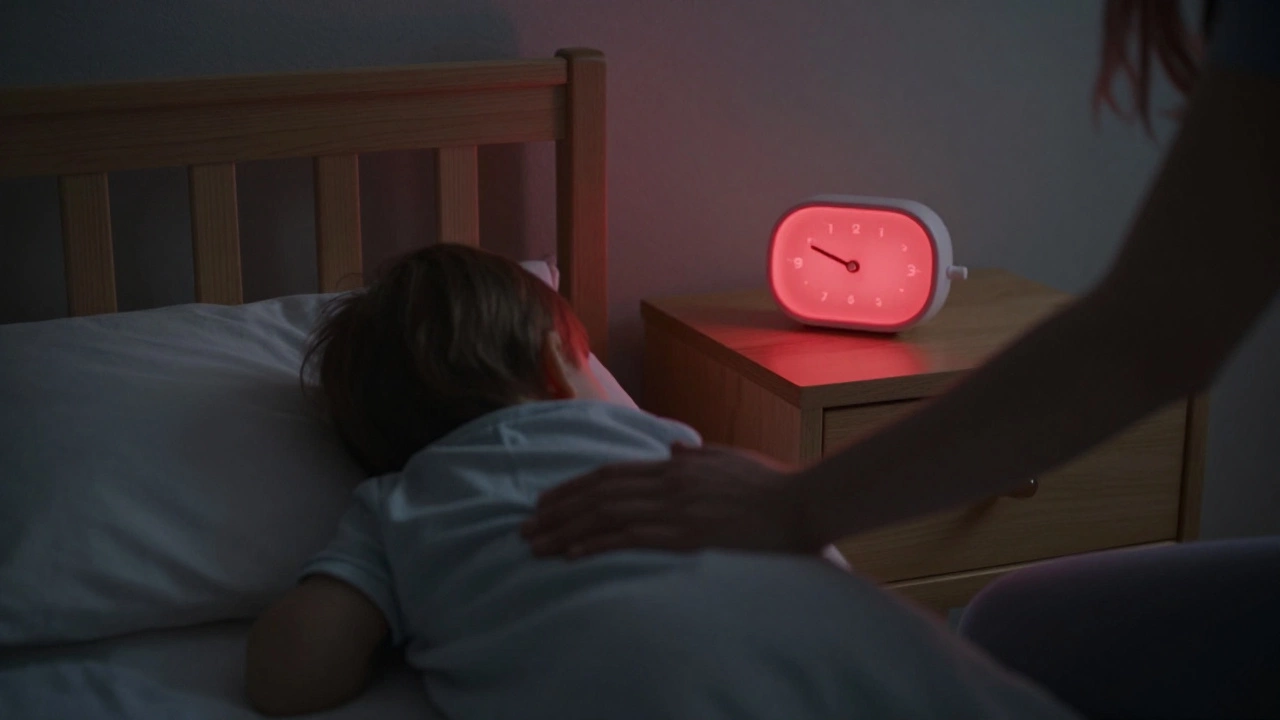
The secret here is the "boring return." When they get out of bed, don't engage in long conversations, don't offer snacks, and don't get angry. Simply lead them back to bed with minimal interaction. If you make the act of getting out of bed an interesting social event, they will keep doing it.
If the wanderings continue, consider a Sleep Trainer Clock. These are clocks that change color (e.g., red for sleep, green for wake) to give the child a visual cue. It shifts the authority from the parent ("Go back to bed!") to the clock ("The clock is still red"), which reduces power struggles.
When to Consider a Montessori Approach
You might have heard of Montessori Education and its approach to sleep. In a Montessori setup, the bed is often a floor mattress. This is designed to promote autonomy and confidence. The child can get in and out of bed without help, which encourages self-regulation.
This works great for kids who are very active and hate feeling restricted. However, it's not for everyone. If you have a child who is prone to getting into everything or if you have pets that might jump on a floor mattress, a traditional toddler bed with rails is a better bet. The choice depends on your child's temperament and your own comfort level with the room's layout.
What is the ideal age for a toddler bed?
While many parents switch around 2 years old, the ideal age is whenever your child consistently attempts to climb out of their crib or expresses significant frustration with the railings. Safety is the priority; if they can climb out, they need a lower bed regardless of their exact age.
Should I use a rail on a twin bed?
Yes, if you are skipping the toddler bed and going straight to a twin, bed rails are essential. Most toddlers lack the coordination to stay in a large bed and will roll off during deep sleep. Removable mesh rails are a great option until they are around 3 or 4 years old.
My child keeps getting out of bed. What do I do?
Implement a "silent return" policy. Lead them back to bed without talking or emotional reaction. Combine this with a reward system for staying in bed and a visual cue like a sleep trainer clock to help them understand when it is okay to wake up.
Is a toddler bed safer than a crib?
A crib is safer for infants due to the high walls. However, once a child is tall enough to climb out, the crib becomes a hazard. In that specific scenario, a toddler bed is safer because it eliminates the risk of a high-altitude fall.
Can I move my child to a bed before 18 months?
It is generally not recommended unless the child is an exceptional climber. Most children under 18 months lack the impulse control and physical coordination to navigate a room safely without the containment of a crib.
Next Steps and Troubleshooting
If you've tried everything and your child still won't stay in their new bed, take a step back. Sometimes the transition is too fast. You might try putting the toddler bed in the room but keeping the crib for a few more weeks, letting them choose where to sleep. This gives them a sense of control.
For parents of "high-energy" toddlers, focus on the wind-down routine. An hour of screen-free time, a warm bath, and reading a book can lower their cortisol levels and make them more likely to stay put. If the behavior persists for more than a month, it might be worth chatting with a pediatrician to rule out any underlying sleep apnea or restless leg issues that are making them fidgety.