
Toddler Sleep Transition Checker
Is Your Toddler Ready for a Blanket?
Use this safety-focused checklist based on pediatric guidelines to determine when your child is developmentally ready to transition from sleep sacks to blankets.
Check the items above that apply to your child. Based on pediatric guidelines, 3 or more "yes" signs indicate readiness to transition safely.
Most parents start using sleep sacks when their baby outgrows swaddling-usually around 2 to 4 months. They’re safe, cozy, and help prevent loose blankets in the crib. But when your child starts climbing out of the crib, rolling over constantly, or showing interest in pulling blankets, it’s time to ask: when to stop using a sleep sack?
Signs Your Toddler Is Ready to Move On
There’s no universal age when every child should stop using a sleep sack. Some toddlers transition at 18 months. Others still wear them at 3. It’s not about the clock-it’s about your child’s development and behaviour.
- They’re climbing out of the crib. If your toddler is scaling the rails or standing up to peer over the edge, a sleep sack can get caught or tangled during a fall. That’s a safety risk.
- They’re kicking off the sack frequently. If your child is constantly fighting the armholes or pulling the fabric up over their head, they’re telling you it’s no longer comfortable.
- They’re showing interest in blankets. You might catch them tugging at the edge of a sheet or staring at the blanket on the couch. That curiosity is a strong signal they’re ready for more freedom.
- They’re sleeping through the night without waking from overheating. Sleep sacks are great for temperature regulation, but if your toddler is no longer sweating or flushing during sleep, they may not need the extra layer anymore.
One parent in Bristol noticed her daughter started sleeping better after switching to a lightweight cotton blanket at 22 months-just after she began saying "I want blanket" every night. That’s not coincidence. Toddlers communicate their needs, even if they can’t say "I’m ready for a blanket."
Why Sleep Sacks Are Safe-Until They’re Not
Sleep sacks reduce the risk of SIDS by eliminating loose bedding. The American Academy of Pediatrics recommends them for infants up to age one. But once your child becomes mobile, the rules change.
A 2023 study from the UK’s National Childbirth Trust tracked 1,200 toddlers who transitioned from sleep sacks to blankets. Those who moved too early-before 18 months-were more likely to wake up cold or pull bedding over their face. Those who waited until they showed clear signs of readiness had fewer sleep disruptions and no safety incidents.
Here’s the key: sleep sacks are designed for cribs. Once your child moves to a toddler bed, the environment changes. They can now reach for blankets, kick them off, or tuck them under themselves. A sleep sack becomes unnecessary-and possibly restrictive.
Transitioning to Blankets: How to Do It Safely
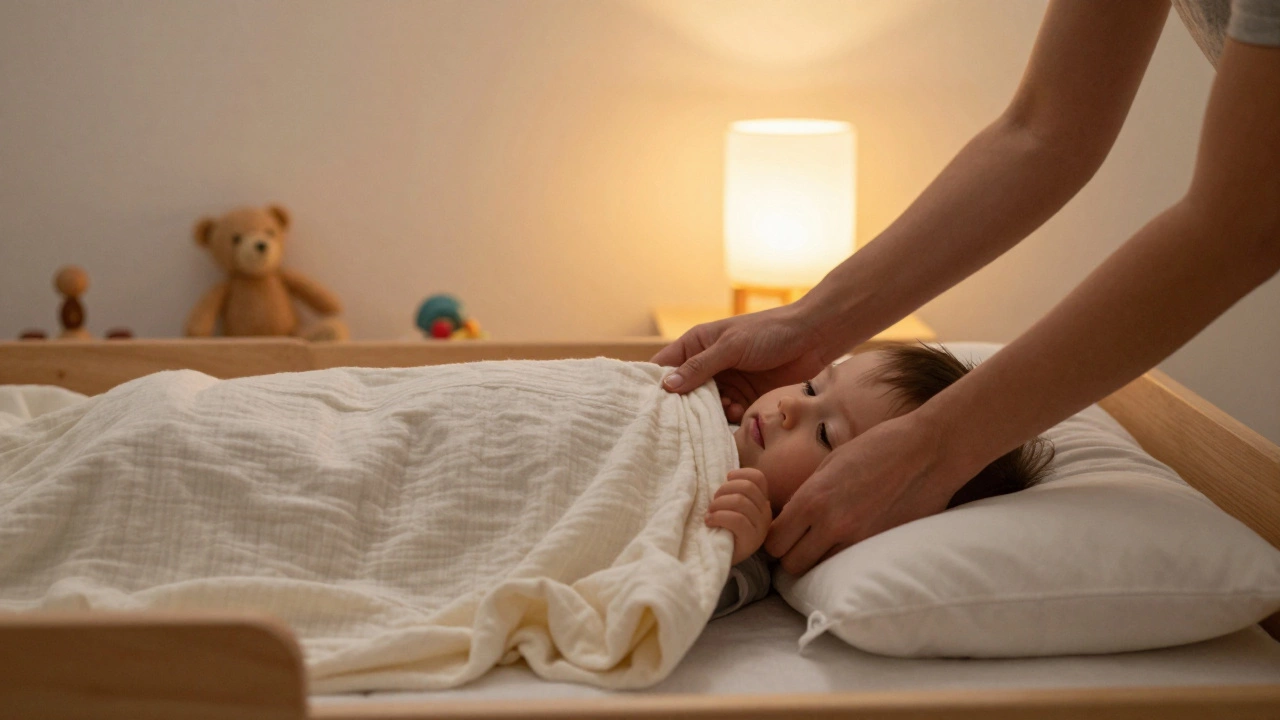
Don’t just rip the sleep sack away. Transition slowly. Start with a lightweight, breathable cotton blanket-about 1.2m x 1.2m. Avoid thick quilts or duvets. They’re too heavy and increase suffocation risk.
- Introduce the blanket during daytime naps first. Let your toddler get used to the feel without the pressure of nighttime sleep.
- Use a fitted sheet on the mattress and tuck the blanket in tightly on two sides. This prevents it from slipping over their head.
- Keep the room temperature between 16°C and 18°C. That’s ideal for toddlers without extra layers.
- Try a sleep sack with removable sleeves first. Some brands offer 2-in-1 designs that convert from full-body to sleeveless as your child grows.
- Watch for signs of discomfort: flailing arms, pulling the blanket up, or waking up crying. If they’re struggling, go back to the sleep sack for a few more weeks.
One dad in Bristol tried switching his 2-year-old to a blanket overnight. The child woke up three times in the first night, cold and upset. The next night, he used a sleeveless sleep sack with a light blanket tucked in. Within three nights, the child slept through without waking. That’s the sweet spot: gradual change, not sudden overhaul.
What to Do If Your Toddler Still Loves Their Sleep Sack
There’s no rush. If your child is still sleeping well, not climbing, and not overheating, there’s no harm in continuing. Some kids use sleep sacks until they’re 3 or even 4. That’s normal.
But if you’re considering a switch because you’re worried about safety or because your child is now in a toddler bed, here’s a simple rule: if they can stand up and reach the top of the crib, it’s time to think about transitioning. A sleep sack won’t protect them from falling out of bed.
Also, check the weight limit on your sleep sack. Most are rated for children up to 15kg (33 lbs). If your toddler is approaching that, the fabric may stretch or tear. That’s a hidden risk.
Alternatives to Sleep Sacks
Once you stop using a sleep sack, you still need to keep your toddler warm and safe. Here are the best options:
- Lightweight cotton blankets (100% organic cotton, no synthetic blends)
- Footed pajamas with long sleeves and legs-great for cooler rooms
- Wearable blankets that look like a vest with a skirt. These are less restrictive than full sleep sacks but still prevent kicking off covers
- Room temperature control-a smart thermostat set to 17°C keeps your child comfortable without extra layers
Avoid fleece, polyester, or thick wool. These materials trap heat and can cause overheating. Toddlers can’t regulate their body temperature as well as adults. Overheating is linked to increased SIDS risk-even after age one.
Common Mistakes Parents Make
Many parents wait too long to switch-or switch too fast. Here’s what to avoid:
- Using a heavy duvet because "it’s winter." Toddlers don’t need thick bedding. A single lightweight blanket is enough.
- Letting your toddler sleep with stuffed animals or pillows. The AAP still recommends keeping these out of the bed until age 2, and even then, only if your child is developmentally ready.
- Buying a sleep sack that’s too big. A loose sack can bunch up around the face. Always choose the right size based on height, not weight.
- Assuming all toddlers are ready at the same age. Some need the security of a sleep sack longer. That’s okay.
One mum in Bristol switched her 2-year-old to a blanket after a friend said "he’s too old for that." The child cried every night for a week. She went back to the sleep sack. Three months later, the child asked for a blanket on his own. That’s the right timing.
Final Checklist: Are You Ready to Stop?
Before you make the switch, ask yourself these questions:
- Is my child sleeping in a toddler bed or still in a crib?
- Do they show interest in blankets or try to pull them off?
- Are they climbing or standing in the crib?
- Has their weight reached the sleep sack’s limit?
- Do they wake up sweaty or flushed during the night?
- Have they been sleeping through the night without waking from cold?
If you answered "yes" to three or more, it’s time to start the transition. If you answered "no" to most, keep the sleep sack. There’s no deadline. Your child’s comfort and safety come first.
Can a toddler sleep with a blanket instead of a sleep sack?
Yes, but only after your child is developmentally ready-usually after 18 months and once they’ve moved to a toddler bed. Use a lightweight, breathable cotton blanket and tuck it in securely on two sides to prevent it from covering their face. Avoid thick quilts or duvets.
Is it safe to use a sleep sack after age 2?
It’s safe if your child still fits in it and isn’t climbing out of the crib. Many toddlers use sleep sacks until age 3 or even 4, especially if they’re small or still sleeping in a crib. The risk comes when they become mobile and the sack restricts movement or gets caught during a fall.
What if my toddler kicks off the blanket?
Try a sleeveless wearable blanket or footed pajamas. These give freedom of movement while keeping them warm. You can also lower the room temperature slightly and dress them in a long-sleeve onesie underneath. Avoid forcing a blanket if they’re not ready.
Should I stop using a sleep sack if my child is in a toddler bed?
Yes, it’s usually time. Toddler beds allow more movement, and a sleep sack can become a hazard if your child rolls off the bed or gets tangled. A lightweight blanket tucked in securely is safer and more appropriate for this stage.
How do I know if my toddler is too hot in a sleep sack?
Check their neck or back-if it’s sweaty or flushed, they’re overheating. Also watch for restless sleep, rapid breathing, or waking up crying. Room temperature should be 16-18°C. If your child is comfortable at that temp without a sack, it’s time to switch.
What Comes Next?
Once your toddler is sleeping with a blanket, you’re entering a new phase of sleep independence. They might still need a nightlight, a comfort object, or a bedtime routine that includes stories. But the sleep sack? That was a tool for a different stage.
Don’t feel guilty for letting go. You didn’t fail. You simply helped your child grow.