Best-Selling Book Explorer
Select a Book
Choose from the top best-sellers to learn about their sales history and significance.
Ask anyone what the best-selling book in history is, and you’ll likely get one of two answers. Most people will say The Bible, which makes sense given its global reach. Others might guess a famous novel like Harry Potter or The Lord of the Rings. But if you are looking for a single, specific title that holds the record for the highest number of copies distributed by a human author, the answer is surprisingly political.
The number one selling book of all time, when we exclude religious texts and government-mandated distributions, is often cited as Quotations from Chairman Mao Tse-tung, also known as the Little Red Book. Estimates suggest that between 650 million and 800 million copies were printed between 1964 and 1976. However, because these numbers are based on estimates rather than verified sales data, many literary historians prefer to look at commercial sales figures instead.
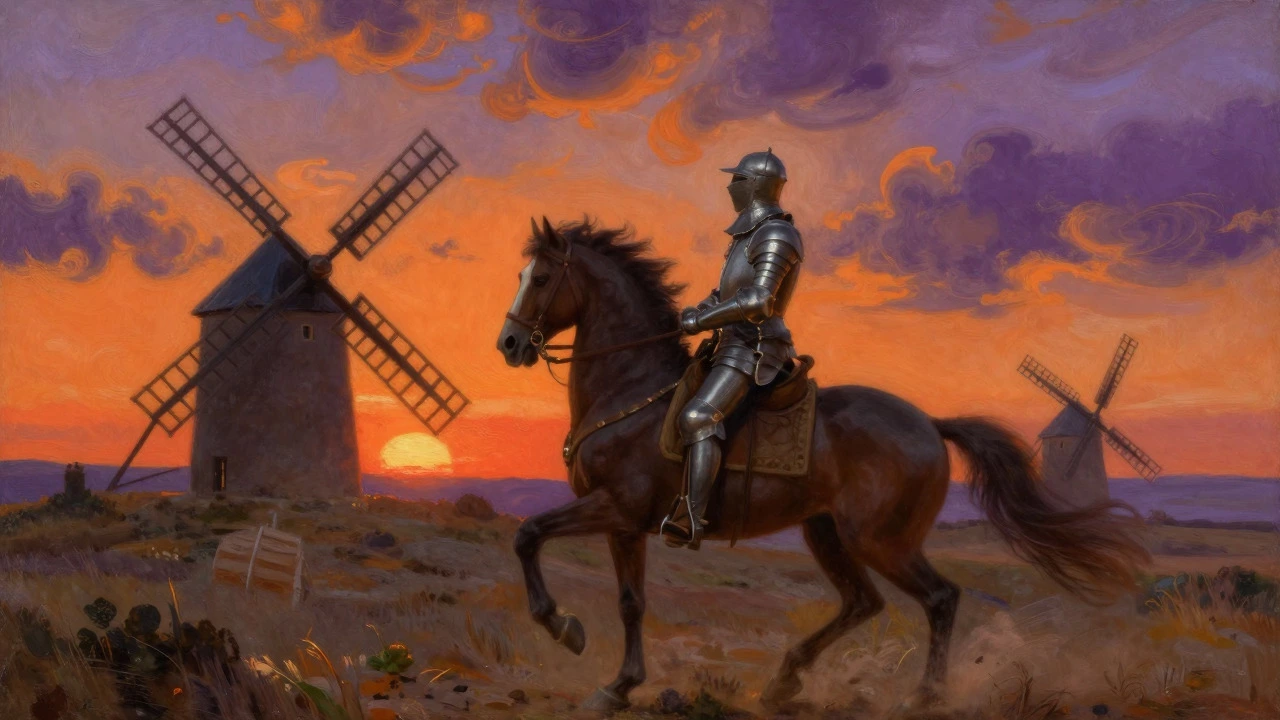
The Commercial Champion: Don Quixote
If we shift our focus to books sold through traditional commercial channels over centuries, the title belongs to Miguel de Cervantes’ masterpiece, Don Quixote. First published in 1605, this Spanish novel is widely considered the first modern novel. While exact numbers are impossible to pin down due to lost records and pirated editions from the 17th century, experts estimate that it has sold between 500 million and 1 billion copies worldwide.
Why does Don Quixote hold this distinction? It wasn’t just popular; it was foundational. It introduced narrative techniques still used today, such as unreliable narrators and metafiction. For parents reading to their children or students studying literature, understanding Don Quixote provides context for almost every story that followed. It bridges the gap between medieval chivalry tales and modern storytelling.
The Modern Phenomenon: Harry Potter
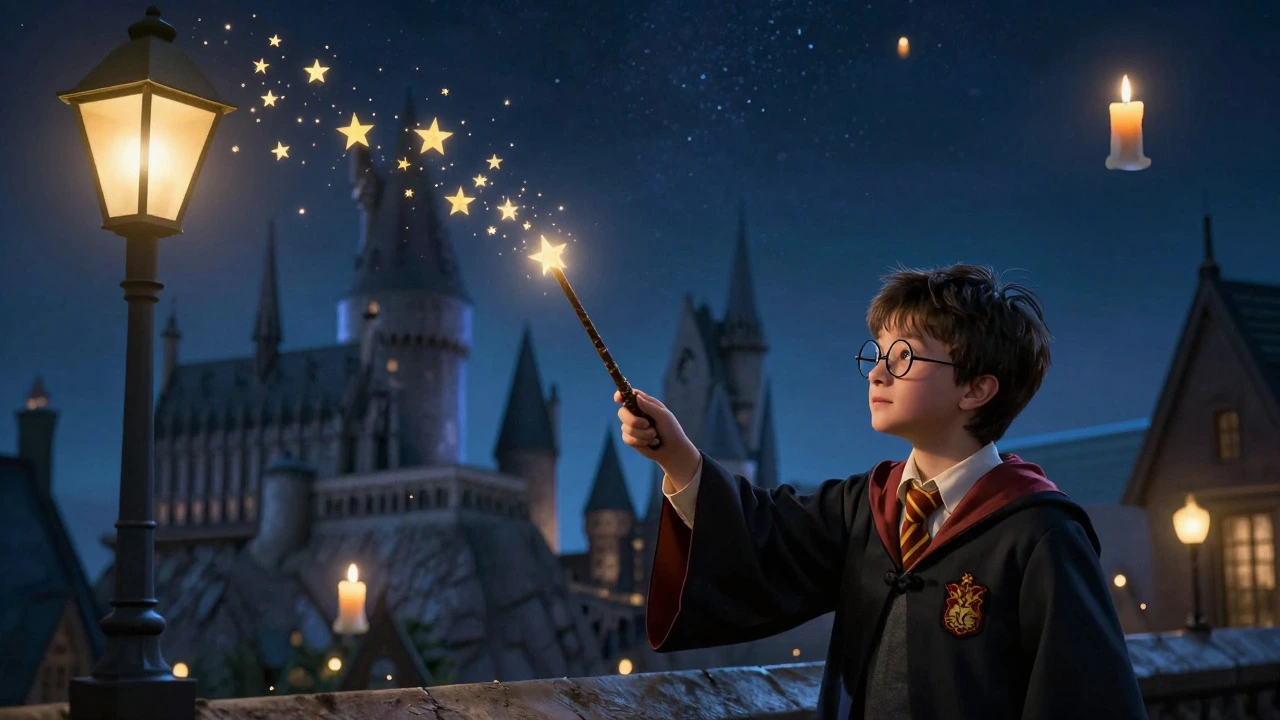
In the realm of contemporary fiction, no series comes close to matching the sheer volume of Harry Potter books. Written by J.K. Rowling, this seven-book series has sold more than 600 million copies globally since the first installment, Harry Potter and the Philosopher’s Stone, was released in 1997. This makes it the best-selling book series of the 20th and 21st centuries.
For parents and educators, Harry Potter is more than just a sales statistic. It represents a cultural shift in how children engage with reading. The series encouraged reluctant readers to pick up books, creating a generation that grew up alongside the characters. If you are looking for recommendations for young readers today, the Harry Potter series remains a benchmark for engagement and imagination.
| Book Title | Author | Estimated Copies Sold | Category |
|---|---|---|---|
| The Bible | Various (Religious Text) | 5-7 Billion+ | Religion |
| Quotations from Chairman Mao Tse-tung | Mao Zedong | 650-800 Million | Political |
| Don Quixote | Miguel de Cervantes | 500 Million - 1 Billion | Fiction |
| Harry Potter Series | J.K. Rowling | 600+ Million | Children's/YA Fiction |
| The Little Prince | Antoine de Saint-Exupéry | 200+ Million | Children's Literature |
Why Do Sales Numbers Matter?
You might wonder why we care about who sold the most books. Is it just vanity metrics? Not entirely. High sales figures indicate cultural impact. When a book sells hundreds of millions of copies, it means it resonated across different languages, cultures, and generations. For example, The Little Prince, written by Antoine de Saint-Exupéry, has sold over 200 million copies. It is not just a children's book; it is a philosophical text that adults return to throughout their lives. Its popularity shows that stories can transcend age groups.
Understanding these top sellers helps us identify timeless themes. Love, identity, struggle, and hope are common threads in Don Quixote, Harry Potter, and The Little Prince. These themes are universal, which is why they continue to sell decades after publication. If you are choosing books for your child, looking for titles with enduring popularity can be a safe bet for quality content.
The Role of Religious Texts
We cannot discuss best-selling books without addressing The Bible. With an estimated 5 to 7 billion copies distributed, it dwarfs all other contenders. However, counting the Bible is tricky. Many copies were given away for free, distributed by churches, or included in government programs. Unlike commercial novels, there is no central entity tracking every copy sold. Despite this, its influence on literature, language, and culture is undeniable. It set the standard for narrative structure in Western literature.
Similarly, the Quran and other religious texts have massive circulation numbers. But when people ask about "best-selling books," they usually mean works of fiction or non-fiction available in bookstores. That is why lists like those from Guinness World Records often separate religious texts from secular literature.
Best Sellers vs. Long-Term Sales
There is a difference between a book that sells well in its first month and one that sells steadily over centuries. Harry Potter had explosive initial sales, driven by marketing and hype. Don Quixote, on the other hand, has sold consistently for 400 years. This longevity is a testament to its literary merit. For authors and publishers, aiming for long-term relevance is more valuable than short-term spikes.
Consider To Kill a Mockingbird by Harper Lee. Published in 1960, it has sold over 40 million copies. It remains a staple in school curricula, ensuring new generations read it. This educational integration boosts sales year after year. Similarly, The Lord of the Rings by J.R.R. Tolkien continues to sell strongly, especially with film adaptations keeping interest alive.
How Are Sales Tracked?
Tracking book sales is not straightforward. Organizations like Nielsen BookScan track point-of-sale data in major markets like the US and UK. However, this data only covers recent years and specific regions. For older books, historians rely on publisher archives, library records, and academic estimates. This is why numbers for Don Quixote or The Bible are ranges rather than exact figures.
Digital sales add another layer of complexity. E-books and audiobooks are now significant revenue streams. A book like Harry Potter sees renewed sales whenever a new movie adaptation is released or a stage play opens. This multi-format availability keeps classic titles relevant in the digital age.
Implications for Parents and Educators
As a parent or teacher, knowing which books have stood the test of time can guide your choices. Books that have sold millions of copies over decades have been vetted by countless readers. They offer proven value in terms of entertainment and education. For instance, The Little Prince teaches empathy and perspective-taking, skills crucial for children’s development.
Encouraging children to read classics like Don Quixote (in adapted versions) or modern hits like Harry Potter fosters a love for reading. These books provide shared cultural touchstones. When a child reads a best-seller, they join a global conversation. They can discuss plot points and characters with peers, teachers, and family members around the world.
The Future of Best Sellers
Will any current book surpass Don Quixote or Harry Potter? It is unlikely in the near future. Building a legacy of 500 million+ sales takes time. Current best-sellers like Where the Crawdads Sing or Atomic Habits are strong contenders, but they need decades to accumulate comparable numbers. The rise of self-publishing and digital platforms means more books are being produced than ever before, making it harder for any single title to dominate the market as Harry Potter did.
However, the definition of a "book" is evolving. Graphic novels, interactive digital stories, and serialized web fiction are gaining traction. In 2026, we may see new formats challenging traditional print sales records. Yet, the core desire for compelling stories remains unchanged. Whether on paper or screen, humans crave narratives that reflect their experiences and aspirations.
Is the Bible considered a book?
Yes, the Bible is considered a book in terms of publication and distribution. However, because it is a religious text composed of multiple books and authors, it is often categorized separately from secular literature in best-seller lists. Its sales figures are estimates due to widespread free distribution.
Who wrote the best-selling book of all time?
If excluding religious texts, Miguel de Cervantes wrote Don Quixote, which is often cited as the best-selling authored book. If including all types of publications, Quotations from Chairman Mao Tse-tung has the highest estimated circulation, though it was compiled under Mao Zedong's direction.
How many copies of Harry Potter have been sold?
As of 2026, the Harry Potter series has sold over 600 million copies worldwide. It remains the best-selling book series in history, translated into more than 80 languages.
Why is Don Quixote so popular?
Don Quixote is popular because it pioneered the modern novel format. Its humor, depth, and exploration of reality versus illusion resonate with readers across centuries. It is also widely taught in schools, ensuring continued exposure.
Are there any children's books on the best-selling list?
Yes, several children's books rank highly. Harry Potter is the top-selling series, and The Little Prince has sold over 200 million copies. Other notable mentions include The Cat in the Hat by Dr. Seuss, which has sold over 200 million copies.