UK to US Baby Clothing Translator
Confused by the difference between a "Baby Grow" and an "Onesie"? Use this tool to find the correct American term for British baby clothing items.
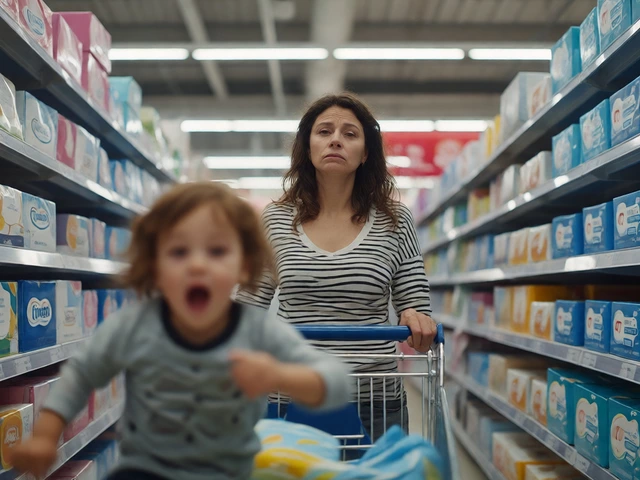
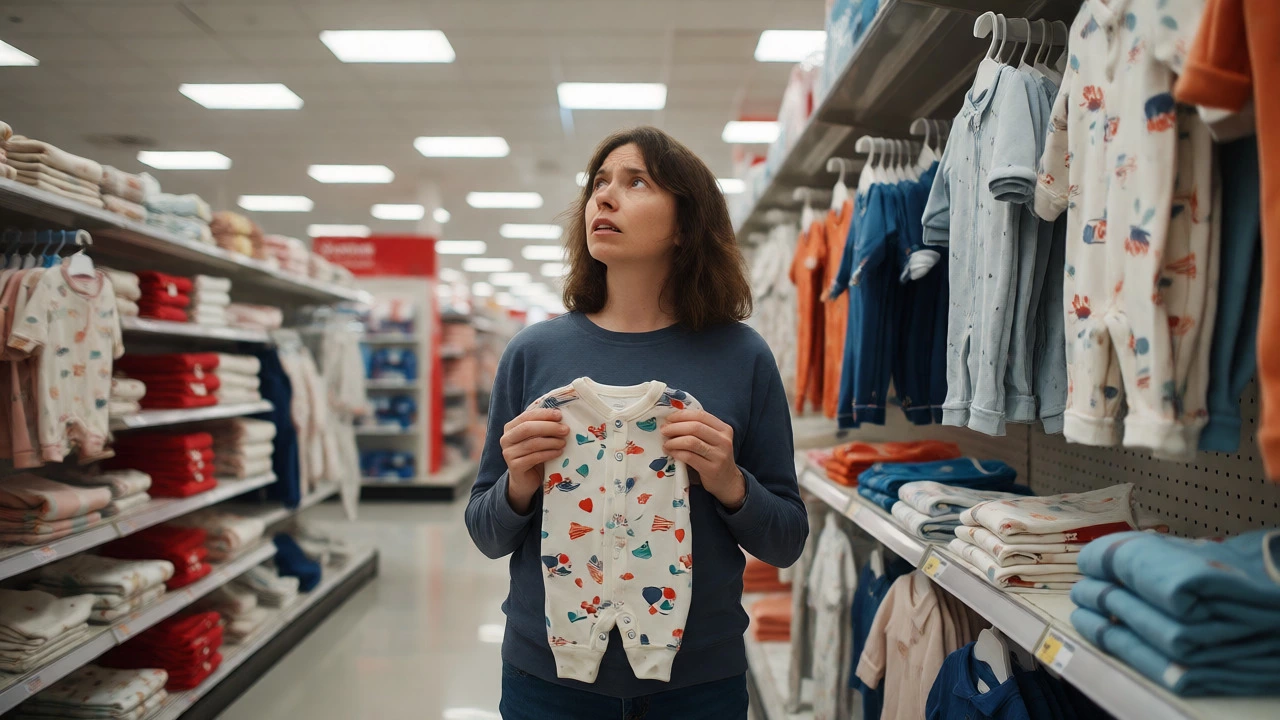
You are standing in the aisle of an American Target or Walmart, staring at a wall of tiny cotton suits. You need a baby grow - that one-piece outfit with snap buttons up the legs and a fold-over mitten cuff on the sleeves. But you can’t find it. Why? Because if you ask for a "baby grow" in the United States, you will get blank stares. The term is distinctly British. In America, this essential piece of infant wardrobe goes by several other names, depending on who you ask and exactly what the garment looks like.
This linguistic gap causes real headaches for parents moving between the UK and US, or for those shopping online across borders. Misunderstanding these terms leads to buying the wrong size, the wrong material, or the wrong closure type. It’s not just about vocabulary; it’s about functionality. A "sleeper" might have zippers, while a "onesie" might be short-sleeved and lack leg coverage entirely. Knowing the precise American equivalents ensures you dress your child comfortably and safely, regardless of which side of the Atlantic you are on.
The Direct American Equivalent: The Sleeper
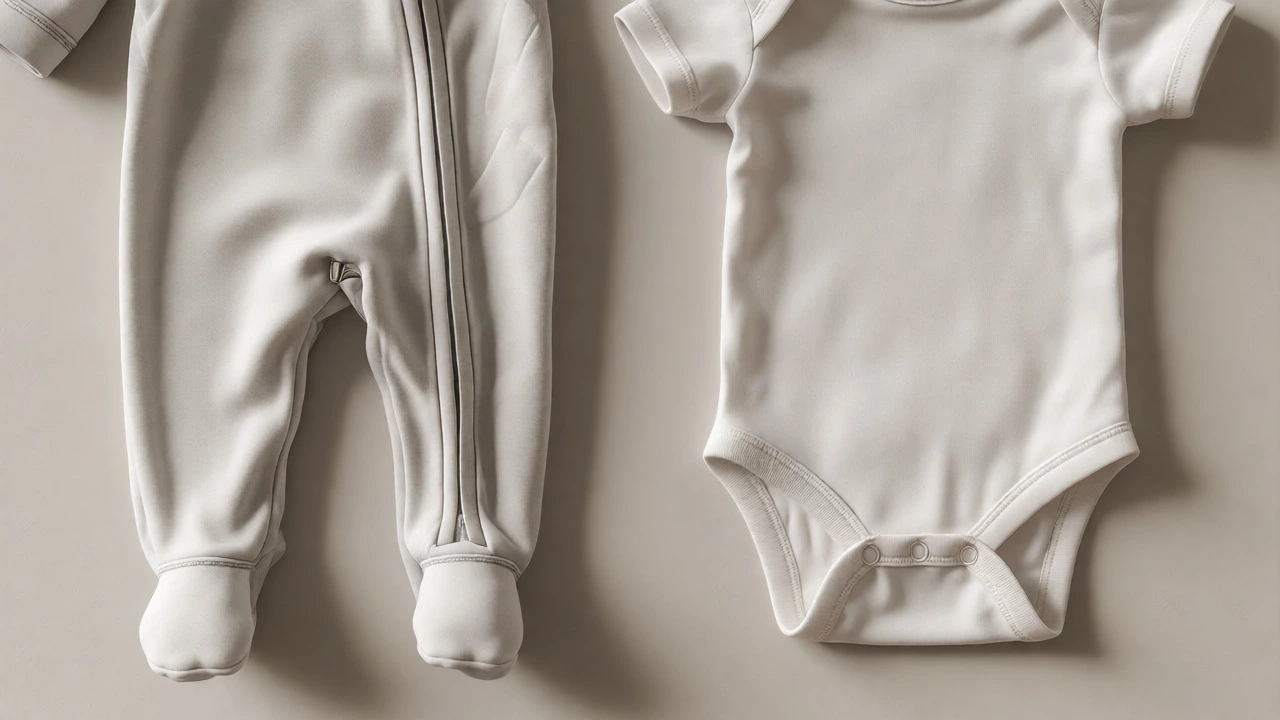
If you want the closest functional match to a British baby grow, you are looking for a sleeper. This is the standard term used by major American retailers like Carter’s, Gerber, and Huggies. Sleepers are designed specifically for sleep and naps, featuring long sleeves and full-length legs. They often include non-slip feet (booties) integrated into the bottom of the suit, though some versions have open ankles.
There are two main types of sleepers you will encounter:
- Zippable Sleepers: These feature a zipper running from the neck down to one ankle. This allows for quick diaper changes without removing the entire outfit. Many modern versions use two-way zippers, letting you unzip from the bottom up so you don’t expose your baby’s chest during late-night changes.
- Snap-Closure Sleepers: These mimic the traditional British style more closely, using snaps along the inseam and front. While slightly slower to change than zippers, they offer a softer feel against delicate skin and no hard zipper teeth near the chin.
When shopping in the US, check the label for "footed" or "non-footed." Footed sleepers keep toes warm, ideal for colder months or drafty rooms. Non-footed versions allow for separate socks, offering more flexibility as your baby grows out of sizes quickly.
The Brand Name That Took Over: Onesie
You cannot discuss American baby clothes without mentioning Onesie. Technically, "Onesie" is a trademarked brand name owned by Gerber Products Company. However, much like "Kleenex" or "Band-Aid," it has become the generic term for any one-piece baby bodysuit. But here is the critical distinction: a standard Onesie is usually short-sleeved and ends at the crotch. It does not cover the legs.
So, is a Onesie a baby grow? Not exactly. If you buy a standard short-sleeve Onesie thinking it is a full-body suit, you will end up with a bare-bellied baby unless you add pants. To get the full-coverage effect of a baby grow, you must look for specific variations within the Onesie category:
- Long-Sleeve Bodysuits: These extend to the wrists but still stop at the crotch. You need leggings or pants underneath.
- Footed Onesies: Some brands sell long-sleeve, footed bodysuits under the "Onesie" umbrella. These are effectively identical to British baby grows.
- Scratch Mittens: Unlike many UK baby grows which come with built-in fold-over cuffs, American Onesies rarely include them. You may need to purchase separate mittens or choose a sleeper with attached hands.
| UK Term | US Common Term | Key Feature | Best For |
|---|---|---|---|
| Baby Grow | Sleeper / Sleepsuit | Full body coverage, often footed | Sleep, cold weather |
| Vest | Bodysuit / Undershirt | Sleeveless, snaps at crotch | Layering under other clothes |
| All-in-One | Onesie (Footed) | One-piece, varies in sleeve length | Daytime wear, play |
| Sleepsuit | Sleep & Play | Durable fabric, easy access | Active toddlers, daycare |
Why the Terminology Confusion Exists
The divergence in language stems from historical manufacturing differences and marketing strategies. In the UK, the term "grow" likely evolved from the idea that the garment "grows" with the baby due to its stretchy fabric and adjustable snaps. In the US, the focus shifted heavily toward sleep safety and convenience. The term "sleeper" emphasizes the primary use case: nighttime rest.
Furthermore, American parenting culture has embraced a casual approach to naming. Brands like Carter’s dominate the market with their "Sleep & Play" line, which bridges the gap between pajamas and daytime outfits. These garments are made from thicker, more durable cotton than typical UK sleepsuits, designed to withstand crawling on hardwood floors and frequent washing. This durability aspect influences the naming convention-Americans prioritize the activity level implied by the name.
It is also worth noting regional variations within the US itself. In the South, you might hear "bunny suit," a colloquial term for a footed sleeper. In the Northeast, "jammies" is common for pajamas generally, including baby sleepers. Understanding these nuances helps when reading product reviews or asking local parents for recommendations.
Shopping Tips for Transatlantic Parents
If you are ordering from a US website while living in the UK, or vice versa, pay close attention to sizing charts. American baby sizes are often labeled by age (Newborn, 0-3 Months, 3-6 Months), whereas UK sizes frequently use height in centimeters or inches (56cm, 62cm). An American "0-3 Month" sleeper might fit differently than a UK "62cm" baby grow due to cut variations. American cuts tend to be boxier and wider in the hips to accommodate bulky disposable diapers, while UK cuts can sometimes be slimmer.
Here is a quick checklist to ensure you get the right item:
- Check the Closure Type: Decide if you prefer zippers (fast) or snaps (soft). Most US sleepers default to zippers now.
- Look for TOG Ratings: If you are used to UK thermal overall grades (TOG), note that US products rarely list this. Instead, check the fabric weight (e.g., "heavyweight fleece" vs. "lightweight jersey").
- Verify Foot Coverage: Ensure the item description says "footed" if you do not plan to buy separate socks.
- Read Reviews for Shrinkage: American cotton blends sometimes shrink more aggressively in high-heat dryers than UK standards. Wash before first use.
Related Garments You Might Be Looking For
Sometimes, what you think is a baby grow is actually a different category of clothing. Clarifying these distinctions prevents wasted money.
Vests in the UK are called Bodysuits in the US. These are the basic undershirts with snaps at the crotch. They never have legs. If you see "bodysuit" on a US site, do not assume it covers the legs.
Rompers are another popular US term. These are one-piece outfits with shorts instead of long pants. They are perfect for summer but offer no warmth for sleeping in cooler climates. Think of them as the American equivalent of a UK playsuit.
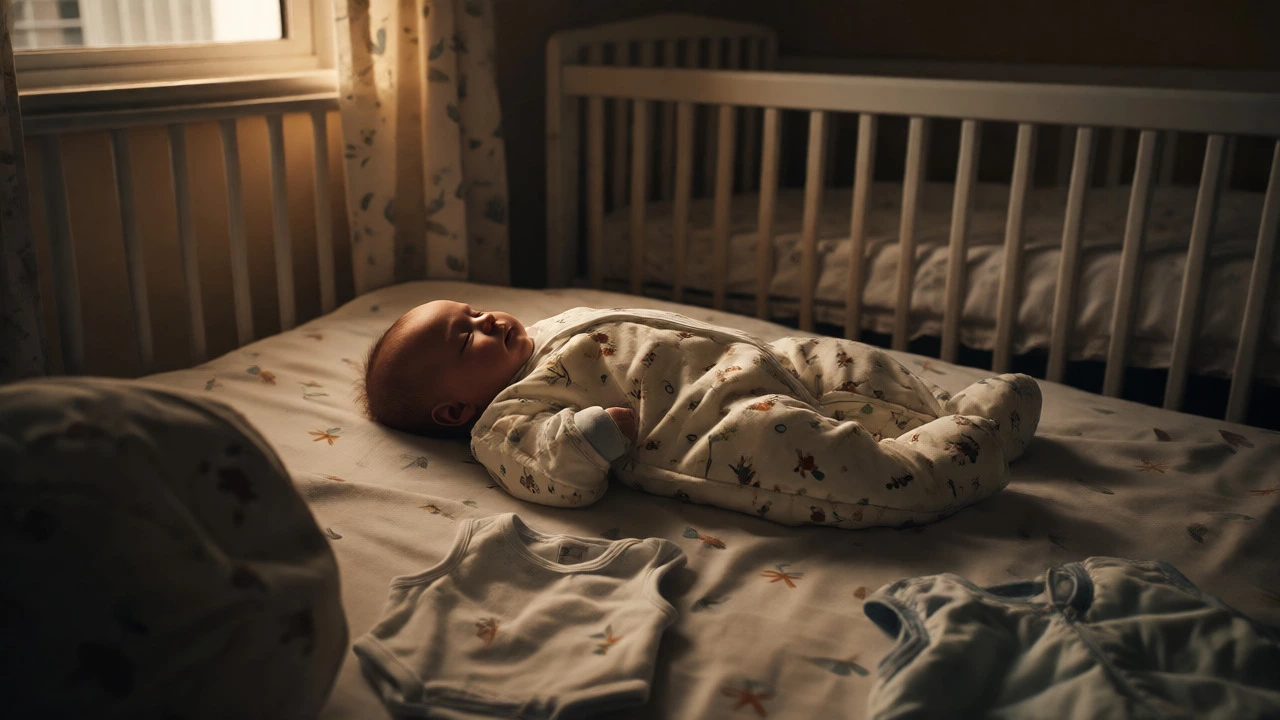
Finally, consider Swaddles. While not a garment in the same sense, many American parents transition directly from swaddling to sleep sacks rather than using traditional sleepers immediately. A sleep sack is a wearable blanket that replaces loose bedding in the crib, ensuring safety while keeping the baby warm. If you are struggling to keep your baby covered at night, a sleep sack worn over a thin bodysuit might be a better solution than a heavy baby grow.
Frequently Asked Questions
Is a onesie the same as a baby grow?
Not always. A standard American "onesie" is typically a short-sleeved bodysuit that stops at the crotch. A British "baby grow" covers the whole body, including legs. However, you can buy "footed onesies" or "long-sleeve onesies" in the US that function similarly to baby grows, but you must check the product description carefully to ensure it includes leg coverage.
What is the difference between a sleeper and a sleep suit?
In the US, these terms are often used interchangeably, but there are subtle differences. A "sleeper" usually refers to a lighter, thinner garment intended strictly for sleep. A "sleep suit" or "Sleep & Play" is made from thicker, more durable fabric designed to withstand daytime activities like crawling and playing. Both cover the full body, but sleep suits are tougher and less prone to tearing.
Do American babies wear vests?
No, the term "vest" is rarely used for baby clothes in the US. What Brits call a vest, Americans call a "bodysuit," "undershirt," or simply a "snap-up tee." If you ask for a vest in an American store, they might show you a sleeveless outerwear jacket or a formal waistcoat.
Which is better for newborns: zippers or snaps?
This depends on personal preference. Zippers are significantly faster for midnight diaper changes, reducing wake time for both parent and baby. Snaps are softer and eliminate the risk of zipper teeth scratching the baby's chin, but they require aligning multiple fasteners precisely. Many parents start with snaps for the first few weeks when movements are slow, then switch to zippers once the baby becomes more active.
Can I use British sizes in American stores?
You should convert measurements. American sizes are based on age ranges (e.g., 3-6 Months), while UK sizes often use height (e.g., 68cm). Generally, a UK 62cm fits a US 0-3 Months, and a UK 74cm fits a US 9-12 Months. Always check the specific brand's size chart because cuts vary significantly between manufacturers.