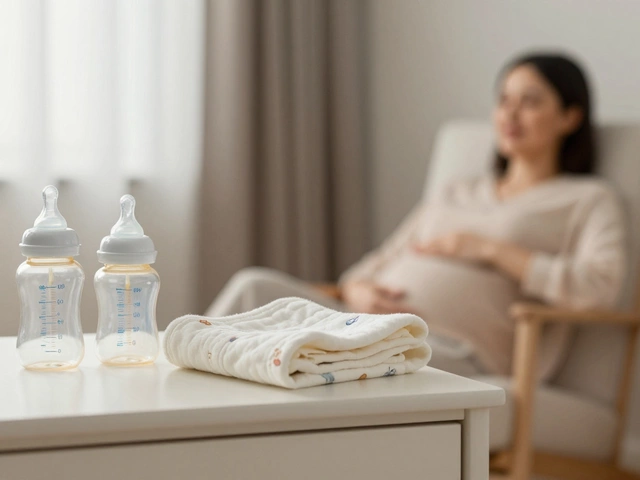
Nursery Furniture Cost: What You Really Need to Spend in the UK
When you’re setting up a nursery, a dedicated space for your baby’s sleep, play, and care, often starting with a crib and growing into a toddler-friendly room. Also known as a baby room, it’s one of the first big purchases new parents make. But here’s the thing: you don’t need to spend thousands to make it safe and cozy. In the UK, a basic but solid nursery setup can start from under £300 — and that includes a crib, changing table, and a comfy chair. Many parents think they need matching sets, fancy wardrobes, or designer rugs. The truth? Most of that is marketing. What matters is function, safety, and space.
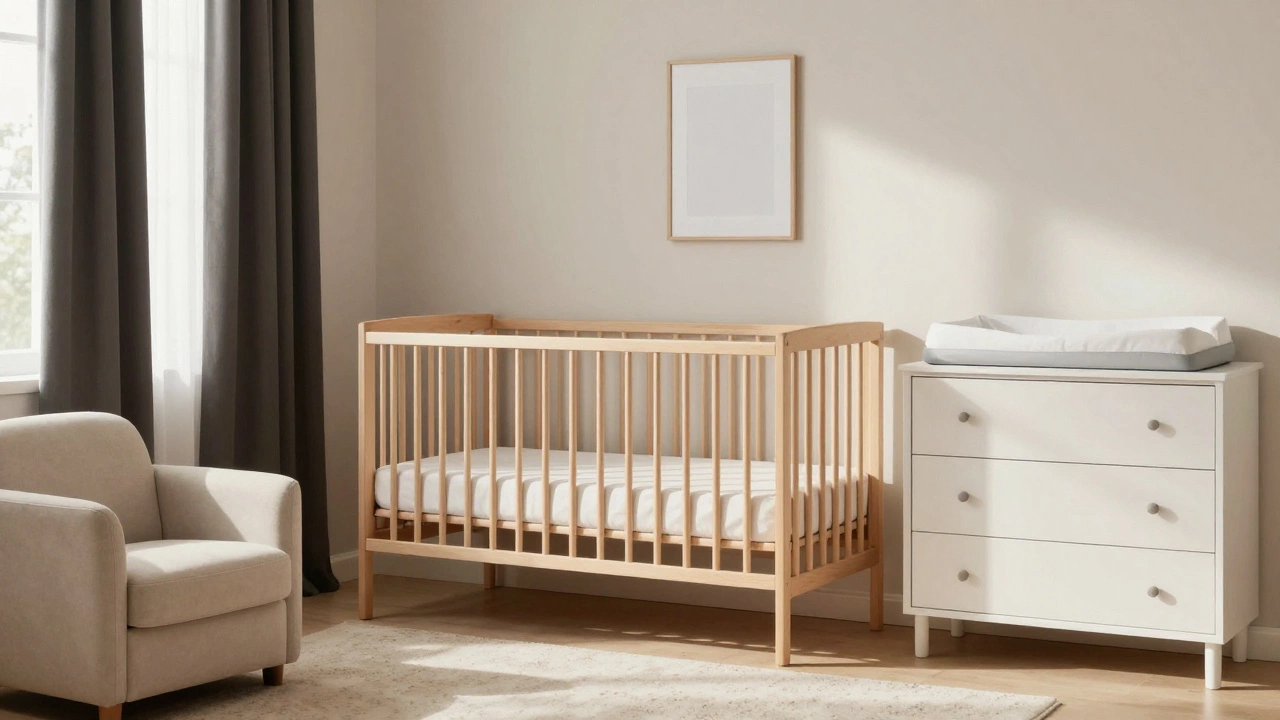
Let’s break it down. The biggest cost is usually the crib, a safe sleeping space for infants, often used until age 2 or 3. Also known as a cot, it’s the one piece you shouldn’t cut corners on. A good one costs between £150 and £300. Look for ones that meet UK safety standards (BS EN 1130), have fixed sides, and no drop rails. You can skip the fancy convertible cribs that turn into toddler beds — they’re expensive and often unnecessary. A simple toddler bed, a low, safe bed designed for children transitioning out of a crib, usually under 18 inches high with guardrails. Also known as a bed for 2-4 year olds, it’s easy to find for under £100 secondhand or £150 new. Many families just use a mattress on the floor with a safety rail. No need for a full bed frame.
Then there’s the changing table. You can spend £200 on a tall unit with drawers, or you can use a sturdy dresser with a changing pad on top — same function, half the price. The nursery decor, the visual elements like walls, lighting, curtains, and storage that create a calm, inviting space for babies. Also known as baby room styling, doesn’t need to be Instagram-worthy. Soft lighting, neutral walls, and one or two meaningful prints do the job. Avoid heavy curtains, cluttered shelves, or anything that collects dust. Your baby doesn’t care if the rug matches the crib. They care if they sleep well and you can change them without straining your back. Storage? A few open bins, a small shelf, and a closet with hanging organizers are all you need. Skip the £400 wardrobe with 12 drawers. You’ll be lucky if you use half of it.
What about the rocking chair? If you’re breastfeeding, a comfy chair is worth it — but not the £500 designer one. A simple, well-padded armchair from IKEA or a secondhand find works just fine. Add a footrest and a side table for your phone, water, and snacks. That’s it. You’re not building a showroom. You’re building a space that helps you survive sleepless nights and messy diaper changes.
And here’s the real secret: a lot of nursery furniture gets used for less than two years. Your baby grows fast. What looks perfect at six months might be too small by 18 months. That’s why buying secondhand, borrowing from friends, or choosing modular pieces makes sense. A good crib can last through multiple kids. A changing table? Not so much. You’ll likely stop using it before the baby turns two.
So how much should you actually spend? If you’re starting from zero, aim for £400–£600 total. That covers a safe crib, a changing station, a chair, storage, and basic lighting. You can go lower if you’re smart. You can go higher if you want to — but you won’t get better sleep, safer nights, or happier babies by spending more. The best nursery isn’t the most expensive one. It’s the one that works for you, fits your space, and lets you breathe a little easier at 3 a.m.
Below, you’ll find real guides from UK parents who’ve been there — from what to buy new versus secondhand, to how to stretch your budget without sacrificing safety, and even how to turn a spare room into a nursery that lasts as your child grows. No fluff. Just what works.
What Is the Average Cost of Furnishing a Nursery in 2025?
The average cost to furnish a nursery in 2025 is $2,800, but you can do it for under $1,200 with smart choices. Learn what you really need, where to save, and what to skip.
view more