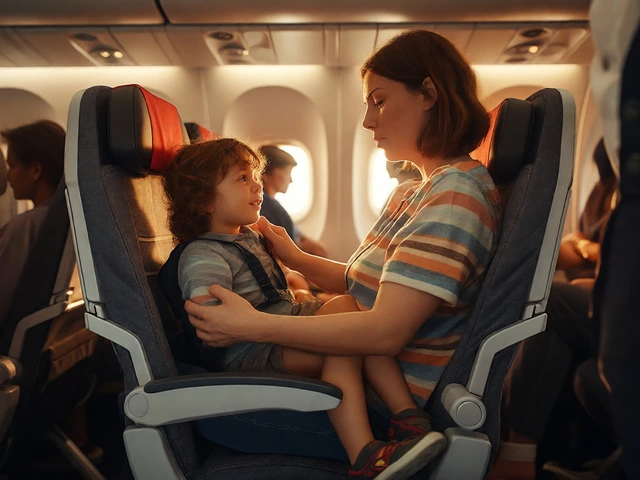
Parents often reach for a baby monitor because it feels like the only way to know if their little one is okay. But what if you don’t need one at all? Or what if there’s a simpler, quieter, or more natural way to stay connected without screens, wires, or constant alerts? The truth is, many families are moving away from traditional baby monitors-not because they’re unsafe, but because they’re not always necessary. There are real, working alternatives that work better for some households.
Just listen with your ears
Before you buy a monitor, ask yourself: can you hear your baby from another room? In most homes, especially older ones with thinner walls or open floor plans, you can. A baby monitor doesn’t replace your ears-it just adds noise. Many parents find that once they get used to their baby’s sounds, they wake up naturally at the first stir. No alerts. No lag. No battery life to worry about.
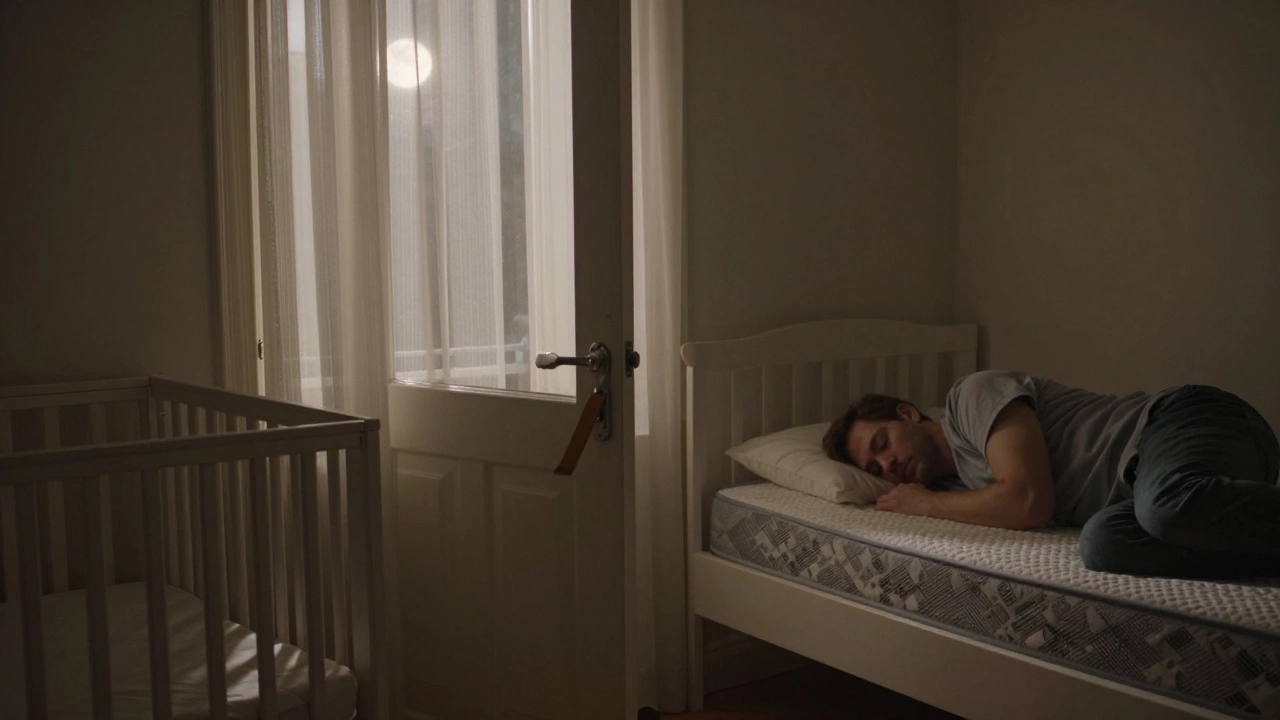
Try this: for a week, turn off your monitor and just sleep in the same house. Put your baby’s room on the same level as yours. If you’re still worried, sleep on a mattress in the nursery for one night. You’ll be surprised how quickly you learn to recognize the difference between a grunt and a cry. This isn’t just anecdotal-studies from the American Academy of Pediatrics show that parents who rely on natural hearing report better sleep quality than those who depend on monitors.
Use smart speakers with voice detection
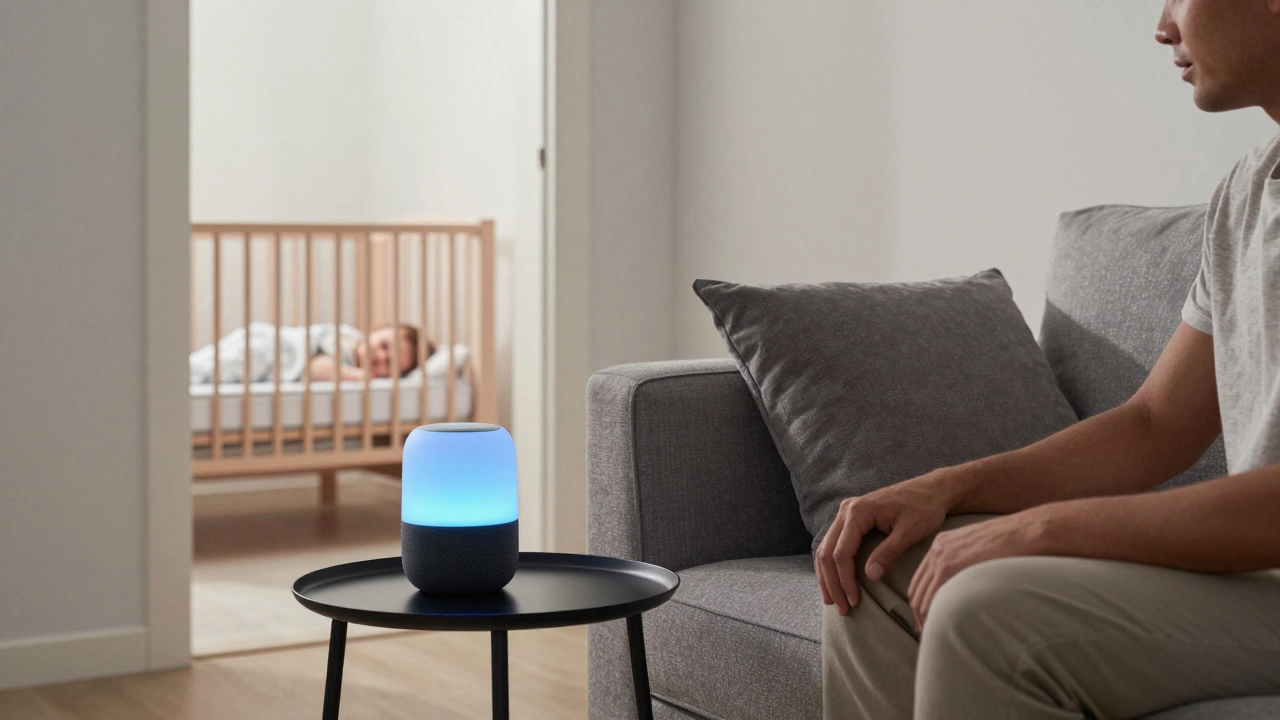
If you want tech, but not a dedicated monitor, try a smart speaker. Devices like Amazon Echo or Google Nest can pick up sounds and send alerts to your phone. Set them to listen for crying, not just movement. Some models even let you create custom sound triggers-like a specific cry pattern or prolonged fussing.
Unlike traditional video monitors, these don’t stream live footage. That means no risk of hacking, no constant Wi-Fi drain, and no screen glow in your baby’s room. You get audio alerts only when it matters. Plus, you can use them for other things-play lullabies, check the weather, or set timers-all without adding another device to your nursery.
Go low-tech: door wedges and open doors
One of the oldest and most effective methods? Keep the nursery door slightly open. Not wide open-just cracked. A small gap lets sound travel naturally. Add a door wedge so it stays put. This works especially well if you’re sleeping nearby. No batteries. No apps. No setup.
Pair this with a baby gate. If your baby is old enough to be in a crib, a gate lets you check on them without fully entering the room. A quick glance from the doorway tells you more than a pixelated video feed. You can see if they’re breathing normally, if their blanket is pulled over their face, or if they’re just fussing and might settle on their own.
Wear your baby during the day
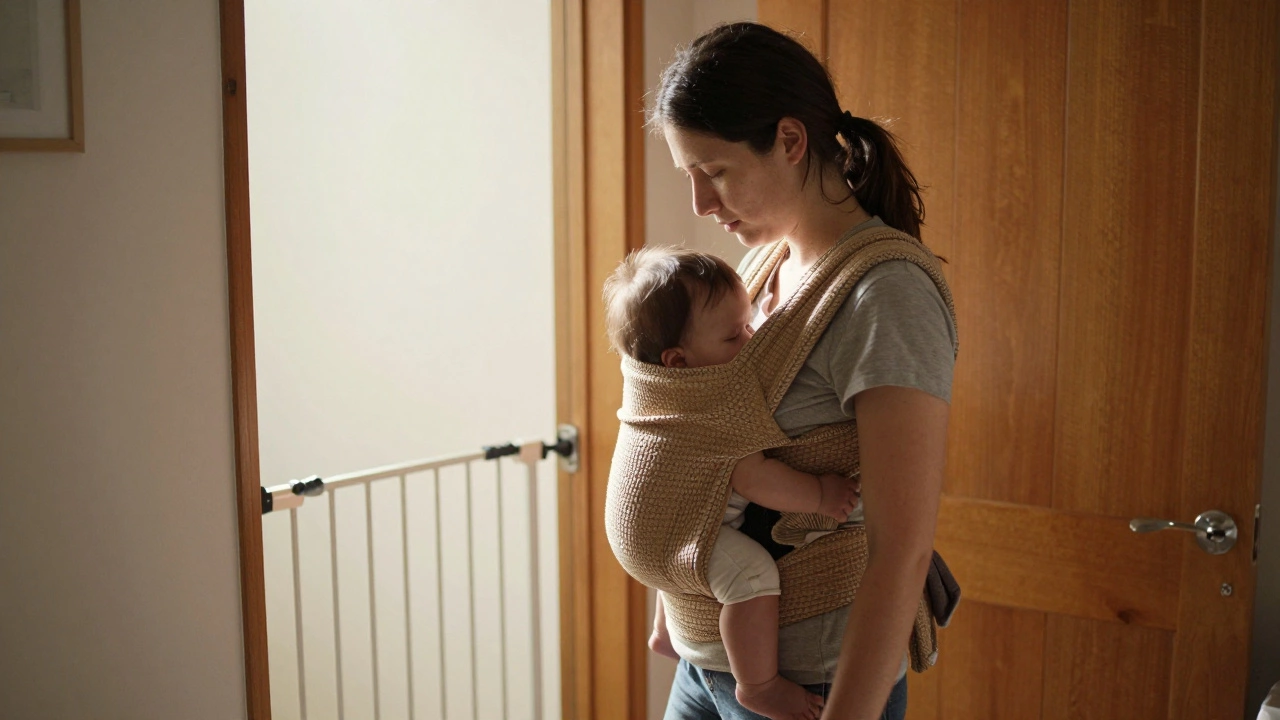
For parents who use monitors because they’re afraid of missing cues, babywearing might be the real solution. Carrying your baby in a sling or carrier during the day means you’re always in tune with their movements, breathing, and sounds. You feel their shifts, their sighs, their sudden stillness. This builds instinctive awareness that lasts into nighttime.
Research from the University of California shows that parents who wear their babies during waking hours are less likely to panic at night. Why? Because they’ve already trained their brain to recognize normal baby behavior. It’s not magic-it’s muscle memory. And once you’ve built that connection, a monitor becomes optional, not essential.
Try a non-electronic sleep tracker
There are now wearable devices designed for babies that don’t use cameras or Wi-Fi. These are soft, fabric-based sensors that fit into socks or onesies. They measure heart rate and breathing patterns using gentle pressure sensors, not cameras. If something changes, they vibrate slightly on the baby’s body and send a quiet alert to your phone.
Unlike video monitors, these don’t record video. They don’t store data in the cloud. They’re designed for safety, not surveillance. Brands like Owlet (the Smart Sock) and Nanit (with a separate sensor) offer these options. They’re not for every family, but for parents who want data without the creepiness, they’re a middle ground.
Trust your instincts-and your space
The biggest myth about baby monitors is that they’re necessary for safety. They’re not. Babies have been monitored by parents for thousands of years without electronics. What changed? We started living in bigger houses. We started working longer hours. We started trusting gadgets more than our own senses.
Here’s what actually keeps babies safe: a firm mattress, no loose blankets, no toys in the crib, and a room that’s not too hot. Those are the real safety rules. A monitor doesn’t prevent SIDS. Good sleep habits do.
Many parents who ditched their monitors say the same thing: they sleep better. Not because they’re more confident, but because they’re less anxious. The constant beeping, the flickering screen, the fear of missing something-they became part of the problem, not the solution.
When you still might need one
There are exceptions. If you live in a multi-story home with thick walls, if your baby has a medical condition, or if you’re a single parent juggling multiple kids, a monitor can still be helpful. It’s not about abandoning tech-it’s about choosing the right tool for your life.
For example, if you’re using a sound machine and a white noise app, a monitor with a built-in speaker can help you adjust volume remotely. If you’re working from home and need to know when your baby wakes up without leaving your desk, a simple audio-only monitor might be the least disruptive option.
But ask yourself: is it solving a real problem-or just adding another thing to worry about?
What most parents don’t tell you
One of the quietest trends in parenting right now is the move away from surveillance. More families are choosing presence over proximity. They’re spending more time with their babies during the day so they don’t need to check on them at night. They’re sleeping closer. They’re trusting their instincts. And they’re sleeping better.
There’s no one-size-fits-all answer. But if you’re feeling overwhelmed by gadgets, start small. Turn off your monitor for one night. Just listen. See what happens. You might find that your baby doesn’t need you to watch them-you just need to be near enough to hear them.
Can I use my phone as a baby monitor?
Yes, but with limits. You can use apps like Baby Monitor 3G or similar tools that turn your phone into an audio or video receiver. But phones aren’t designed for overnight use. They overheat, drain battery fast, and can get hacked if connected to public Wi-Fi. For occasional use-like checking on a baby while you’re in the backyard-it’s fine. For nightly use, a dedicated device or no device at all is safer.
Are baby monitors necessary for newborns?
No. Newborns sleep in short cycles and wake often. Most parents can hear or feel their baby’s movements without a monitor, especially if the baby is in the same room. The AAP recommends room-sharing without bed-sharing for the first six months. In that setup, you don’t need a monitor-you just need to be close.
Do baby monitors prevent SIDS?
No. There’s no evidence that baby monitors prevent Sudden Infant Death Syndrome. The best ways to reduce SIDS risk are: placing the baby on their back, using a firm mattress, keeping the crib empty, avoiding overheating, and breastfeeding if possible. Monitors may give peace of mind, but they don’t change medical risk factors.
What’s the safest baby monitor alternative?
The safest alternative is proximity. Sleeping in the same room, keeping the door open, and using natural sound cues are the most reliable, low-risk methods. If you want tech, choose a non-video, non-WiFi audio tracker like a smart speaker with voice detection. Avoid anything that streams video or stores data online unless you fully understand the privacy risks.
When should I stop using a baby monitor?
There’s no set age. Many families stop when their child moves to a big kid bed or starts sleeping through the night without fussing. Others stop when they feel confident hearing their child naturally. A good rule of thumb: if you haven’t used it in two weeks, it’s probably not needed. Try turning it off for a month. If you don’t miss it, you didn’t need it.