
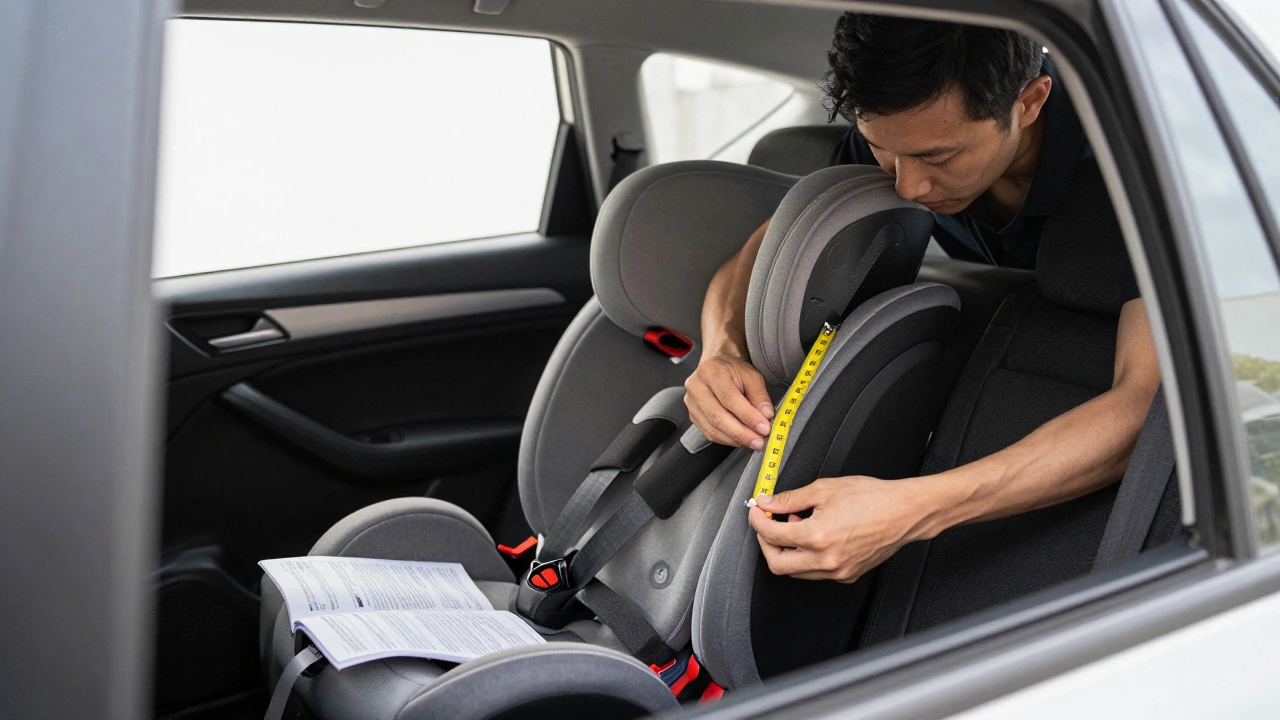
Car Seat Fit Calculator
Vehicle & Car Seat Dimensions
Getting a car seat that fits your car isn’t just about buying the right one-it’s about making sure it actually works in your vehicle. Too many parents assume that if a seat is approved for use, it’ll fit. That’s not true. A seat that doesn’t install properly can be just as dangerous as not using one at all. If you’ve ever struggled to buckle a car seat tightly, or noticed it wobbles when you push it, you’re not alone. Here’s how to know for sure whether your car seat will fit your car-before you leave the store or unbox it online.
Start with the car seat’s dimensions
Not all car seats are the same size. Some are wide, others are tall, and a few are designed to be slim for smaller cars. If you’re shopping online, look for the exact width, depth, and height of the seat. Most manufacturers list these in the product specs. For example, the Britax One4Life measures 21 inches wide at its broadest point, while the Chicco KeyFit 30 is only 17 inches wide. That 4-inch difference can make or break your fit in a compact sedan like a Honda Fit or Toyota Yaris.
Measure the space between your car’s seatbacks. If the gap is less than 22 inches, go for a narrower seat. Wide seats can press into the door panels or interfere with the center console, making it impossible to close doors or use cup holders. Also, check the depth of the seat-some infant seats have long bases that push the front seat too far forward, making it hard for the driver to reach the pedals.
Check the seat belt path and LATCH anchors
Every car seat has a specific way it’s meant to be installed: either with the vehicle’s seat belt or with LATCH (Lower Anchors and Tethers for Children). Your car must have working anchors in the right places. Most cars made after 2002 have LATCH, but not all positions do. In many SUVs and hatchbacks, the middle rear seat doesn’t have lower anchors at all. Some older cars only have them on the outboard seats.
Before buying, look up your car’s manual. It’ll show you where the LATCH anchors are located and whether they’re rated for the center seat. If your car doesn’t have anchors in the position you want to use, you’ll need to use the seat belt. That’s fine-but not all car seats install well with seat belts. Some have rigid LATCH-only bases. Always check the car seat manual to see which installation method it supports.
Test the installation before you buy
Most big retailers like Target, Walmart, or Baby Gap let you test car seats in-store. Bring your car’s manual with you. Ask an employee if you can install the seat in a demo car or bring your own car to the store. Don’t just click it in-try to get it snug. Push down on the seat with your body weight while tightening the strap. Then, try to move it side to side or front to back. A properly installed seat shouldn’t move more than an inch in any direction.
If you’re buying online, look for stores with generous return policies. Some brands like Graco and Diono offer free returns if the seat doesn’t fit. Keep the original packaging and all labels. You might need to return it if the seat doesn’t work in your car after you install it at home.
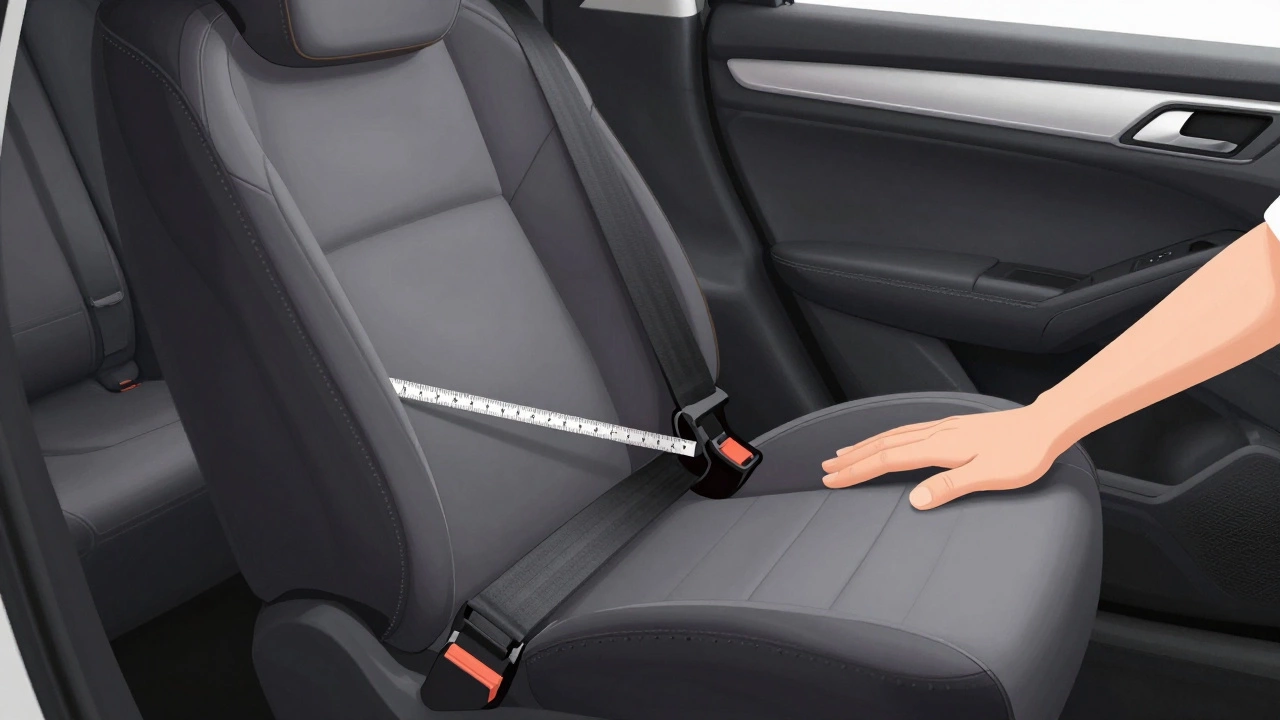
Use the car seat’s belt path correctly
Car seats have different belt paths for rear-facing and forward-facing use. If you’re using a convertible seat, make sure the belt path you choose matches how you plan to use it. A common mistake is routing the seat belt through the forward-facing path when the child is still rear-facing. That can cause the seat to tilt or not lock properly.
Also, check for the seat belt’s locking mechanism. Older seat belts may not lock automatically. You might need a locking clip (which comes with the seat) to keep the belt tight. Newer cars have built-in lock-offs on the seat belt retractor. If you’re unsure, tug the belt after installation. If it pulls out easily, it’s not locked. If it’s stiff and won’t slide, you’re good.
Look for interference with other parts of the car
A seat that fits perfectly on paper might still bump into something in your car. The most common conflicts are:
- Center console-some seats sit too high and hit the armrest
- Headrests-tall seats can lift the headrest, making it unusable or unsafe
- Seatbelt buckles-some car seats block the buckle, making it hard to fasten
- Door handles-wide seats can prevent doors from opening fully
- Seat heaters or ventilation-some seats don’t work well with heated seats because the base doesn’t lie flat
Try installing the seat with all the accessories your car has. Turn on the heat, adjust the headrest, and open the doors. If anything feels tight or restricted, it’s a red flag.
Check for stability with a second seat
If you have multiple kids and plan to install more than one car seat, test them together. A seat that fits alone might crowd another one. For example, installing a wide booster next to an infant seat in the back row can leave no room for the child to get in and out. The middle seat is often the most cramped. If you’re putting two seats side by side, make sure each one can still be installed tightly without pushing into the other.
Some cars have a narrow back seat that only fits two car seats. Others, like the Subaru Outback or Ford Explorer, have wide, flat seats that can handle three. If you need three seats, check your car’s manual for the maximum number of car seats allowed per row.
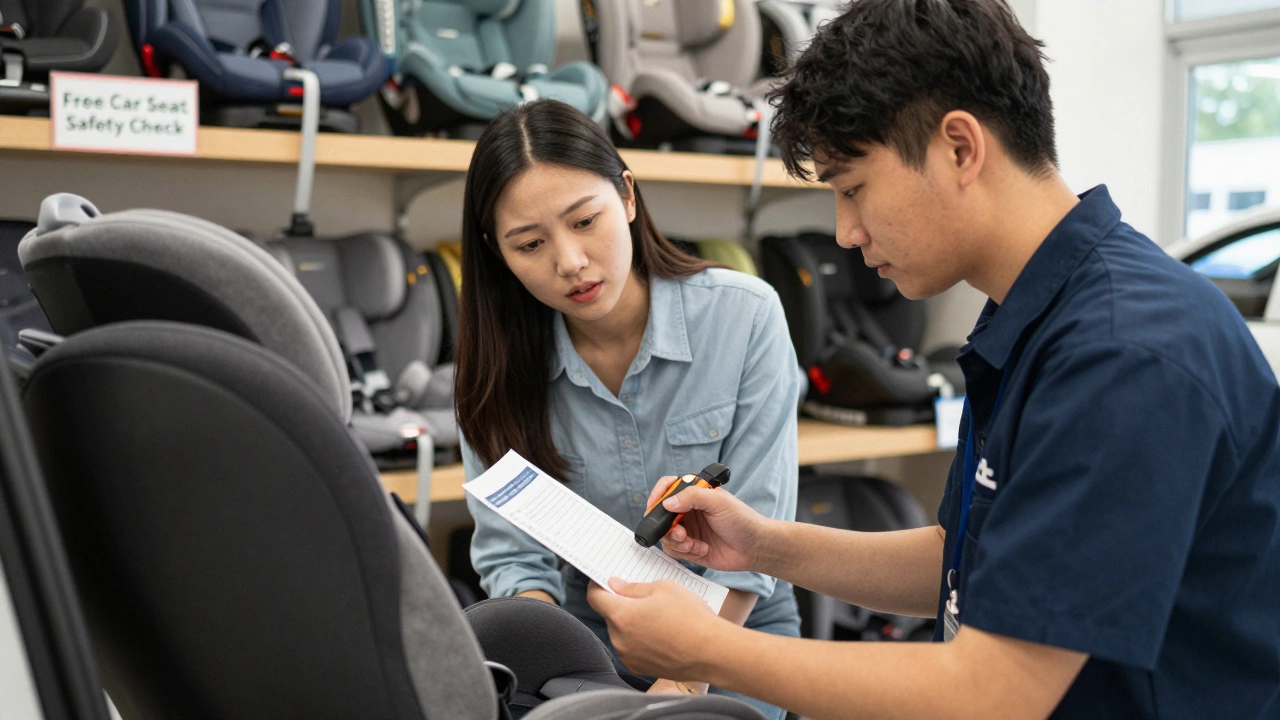
Use a professional inspection
Many fire stations, hospitals, and community centers offer free car seat inspections. Certified technicians will check your installation, make adjustments, and tell you if your seat is compatible. In the UK, you can find these through the Royal Society for the Prevention of Accidents (RoSPA) or local child safety groups. They’ve seen hundreds of installations and know which seats work best with which cars.
Don’t skip this step. Even if you think you’ve got it right, a second pair of eyes can catch hidden problems-like a twisted harness or a loose tether. It takes 15 minutes and could save your child’s life.
Don’t rely on online reviews alone
People write reviews like “fits my Prius!” or “too big for my Civic.” But those are just one person’s experience. Your car might be the same model, but have different seat shapes, cushion thickness, or belt routing. A seat that fits a 2020 Toyota Corolla might not fit a 2023 version due to interior redesigns. Always check your specific year, make, and model.
Look for reviews that mention exact details: “installed in the center of a 2021 Honda CR-V with LATCH,” or “seat belt locks perfectly in rear-facing mode.” Generic reviews like “great seat!” don’t help you decide.
Final checklist before you commit
Here’s what to verify before you buy:
- Does the seat’s width fit between your car’s door panels?
- Do the LATCH anchors exist in the position you want to use?
- Can you install the seat tightly (less than 1 inch of movement)?
- Does the seat interfere with headrests, seat belts, or consoles?
- Can you access the buckle and adjust straps easily?
- Will it fit with another car seat side by side?
- Does the manual say it’s compatible with your car’s belt system?
If you answered yes to all of these, you’re good to go. If even one is a no, keep looking. There’s no such thing as a one-size-fits-all car seat. The right one for your child is the one that fits your car-and that’s the one you need to find.
Can I install a car seat in the front passenger seat?
In the UK, children under 12 must sit in the back unless there’s no rear seat or all rear seats are taken by other children. If you must use the front, the airbag must be turned off, and the seat must be pushed as far back as possible. Most rear-facing seats are not safe in the front even with the airbag off. Always check your car and car seat manuals before doing this.
Do all car seats fit in every car?
No. Even seats that meet safety standards can have compatibility issues. Factors like seat shape, belt path, LATCH anchor placement, and interior space vary between models. A seat that fits perfectly in a Ford Mustang won’t necessarily fit in a Mini Cooper. Always test before buying.
Is it better to use LATCH or seat belt?
Both are safe when used correctly. LATCH is often easier because it doesn’t require locking the seat belt. But if your car doesn’t have LATCH anchors in the position you want, or if the seat belt gives a tighter fit, then use the seat belt. The key is getting the seat snug-no more than 1 inch of movement in any direction.
How do I know if my car seat is installed too loosely?
Try to move the seat side to side and front to back at the belt path. If it moves more than one inch (about the width of your palm), it’s too loose. Also, if you can easily pull the seat belt out after tightening, it’s not locked. A properly installed seat should feel like part of the car.
Can I use a car seat that’s been recalled?
Never. If your car seat has been recalled, stop using it immediately. Check the manufacturer’s website or the UK’s recall database (https://www.gov.uk/recalls) using the model and serial number. Most recalls are for safety issues like harness failures or base instability. You’ll usually get a free repair kit or replacement.