
Neurodiversity in Children: Understanding Different Ways Kids Think and Learn
When we talk about neurodiversity in children, the natural variation in how human brains process information, learn, and behave. Also known as brain diversity, it’s not a disorder—it’s a normal part of human difference, just like height or eye color. Kids with neurodiversity don’t need to be fixed. They need to be understood.
Many of the children you’ll see in schools, playgrounds, and homes fall under this umbrella. Some are autistic children, those who experience the world through heightened senses, deep focus on interests, or different ways of communicating. Others might be ADHD in kids, children whose brains move quickly, struggle with sitting still, or get distracted easily—not because they’re misbehaving, but because their nervous system works differently. Then there are kids with dyslexia, sensory processing differences, or other learning variations. All of these are part of the same big picture: brains that don’t follow the standard model, and that’s okay.
What most parents and teachers don’t realize is that neurodiversity isn’t something you diagnose and then manage with strict rules. It’s something you observe, adapt to, and celebrate. A child who talks nonstop about trains isn’t being obsessive—they’re deeply engaged. A kid who can’t sit through dinner might be overwhelmed by the noise, not defiant. A child who avoids eye contact isn’t being rude—they’re focusing better without it. These aren’t problems to solve. They’re clues to how your child thinks.
The posts below don’t give you checklists or quick fixes. They give you real, grounded insights from parents and experts who’ve walked this path. You’ll find guides on car seats that work for kids with sensory needs, safe sleep setups for children who hate being swaddled, and how to pick toys that don’t overstimulate. There’s advice on potty training timelines that match a child’s pace, not a calendar, and how to choose clothing that doesn’t feel like sandpaper to sensitive skin. These aren’t "special needs" tips—they’re practical adjustments for kids whose brains just work differently.
There’s no one-size-fits-all approach to raising a neurodiverse child. But there is a path forward: one built on observation, patience, and real-world solutions. What you’ll find here isn’t theory. It’s what works for families right now, in real homes, with real kids who think, feel, and move in their own way.
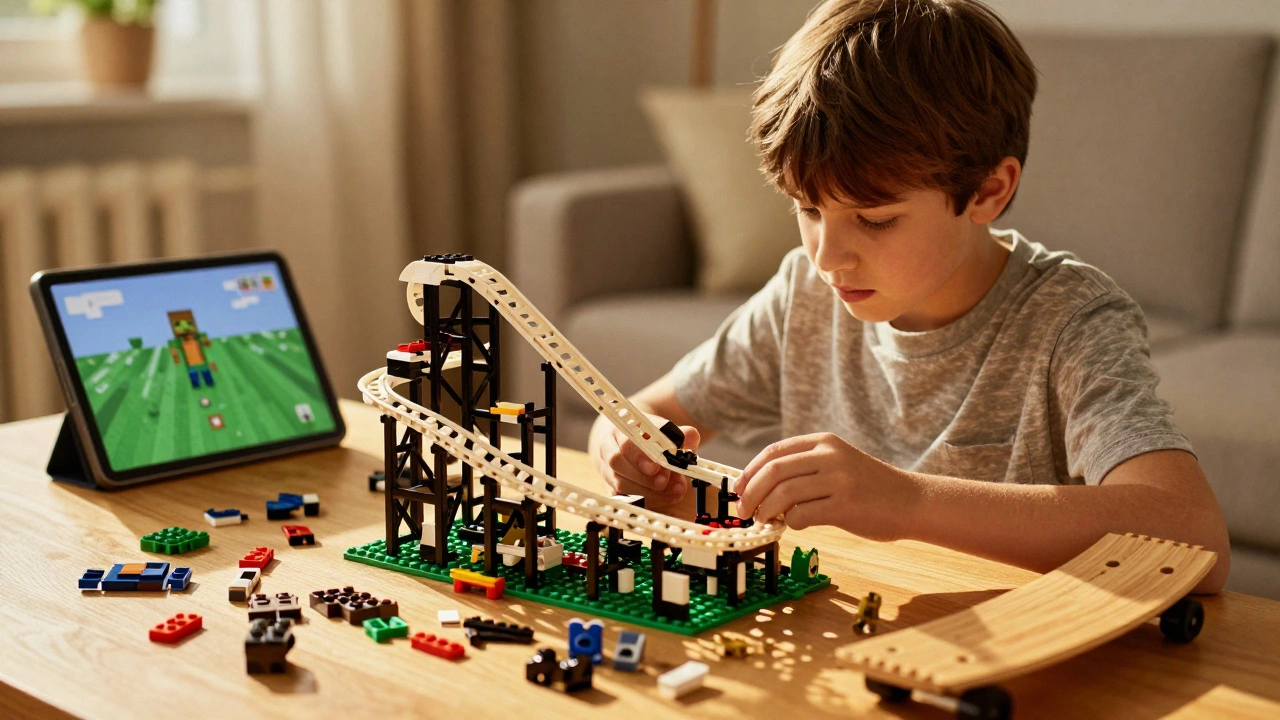
What Are the 5 Gifts of ADHD? Unlocking Strengths in Kids With Attention Differences
ADHD isn't a deficit-it's a different way of thinking. Discover the 5 hidden gifts of ADHD in children and how the right educational toys can help them thrive by turning energy, creativity, and resilience into strengths.
view more