ADHD Gift Match Finder
Discover Your Child's ADHD Strengths
Select behaviors you observe in your child to identify which ADHD gifts might be strongest. The more you select, the better we can match to the right educational tools.
Your Child's ADHD Gifts
Hyperfocus
Deep, immersive focus on passions
High Energy
Movement as cognitive fuel
Creativity
Makes unexpected connections
Empathy
Emotional radar
Resilience
Grit from struggle
Most people think of ADHD as a problem to fix-fidgeting, distraction, impulsivity. But what if those same traits are actually superpowers in disguise? Kids with ADHD don’t need to be molded into neurotypical versions of themselves. They need environments that let their natural wiring shine. The truth is, ADHD comes with five powerful gifts that, when understood and supported, can turn what looks like chaos into creativity, energy, and innovation.
Hyperfocus: The Deep Dive Superpower
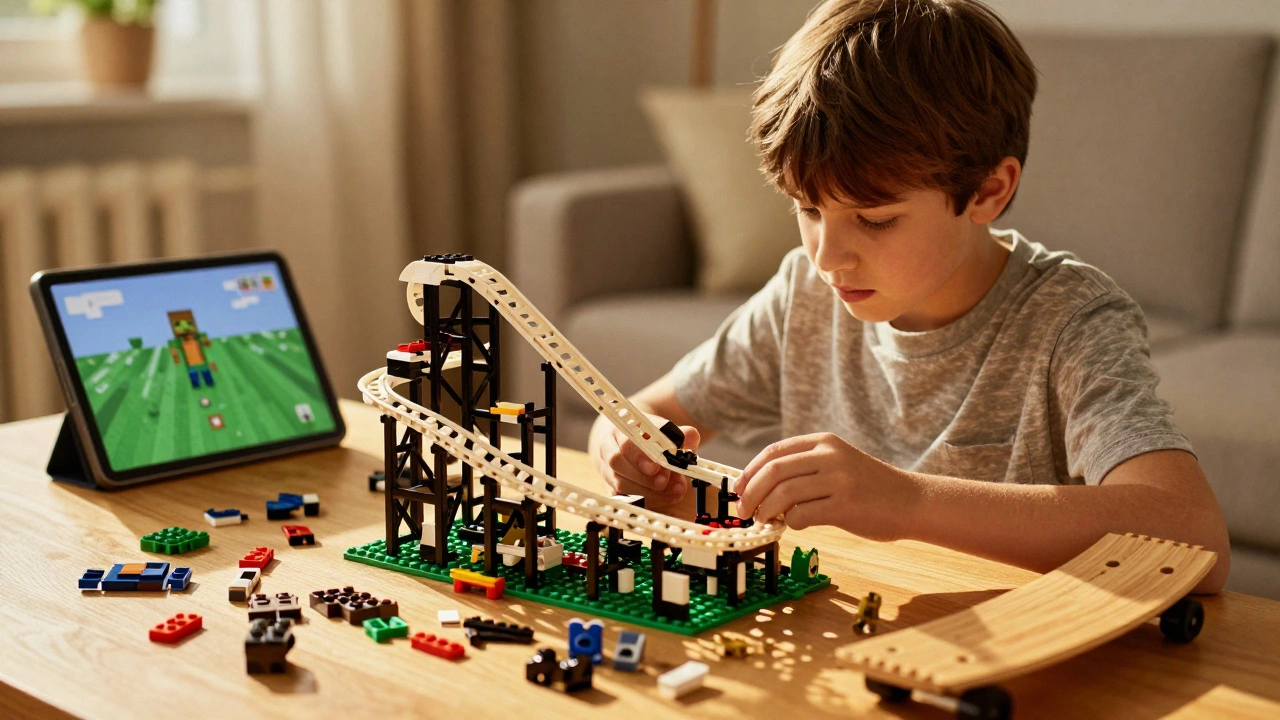
Forget the myth that people with ADHD can’t focus. They focus too hard-on the right things. Hyperfocus isn’t a glitch; it’s a feature. When a child with ADHD finds something that sparks their interest-building a LEGO castle, coding a game, drawing dragons-they can lose track of time for hours. This isn’t laziness. It’s deep, immersive engagement.
Think about a kid who can’t sit through math class but spends three hours designing a rollercoaster in Minecraft. That’s hyperfocus. That’s the same brain pattern that powers inventors, artists, and engineers. The trick isn’t to stop hyperfocus-it’s to guide it. Educational toys that offer open-ended play-like magnetic tiles, robotics kits, or digital design tools-give kids a safe space to channel this intensity. These aren’t just toys. They’re launchpads.
High Energy: The Movement Advantage
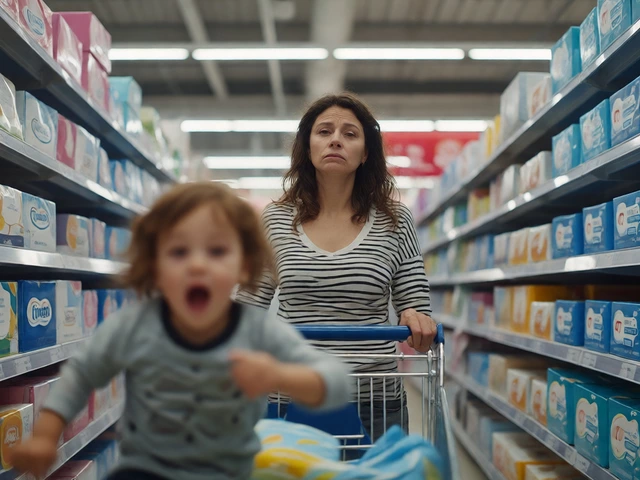
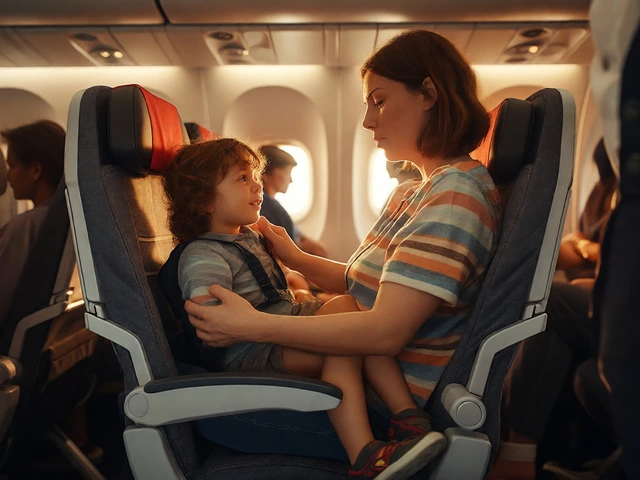
ADHD brains crave motion. Sitting still isn’t defiance-it’s torture. But that constant energy? It’s fuel. Kids with ADHD often move because their brains need sensory input to stay regulated. That’s why fidget spinners, balance boards, and weighted blankets work: they don’t suppress movement, they channel it.
Think of a child who can’t sit quietly during storytime but learns better while bouncing on a therapy ball. That’s not a behavior problem. That’s a learning style. Movement boosts dopamine and norepinephrine-chemicals that help focus. Toys that encourage physical activity aren’t distractions. They’re cognitive enhancers. A trampoline desk, a standing scooter board for homework, or even a simple resistance band tied to a chair leg can turn restlessness into productivity.
Creativity: The Idea Factory
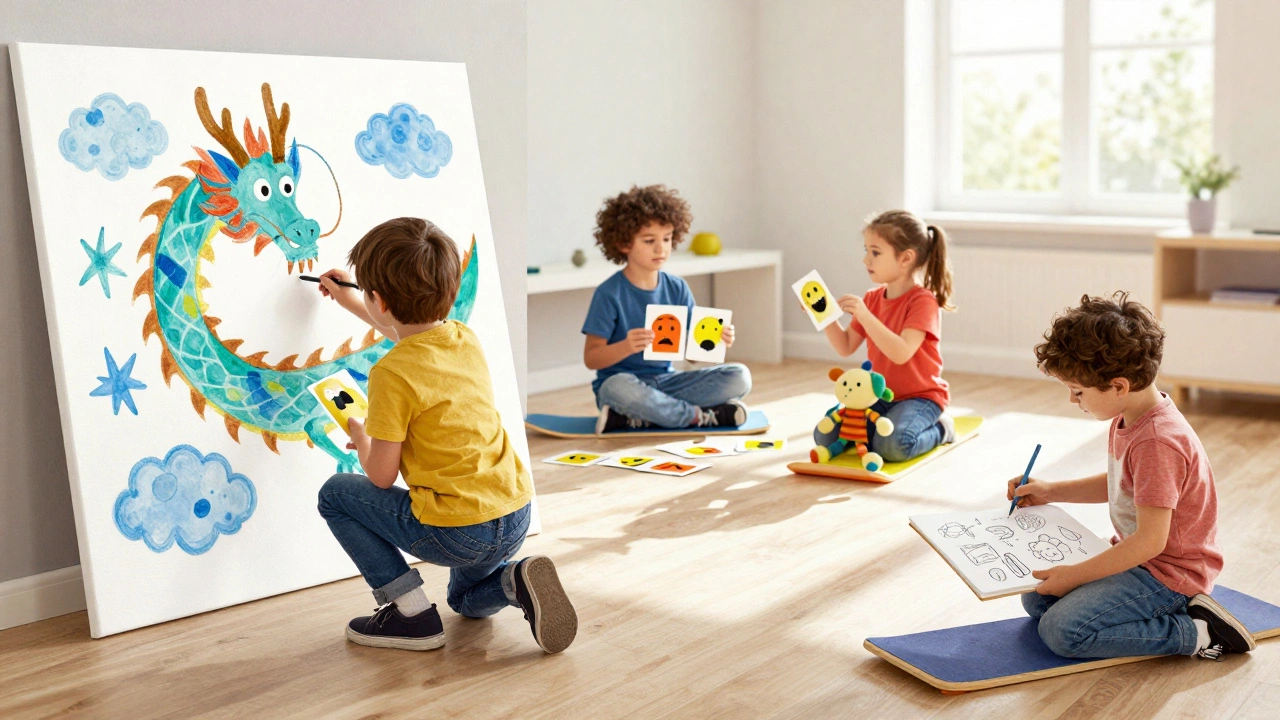
ADHD brains make unexpected connections. A child might see a cloud and say it looks like a dragon riding a rollercoaster. That’s not daydreaming-that’s divergent thinking. Studies show people with ADHD score higher on creativity tests. They see more possibilities, more angles, more wild ideas.
Traditional classrooms reward linear thinking. But the world needs nonlinear thinkers. Kids with ADHD are the ones who come up with the weird, brilliant solutions. Educational toys that encourage open-ended creation-art supplies, clay, storytelling dice, improv games-let that creativity breathe. A simple box of craft materials can become a spaceship, a time machine, or a new language. Let them build it. Don’t correct it.
Empathy: The Emotional Radar
Many assume ADHD means emotional detachment. The opposite is often true. Kids with ADHD are hyper-aware of emotional undercurrents. They pick up on tone shifts, body language, unspoken tension. They might cry when a friend is sad, or laugh uncontrollably in a quiet room because they sensed the absurdity no one else noticed.
This isn’t over-sensitivity. It’s emotional intelligence in overdrive. These kids notice when someone’s pretending to be okay. They feel things deeply. That’s why they often become the peacemakers, the artists, the storytellers. Toys that encourage role-play-puppet theaters, emotion cards, collaborative board games-help them process and express these feelings. They’re not just playing. They’re practicing human connection.
Resilience: The Grit That Comes From Struggle
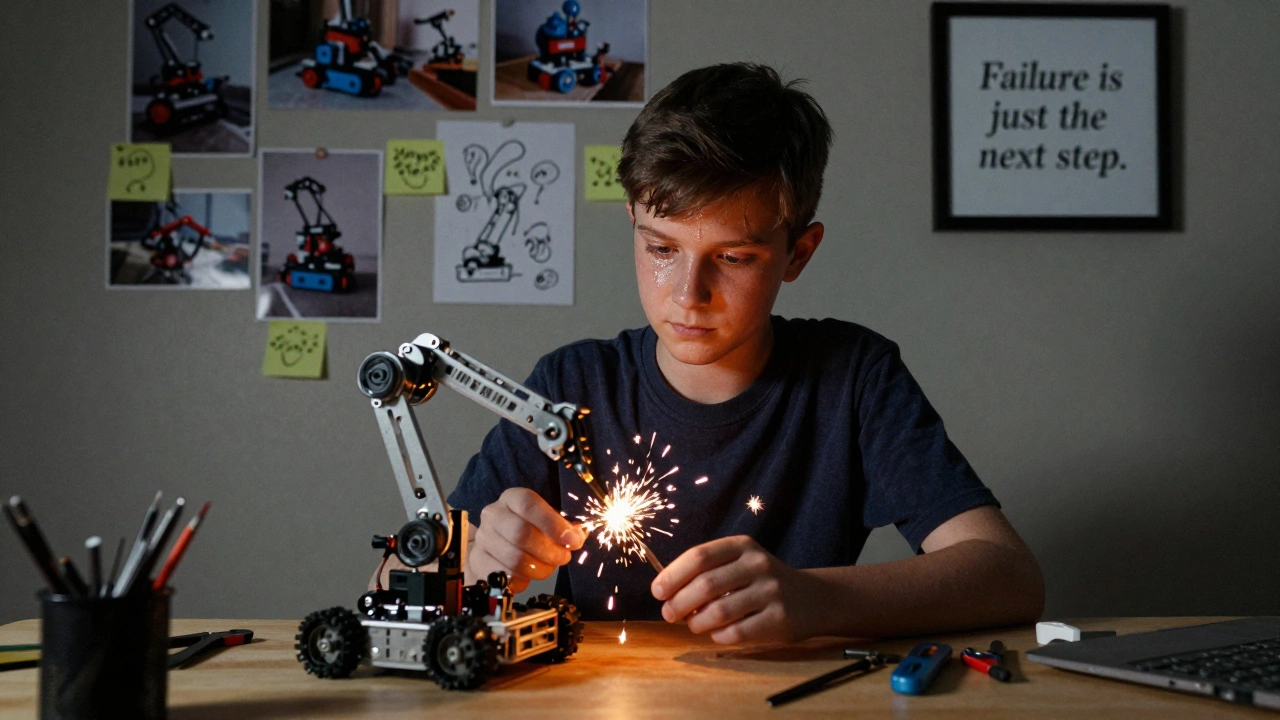
ADHD kids face more setbacks than most. Forgotten homework. Social missteps. Repeated corrections. They get told ‘no’ more often. But here’s the thing: they keep trying. They bounce back. Not because they’re taught to be tough, but because they’ve had to.
That’s resilience. Real, gritty, earned resilience. A child who fails at a puzzle three times but keeps rearranging the pieces isn’t stubborn. They’re persistent. Educational toys that offer incremental challenges-coding robots that glitch, science kits that don’t always work on the first try-teach problem-solving through failure. These aren’t toys for perfection. They’re tools for perseverance. And that’s the quiet gift no report card measures.
How to Support These Gifts Every Day
It’s not about fixing ADHD. It’s about designing a world where these gifts aren’t buried under rules meant for a different kind of brain.
- Replace timed tests with project-based assessments. Let them build, draw, or record instead of bubble in answers.
- Offer choices. Instead of ‘Do your homework now,’ try ‘Do you want to start with math or science?’ Control reduces resistance.
- Use visual timers and checklists. Not to control, but to clarify. A child who can see the steps is less overwhelmed.
- Let them move. Standing desks, fidget tools, walking meetings during homework-movement isn’t a distraction. It’s the engine.
- Celebrate the weird. That wild story they told? Write it down. That strange invention? Photograph it. Their brain works differently. Honor that.
ADHD isn’t a deficit. It’s a different operating system. And like any system, it runs best when you understand its architecture-not when you try to install someone else’s.
Best Educational Toys for ADHD Gifts
Not all toys help. Some overwhelm. Some bore. These do the work:
- Magnatiles - Open-ended building that rewards spatial creativity and fine motor control.
- LEGO Education SPIKE Prime - Combines coding, engineering, and storytelling. Perfect for hyperfocus.
- Emotion Cards by ChildsPlay - Helps kids name and process feelings they sense but can’t explain.
- Balance Board with Desk Attachment - Lets movement fuel focus during quiet tasks.
- DIY Science Kits (like Thames & Kosmos) - Encourage trial, error, and reset. Built for resilience.
These aren’t ‘ADHD toys.’ They’re human toys. Toys that work for brains that think differently. And honestly? They work for every kid.
Why This Matters Beyond Childhood
These gifts don’t disappear at 18. The hyperfocus becomes deep work. The creativity becomes innovation. The resilience becomes leadership. The energy becomes drive. The empathy becomes connection.
When we label ADHD as a disorder, we risk losing the next generation of artists, entrepreneurs, inventors, and healers. The world doesn’t need more kids who sit still. It needs more kids who see differently, move differently, feel differently.
ADHD isn’t something to cure. It’s something to understand. And the best way to understand it? Watch what happens when you stop trying to fix it-and start helping it flourish.
Are educational toys really helpful for kids with ADHD?
Yes-when they’re chosen with intention. Toys that encourage open-ended play, movement, creativity, and problem-solving align with how ADHD brains work. They don’t suppress symptoms. They channel natural strengths. A child who can’t sit still might thrive with a balance board during homework. A child who jumps from idea to idea might love a storytelling dice set. The right toy doesn’t calm them down-it lets them shine.
Can ADHD gifts turn into real-world skills?
Absolutely. Hyperfocus becomes deep work in careers like programming or design. Creativity fuels innovation in startups and art. Resilience builds leadership through setbacks. Empathy strengthens teamwork and customer service. Many successful entrepreneurs, artists, and scientists credit their ADHD traits for their breakthroughs. It’s not about overcoming ADHD-it’s about using it as a compass.
Should I avoid toys that are too stimulating?
It’s not about avoiding stimulation-it’s about matching it to the child’s needs. A child overwhelmed by loud lights might prefer quiet, tactile toys like clay or magnetic tiles. One who craves novelty might love fast-paced coding games. Observe what engages them without causing meltdowns. The goal isn’t to reduce stimulation, but to find the sweet spot where focus and fun meet.
Is ADHD overdiagnosed, or are we just now recognizing the gifts?
Both. ADHD is diagnosed more often now, partly because awareness has improved. But many kids were mislabeled as lazy or disruptive before we understood neurodiversity. The real shift isn’t in diagnosis rates-it’s in perspective. We’re finally seeing that what looks like a flaw might be a different kind of brilliance.
What if my child doesn’t seem to have any of these gifts?
They do. Sometimes the gifts are hidden under frustration, shame, or repeated failure. A child who shuts down might be exhausted from being told they’re ‘too much.’ Give them time, safe spaces, and tools that match their energy. A quiet afternoon with art supplies, a walk without questions, or a game where there’s no ‘right’ answer can reveal what’s been buried. The gifts are there. They just need the right environment to show up.
Next Steps: Start Small, Think Big
You don’t need to overhaul your home or school day. Start with one change. Swap the chair for a balance board. Replace flashcards with a storytelling game. Let them build instead of write. Watch what happens.
ADHD isn’t a problem to solve. It’s a way of being that the world desperately needs. The toys, the tools, the patience-they’re not fixes. They’re invitations. To think differently. To move freely. To feel deeply. To keep going, even when it’s hard.
That’s not just good parenting. That’s how genius gets born.