
Baby Bottle Safety: What You Need to Know for a Safe Feeding Routine
When it comes to feeding your newborn, baby bottle safety, the set of practices that ensure feeding equipment doesn’t expose your baby to harmful bacteria, chemicals, or physical risks. Also known as infant feeding hygiene, it’s not just about cleaning bottles—it’s about building a routine that keeps your baby healthy from the first sip. Every time you prepare a bottle, you’re handling something that goes straight into your baby’s mouth. That means germs, chemicals, or even poor design choices can turn a simple feeding into a health risk.
Start with the bottle materials, the substances used to make feeding bottles, including glass, silicone, and plastic. Also known as baby bottle composition, it matters more than you think. BPA-free plastic is standard now, but not all plastics are equal—some can still leach chemicals when heated. Glass is inert and easy to sterilize, but it’s heavy and breaks. Silicone is flexible, lightweight, and heat-resistant, making it a top pick for on-the-go parents. Then there’s bottle sterilization, the process of killing bacteria and viruses on feeding equipment using heat, steam, or chemical solutions. Also known as nursery hygiene, it’s not optional. The NHS recommends sterilizing bottles until your baby is at least 12 months old, especially if they’re under 3 months, were born prematurely, or have a weakened immune system.
Feeding hygiene, the overall cleanliness practices around preparing, storing, and handling baby milk and bottles. Also known as infant feeding safety, includes washing your hands before every feed, using clean water for formula, and not leaving prepared milk out for more than an hour. It’s not about being obsessive—it’s about preventing infections that can lead to vomiting, diarrhea, or worse. And don’t forget the nipples. A cracked or worn nipple can harbor bacteria and change how milk flows, which might cause your baby to swallow too much air or choke. Replace them every 1–2 months, or sooner if they look worn.
You’ll also notice in the posts below that parents are asking about what bottles to pack for the hospital, how to choose the right nipple flow, and whether bottle warmers are safe. These aren’t random questions—they’re all part of the same safety chain. A bottle that’s easy to clean, has a secure lid, and fits your baby’s feeding rhythm reduces stress and risk. It’s not about buying the most expensive brand—it’s about knowing what works and why.
What you’ll find here aren’t just tips. You’ll find real, practical advice from parents who’ve been there: how to sterilize bottles without a microwave, why some "easy-clean" bottles still trap milk in hidden corners, and what to do if your baby refuses a bottle after switching brands. These posts cut through the noise. They give you what you need—no fluff, no marketing, just clear steps to keep your baby safe while feeding.
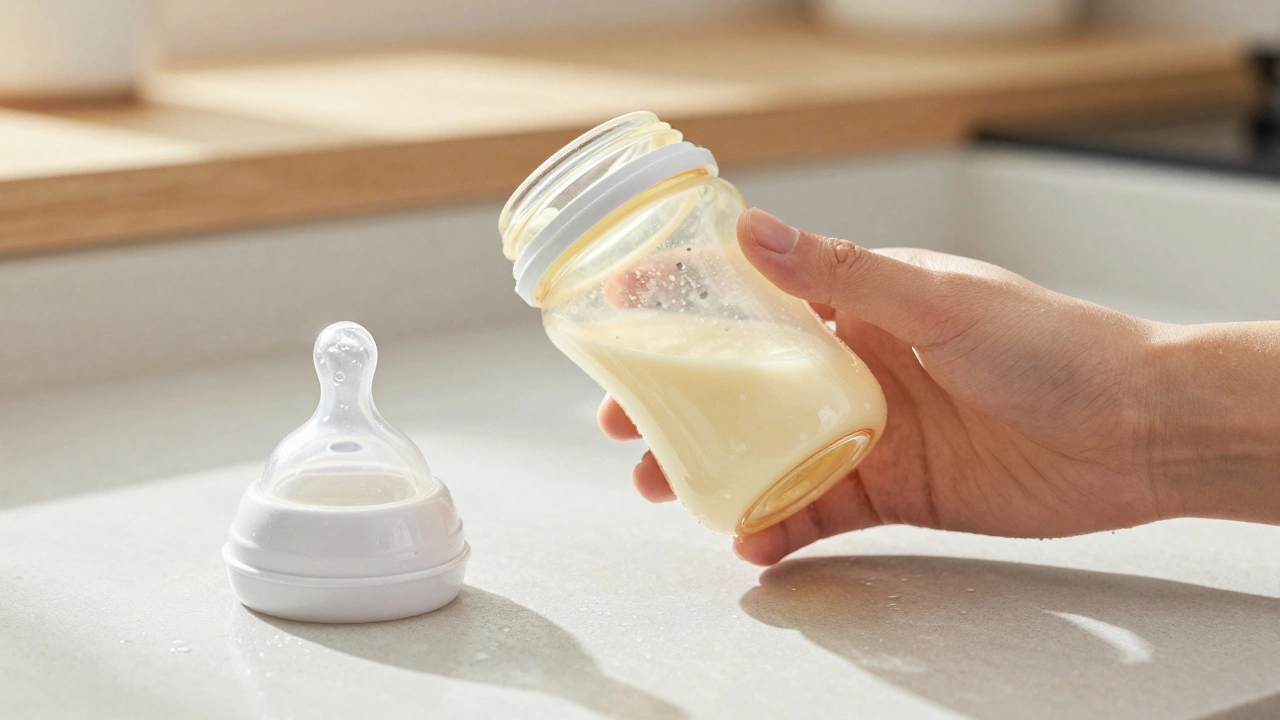
How Often Should You Replace Baby Bottles? A Practical Guide for Parents
Learn when and why to replace baby bottles for safety and hygiene. Discover signs of wear, replacement timelines, and how to extend bottle life without risking your baby's health.
view more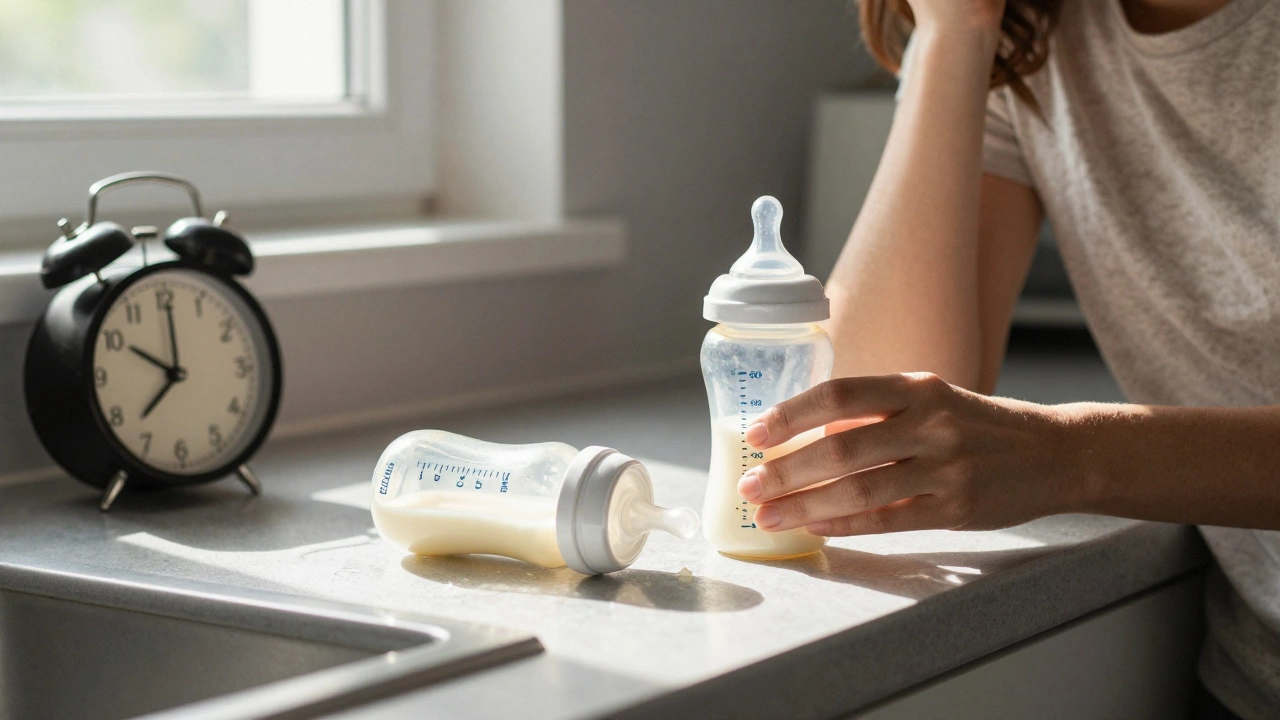
Why You Can't Give a Baby a Bottle After an Hour
Leaving a baby bottle out for more than an hour can lead to dangerous bacterial growth. Learn why even a short time at room temperature puts infants at risk and how to feed safely every time.
view more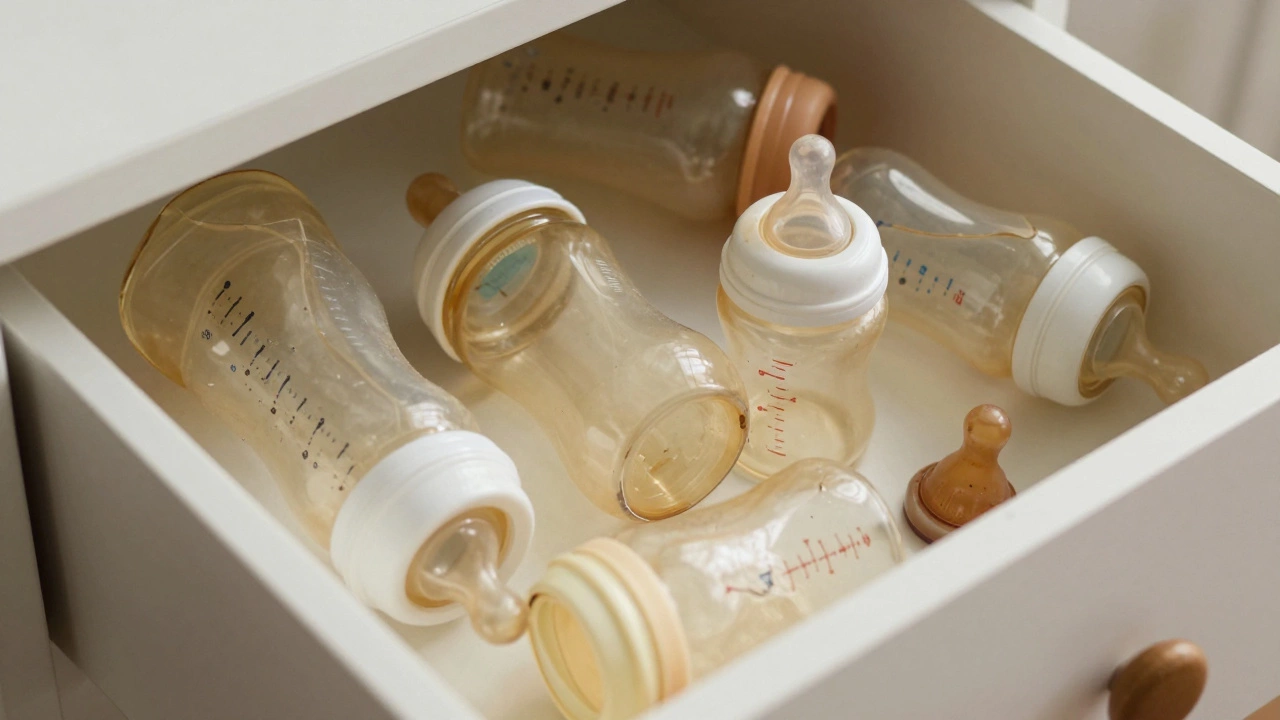
Are You Supposed to Throw Away Baby Bottles? When to Replace and Why
Learn when and why to replace baby bottles for safety and hygiene. Signs of wear, material differences, and smart replacement habits to protect your baby’s health.
view more