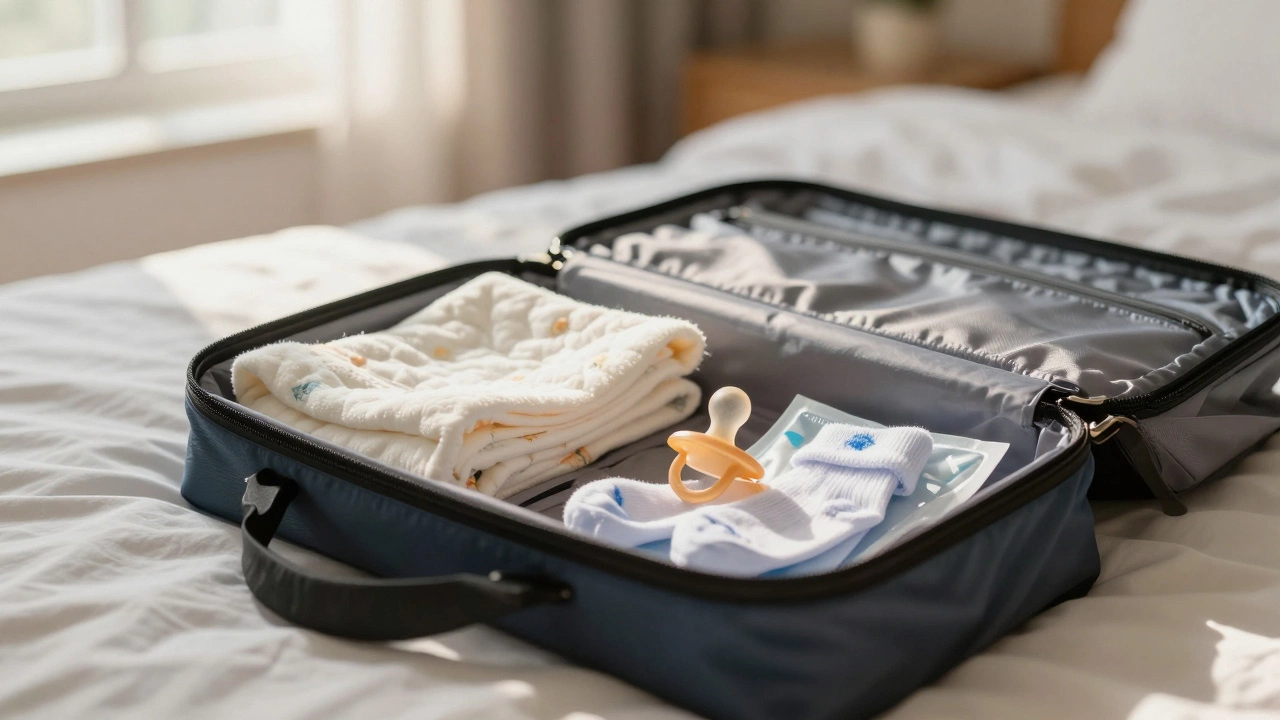
Hospital Bag Pacifier Guide
Recommended Timeline
Based on AAP guidelines and lactation expert advice.
Imagine you are in the delivery room. The adrenaline is high, your partner is holding your hand, and suddenly the nurse asks if you have brought any supplies. In that moment of chaos, having everything ready can make a world of difference. One item often debated among expectant parents is the pacifier. Should it be in your hospital bag? The short answer is yes, but with some important caveats depending on your feeding plans.
Packing a pacifier isn't just about stopping tears; it's about managing pain, soothing distress, and potentially reducing the risk of Sudden Infant Death Syndrome (SIDS). However, if you plan to breastfeed exclusively, timing matters immensely. Let’s break down exactly why you might want one, when to introduce it, and what else belongs in that crucial bag.
The Case for Packing a Pacifier
Why do midwives and pediatricians often recommend keeping a pacifier handy during labor and immediately after birth? It comes down to instinct and comfort. Babies are born with a strong rooting reflex and a need to suckle. This non-nutritive sucking provides significant relief from stress and pain.
During the birthing process, especially if you have an epidural or experience prolonged pushing, your baby might be born tired or slightly drowsy. A pacifier can help soothe them while they adjust to the outside world. More importantly, if your baby needs medical procedures like heel pricks for blood tests or vitamin K injections, a pacifier acts as a natural analgesic. Studies have shown that sucking reduces crying and lowers heart rate in newborns undergoing minor painful procedures.
Additionally, there is the safety aspect. The American Academy of Pediatrics and health organizations in the UK, including the NHS, suggest offering a pacifier at naptime and bedtime once breastfeeding is well established. This practice has been linked to a reduced incidence of SIDS. Having one available in the hospital allows you to start this habit safely under professional supervision.
Does using a pacifier interfere with breastfeeding?
It can, if introduced too early. Many experts recommend waiting until breastfeeding is well-established, typically around 3 to 4 weeks postpartum, before introducing a pacifier. This prevents "nipple confusion," where the baby struggles to latch onto the breast due to different sucking mechanics. However, using a pacifier during the first few days for pain relief or extreme fussiness is generally considered safe by most lactation consultants.
Breastfeeding vs. Formula: Timing Is Everything
If you are planning to breastfeed, the conversation shifts from "should I pack it?" to "when should I use it?" The first few days after birth are critical for establishing milk supply. Your body produces colostrum, a nutrient-rich fluid, in small amounts. Frequent latching stimulates prolactin production, which boosts milk volume.
If you offer a pacifier too soon, your baby might become satiated by the act of sucking and refuse to feed effectively at the breast. This can lead to poor weight gain and lower milk supply. Here is a practical rule of thumb:
- First 24-48 hours: Avoid pacifiers unless medically necessary (e.g., for pain management during procedures).
- Days 3-7: Use sparingly. If your baby is fussy between feeds, try skin-to-skin contact or finger sucking first.
- After 2-4 weeks: Once you see regular wet diapers and steady weight gain, you can introduce the pacifier more freely.
For formula-fed babies, the timeline is less strict. Since bottle feeding involves a different flow rate and nipple shape, nipple confusion is less of a concern. You can introduce the pacifier sooner if your baby seems unsettled, provided they are getting adequate nutrition.
What Type of Pacifier Should You Choose?
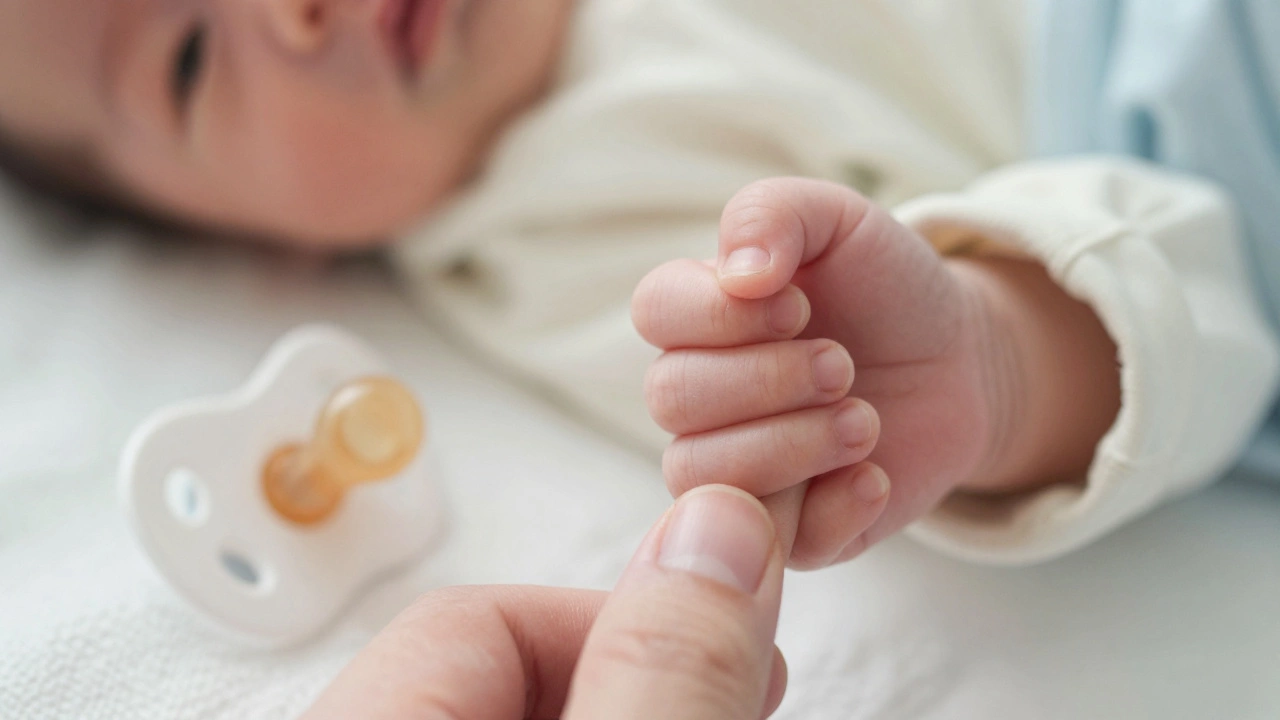
Not all pacifiers are created equal. When packing for the hospital, simplicity and hygiene are key. You don’t need fancy lights or music-just a reliable, single-piece design.
Look for orthodontic shapes that mimic the curve of the palate. These are designed to put less pressure on the teeth and gums, though long-term dental effects are still debated among experts. Material-wise, silicone is preferred over latex because it is hypoallergenic, easier to sterilize, and more durable. Silicone pacifiers withstand boiling water better and don’t degrade quickly.
Size matters too. Most newborns fit comfortably with a size 0 or 1 pacifier. Brands like MAM, Nuk, and Philips Avent offer widely available options in the UK. Check that the shield fits properly against your baby’s face without pressing on their nose or cheeks. A good fit ensures airflow and prevents irritation.
| Feature | Silicone | Latex |
|---|---|---|
| Allergy Risk | Very Low | Moderate (Rubber allergy possible) |
| Durability | High (Lasts months) | Low (Degrades faster) |
| Sterilization | Easy (Boiling/Microwave) | Difficult (Heat sensitive) |
| Texture | Firm | Soft, rubbery |
Essential Items Beyond the Pacifier
While the pacifier gets a lot of attention, your hospital bag should contain other essentials to ensure a smooth transition home. Think about comfort, documentation, and basic care.
For yourself, pack comfortable nursing bras, loose-fitting pajamas, and slippers with grips. Hospitals can be cold, and you will be spending nights in bed. Don’t forget chargers for your phone and camera-you’ll want to capture those first moments. Snacks and water bottles are also vital, as hospital food may not align with your dietary preferences or energy needs.
For your partner or support person, include a change of clothes, toiletries, and perhaps a book or tablet for downtime. They will be there for you, but they also need to stay refreshed.
For the baby, aside from the pacifier, pack:
- Two or three newborn-sized outfits (50-60cm)
- A warm hat and socks
- A receiving blanket for swaddling
- A car seat installed in your vehicle before you leave for the hospital
Note that many hospitals provide basic supplies like nappies and wipes for the first day or two. Check with your specific maternity unit beforehand to avoid overpacking.
Common Mistakes to Avoid
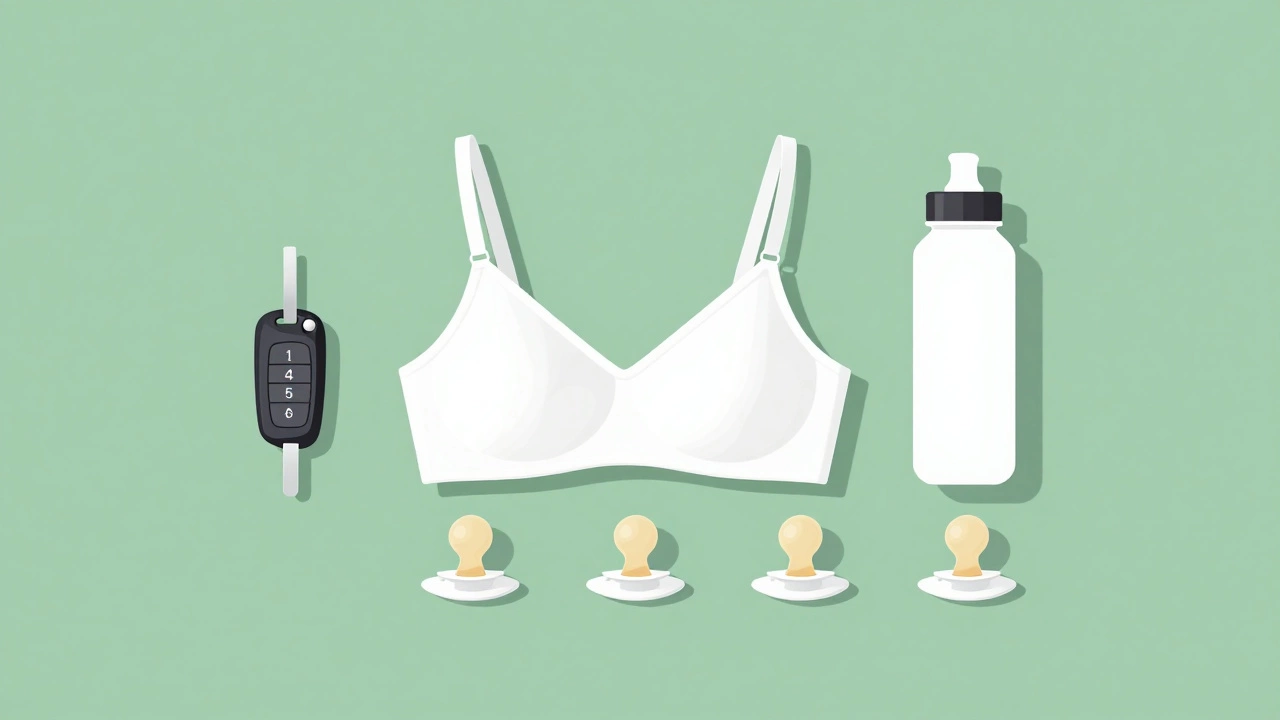
New parents often fall into the trap of overpacking. You might think you need five pacifiers, multiple bottles, and elaborate skincare routines. In reality, simplicity wins. Here are common pitfalls:
- Buying too many sizes: Start with one size. Babies grow unpredictably, and you might find your little one prefers a larger nipple immediately.
- Ignoring attachment clips: While convenient, avoid attaching pacifiers to strings or ribbons around the neck due to strangulation risks. Use clip-on holders that attach securely to clothing instead.
- Forgetting backup plans: What if your baby rejects the pacifier? That happens! Have alternative soothing techniques ready, such as gentle rocking, white noise machines, or skin-to-skin contact.
Another mistake is not discussing your feeding plan with your midwife. If you are determined to breastfeed, tell the staff. They can guide you on when and how to introduce comfort measures without disrupting your goals. Communication is key to a supportive hospital experience.
Final Thoughts on Preparation
Packing a pacifier in your hospital bag is a smart move, regardless of your feeding choice. It serves as a versatile tool for comfort, pain relief, and sleep association. Just remember that flexibility is your best friend. Some babies love them instantly; others take weeks to accept them. Neither outcome is a failure.
Focus on creating a calm environment. Your presence, touch, and voice are the most powerful soothing agents. The pacifier is simply an aid, not a replacement for connection. By preparing thoughtfully, you reduce stress and allow yourself to focus on what truly matters: welcoming your new arrival.
How many pacifiers should I pack?
Pack two or three pacifiers. Babies drop things frequently, and having backups ensures you always have a clean one available. Sterilize them in the hospital kitchen using boiling water if needed.
Can I use a pacifier if my baby has reflux?
Yes, but consult your doctor first. For some babies with gastroesophageal reflux disease (GERD), sucking can help swallow excess saliva and ease discomfort. However, ensure the baby remains upright after feeding to prevent worsening symptoms.
Is it okay to dip the pacifier in sugar or honey?
Never use honey for infants under one year old due to the risk of botulism. Sugar water is sometimes used in medical settings for pain relief during procedures, but do not do this routinely at home without medical advice, as it can cause tooth decay and disrupt feeding habits.
When should I stop using a pacifier?
Most dentists recommend weaning off pacifiers between ages 2 and 4 to prevent dental alignment issues. Gradual reduction works best: limit use to naptime and bedtime first, then phase out completely.
Do pacifiers help with colic?
They can help some babies with colic by providing soothing suction. However, colic has various causes, so if your baby is extremely distressed, consult a healthcare provider to rule out underlying medical issues like allergies or intestinal problems.