Homemade Baby Formula Safety Checker
Use this tool to evaluate your homemade formula plan. Select your base ingredients and intended use duration to see potential risks and recommendations.
Assessment Result
--Nutritional Risks
Recommendations
Imagine standing in your kitchen at 3 AM, exhausted, holding a crying infant who refuses the bottle. The shop is closed, you’re out of formula, and a friend suggests, "Just make your own." It sounds simple enough-milk, water, maybe some sugar. But here’s the hard truth: homemade baby formula carries significant health risks that commercial options don’t.
If you are considering this route because of cost, availability issues, or a desire for natural ingredients, you need to understand exactly what you’re dealing with. This isn’t just about convenience; it’s about your baby’s developing brain, bones, and immune system. Let’s break down why making your own formula is risky, when it might be an emergency stop-gap, and how to do it safely if you absolutely must.
The Nutritional Gap Between Cow’s Milk and Breast Milk
Human breast milk is a complex, living fluid. It changes composition throughout the day and even during a single feed. Commercial infant formulas are engineered to mimic this complexity as closely as possible. They contain specific ratios of proteins, fats, carbohydrates, vitamins, and minerals tailored for human infants.
Cow’s milk, which forms the base of most homemade recipes, is fundamentally different. It is designed to turn a calf into a cow, not a human baby into a toddler. Here is why simply diluting cow’s milk doesn’t work long-term:
- Protein Overload: Cow’s milk has nearly three times the protein content of human milk. An infant’s kidneys are immature and cannot handle this high solute load, leading to dehydration and kidney stress.
- Mineral Imbalance: Cow’s milk is too high in sodium and potassium but critically low in iron and vitamin C. Iron deficiency anemia is a real risk for babies fed unfortified cow’s milk.
- Fat Composition: The fats in cow’s milk lack the essential fatty acids (like DHA and ARA) crucial for brain and eye development found in breast milk and fortified formulas.
When you mix these elements yourself, you are guessing at ratios. One scoop too much powder can cause constipation; one scoop too little can lead to failure to thrive. There is no safety net like there is with regulated products.
Why Homemade Formula Is Considered Unsafe by Experts
Pediatricians and organizations like the American Academy of Pediatrics (AAP) strongly advise against using homemade formulas as a primary source of nutrition for infants under 12 months. The reasons go beyond mere preference-they are rooted in clinical evidence.
Consider the case of electrolyte imbalances. In 2014, researchers published findings showing that infants fed homemade formulas often presented with hyponatremia (low blood sodium) or hypernatremia (high blood sodium). These conditions can cause seizures, coma, and even death. Why? Because without precise laboratory-grade measurement tools, parents inadvertently alter the osmolarity of the feed. A teaspoon measure varies significantly between households. A scale measures in grams, but many parents use volume measurements, leading to errors of up to 20% in concentration.
Furthermore, micronutrient deficiencies creep in slowly. You won’t see symptoms immediately. Vitamin D deficiency might take months to manifest as rickets. Zinc deficiency affects immunity. By the time you notice your baby is falling behind on growth charts, correcting the deficit takes considerable effort.
Emergency vs. Long-Term Use: Knowing the Difference
There is a massive difference between using a homemade mix for two days during a supply chain shortage and relying on it for six months. Context matters.
In an emergency scenario-say, a global pandemic disrupts formula supplies, or you are traveling remotely-short-term use of a properly prepared emergency formula is generally accepted by pediatricians, provided it is monitored. However, "properly prepared" means following a recipe vetted by medical professionals, not a blog post from a random website.
For long-term use, homemade formula fails to meet the regulatory standards set by bodies like the FDA in the US or the European Food Safety Authority (EFSA). Commercial formulas undergo rigorous testing for heavy metals, bacterial counts, and nutrient stability. Homemade mixes have no such oversight. If you batch-prepared a week’s worth of formula in a fridge that wasn’t cold enough, you could be feeding your baby bacteria-laden milk without knowing it.

A Comparison: Commercial Formula vs. Homemade Mixes
To visualize the stakes, let’s look at the key attributes side-by-side. This table highlights where homemade options typically fall short compared to standard infant formula.
| Feature | Commercial Infant Formula | Homemade Formula (Cow’s Milk Base) |
|---|---|---|
| Nutrient Balance | Regulated to match human milk profiles (iron, zinc, vitamins). | Often deficient in iron, vitamin C, and essential fatty acids. |
| Safety Standards | Sterile manufacturing; strict contamination controls. | Risk of bacterial contamination from home environment. |
| Preparation Accuracy | Pre-measured scoops; consistent concentration. | High variability due to household measuring tools. |
| Digestibility | Proteins modified for easier digestion. | Casein-heavy proteins harder for infants to digest. |
| Cost | Higher upfront cost per tin. | Lower ingredient cost, but potential higher medical costs. |
Notice the last row. While saving money seems logical, treating preventable nutritional deficiencies or hospitalizations for dehydration can wipe out any savings instantly. Plus, the mental load of constantly calculating ratios adds stress to an already demanding parenting phase.
If You Must Do It: The Safest Way to Prepare Emergency Formula
If you find yourself in a pinch and cannot access commercial formula, do not improvise. Follow the guidelines suggested by pediatric nutritionists for emergency feeds. Note: This is for short-term use only (up to 7 days) unless supervised by a doctor.
- Use Whole Cow’s Milk: Do not use skimmed or semi-skimmed. Infants need fat for brain development.
- Add Water: Mix 3 parts whole cow’s milk with 1 part boiled, cooled water. This reduces the protein and mineral load to levels closer to human milk.
- Add Carbohydrate: Add 1 teaspoon of corn syrup or glucose polymer per cup of the milk-water mixture. Table sugar (sucrose) is less ideal because some infants have difficulty digesting it, but it works in a pinch. Avoid honey entirely due to botulism risk.
- Fortify with Vitamins: This is the hardest part at home. Ideally, add a multivitamin drop containing Vitamin C and Iron. Without these, the diet is incomplete.
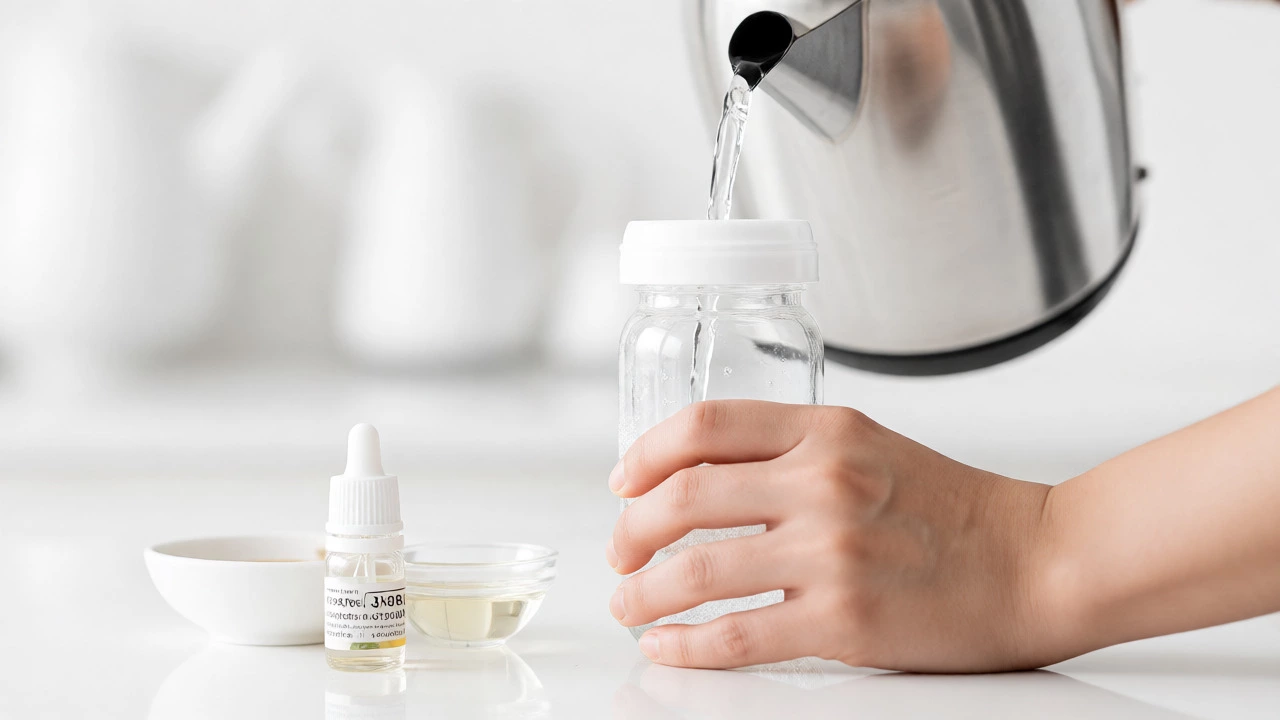
- Sterilize Everything: Boil bottles, teats, and mixing containers. Store prepared formula in the fridge and discard after 24 hours.
This recipe is a rough approximation. It lacks the precise balance of DHA, ARA, and taurine found in commercial products. Monitor your baby closely for signs of intolerance: excessive gas, vomiting, or unusual fussiness.
Common Myths About Natural and Organic Formula
Many parents lean toward homemade options because they fear additives in commercial brands. They worry about palm oil, soy, or synthetic vitamins. It’s valid to care about ingredients, but "natural" doesn’t automatically mean "safe" for an infant.
Goat’s milk formula is another popular alternative. While goat’s milk is easier to digest for some babies, it is naturally low in folate and vitamin B12. Unfortified goat’s milk can lead to megaloblastic anemia. Always choose a commercial goat’s milk formula that is specifically fortified for infants rather than trying to mix goat’s milk powder at home.
Similarly, plant-based milks like almond, oat, or rice milk are inadequate for infants under 12 months. They lack sufficient protein and fat calories. Using them as a primary feed can result in severe calorie deficits and poor weight gain. If you follow a vegan lifestyle, consult a pediatrician about soy-based infant formulas, which are the closest plant-based equivalent to dairy formulas.
Signs Your Baby Isn’t Getting Enough Nutrition
If you are using any type of formula, whether commercial or homemade, watch for red flags. Babies cannot tell you they are hungry or malnourished. They show it through behavior and growth.
- Wet Diapers: Fewer than 6 wet diapers a day after the first week indicates dehydration or insufficient intake.
- Weight Gain: Steady weight gain is the best indicator of adequate nutrition. Check growth charts monthly.
- Energy Levels: Lethargy or extreme irritability can signal electrolyte imbalances or low blood sugar.
- Skin and Hair: Dry skin, brittle hair, or slow healing of minor cuts can point to vitamin deficiencies.
If you notice these signs, seek medical advice immediately. Blood tests can quickly identify iron, zinc, or vitamin deficiencies, allowing for targeted supplementation.
Practical Tips for Parents Navigating Formula Shortages
Instead of jumping straight to homemade solutions, consider these strategies to manage supply issues:
- Stockpile Wisely: When you find a brand your baby tolerates well, buy extra. Rotate stock so you always have a buffer.
- Switch Brands Carefully: Most standard cow’s milk-based formulas are very similar. Switching between reputable brands usually causes no issues. Avoid switching to specialty formulas (hydrolyzed, amino acid-based) without medical guidance.
- Consult Your Pediatrician: Before starting homemade formula, call your doctor. They may prescribe specific supplements to bridge the gap.
- Consider Donor Milk: For preterm or medically fragile infants, donor human milk from accredited banks is safer than homemade cow’s milk formulas.
Making your own baby formula is a decision that requires careful weighing of risks versus benefits. While the idea of controlling every ingredient appeals to many, the biological reality of infant physiology demands precision. Commercial formulas, despite their marketing flaws, offer a safety net of nutritional completeness and sterility that is difficult to replicate in a home kitchen.
Can I use evaporated milk to make baby formula?
Yes, historically, evaporated milk was used in emergency formulas. It is sterilized and concentrated. However, it still requires adding water, sugar, and specific vitamin/mineral supplements to be nutritionally adequate. It is not a complete solution on its own and should only be used short-term under medical supervision.
Is homemade formula cheaper than store-bought?
Ingredient-wise, yes, cow’s milk and sugar are cheaper than premium formula tins. However, when you factor in the cost of necessary supplements (iron, vitamins), specialized measuring tools, and the potential risk of medical visits for nutritional deficiencies, the cost advantage diminishes significantly.
What happens if I put too much powder in the formula?
Too much powder increases the osmolarity, meaning the solution is too concentrated. This draws water from the baby’s body into the gut to dilute it, potentially causing diarrhea and dehydration. It also stresses the kidneys by increasing the solute load.
Can I give my baby almond milk instead of formula?
No. Almond milk lacks the protein and fat content required for infant growth. It is mostly water and added sugars. Using it as a primary feed can lead to failure to thrive and severe nutrient deficiencies. Only use soy-based infant formulas if avoiding dairy.
How long can homemade formula sit out?
Like all liquid foods, homemade formula should not sit at room temperature for more than 2 hours. After feeding, discard any leftovers within 1 hour because bacteria from the baby’s mouth enter the bottle. Store unused batches in the refrigerator for no more than 24 hours.