
Nursery Coziness Score Calculator
Answer these questions to see how cozy your nursery is and get specific advice to improve it.
Calculating...
What You're Doing Well
Quick Wins to Improve
You’ve bought the crib, picked out the paint, and maybe even assembled that dresser with one missing screw. But when you walk in at 3 AM to feed your crying infant, it feels cold. Sterile. Like a hospital waiting room rather than a sanctuary for sleep. You want warmth. You want comfort. You want a space where both you and your baby can exhale.
Creating a cozy nursery isn’t just about aesthetics; it’s about sensory regulation. Newborns are wired to seek warmth, softness, and dim light-conditions that mimic the womb. If your room feels stark, your baby might struggle to settle, and you’ll feel stressed trying to soothe them. The good news? You don’t need a massive budget or a full renovation. Small, intentional changes to texture, light, and layout can transform a functional room into a haven.
Start With the Light, Not the Decor
Most people start with wall art or rugs. That’s backwards. Lighting is the biggest mood setter in any room, especially a nursery. Harsh overhead lights trigger alertness, which is the last thing you want during a night feed or naptime transition.
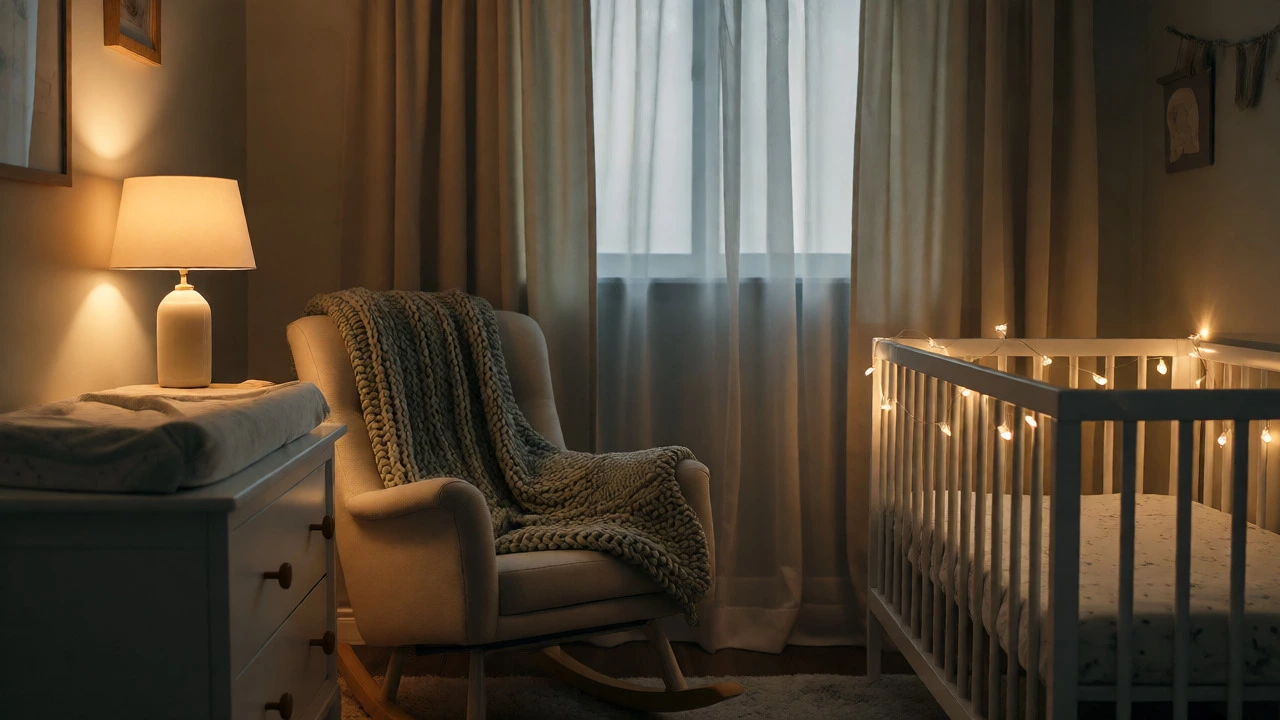
Swap bright bulbs for warm-white LEDs (2700K-3000K). They mimic sunset tones and signal melatonin production. Then, layer your sources. Never rely on a single ceiling fixture. Instead, use:
- Dimmable lamps: Place one on the changing table and one near the rocking chair. This lets you adjust brightness without waking a sleeping baby.
- String lights or fairy lights: Drape these around the crib rail or along shelves. They provide a soft, diffuse glow that feels magical but not stimulating.
- Nightlights: Choose red-spectrum nightlights for diaper changes. Red light doesn’t disrupt circadian rhythms as much as blue or white light.
If you have large windows, skip blackout blinds if they make the room feel like a cave during the day. Opt for double curtains: sheer ones for daytime privacy and softness, plus blackout liners for naps. The layers add visual depth and physical warmth.
Layer Textures for Sensory Comfort
A room feels cozy when it invites touch. Hard floors, smooth walls, and plastic toys create a clinical vibe. To fix this, introduce varied textures. Think of it as building a tactile experience for your baby’s developing senses and your own need for comfort while nursing or holding.
Focus on three key areas:
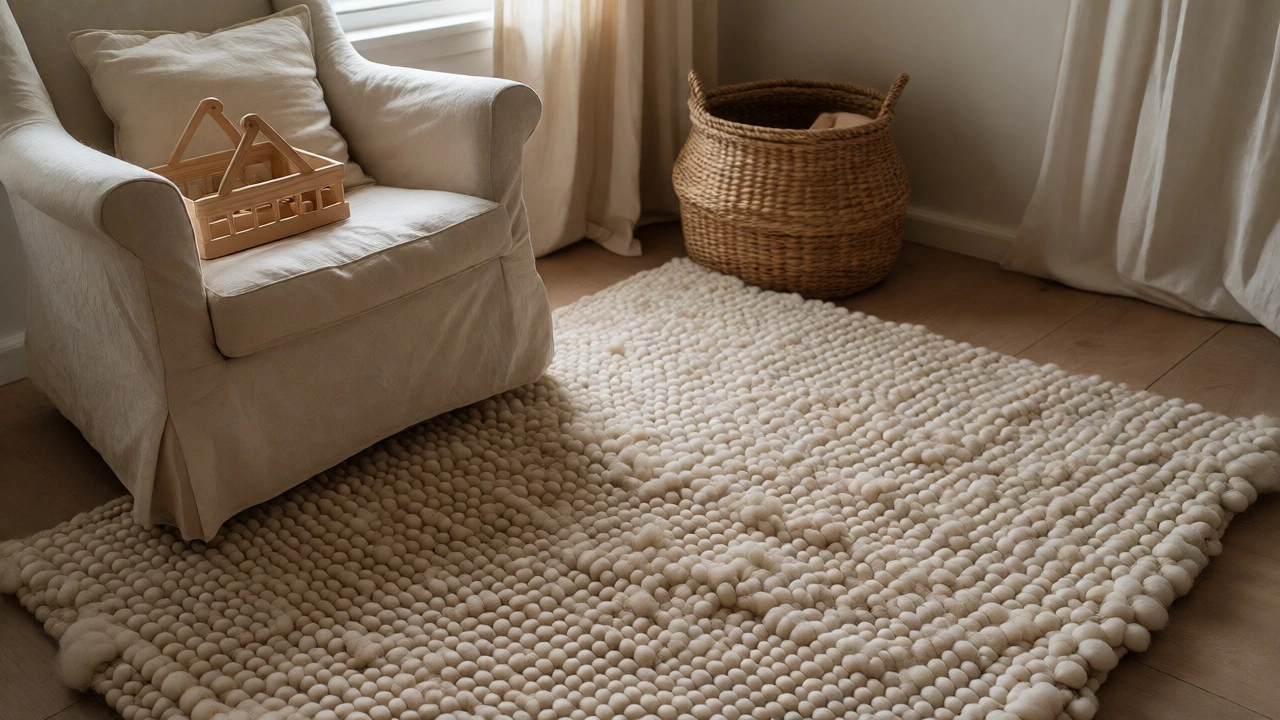
- The Floor: If you have wood or laminate flooring, it will echo and feel cold. Add a plush area rug under the crib or play mat. Wool or high-pile synthetic rugs dampen sound and provide a soft landing for crawling babies later on. In the UK, where drafts are common, a thick rug also insulates against cold floors.
- The Seating: Your nursing chair shouldn’t just be stylish; it needs to support you. Add a chunky knit throw blanket over the armrest. It keeps your arms warm during long feeds and adds visual softness. Pair it with a lumbar pillow made from natural fibers like cotton or linen.
- The Bedding: Avoid heavy duvets for newborns due to suffocation risks. Instead, use fitted sheets in breathable fabrics like bamboo or organic cotton. These materials regulate temperature better than polyester, preventing overheating-a common cause of unsettled sleep.
Remember the "rule of three" for textures: combine something smooth (like cotton sheets), something fuzzy (like a wool rug), and something structured (like a wooden toy basket). This contrast makes the room feel rich and lived-in, not flat.
Warm Up the Color Palette Without Overwhelming
White walls aren’t inherently uncozy, but pure brilliant white reflects too much light and can feel sterile. You don’t need to paint the whole room dark green or navy. Try shifting your palette toward earth tones or muted pastels.
Colors like sage green, terracotta, dusty rose, or warm beige absorb light gently and create a calming atmosphere. If repainting feels too big right now, change the accessories. Swap out stark white storage bins for woven baskets made of seagrass or rattan. Replace metallic frames with wooden ones. Even small shifts in hue can lower the perceived temperature of the room by a few degrees psychologically.
Consider the psychology of color here. Blue is often cited as calming, but cool blues can sometimes feel chilly. Warm neutrals with undertones of yellow or orange promote feelings of safety and warmth. Test paint samples on different walls at different times of day before committing. Natural light changes how colors look, and you want consistency throughout the day.
Declutter to Reduce Visual Noise
Clutter creates anxiety. A messy nursery feels chaotic, which translates to a chaotic mind for parents trying to relax. You don’t need minimalism, but you do need intentionality.
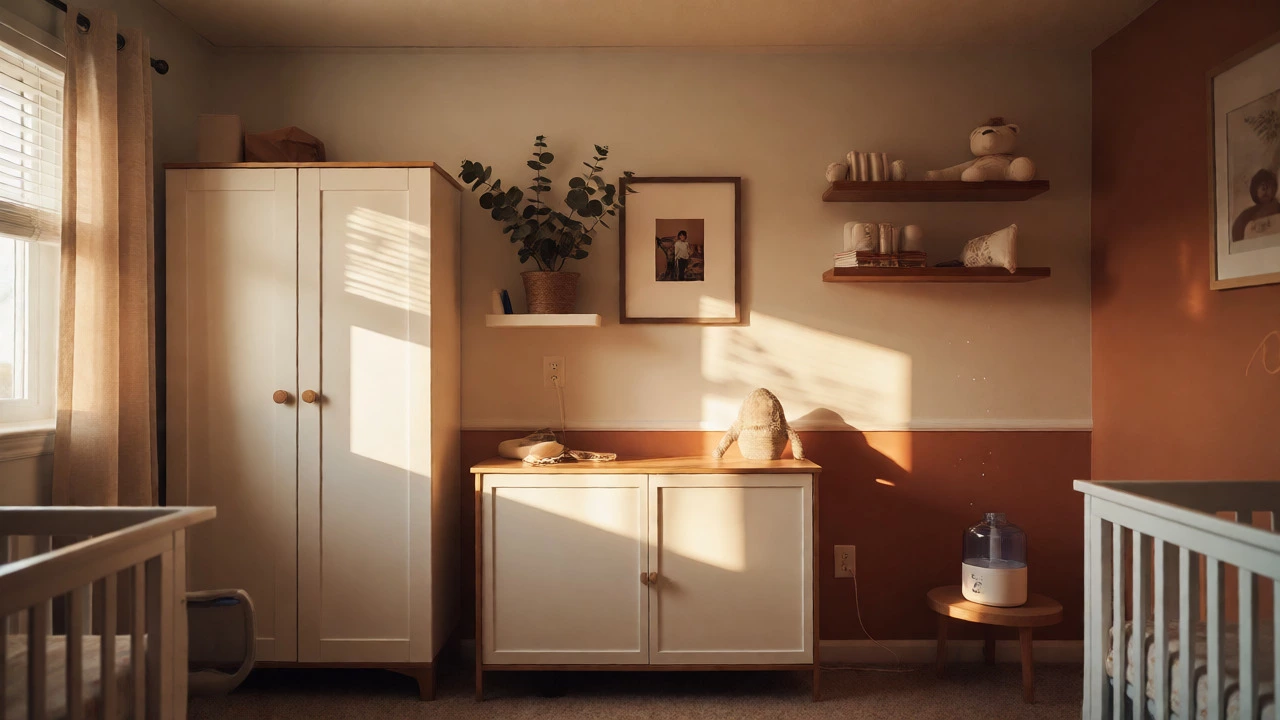
Use closed storage for anything visually busy. Diapers, wipes, spare clothes, and bulky blankets should live inside drawers or behind cabinet doors. Open shelving should only hold items that contribute to the cozy aesthetic: a few favorite books, a soft stuffed animal, or a beautiful plant (if safe).
Keep surfaces clear. A cluttered changing table means you’re constantly moving things aside to find what you need, increasing stress. Install hooks on the wall for robes or bags so nothing piles up on chairs. When the eye sees order, the brain registers calm. This is crucial when you’re sleep-deprived and sensitive to stimulation.
Add Scent and Sound for Atmosphere
Scent is powerful memory anchor. While babies have sensitive noses, a subtle, natural scent can help signal "relaxation time" for both parent and child. Avoid synthetic air fresheners, which can contain irritants. Instead, try:
- A small bowl of dried lavender sachets tucked into a drawer.
- A drop of chamomile essential oil on a cotton ball placed near (not in) the vent.
- Fresh eucalyptus stems in a vase, provided they are out of reach.
Sound matters too. Silence can be deafening for some babies who are used to the noise of the womb. A white noise machine is practical, but choose one with nature sounds or gentle rain options. Place it away from the crib to avoid startling noises. Additionally, consider adding a soft music box or a mobile with chimes that plays lullabies. These auditory cues become part of the sleep ritual, signaling that it’s time to wind down.
Prioritize Safety in Your Cozy Setup
Cozy must never compromise safety. The Lullaby Trust and NHS guidelines are strict about sleep environments. Here’s how to keep things snug but secure:
| Element | Cozy Tip | Safety Rule |
|---|---|---|
| Rugs | Plush, high-pile for warmth | Non-slip backing to prevent trips; no loose threads |
| Lighting | Warm, dimmable sources | Cords secured out of reach; low-heat LED bulbs |
| Decor | Woven baskets and soft throws | No pillows or loose blankets in the crib until age 1+ |
| Temperature | Soft textiles for insulation | Room temp 16-20°C (61-68°F); dress baby accordingly |
Never place cribs next to radiators or drafty windows. Radiators dry out the air, which can irritate nasal passages. If the air is dry, use a humidifier, but clean it regularly to prevent mold. Keep cords from blinds and lamps at least 1 meter away from the crib to avoid strangulation hazards. Always check new furniture for sharp edges or loose parts before letting your baby explore.
Personalize It So It Feels Like Home
Finally, make it yours. A generic showroom nursery lacks soul. Add items that mean something to you. Hang a piece of art you love. Display a family photo in a simple frame. Put a favorite book on the shelf. These personal touches remind you why you’re doing this-the joy of raising a child-rather than just the logistics of caretaking.
Don’t rush. You don’t need to buy everything at once. Start with lighting and bedding. Then add a rug. Then tackle storage. Watch how your baby responds. Do they sleep better? Do you feel calmer entering the room? Adjust as needed. Coziness is a feeling, not a product list. It’s built through attention to detail and care for the person using the space.
What is the ideal temperature for a cozy nursery?
The recommended room temperature for a baby's sleep environment is between 16°C and 20°C (61°F to 68°F). This range is cool enough to reduce the risk of SIDS but warm enough to be comfortable. Use a thermometer to monitor it, especially in older homes with poor insulation.
Can I use scented candles in the nursery?
It is generally safer to avoid open flames in a nursery. If you want scent, opt for battery-operated flameless candles infused with fragrance, or use natural alternatives like dried lavender sachets or essential oil diffusers kept well out of reach. Synthetic air fresheners can irritate delicate respiratory systems.
How many hours of light does a nursery need?
There is no fixed number, but exposure to natural daylight during the day helps regulate a baby's circadian rhythm. Aim for plenty of indirect natural light during waking hours. At night, keep the room as dark as possible for sleep, using only a dim red nightlight if necessary for feeding or diaper changes.
Are rugs safe for babies who crawl?
Yes, rugs are beneficial for crawling babies as they provide cushioning and insulation. Ensure the rug has a non-slip pad underneath to prevent sliding. Regularly vacuum to remove dust and allergens, and choose low-VOC materials to maintain good indoor air quality.
What colors make a nursery feel coziest?
Warm neutrals and muted earth tones tend to feel coziest. Colors like beige, taupe, sage green, soft terracotta, and dusty pink create a soothing atmosphere. Pure white can feel stark, while very bright primary colors can be overstimulating. Soft, desaturated hues are best for relaxation.