Free Children's Book Finder
Discover which free book programs are available for your family in 2026.
Based on your inputs:
We have found specific programs tailored to your needs.
Safety Checklist
Before signing up for any program, ensure it meets these criteria:
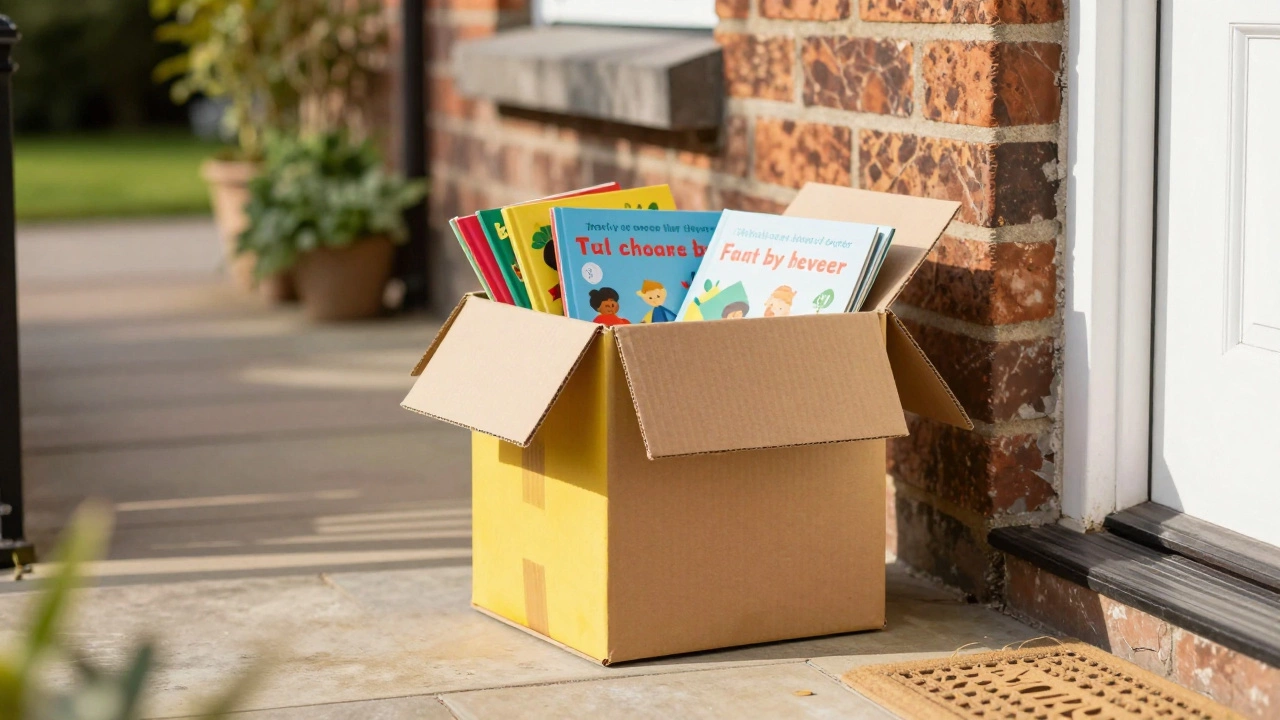
Picture this: a bright package arrives at your door. Inside isn't a bill or a random advertisement, but a stack of colorful stories waiting for your child. It sounds like a dream, especially when budgets are tight and the cost of raising kids feels endless. But here is the truth-you don’t have to buy every single book you read aloud. There are legitimate, safe, and surprisingly effective ways to get free children's books sent directly to your home.
Many parents assume that "free" means low-quality hand-me-downs or spammy marketing tricks. That’s not entirely true anymore. Libraries, non-profits, and even some government initiatives have modernized how they distribute literature. They want kids to read. Period. If you know where to look, you can build a massive library without spending a penny on shipping or retail prices.
The Modern Library Mail Service
We used to think of libraries as places you had to visit. Today, many public libraries operate more like postal hubs for knowledge. This shift has been accelerated by the need for remote access since the early 2020s. If you live in an area with a progressive library system, you might already have access to Library Mail Services, which are programs that allow patrons to borrow physical books via prepaid return envelopes.
Here is how it works. You log into your local library’s digital catalog (like OverDrive or Libby, though those are mostly for e-books). Look for a section labeled "Mailing," "Delivery," or "Homebound Services." While these were originally designed for elderly or disabled residents, many systems now open them to all registered cardholders. You pick up the books online, request delivery, and receive a box with a pre-paid Royal Mail or USPS envelope. You read, then send it back.
This is crucial because it solves the biggest hurdle: transportation. If you’re juggling work and childcare, driving to the library twice a month is tough. Mailing services remove that friction. Just check if your specific branch charges a small fee for the service; most do not, but policies vary by council or municipality.
Non-Profit Book Drop Programs
Beyond libraries, there is a vast network of charitable organizations dedicated to closing the literacy gap. These groups often have surplus inventory from publishers or corporate donations. They aren't just giving away old copies; they are distributing new titles to foster early education.
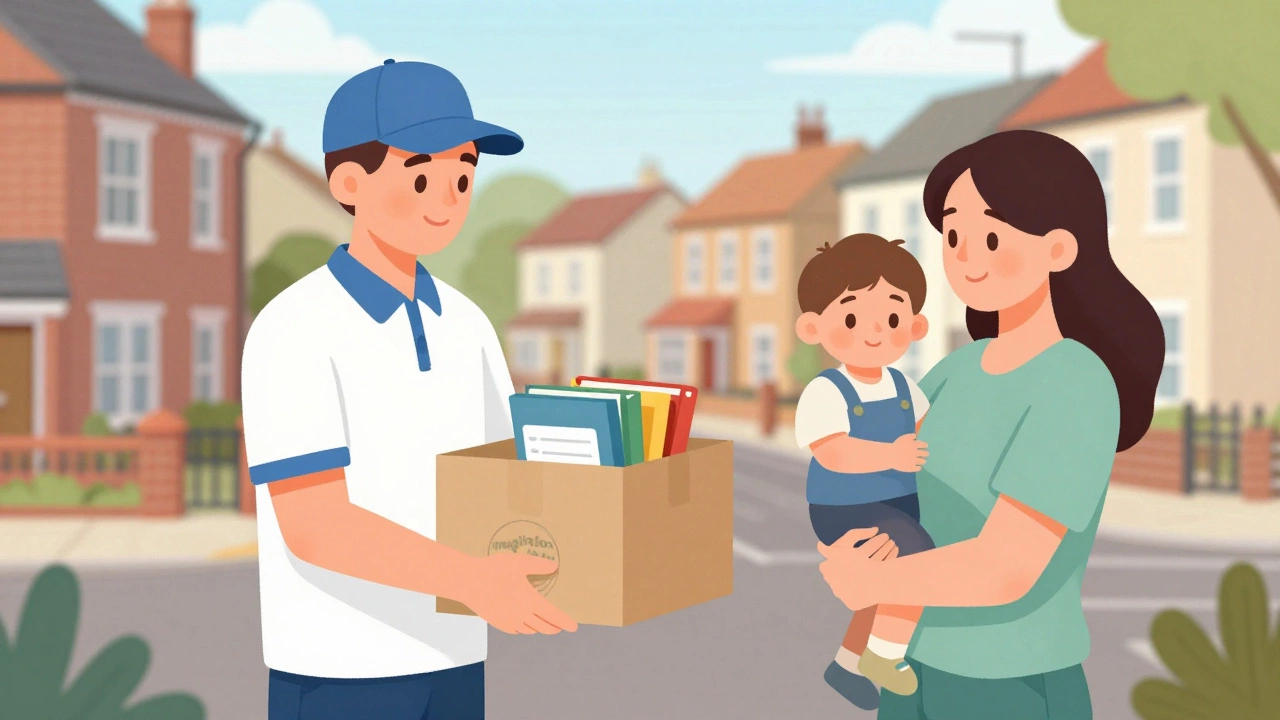
- Dolly Parton’s Imagination Library: This is perhaps the most famous program globally. It provides a new, age-appropriate book each month to children from birth until they start school. In the UK, it operates through local partners. You usually need to register your child through a participating agency or social service provider. It’s completely free, and the books are mailed directly to your house.
- Books From Baby: Popular in the US but with international reach, this organization sends curated boxes of books to infants and toddlers. They focus on diversity and inclusion. Registration is often tied to community centers or pediatric clinics.
- Local Food Banks and Community Hubs: Don’t overlook your neighborhood. Many food banks in Bristol and across the UK have started stocking books alongside groceries. Literacy is seen as part of holistic family support. Walking into a local hub and asking if they have a "book corner" can yield surprising results.
These programs rely on accurate address data and consistent mailing lists. When you sign up, you’re committing to keeping your contact info updated. If you move, notify them immediately, or the books will pile up unused.
Publisher and Retailer Giveaways
You might be surprised to learn that big publishers sometimes give away physical books. Why? Because getting a child hooked on reading early creates lifelong customers. Marketing departments allocate budgets for "acquisition costs"-essentially paying for the privilege of introducing their brand to a young reader.
Keep an eye on newsletters from major children’s book retailers. Occasionally, they run promotions where you can enter a draw for a free box set, or they offer "buy one, get three free" deals during holiday seasons. While not always strictly "free," the marginal cost per book drops to near zero.
Also, watch out for author tours or virtual launch events. Authors often give away signed copies or digital codes for free audiobooks to boost engagement. These aren’t always shipped to you physically, but they add value to your home library without cash exchange.
| Source Type | Cost | Shipping Fee | Best For | Availability |
|---|---|---|---|---|
| Library Mail | Free (with card) | Included | Wide variety, returns required | High (if supported locally) |
| Imagination Library | Free | Included | Ages 0-5, monthly delivery | Moderate (partner-dependent) |
| Community Hubs | Free | N/A (Pickup) | Immediate needs, local support | Variable |
| Publisher Promos | Free/Low Cost | Often Included | New releases, specific genres | Low (Limited time) |
Digital Alternatives: The Instant Download
If physical mail feels too slow, consider digital options. While the question asks about books being "sent," email and app notifications are the modern equivalent of delivery. E-books and audiobooks are free through library apps like Libby and Hoopla. You don’t get a cardboard box, but you do get instant access to thousands of titles.
For families with limited screen time, this might seem counterintuitive. However, many e-readers and tablets have "guided access" modes that lock the device into the reading app. Plus, audiobooks allow kids to listen while playing, turning downtime into storytime. It’s a valid strategy to supplement physical books.
Red Flags: What to Avoid
Not everything claiming to be free is actually free. Be wary of websites that ask for excessive personal information, credit card details for "processing fees," or promise hundreds of books for a nominal charge that turns out to be a recurring subscription trap. Always read the fine print. Legitimate charities and libraries will never ask for payment information to deliver free goods.
If a site looks sketchy, stick to verified domains (.org, .gov, or official library sites). Your safety and privacy matter more than a few picture books.
Building a Sustainable Reading Habit
Getting the books is only half the battle. The goal is to create an environment where reading happens naturally. Rotate the books you receive. Keep a "current favorites" shelf visible and accessible. Involve your child in choosing which book to open next. Consistency matters more than quantity. One book read together daily builds stronger neural pathways than fifty unread ones gathering dust.
Engage with local reading groups. Many libraries host free storytelling sessions. Attending these reinforces the value of the books you’ve received and connects you with other parents facing similar challenges.
Is the Imagination Library really free?
Yes, the Dolly Parton’s Imagination Library is completely free for eligible children. The cost is covered by sponsors and donors. You must register through a local partner agency, such as a health visitor or community center, to ensure your child qualifies based on age and residency.
Do I have to return library books mailed to me?
Yes, library mail services operate on a borrowing basis. You will receive a pre-paid return envelope. Failure to return books may result in fines or suspension of your library privileges. Treat them with care, as you would any borrowed item.
Can I get free books if I live in a rural area?
Absolutely. In fact, rural areas often benefit more from mail-based services due to distance from central libraries. Check with your county council or regional library authority for specific outreach programs designed for remote communities.
Are there free books for older children?
Most direct-mail charity programs focus on ages 0-5. For older children, library mail services remain the best option. Additionally, some schools and youth clubs distribute free chapter books or graphic novels through after-school programs.
How do I verify if a free book website is legitimate?
Look for clear contact information, physical addresses, and reviews from other users. Avoid sites requiring credit cards for "shipping" unless it’s a well-known retailer. Stick to established charities, libraries, and government-affiliated programs for safety.